



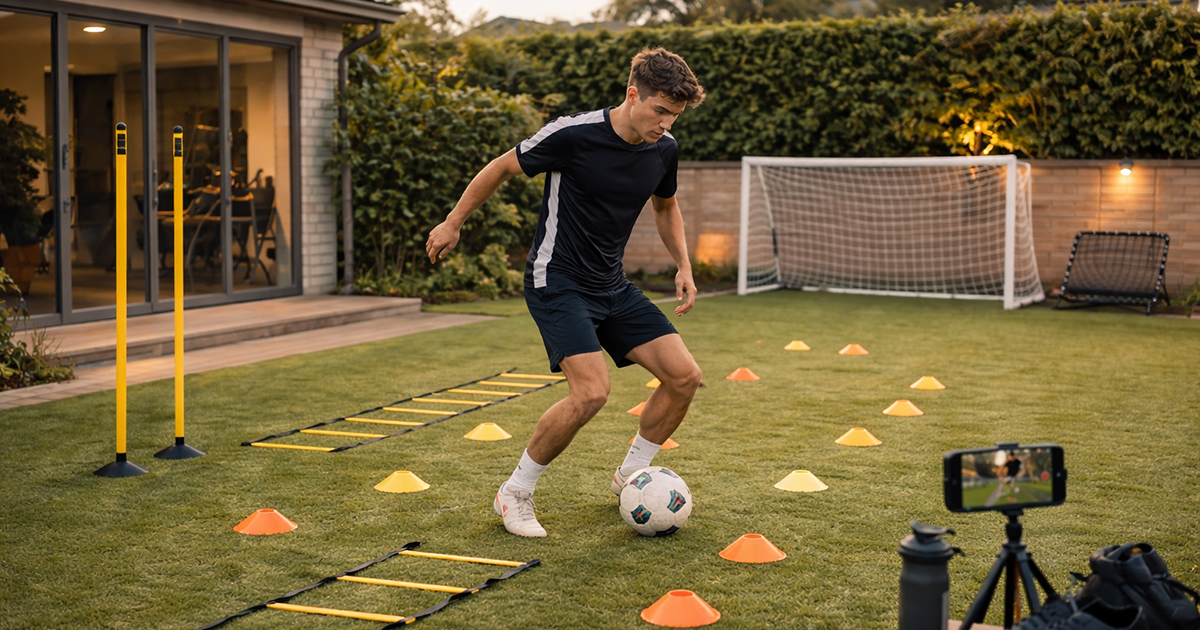
Best Solo Football Training Drills at Home: Boost Your Skills Without a Coach
For many grassroots football players, finding ways to practice effectively without constant access to a coach or club training can be a real challenge. Solo football training drills performed at home address this problem by offering practical exercises that focus on individual skill development, ball control, and fitness. This article explains the best solo drills young players can do to develop their technical and physical abilities independently, helping parents and players build a consistent, structured routine for steady long-term progress.
What Are Solo Football Training Drills?
Solo football training drills are exercises designed for players to practice alone without a coach or teammates. They focus on individual control, technique, touches, and movement patterns essential for long-term player development.
These drills allow players to work on fundamentals such as dribbling, ball mastery, passing against a wall, and shooting accuracy in a self-coached environment. They build discipline and create healthy repetition habits, two pillars of improving football skills at home.
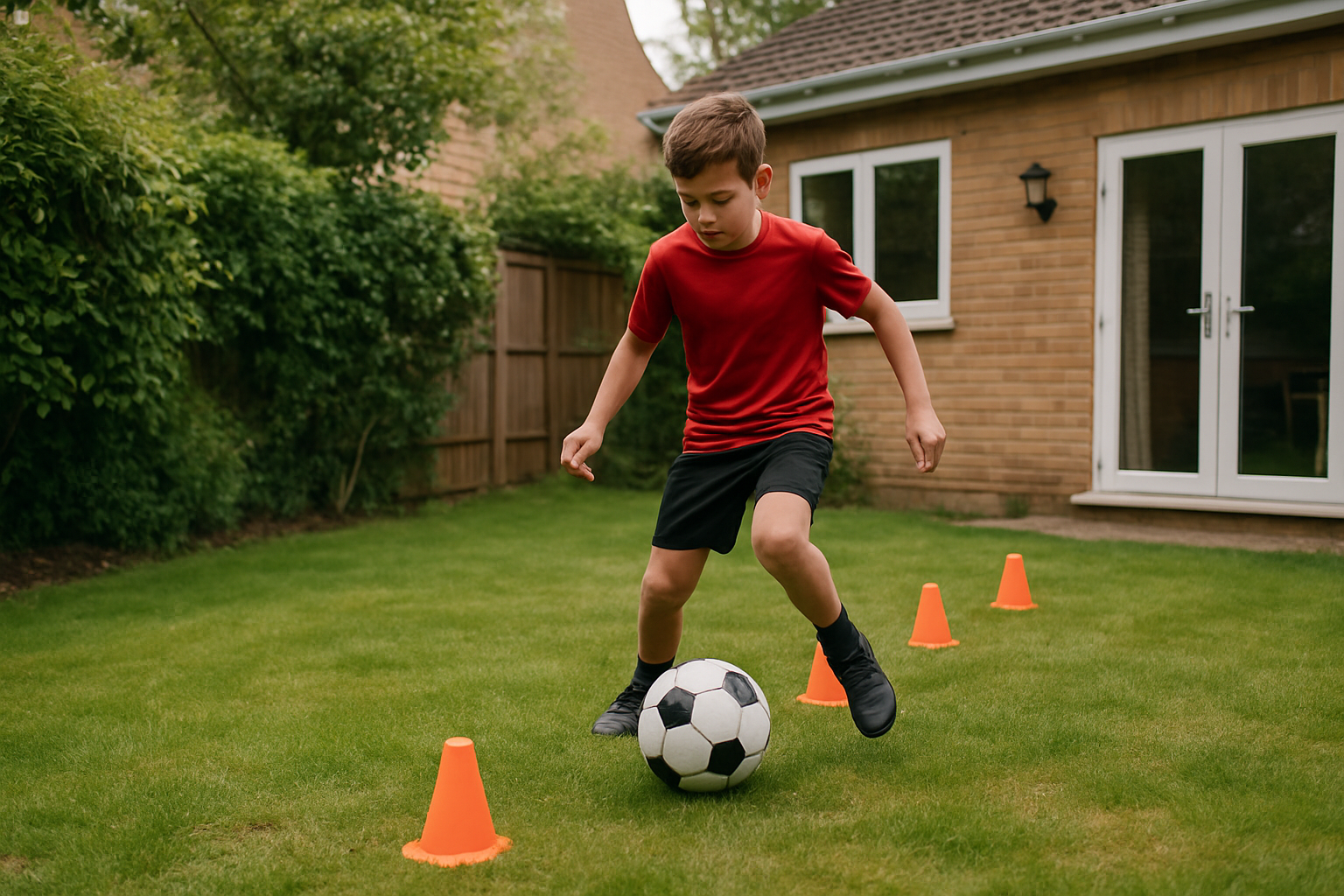
How to Improve Football Skills at Home with Simple Drills
Improving football skills through home training requires choosing exercises that engage core abilities like ball control, quick touches, and foot-eye coordination. Start with basic ball mastery drills such as toe taps, sole rolls, and inside-outside touches. These drills encourage familiarity with the ball and develop the player's touch sensitivity.
Using a wall or rebound surface is essential for solo passing drills, simulating game-like reaction and first-touch control. These simple setups help players learn how to control and redirect the ball efficiently — a key skill when practicing without a coach.
Developing Self-Coached Football Training Habits
Self-coached training depends on a player’s ability to set goals and measure progress independently. Key habits include creating a structured training schedule, focusing on small technical details, and incorporating short feedback loops.
For parents and coaches, supporting this approach means encouraging consistent repetition and tracking improvement over time. Players can record sessions or use simple notes to reflect on strengths and weaknesses, making each session intentional and growth-focused.
Best Solo Football Training Drills for Ball Control and Touch
Focus on these essential drills that require minimal equipment and space but maximize technical gains:
- Toe Taps: Alternate tapping the ball repeatedly with the top of each foot to improve rhythm and balance.
- Sole Rolls: Roll the ball slowly under the foot’s sole from front to back and side to side for close control.
- Wall Passes: Pass the ball against the wall using various parts of the foot and control the rebound, focusing on a clean first touch.
- Figure 8 Dribbling: Dribble the ball in a figure 8 pattern around two stationary objects to enhance tight control and agility.
- Juggling: Work on keeping the ball up using feet, thighs, and head to build touch coordination and concentration.
Incorporating these drills regularly builds muscle memory and develops the player's ability to adjust touches quickly during game situations.
Consistent solo practice with clear goals builds habits that support real football performance growth.
Why Players Struggle to Improve Without a Coach and How to Overcome It
Without a coach, players often struggle with maintaining motivation, receiving proper feedback, and structuring sessions for progress. This lack of guidance can lead to unproductive practice and plateauing skills.
To overcome these challenges, players should use simple progress tracking methods and video recordings to self-assess. Setting clear, measurable goals for each drill and gradually increasing difficulty or speed also encourages continuous improvement.
Practical Implementation for Grassroots Clubs and Parents
Grassroots clubs and parents can support solo training by providing young players with clear drill plans and recommended schedules. Encouraging players to practice solo drills ensures continuity when club sessions are limited or unavailable.
Parents can help by offering safe, open spaces at home or nearby and by emphasizing consistent repetition over performance pressure. Clubs may integrate self-coached training modules within broader player development workflows, making it easier to track individual progress between group training.
Common Development Mistakes in Solo Football Training
A common mistake when training alone is focusing too much on speed rather than technique. Players may rush drills without ensuring accuracy and quality of touch, which reduces long-term effectiveness.
Another issue is neglecting physical conditioning and recovery. While ball control drills are vital, combining them with agility, balance, and endurance exercises enhances overall player resilience and reduces injury risk.
Conclusion
Structured solo football training drills provide a practical pathway for young players to build skills independently when coach-led training isn’t available. By focusing on detailed ball control exercises, creating self-coached routines, and keeping progress tracked, players can develop consistency and important technical habits at their own pace. Parents and grassroots clubs play a key role in supporting and guiding this process through safe environments and simple scheduling advice. The long-term benefits of disciplined, self-driven practice align closely with structured player development principles and prepare players to contribute more effectively within team settings as they progress.
For those interested in expanding this approach, numerous resources for player development are available to enhance understanding and structure, facilitating greater player visibility and growth within grassroots football ecosystems.
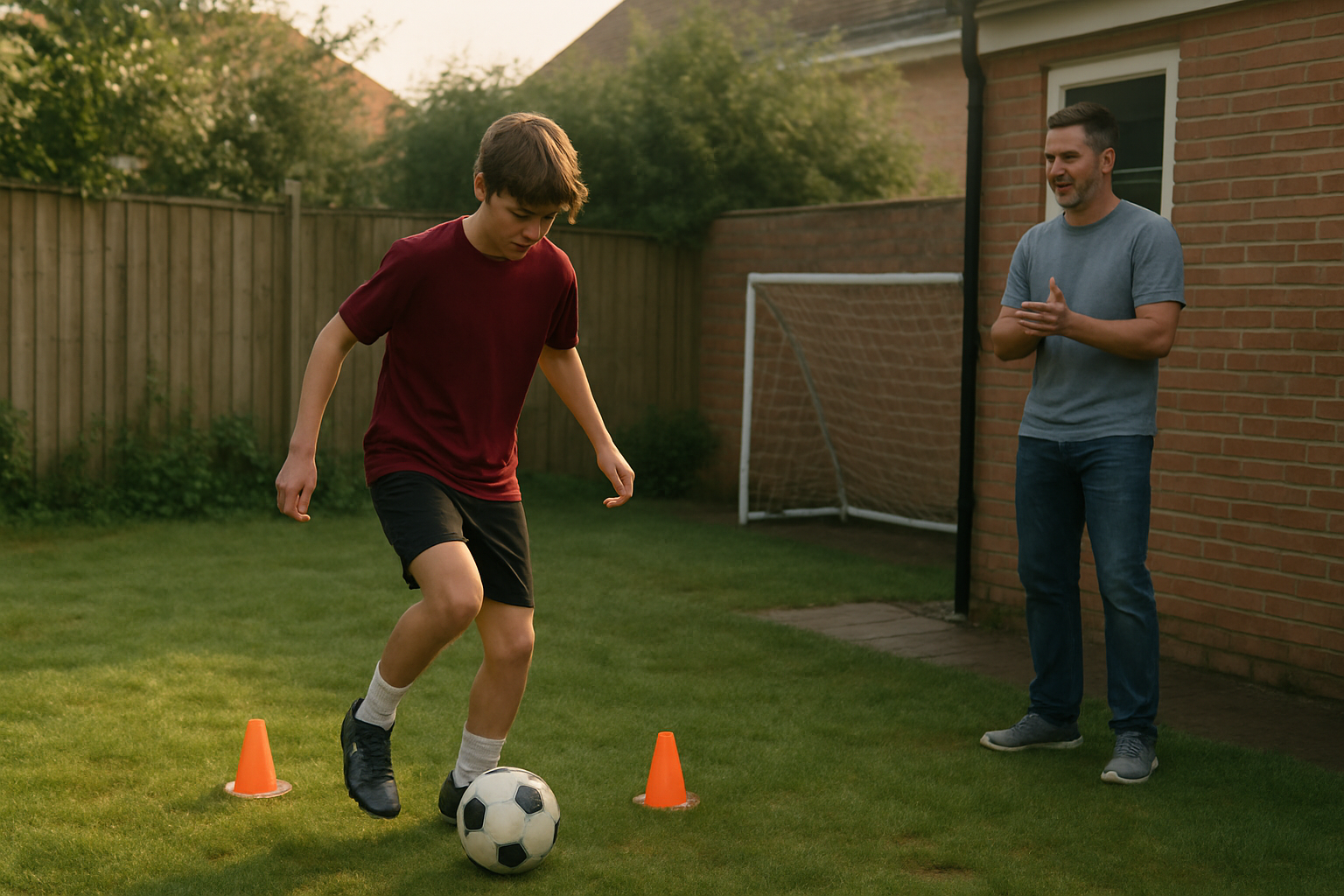
What is solo football training?
Solo football training refers to practicing football skills alone without teammates or a coach, focusing on individual ball control, dribbling, and passing drills.
How does practicing football at home improve skills?
Practicing at home allows players to build consistency, focus on personal technique, and develop new skills through repetition in a controlled, low-pressure environment.
How to improve football skills at home without equipment?
Use bodyweight drills like juggling, dribbling with imaginary cones, toe taps, and passing against walls to enhance control and coordination without special gear.
Why am I not improving despite regular solo training?
Improvement may stall if drills lack focus, progression, or feedback. It’s important to set clear goals, track progress, and gradually increase drill difficulty.
How to get better at football through self-coached training?
Create a structured routine with varied drills, focus on technique, record and review practice sessions, and adjust training intensity based on progress.
What is the best age to start individual football training at home?
Children can begin simple solo drills as early as under-10, focusing on ball familiarity and basic moves that support natural development through play.
How long does it take to see progress from solo football drills?
Consistent practice over weeks to months leads to noticeable skill improvements; the rate depends on training quality, frequency, and focused effort.
Related Articles
 Read More about Midfielder Positioning Improvement: How to Control the Game Better
Midfielder Positioning Improvement: How to Control the Game Better
 Read More about How to Improve Shooting Accuracy in Football: Techniques and Drills for Grassroots Players
How to Improve Shooting Accuracy in Football: Techniques and Drills for Grassroots Players
 Read More about Common Football Mistakes Young Players Make (And How to Fix Them Early)
Common Football Mistakes Young Players Make (And How to Fix Them Early)
Latest Articles
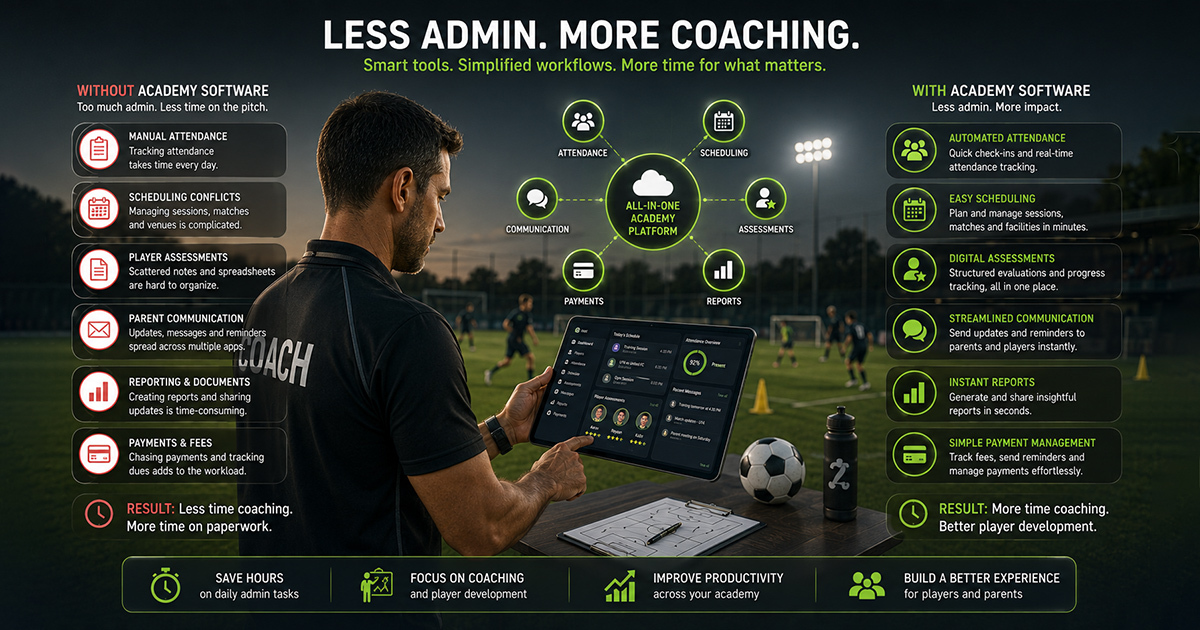 Read More about How Sports Academies Can Reduce Admin Work for Coaches
How Sports Academies Can Reduce Admin Work for Coaches
 Read More about How to Build Age-Wise Player Development Pathways in Football and Cricket
How to Build Age-Wise Player Development Pathways in Football and Cricket
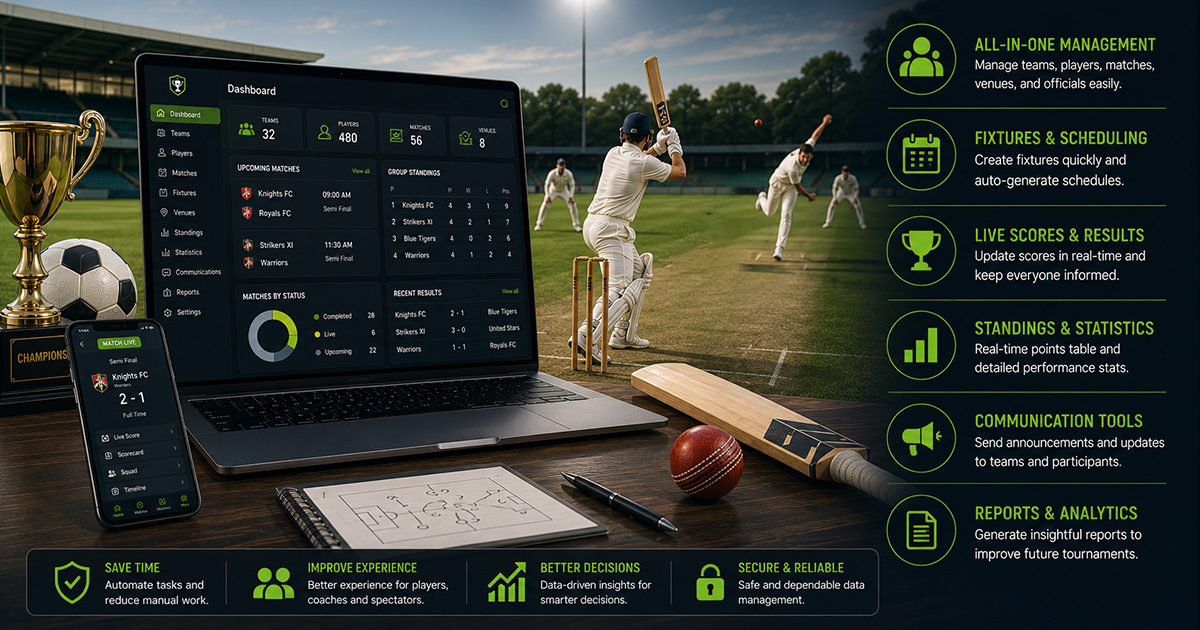 Read More about Tournament Management Software for Football and Cricket Organizers: A Practical Guide
Tournament Management Software for Football and Cricket Organizers: A Practical Guide
Ready to Bring Structure to Your Academy?
Let’s walk through your current setup and show you how 8lete can improve it.


