




Common Football Mistakes Young Players Make (And How to Fix Them Early)
Many young players and their parents face frustration when progress in football stalls, often without realizing that small, common errors in technique and decision-making hold them back. Common football mistakes young players make, such as poor passing technique or rushing decisions under pressure, can limit growth if not identified and corrected early. This article explores these typical mistakes and offers practical solutions tailored specifically for grassroots football environments, ensuring players develop solid foundations for long-term success.
What Are Common Football Mistakes Young Players Make?
Common football mistakes young players make usually revolve around technical skills, tactical awareness, and mindset. These include inconsistent passing accuracy, weak first touch, poor spatial awareness, and rushing to play without assessing options. Mistakes also arise from developing bad habits like poor running mechanics, lack of discipline in position, or letting nerves dictate play. Such errors may appear small but have a big cumulative effect on development.
Understanding these typical mistakes helps coaches, parents, and players focus on targeted improvement rather than generic advice. It also ensures that early corrections build good habits, reducing the risk of long-term plateaus and frustration in youth football development.
The Impact of Early Mistakes on Long-Term Development
When young players do not address common mistakes early, these can become ingrained, requiring more effort and time to undo later. For example, developing consistent passing technique early supports better decision-making under pressure as the game speeds up. Conversely, uncorrected poor technique often leads to lower confidence and limited playing opportunities.
Building a learning environment focused on structured training systems, player feedback, and gradual progression can help young players avoid these pitfalls. This environment also supports coaches in tracking player progress effectively and adjusting training based on player needs, avoiding frustration for all involved.
How to Improve Passing Accuracy in Youth Football
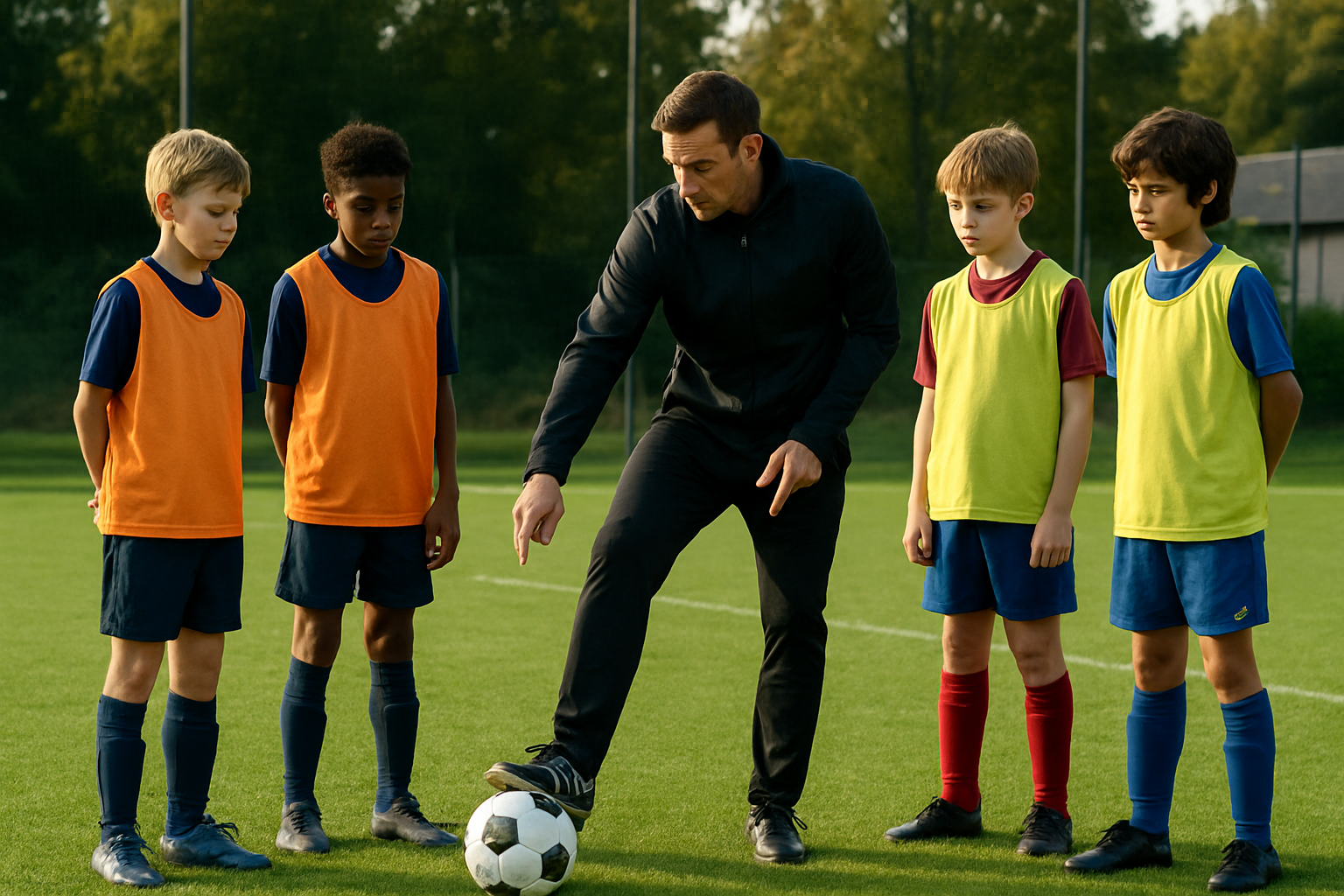
One of the most frequent errors is inconsistent passing accuracy. Young players may push the ball too hard, misjudge the angle, or fail to use the right part of the foot. To fix this early, coaches should emphasize basic passing drills focusing on technique and control, such as passing against a wall or to a stationary teammate within a marked zone.
Parents can support by encouraging players to practice ball control and passing outside formal training sessions. Repetition combined with proper feedback helps form muscle memory. The key is quality over quantity—training drills for young players should prioritize accuracy and technique rather than just power or speed.
Common Development Mistakes
In addition to technical errors, common development mistakes include rushing decisions on the ball and poor spatial awareness. Players often feel pressure to act quickly and lose composure, leading to turnovers or missed opportunities. Coaches must teach young players how to scan the field and encourage them to pause briefly before acting.
Another mistake is inconsistent training habits. Without a structured routine that balances skill practice, physical conditioning, and rest, players risk stagnation or burnout. Good football coaching advice for beginners should always emphasize consistent attendance and effort, alongside a positive mental approach, to form strong long-term habits.
Early correction of technical errors is key to long-term player progress and confidence.
Practical Implementation for Grassroots Clubs
Grassroots clubs play a critical role in identifying and correcting these common football mistakes young players make. Clubs can implement simple frameworks to support player development such as:
- 1. Structured training sessions focused on key skill areas with progressive difficulty
- 2. Regular player feedback involving constructive technical correction and positive reinforcement
- 3. Tracking development to monitor progress and adjust individual plans as needed
- 4. Parental engagement to support practice outside the club in a positive atmosphere
- 5. Encouraging game intelligence through match analysis and small-sided games emphasizing decision-making
This practical approach helps prevent common errors from becoming habits and supports consistent youth player football development. It also aligns with efficient academy workflows that emphasize player visibility and data-driven decisions.
How to Correct Football Errors Through Training
Correcting early errors requires more than repetition; it involves focused drills and coaching that target the root causes. For example, if a player struggles with first touch, drills that isolate controlling moving balls with different parts of the foot can help. Gradually increasing difficulty and match-like conditions help transfer skills to real games.
Incorporating video feedback or AI analysis in training reviews can provide players with clear visual evidence of what to improve, enhancing learning speed. This method also supports coaches in managing large groups by individualizing attention where it's needed most.
Preventing Bad Habits in Football
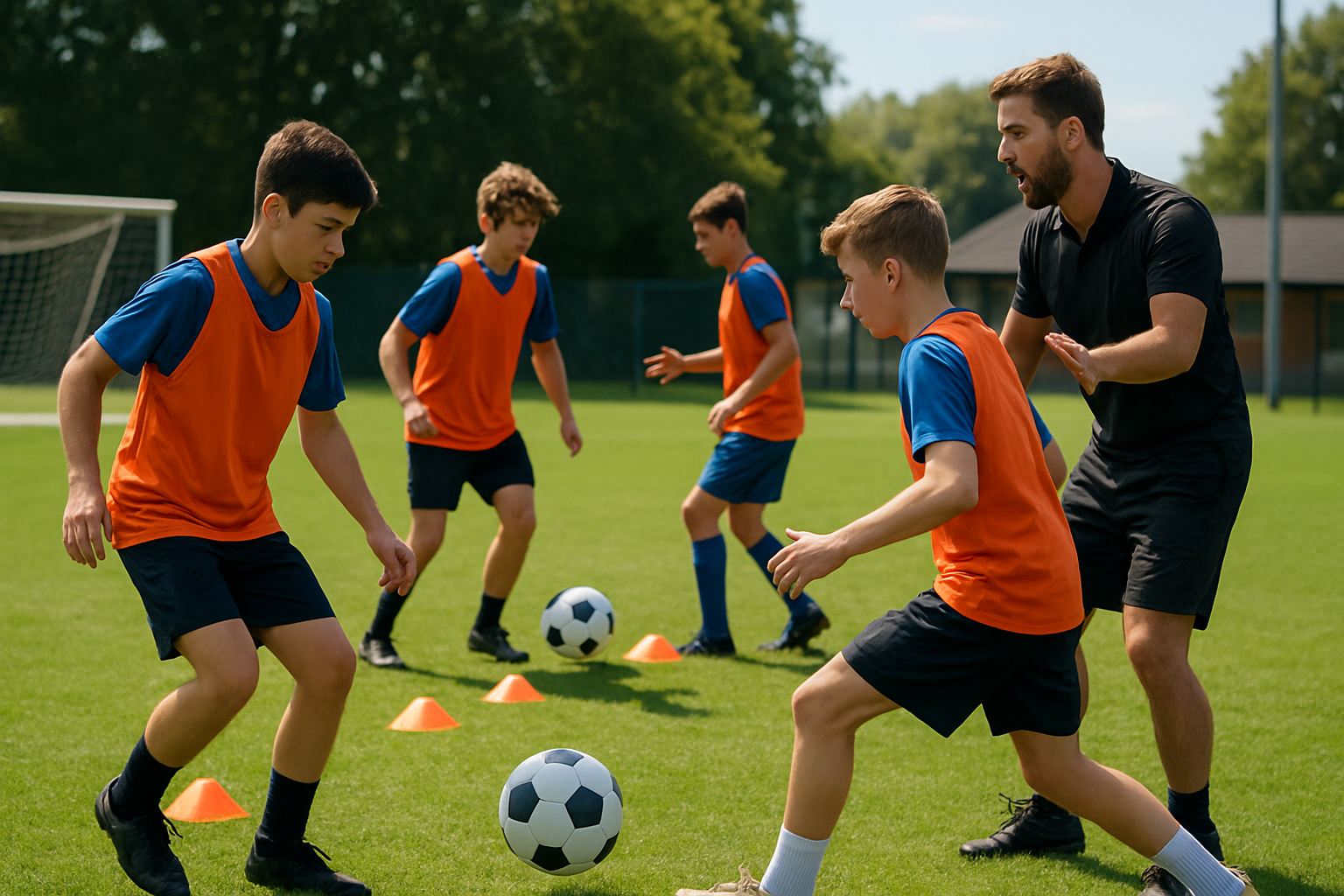
Bad habits often develop when players are left unchecked or coached with inconsistent methods. Prevention starts with clear communication of expectations and consistent coaching approaches. Early education on proper technique is key to avoid compensations that limit future skills.
Players benefit from a culture where mistakes are seen as learning opportunities, encouraging them to experiment and improve without fear. Parents also play a crucial role by reinforcing consistent habits and supporting mental focus during challenges.
Conclusion
Understanding and addressing common football mistakes young players make is essential to fostering meaningful long-term development. Early correction of technical, tactical, and mental errors builds a stronger foundation, making future progress smoother and more sustainable. Grassroots clubs, coaches, and parents must collaborate to provide structured training, honest feedback, and supportive environments focused on habits, discipline, and learning. By prioritizing gradual skill improvement over short-term results, young players will develop the confidence and ability needed to thrive in football and beyond. Resources focusing on youth player development tracking and structured training systems can further help in monitoring and encouraging steady growth throughout the crucial formative years.
What are common football mistakes young players make?
Young players often make mistakes in passing accuracy, first touch, decision-making, and spatial awareness that limit their development.
How does poor technique affect youth football development?
Poor technique can cause bad habits that slow progress, reduce confidence, and limit playing opportunities over time.
How to improve football skills at home for young players?
Focus on simple drills like passing against a wall, ball control exercises, and repetitive touches with feedback to build consistency.
Why am I not getting selected in football trials despite training?
Selection often depends on technical consistency, decision-making under pressure, and demonstrating coachable attitude during games.
How to train young players to avoid rushing decisions in matches?
Use small-sided games and drills that encourage scanning the field and pausing briefly before passing or dribbling.
What is the best age to start focusing on structured football training?
Around 8-10 years old is ideal to begin structured training focusing on technique and decision-making foundations.
How long does it take to fix common football mistakes in youth players?
With consistent, focused training, early mistakes can be corrected in a few months, but sustained habits require ongoing attention.

Related Articles
 Read More about Football Training Recovery Tips: How to Recover Properly After Football Training
Football Training Recovery Tips: How to Recover Properly After Football Training
 Read More about How Many Hours Should You Train Football Daily? An Age-Wise Guide for Young Players
How Many Hours Should You Train Football Daily? An Age-Wise Guide for Young Players
 Read More about How to Handle Pressure in Football Matches: Perform When It Matters Most
How to Handle Pressure in Football Matches: Perform When It Matters Most
Latest Articles
 Read More about How Sports Academies Can Reduce Admin Work for Coaches
How Sports Academies Can Reduce Admin Work for Coaches
 Read More about How to Build Age-Wise Player Development Pathways in Football and Cricket
How to Build Age-Wise Player Development Pathways in Football and Cricket
 Read More about Tournament Management Software for Football and Cricket Organizers: A Practical Guide
Tournament Management Software for Football and Cricket Organizers: A Practical Guide
Ready to Bring Structure to Your Academy?
Let’s walk through your current setup and show you how 8lete can improve it.


