




How to Handle Pressure in Football Matches: Perform When It Matters Most
Handling pressure in football matches is a common challenge young players face at every level of the game. Whether it's their first competitive game or a crucial youth tournament, the stress of performing when it matters can impact decision-making, confidence, and overall performance. This article explores practical ways to build mental toughness in football, manage stress effectively, and use focus techniques that help players stay calm and execute under pressure.
What Is Handling Pressure in Football Matches?
Handling pressure in football matches means managing emotions, focus, and decision-making during moments of stress on the pitch. It involves maintaining composure despite distractions, expectations, and the fear of making mistakes.
For young players, pressure can come from coaches, parents, teammates, or themselves. Understanding these pressure situations in football and developing psychological skills to cope is essential for long-term growth and consistent performance.
Why Players Struggle with Handling Pressure in Football Matches
Many young players struggle to handle pressure due to a lack of experience with stressful situations or a focus on immediate results over personal development. Intense fear of failure or negative feedback can reduce confidence and cloud clear thinking on the pitch.
Parents and coaches might unintentionally contribute by placing too much emphasis on winning or performance outcomes. This environment can increase anxiety and erode the player's natural enjoyment and focus, which are crucial ingredients for growth.
How to Improve Handling Pressure in Football Matches
Improving mental toughness in football requires deliberate practice beyond physical skills. Players benefit from developing routines that help maintain focus and reduce stress, such as controlled breathing, positive self-talk, and visualization before and during matches.
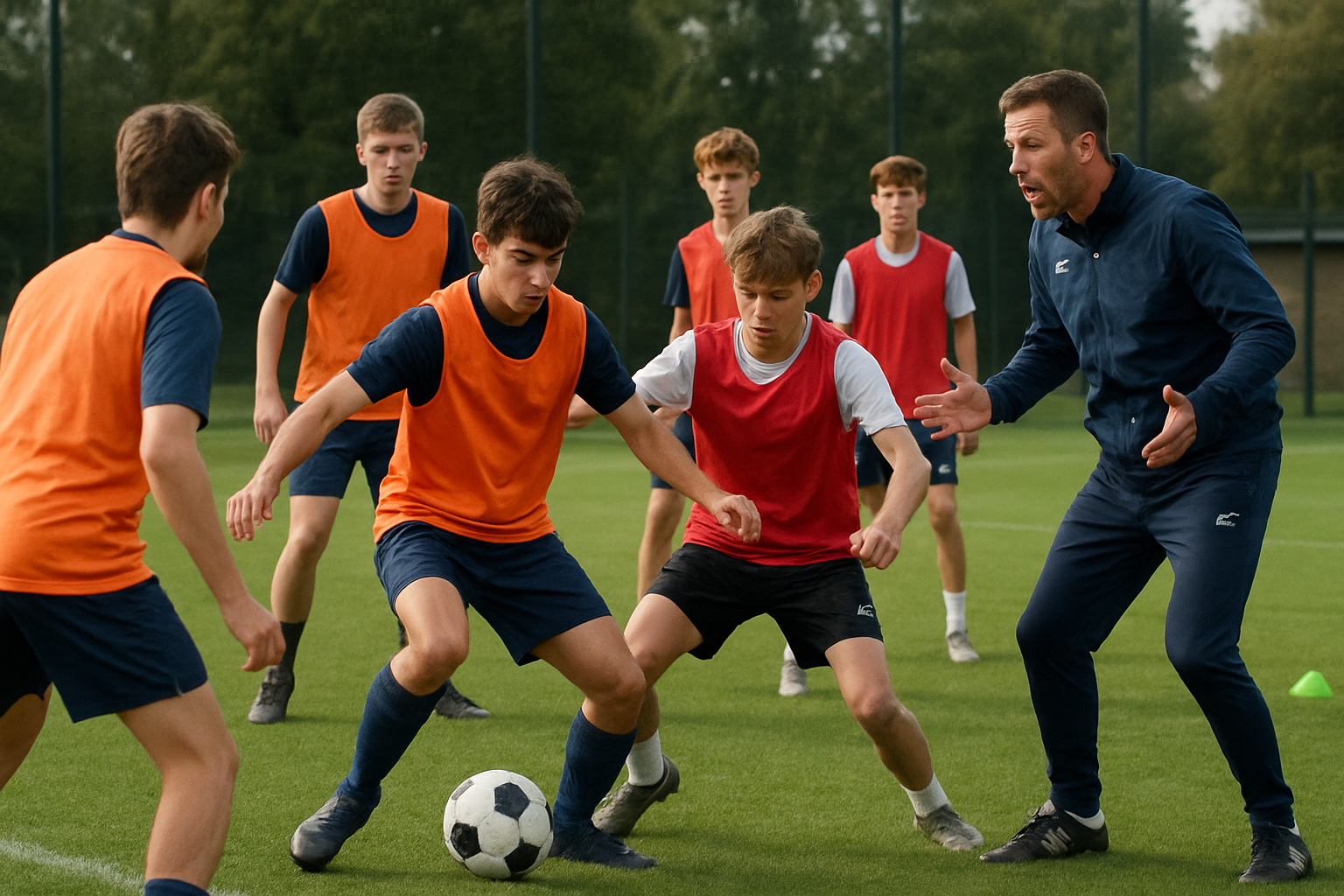
Training in pressure-related drills replicates match-like scenarios, helping players experience and adapt to stress in a controlled environment. Coaches can support by creating structured training systems that progressively increase pressure to build resilience and confidence over time.
Consistent practice under pressure builds confidence; focus and composure come with experience and patience.
Psychological Tips for Football Players to Manage Stress
Stress management for football players includes setting realistic goals and focusing on the learning process rather than only results. Encouraging a growth mindset helps young players accept mistakes as part of development and reduces self-imposed pressure.
Building confidence through repetition and tracking player development progress fosters a sense of achievement. This structured visibility into improvement reduces anxiety in pressure situations in football and promotes consistent performance.
Practical Implementation for Grassroots Clubs
Grassroots clubs should incorporate football match focus techniques and pressure simulation exercises into their regular sessions. This includes small-sided games with time or score limits that create mild stress without overwhelming players.
Clubs benefit from coach education focused on mental preparation emphasizing patience, consistent feedback, and a nurturing environment. This allows players and parents to understand that developing the ability to perform under pressure is a gradual process, embedded within a structured learning pathway.
Common Development Mistakes
A frequent mistake is prioritizing short-term results over mental skill development. This can lead players to focus on avoiding mistakes rather than embracing challenges, which weakens their ability to handle pressure in football matches long term.
Another error is neglecting the role of recovery and reflection, which are essential for mental growth. Without time to process performance and receive constructive feedback, stress accumulates and performance can deteriorate.

Comparison Insight: Training vs Match Performance under Pressure
Training sessions offer a controlled setting to practice stress management and focus, while matches naturally present unpredictable pressure situations. Bridging this gap through deliberate pressure drills helps players transfer mental skills to real competitions effectively.
Consistent tracking of player development during both training and matches using football performance analysis tools supports targeted interventions, reinforcing mental toughness and confidence building for young players throughout their pathway.
Conclusion
Handling pressure in football matches is a learnable skill rooted in structured practice, mental preparation, and supportive environments. Players develop resilience by gradually exposing themselves to stressful situations while maintaining focus techniques, controlled breathing, and positive mindset habits. Coaches and clubs play a crucial role by embedding pressure simulation in training and providing consistent feedback without overemphasizing winning. Parents benefit from understanding the long-term nature of mental growth, encouraging patience and positive reinforcement. Together, this structured approach to mental skills bolsters player development, promoting confidence and consistent performance precisely when it matters most.
What is handling pressure in football matches?
Handling pressure means managing emotions and focus during stressful moments on the pitch to maintain clear thinking and composure.
How to improve handling pressure in football matches?
Practice mental routines like controlled breathing, positive self-talk, and training in pressure-simulated drills to build confidence and resilience.
Why am I not improving my performance under pressure?
Lack of exposure to pressure situations, focusing too much on results, and not managing stress effectively can hinder improvement.
How to train focus and confidence for young football players?
Use structured training systems with gradual pressure increases, track progress, and reinforce positive feedback to build confidence.
Best way to support a young player feeling overwhelmed by pressure?
Provide a patient environment focused on development, encourage growth mindset, and avoid emphasizing mistakes or outcomes excessively.
How long does it take to handle pressure well in football matches?
It varies but typically requires consistent practice, mental skills training, and supportive coaching over months or years to build lasting resilience.
Related Articles
 Read More about Why Some Football Players Improve Faster Than Others (And How to Catch Up)
Why Some Football Players Improve Faster Than Others (And How to Catch Up)
.jpg) Read More about Why Young Footballers Lose Confidence (And How to Rebuild It Step by Step)
Read More about Why Young Footballers Lose Confidence (And How to Rebuild It Step by Step)Why Young Footballers Lose Confidence (And How to Rebuild It Step by Step)
 Read More about Grassroots Football Talent Identification: What Actually Matters for Long-Term Development
Grassroots Football Talent Identification: What Actually Matters for Long-Term Development
Latest Articles
 Read More about How Sports Academies Can Reduce Admin Work for Coaches
How Sports Academies Can Reduce Admin Work for Coaches
 Read More about How to Build Age-Wise Player Development Pathways in Football and Cricket
How to Build Age-Wise Player Development Pathways in Football and Cricket
 Read More about Tournament Management Software for Football and Cricket Organizers: A Practical Guide
Tournament Management Software for Football and Cricket Organizers: A Practical Guide
Ready to Bring Structure to Your Academy?
Let’s walk through your current setup and show you how 8lete can improve it.


