



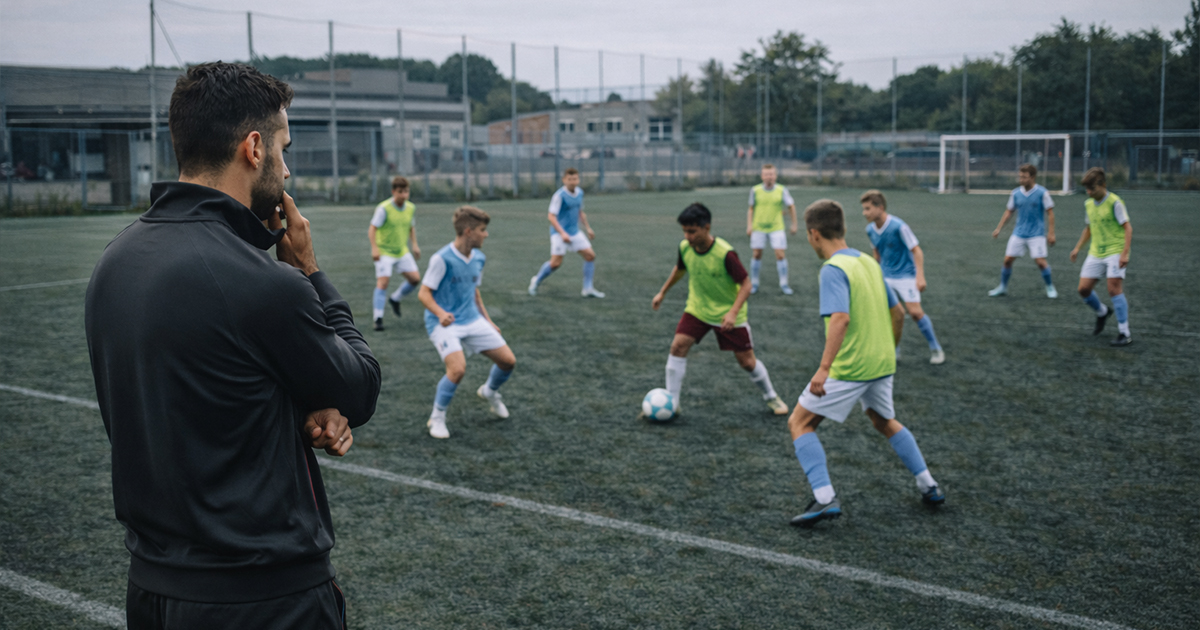
Grassroots Football Talent Identification: What Actually Matters for Long-Term Development
Identifying talent in grassroots football is often seen as the crucial first step to developing future stars. However, many coaches, academies, and parents grapple with knowing which qualities truly matter for long-term player progression. Grassroots football talent identification isn’t just about finding players who shine in games but recognizing those with the capacity to grow technically, mentally, and physically within a structured development environment. This article explores practical approaches to spotting genuine potential and outlines key factors that actually influence sustained football growth.
What is Grassroots Football Talent Identification?
Grassroots football talent identification is the process of observing and assessing young players at the local and academy levels to determine who has the potential to develop into advanced footballers over time, focusing on skills, physical traits, and mental attributes.
It involves a combination of watching matches, monitoring training performances, and understanding player behaviours in varied football contexts. Effective identification prioritizes long-term growth rather than one-off performances.
Key Skills to Look for in Youth Players
Spotting young football talent is more than noticing who can score or run fast. Coaches and scouts need to evaluate foundational technical skills like ball control, passing accuracy, and spatial awareness. These skills form the backbone of player development and are trainable with repetition in well-structured sessions.
Alongside technique, players showing good decision-making under pressure, adaptability during play, and willingness to learn tend to have higher potential. These mental and cognitive traits often separate those who progress from those who stall.

Importance of Physical and Mental Attributes in Football Talent
Physical qualities like agility, balance, coordination, and endurance are important but must be contextualized within age-appropriate expectations. Coaches should avoid overemphasizing early physical maturity, as late developers can catch up with proper training and recovery.
Mental attributes such as focus, resilience, and coachability are equally critical. Players who embrace feedback, maintain discipline during training, and demonstrate consistency often maximize their development potential.
The Role of Coaches in Talent Identification
Coaches serve as the frontline evaluators, making structured observations during training and matches. Their role extends beyond spotting immediate talent to nurturing the player's holistic growth by providing tailored guidance and creating development-friendly conditions.
Understanding each player’s strengths and areas for improvement helps coaches design sessions that promote skill progression, decision-making, and confidence-building. This systematic approach supports clearer talent pathways.
Consistent observation and clear criteria are essential to identify players with true potential.
Best Practices for Scouting Young Players
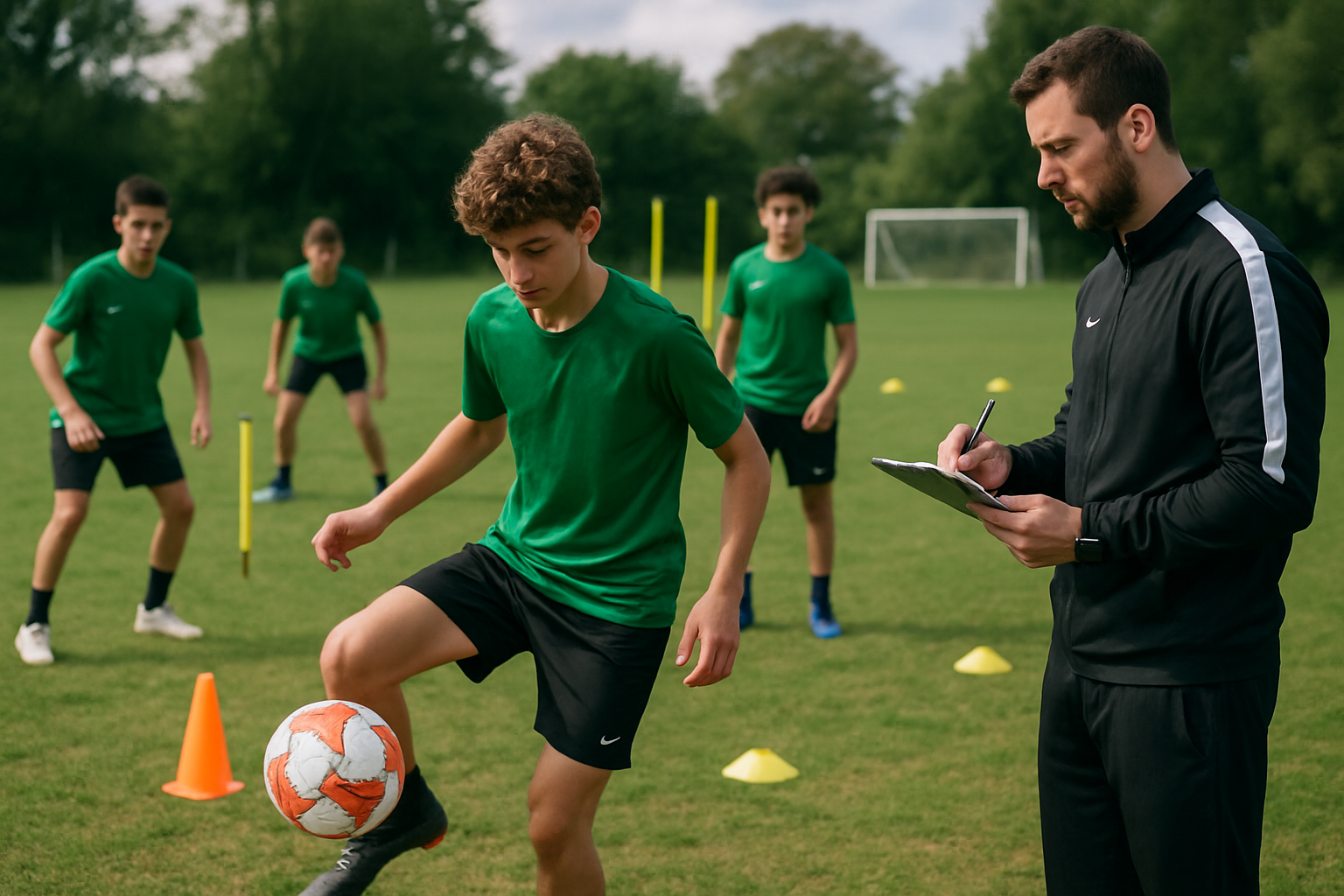
Scouting at grassroots requires consistent, multi-angle assessments combining observation, player interviews, and performance tracking. Using tools like skill checklists, video analysis, and structured drills can improve objectivity.
Building relationships with local clubs and coaches also enhances talent identification by tapping into trusted networks rather than relying on isolated events.
Common Development Mistakes in Talent Identification
A frequent mistake is prioritizing immediate physical dominance or highlight-reel skills over long-term potential. Early success often leads to overlooking those with strong mental resilience and technical foundation.
Another pitfall is inadequate follow-up after initial identification, which results in missed progression opportunities. Structured player development tracking is essential to avoid neglecting late bloomers.
Practical Implementation for Grassroots Clubs
Grassroots clubs can integrate talent identification into their everyday training by adopting clear evaluation criteria emphasizing skills, physical readiness, and mindset. Regular feedback sessions and collaborative coach discussions support more accurate assessments.
Utilizing player development tracking systems and ensuring consistent communication with parents and players creates transparency and encourages commitment from all stakeholders. Clubs should also foster environments where learning and progression outweigh immediate match results.
Guidelines for Grassroots Football Talent Development
Once talent is identified, the focus should shift to nurturing through deliberate practice, structured training frameworks, and progressive challenges. Players benefit from varied drills that develop technical, tactical, physical, and psychological aspects simultaneously.
Clubs and coaches should encourage players to join communities that support learning beyond the pitch, like specialized development platforms and peer feedback groups.
Conclusion
Grassroots football talent identification requires a balanced and patient approach that looks beyond short-term outputs to potential for sustained growth. Coaches, clubs, parents, and players must align on clear criteria centered on skill, mental strength, and physical readiness appropriate to developmental stages. Implementing structured evaluation and monitoring fosters an environment where young footballers have the support and repeated, targeted practice necessary for long-term progression. Avoiding common errors like early physical bias and one-off assessments keeps pathways open for diverse player profiles. By focusing on practical, evidence-based scouting and nurturing methods, grassroots programs build the foundation for footballers who can thrive across years of development. Connecting with broader player development tracking resources can further enhance visibility and growth opportunities in this ecosystem, helping everyone involved make more informed development decisions.
What is grassroots football talent identification?
It is the process of spotting and assessing young players with the potential to develop through organized training and progression pathways.
How do coaches spot young football talent effectively?
Coaches observe technical skills, decision-making, physical readiness, and mental attributes consistently during training and matches for a holistic view.
How to improve football skills at the grassroots level?
Focus on regular, structured practice emphasizing fundamentals like ball control, passing, game understanding, and responding to feedback.
Why am I not improving despite training regularly?
Improvements may plateau without varied challenges, feedback, or structured development plans tailored to your needs.
What are the best practices for scouting young players?
Combine multi-session observations, skill assessments, and building local club networks to identify and track potential effectively.
What skills are most important when evaluating youth football potential?
Technical ability, decision-making, mental resilience, and physical coordination suited to age and development stage are key.
What is the best age to start structured football training?
Many start around age 6-8 with a focus on fun and basic skills; structured training increases in intensity as players mature.

Related Articles
 Read More about How to Measure Football Player Improvement Beyond Just Matches
How to Measure Football Player Improvement Beyond Just Matches
 Read More about How to Train Football Independently: A Guide for Players and Parents
How to Train Football Independently: A Guide for Players and Parents
 Read More about How to Improve Dribbling in Football for Beginners: Simple Drills That Work
How to Improve Dribbling in Football for Beginners: Simple Drills That Work
Latest Articles
 Read More about How Sports Academies Can Reduce Admin Work for Coaches
How Sports Academies Can Reduce Admin Work for Coaches
 Read More about How to Build Age-Wise Player Development Pathways in Football and Cricket
How to Build Age-Wise Player Development Pathways in Football and Cricket
 Read More about Tournament Management Software for Football and Cricket Organizers: A Practical Guide
Tournament Management Software for Football and Cricket Organizers: A Practical Guide
Ready to Bring Structure to Your Academy?
Let’s walk through your current setup and show you how 8lete can improve it.


