



How to Train Football Independently: A Guide for Players and Parents
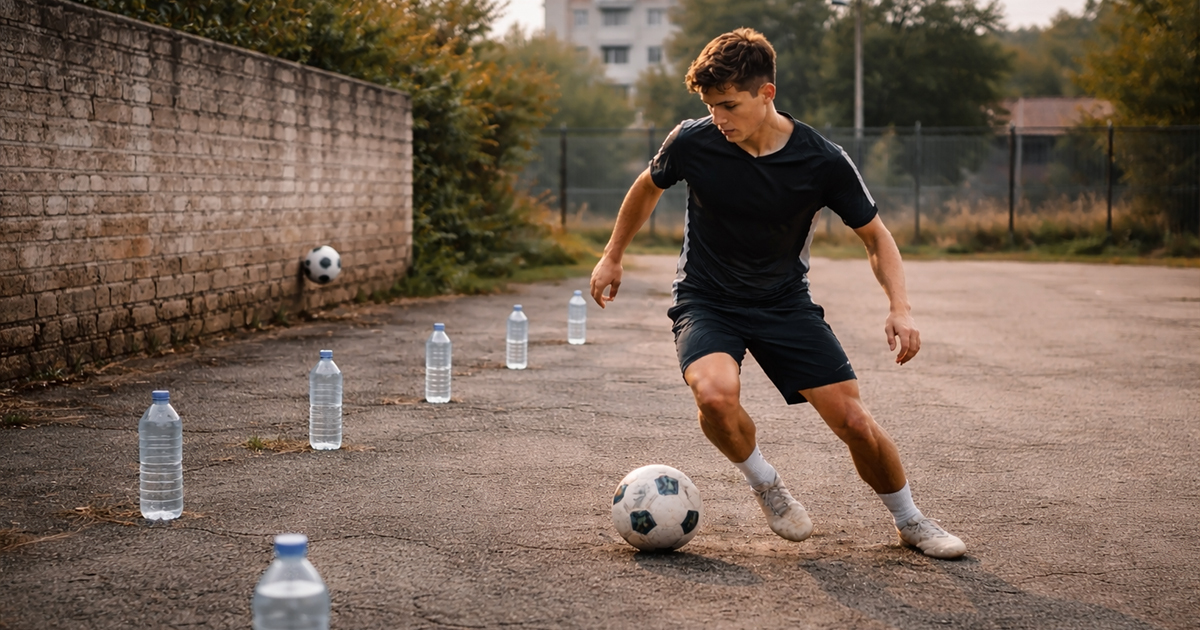
Training football independently means developing your skills, fitness, and understanding of the game without regular access to an academy’s structured program. Many young players and parents face the challenge of limited formal training but still want meaningful progress. This guide offers practical advice on how to train football independently with a focus on consistent, long-term development, helping players build habits and skills that lead to steady improvement.
What Is Independent Football Training?
Independent football training refers to practicing and developing football skills outside of an organized academy or team structure. It involves self-guided drills, personal fitness routines, and reflective learning to improve all aspects of the game.
This approach requires discipline and planning but offers players a chance to take ownership of their development, focusing on areas that need improvement and adapting to their own pace.
Why Train Football Independently?
Limited academy access or disruptions can mean players must find ways to keep developing without regular team sessions. Training independently bridges this gap and maintains progress.
It fosters responsibility and self-awareness, helping players understand their strengths and weaknesses and develop habits that set a strong foundation for future structured training or match environments.
How to Train Football Independently: Key Steps
Set clear goals for what you want to improve — shooting, dribbling, fitness, or tactical understanding. Break these down into smaller, manageable targets.
Create a weekly routine with dedicated time for technical drills, fitness, and recovery. Consistency over time is more effective than irregular bursts of practice.
Basic Framework for Independent Football Training
A structured training framework to follow:
- 1. Warm-up and mobility – Prepare your body and reduce injury risk.
- 2. Technical skill drills – Focus on ball control, passing, shooting, and dribbling.
- 3. Physical conditioning – Endurance, agility, and strength exercises.
- 4. Match simulation – Practice decision-making with small-sided games or solo ball work that mimics game scenarios.
- 5. Cooldown and reflection – Review what worked, what didn’t, and plan next sessions accordingly.
This cycle supports incremental growth and builds resilient habits vital for grassroots football progression.
Consistent, focused routines combined with reflection drive steady football development independently.
Practical Implementation for Grassroots Clubs
Clubs and parents can encourage independent training by providing tailored drill recommendations and supporting structured routines. Sharing resources like self-guided football practice plans helps players stay engaged off the pitch.
Using tools for player development tracking and simple feedback methods encourages accountability and visible progress, helping players feel connected to the larger development system even outside academy sessions.
Solo Football Training Drills to Focus On
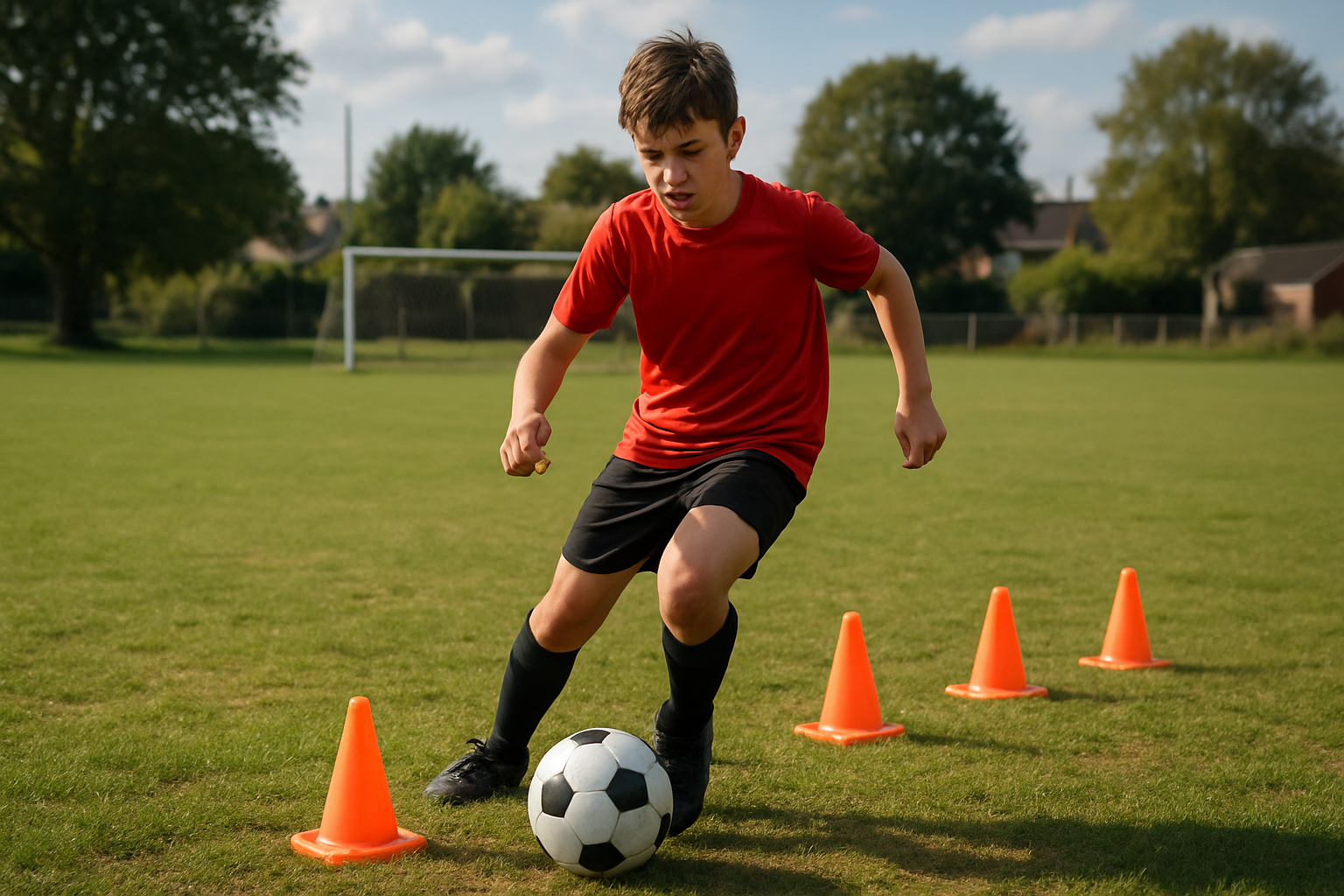
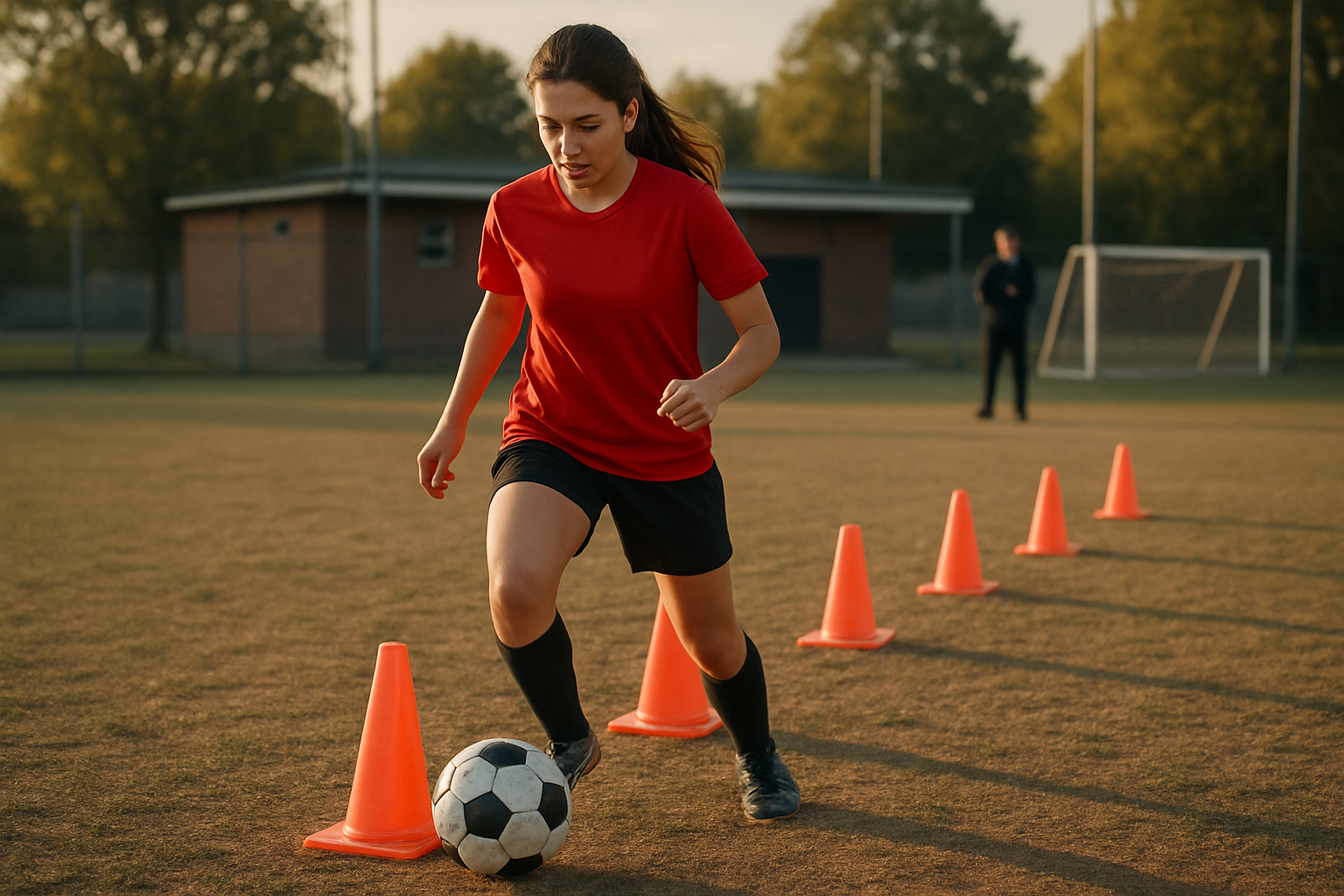
Simple drills such as cone dribbling, wall passing, juggling, and strike practice with a target improve touch, control, and accuracy. Focusing on repetition and gradually increasing difficulty is key.
Fitness elements like shuttle runs, ladder exercises, and bodyweight strength build the physical base needed for better match performance at grassroots level.
Why Players Struggle with Football Training Without an Academy
Players often struggle due to lack of motivation, unclear goals, and inconsistent schedules when training alone. Without external structure, it’s easy to lose focus or fall into ineffective habits.
Parents and coaches can help by reinforcing routines, setting realistic expectations, and using development tracking tools to maintain steady progress and reduce burnout risk.
Common Development Mistakes When Training Independently
Overemphasizing physical work without equal focus on technical skill and decision-making limits true development. It’s important to balance fitness with football-specific activities.
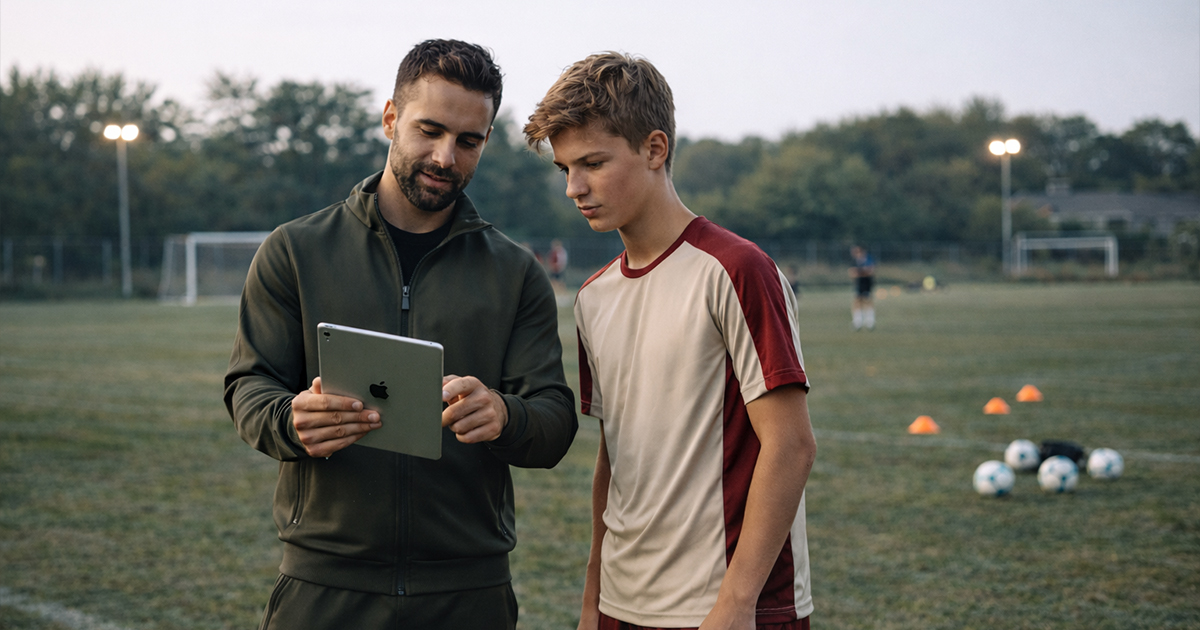
Another common mistake is practicing without feedback or reflection, which can entrench bad habits. Recording sessions or seeking occasional expert input improves growth quality.
Conclusion
Training football independently is challenging but entirely possible with a clear plan, consistent effort, and the right mindset. Players, parents, and grassroots clubs all have roles in supporting this journey by emphasizing structured routines, balanced development, and a reflective approach that prioritizes skill mastery over quick fixes. By focusing on progressive habits and properly sequencing training components, young footballers can continue their growth even outside traditional academy environments. This path builds resilience and self-discipline, crucial traits for long-term football success and enjoyment.
What is independent football training?
Independent football training is practising football skills and fitness outside of formal academy or team sessions using self-guided drills and routines.
How to improve football skills alone?
Focus on consistent ball control drills like dribbling, passing against a wall, and shooting practice along with physical conditioning and reflecting on your progress.
Why am I not improving when training without an academy?
Lack of clear goals, inconsistent practice, and missing feedback often cause slow progress. Setting a structured routine helps maintain steady improvement.
How to train football independently for steady development?
Create a weekly plan combining technical drills, physical fitness, match simulation, and recovery, then track your progress to adjust as needed.
Best football training routine for young players at home?
A routine should include warm-up, ball skills drills, fitness exercises, small-sided or simulated game tasks, and cooldown with reflection time.
Why do players struggle with football training without an academy?
Without academy structure, players may lack motivation, clear targets, or proper guidance, making it hard to train effectively alone.
What is the best age to start training football independently?
Players can start self-guided training with simple drills from around age 10, under parental or coach guidance, gradually building complexity as they grow.
Related Articles
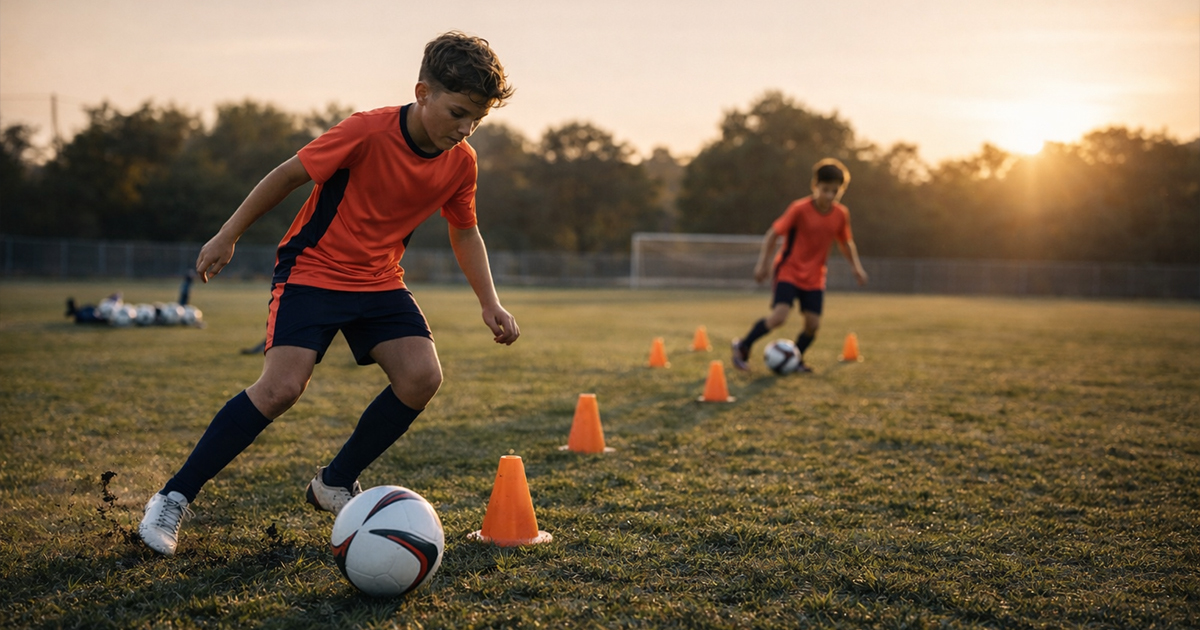 Read More about How to Improve Dribbling in Football for Beginners: Simple Drills That Work
How to Improve Dribbling in Football for Beginners: Simple Drills That Work
 Read More about Overcoming Football Skill Plateaus: What to Do When Your Progress Feels Stuck
Overcoming Football Skill Plateaus: What to Do When Your Progress Feels Stuck
.jpg) Read More about How to Improve Football IQ for Young Players: Practical Steps for Development
Read More about How to Improve Football IQ for Young Players: Practical Steps for DevelopmentHow to Improve Football IQ for Young Players: Practical Steps for Development
Latest Articles
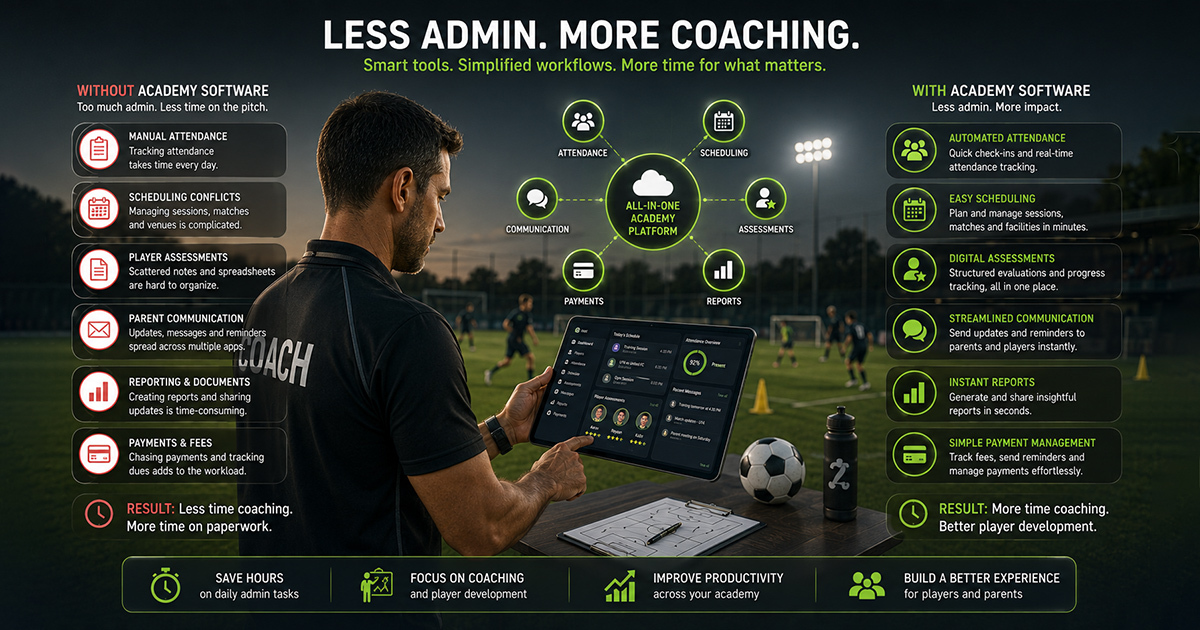 Read More about How Sports Academies Can Reduce Admin Work for Coaches
How Sports Academies Can Reduce Admin Work for Coaches
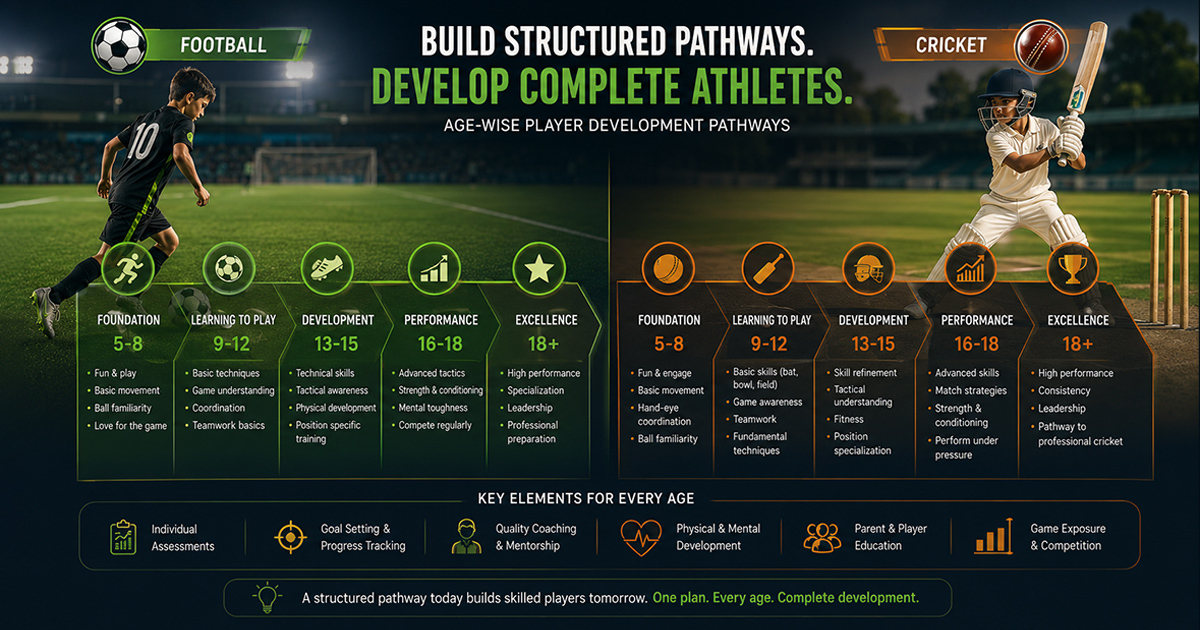 Read More about How to Build Age-Wise Player Development Pathways in Football and Cricket
How to Build Age-Wise Player Development Pathways in Football and Cricket
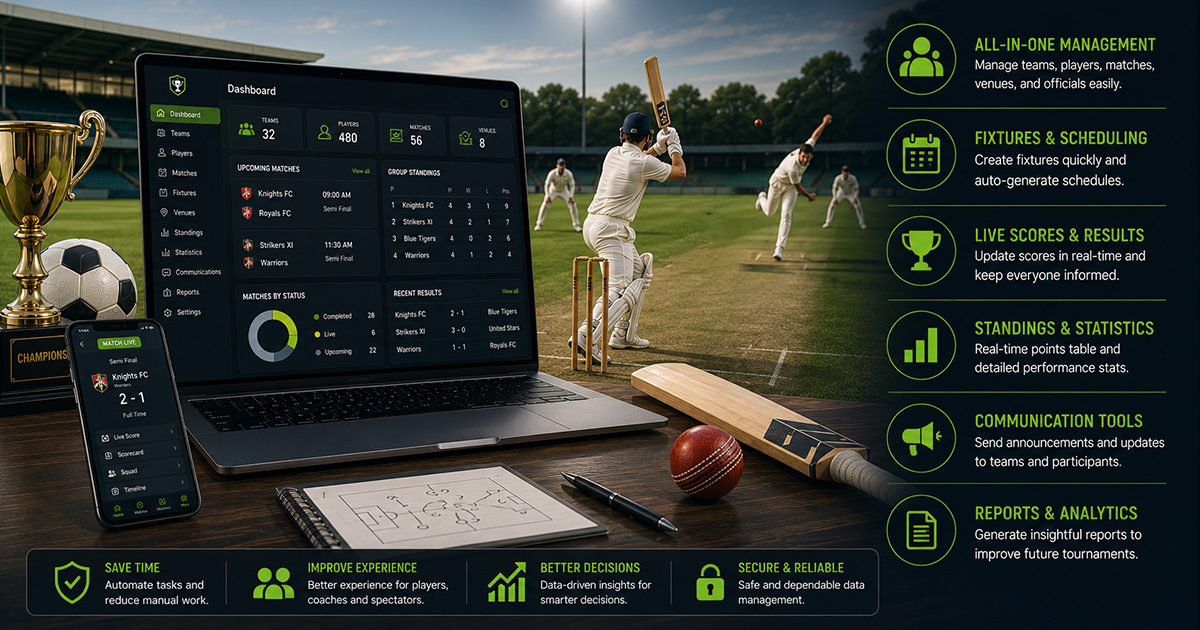 Read More about Tournament Management Software for Football and Cricket Organizers: A Practical Guide
Tournament Management Software for Football and Cricket Organizers: A Practical Guide
Ready to Bring Structure to Your Academy?
Let’s walk through your current setup and show you how 8lete can improve it.


