




Football Injury Prevention for Young Players: A Simple Guide
Football injury prevention for young players is a crucial topic for parents, coaches, and players wanting to keep development on track without setbacks. Injuries can disrupt progress and reduce a child's passion for the game, especially when they could have been avoided with proper care. This guide offers practical insights into common injuries, warm-up routines, hydration, and safe training habits to protect young footballers in grassroots environments.
What is Football Injury Prevention for Young Players?
Football injury prevention for young players involves strategies and practices designed to reduce the risk of physical harm during training and matches. It focuses on preparing the body through warm-ups, using the correct equipment, maintaining good hydration, and promoting safe movement patterns.
These efforts help protect young athletes from injuries like sprains, strains, fractures, and overuse conditions, allowing consistent development and confidence in their football journey.
Common Football Injuries in Young Players
Understanding common football injuries helps coaches and parents recognize warning signs early and apply prevention methods. Typical injuries include ankle sprains, knee ligament strains, muscle pulls, and minor fractures, often caused by poor technique, insufficient warm-up, or sudden impact.
Overuse injuries such as stress fractures or tendonitis can arise from repetitive actions without proper recovery, highlighting the need for structured training programs that balance load and rest.
Why Players Struggle with Injury Prevention
Young players often struggle with injury prevention due to a combination of factors: lack of awareness about safe practices, inconsistent warm-up routines, and sometimes inadequate supervision during training or matches. Additionally, growing bodies are more vulnerable, making tailored approaches necessary.
Parents and coaches may also underestimate the importance of gradual progression in training intensity or fail to emphasize recovery strategies that reduce risk over a long season.
Safe Football Training Techniques for Youth
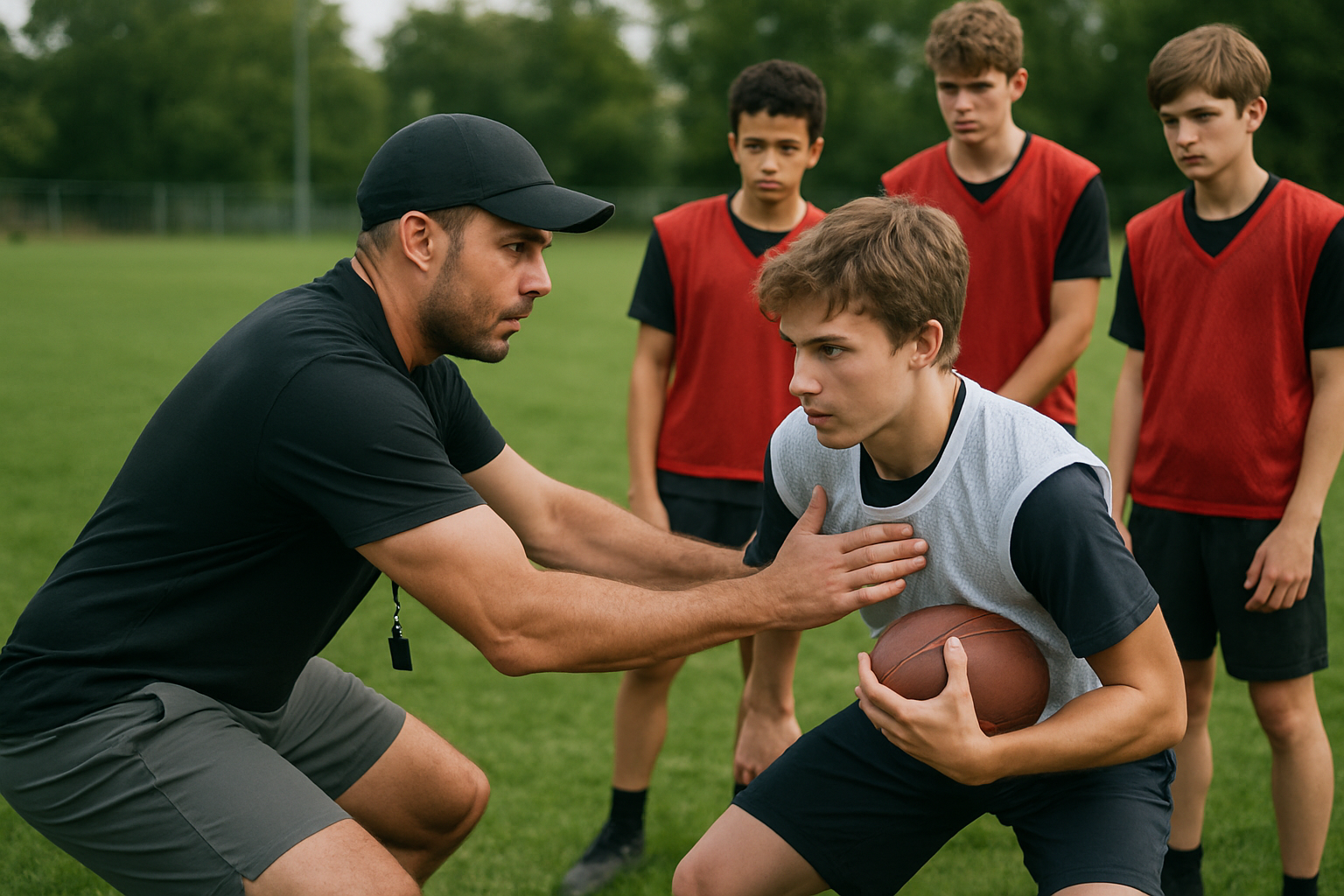
Implementing safe football training techniques improves player resilience and reduces injury chances. This includes encouraging proper running and landing mechanics, controlled tackling drills, and teaching players to listen to their bodies when fatigued or sore.
Structured training systems that integrate skill development with physical conditioning also support long-term health. Coaches can monitor workloads, gradually increasing challenge levels while allowing necessary recovery time.
Parents should support these practices by advocating for rest, balanced nutrition, and communication between players and coaches about any discomfort.
Injury prevention starts with consistent warm-ups and listening to the body’s signals during training.
Football Warm-Up Exercises for Injury Prevention
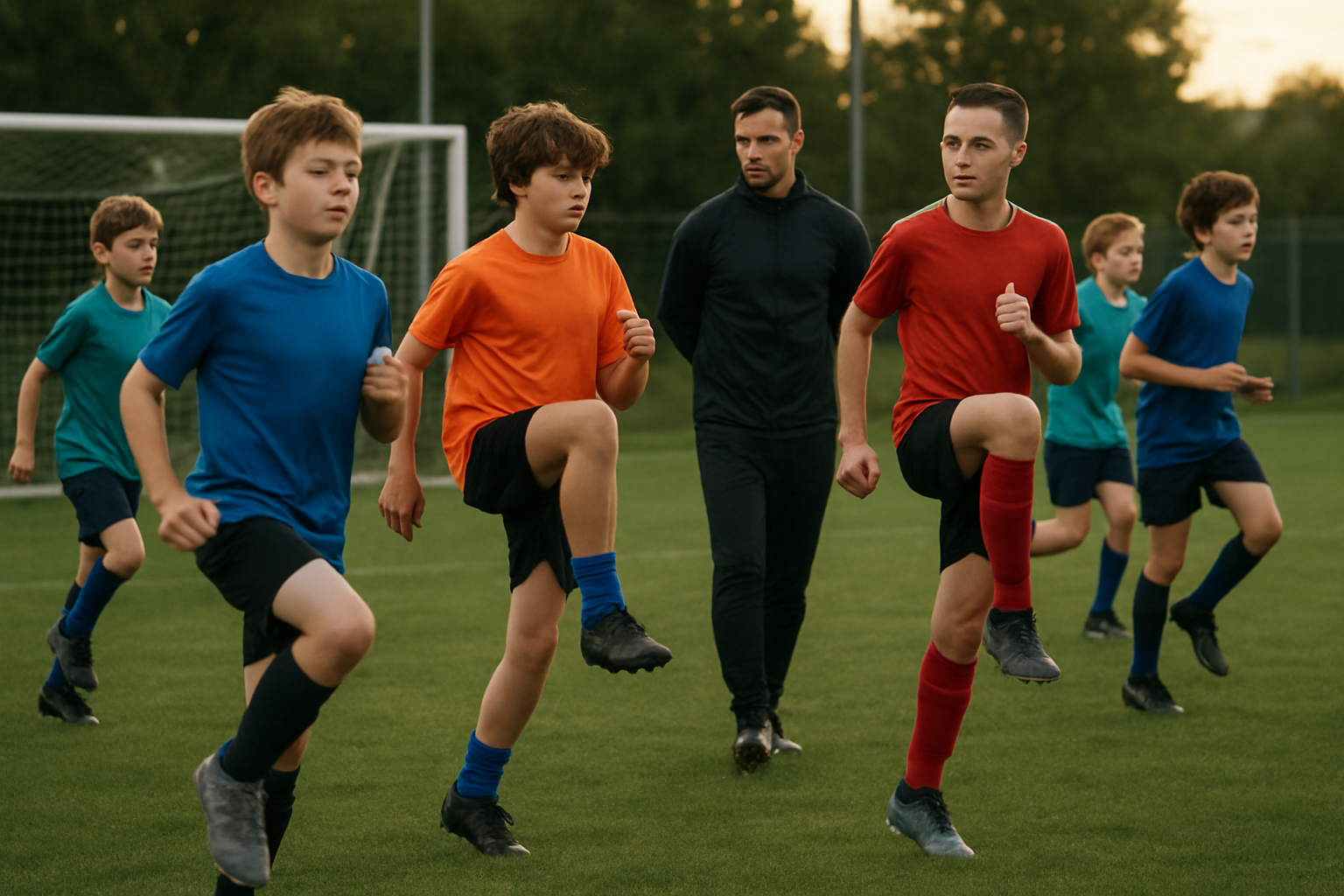
A well-designed warm-up prepares muscles and joints for the stresses of playing football. It should include dynamic movements like jogging, leg swings, high knees, and mobility drills targeting ankles, knees, and hips. This increases blood flow and improves neuromuscular control.
Static stretching before activity should be minimal to avoid muscle relaxation. Instead, save stretching for after training to maintain flexibility without compromising performance or safety.
Importance of Hydration in Youth Football
Hydration plays a critical role in injury prevention by maintaining muscle function and cognitive focus. Young players often underestimate their fluid needs, risking cramps, fatigue, or heat-related issues.
Encourage regular water breaks during training and matches, ideally every 15–20 minutes, and educate players about recognizing early signs of dehydration.
Protective Gear for Young Football Players
Using correct protective equipment is essential for reducing injury risks. This includes properly fitted shin guards, football boots with suitable grip, and appropriate clothing that allows freedom of movement without restriction.
Coaches and parents should regularly check equipment condition and encourage players to wear gear consistently during both training and games.
Practical Implementation for Grassroots Clubs
For grassroots clubs, establishing a culture of injury prevention starts with structured warm-up routines integrated into every session. Coaches should educate players and parents on the importance of hydration, protective gear, and safe techniques.
Tracking player workload and recovery within academy workflows supports balanced progression and reduces burnout. Utilizing player development resources to monitor physical health helps tailor training and minimize risks.
Common Development Mistakes
Common mistakes in football injury prevention include neglecting warm-ups, pushing players too hard too soon, and ignoring early signs of discomfort or fatigue. Overemphasizing winning over health can lead to long-term setbacks.
Parents and coaches should foster open communication with young players about pain or unease and prioritize consistent, gradual development supported by feedback and realistic goals.
Conclusion
Football injury prevention for young players is a foundational part of ensuring long-term development and enjoyment in the game. By focusing on structured warm-up exercises, proper hydration, protective gear, and safe training techniques, coaches, parents, and players create an environment that promotes resilience and minimizes downtime. Avoiding common mistakes such as rushing physical progress or neglecting early warning signs preserves not only a player’s physical health but also their mental confidence and commitment. Ultimately, long-term success in football starts with disciplined, practical care for young bodies, supported by clear communication and consistent development tracking within club systems. This approach keeps players safe, motivated, and ready to progress through each stage of their football journey.
What is football injury prevention for young players?
It involves strategies to reduce risks of injuries during football, focusing on warm-ups, hydration, protective gear, and safe techniques.
How to improve football skills while preventing injuries at home?
Use proper warm-ups, practice controlled movements, avoid overtraining, and maintain hydration to build skills safely.
How to prevent football injuries in kids during training and matches?
Ensure consistent warm-ups, teach safe techniques, encourage hydration, use protective gear, and allow sufficient rest.
Why am I not improving in football despite training regularly?
Injuries or fatigue may limit progress; lack of recovery or improper technique can hinder improvement and increase injury risk.
Why do young players struggle with injury prevention?
Due to lack of awareness, inconsistent routines, and growing bodies needing tailored, gradual training approaches.
What is the best age to start structured football injury prevention habits?
Habits should begin early, from the first years of playing (under 10), to build safe movement and awareness.
How long does it take to recover from a minor football injury in youth football?
Recovery varies, but minor injuries often take 1-3 weeks with proper rest and treatment; rushing can worsen outcomes.


Related Articles
 Read More about How Technology Is Changing Football Scouting in 2026
How Technology Is Changing Football Scouting in 2026
 Read More about How Data Driven Player Development in Football Academies Enhances Growth
How Data Driven Player Development in Football Academies Enhances Growth
 Read More about How to Contact Football Scouts in India Without Being Ignored
How to Contact Football Scouts in India Without Being Ignored
Latest Articles
 Read More about How Sports Academies Can Reduce Admin Work for Coaches
How Sports Academies Can Reduce Admin Work for Coaches
 Read More about How to Build Age-Wise Player Development Pathways in Football and Cricket
How to Build Age-Wise Player Development Pathways in Football and Cricket
 Read More about Tournament Management Software for Football and Cricket Organizers: A Practical Guide
Tournament Management Software for Football and Cricket Organizers: A Practical Guide
Ready to Bring Structure to Your Academy?
Let’s walk through your current setup and show you how 8lete can improve it.


