




How to Use Video Analysis in Grassroots Football Training: A Practical Guide for Coaches and Academies
Video analysis in grassroots football training offers coaches, academies, and players a practical way to improve individual and team performance by providing clear, visual feedback on actions during training and matches. Many coaches struggle with communicating technical and tactical corrections effectively, especially with younger players. Implementing video analysis addresses this challenge by allowing coaches and players to observe and reflect objectively, enhancing learning and development over time.
What Is Video Analysis in Grassroots Football Training?
Video analysis is the method of recording training sessions or matches and reviewing the footage to assess player techniques, decision-making, positioning, and team play. It helps both coaches and players gain a better understanding of strengths and areas needing improvement through visual evidence rather than verbal descriptions alone.
This process is practical even in grassroots environments due to affordable technologies like smartphones and simple editing tools, allowing clubs with limited resources to apply insights meaningfully during structured training.
Benefits of Video Analysis for Grassroots Player Development
Using video in coaching helps improve player discipline by encouraging focus on details that might otherwise be missed during live sessions. It supports mental growth by fostering self-awareness and promoting objective self-assessment. Players can see decisions they made and understand the consequences clearly.
For coaches, video feedback sharpens teaching methods, enabling tailored corrections matched to individual developmental needs. It strengthens structured training by reinforcing repetition through visual cycles of training → feedback → reflection → progression.
Practical Implementation for Grassroots Clubs
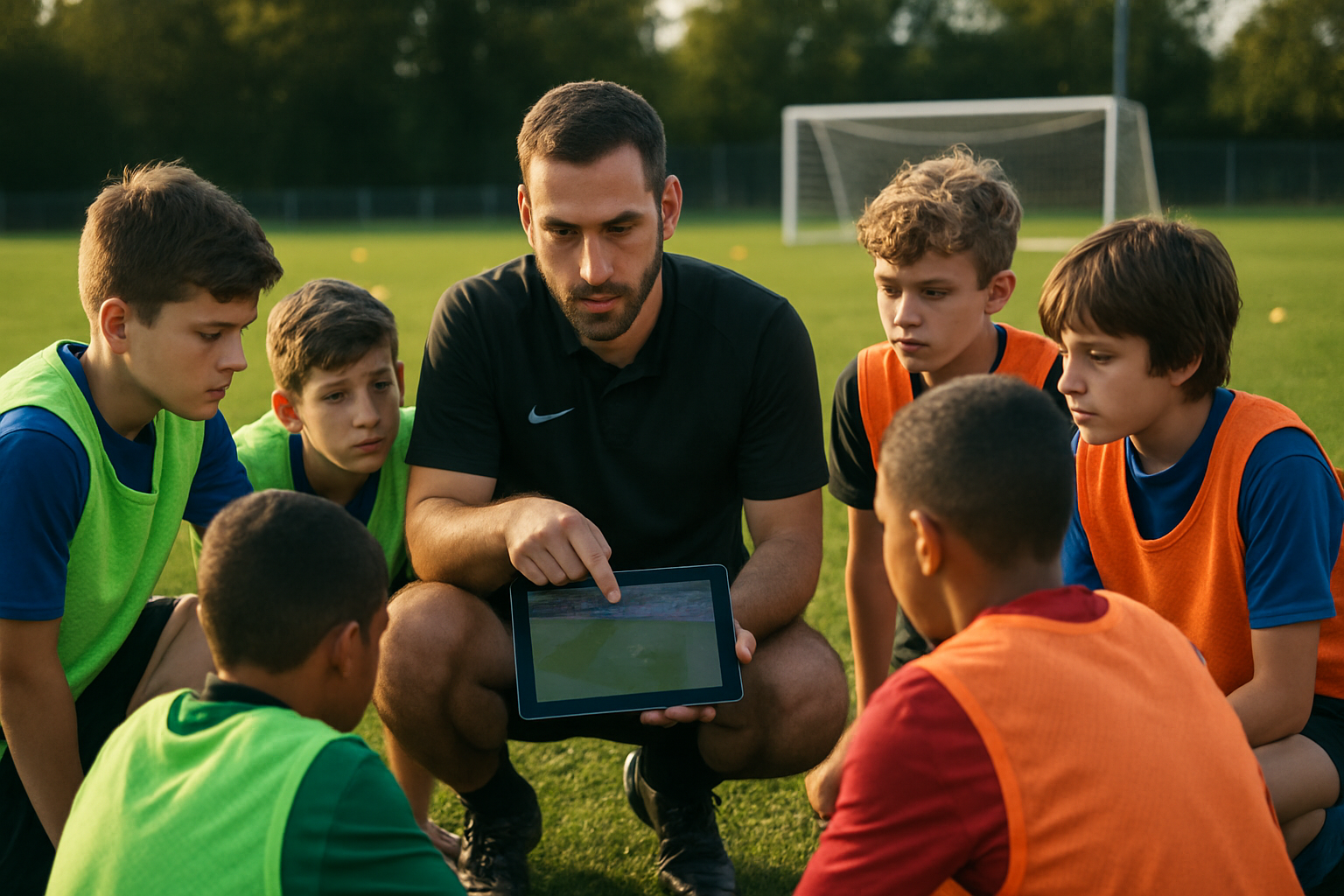
Start by recording simple training drills or match scenarios using common devices like smartphones or tablets. Focus on key moments relevant to your session’s objective, such as ball control, positioning, or decision speed. Keep videos short and focused to maintain attention and make review manageable.
After recording, organize sessions where players watch footage with coaches to discuss observations. Emphasize constructive feedback using specific examples. For academies, integrate video analysis within existing player development tracking systems to systematically monitor progress over weeks and months.
How to Analyze Football Training Videos Effectively
Effective video analysis demands clear focus areas before filming. Coaches should identify specific skills or behaviors they want to evaluate, such as first touch under pressure or spatial awareness.
During review, pause and replay clips to highlight critical moments, encouraging players to articulate what they see. This deepens understanding rather than passive viewing. Using basic tools to mark or annotate can help illustrate tactical points.
Effective video feedback turns observation into actionable development for young players.
Common Development Mistakes When Using Video Analysis
One frequent mistake is overwhelming players with too much footage at once. Grassroots sessions should avoid lengthy video sessions that can reduce attention and motivation. Instead, focus on brief, targeted clips with clear learning goals.
Another error is neglecting to connect video insights directly to future training activities. Feedback must feed into practice by tailoring drills or exercises that reflect observed weaknesses or habits needing correction, supporting structured training systems.
Best Way to Integrate Video Feedback for Young Players
With young players, video feedback should be encouraging and simple. Highlight positives before addressing areas for improvement to maintain confidence. Frequently review progress over time to help players see tangible growth.
Coaches can use session breakdowns showing gradual improvement in skills like passing accuracy or defensive positioning. Parents supporting learning can reinforce these lessons by encouraging safe, off-pitch practice and reflection, contributing to holistic development.
Coaching Technology in Grassroots Football: Tools to Consider
Several affordable football video analysis tools now exist adapted to grassroots needs. They allow straightforward video capture, editing, and sharing within teams or academies. Some offer basic performance metrics like pass completion or movement heatmaps, enhancing football training performance analysis without complexity.
Selecting the right tool depends on your club’s size, coach experience, and player age group. A phased approach works well—begin simple, then gradually introduce more detailed analysis as coaches and players grow comfortable and knowledgeable.
Conclusion
Implementing video analysis in grassroots football training is a proven, accessible way to boost player learning and coach effectiveness in real football environments. Consistent use supports structured development by turning subjective observations into objective insights that players and coaches can act on. When integrated thoughtfully, video feedback improves decision-making, technical skills, and mental understanding while maintaining a positive learning atmosphere. Coaches and academies aiming for long-term player progress benefit most when video is part of a wider workflow that includes regular feedback, tailored drills, and performance monitoring. This balanced approach clarifies development pathways and encourages players to take ownership of their improvement journey.
What is video analysis in grassroots football training?
Video analysis involves recording training or matches and reviewing footage to assess player techniques and team play for development.
How can I improve my football skills using video feedback?
Watch focused clips of your play to identify strengths and areas to improve. Use coach feedback to guide targeted practice drills.
Why am I not improving despite regular training?
Lack of structured feedback and reflection can stall progress. Using tools like video analysis helps identify what adjustments are needed.
How do coaches structure video analysis sessions effectively?
Coaches set clear focus areas, use short clips, encourage player discussion, and link observations to future training drills.
What is the best age to start using video for football training?
Players around U10 and older can benefit from simple video feedback, with sessions adapted to keep it encouraging and manageable.
How to analyze football training videos to maximize learning?
Pause and replay key moments, discuss with players what happened and why, and use annotations to emphasize tactical or technical points.
How long does it typically take to see progress using video analysis?
With consistent use and focused feedback, measurable improvement can appear within a few weeks to months depending on training intensity.


Related Articles
 Read More about Building Football Team Culture: How Coaches Can Create a Positive Environment Players Truly Value
Building Football Team Culture: How Coaches Can Create a Positive Environment Players Truly Value
 Read More about Football Coaching Licenses in India: Full Pathway Explained
Football Coaching Licenses in India: Full Pathway Explained
 Read More about Managing Mixed Skill Levels in Youth Football Teams: A Practical Guide for Coaches
Managing Mixed Skill Levels in Youth Football Teams: A Practical Guide for Coaches
Latest Articles
 Read More about How Sports Academies Can Reduce Admin Work for Coaches
How Sports Academies Can Reduce Admin Work for Coaches
 Read More about How to Build Age-Wise Player Development Pathways in Football and Cricket
How to Build Age-Wise Player Development Pathways in Football and Cricket
 Read More about Tournament Management Software for Football and Cricket Organizers: A Practical Guide
Tournament Management Software for Football and Cricket Organizers: A Practical Guide
Ready to Bring Structure to Your Academy?
Let’s walk through your current setup and show you how 8lete can improve it.


