



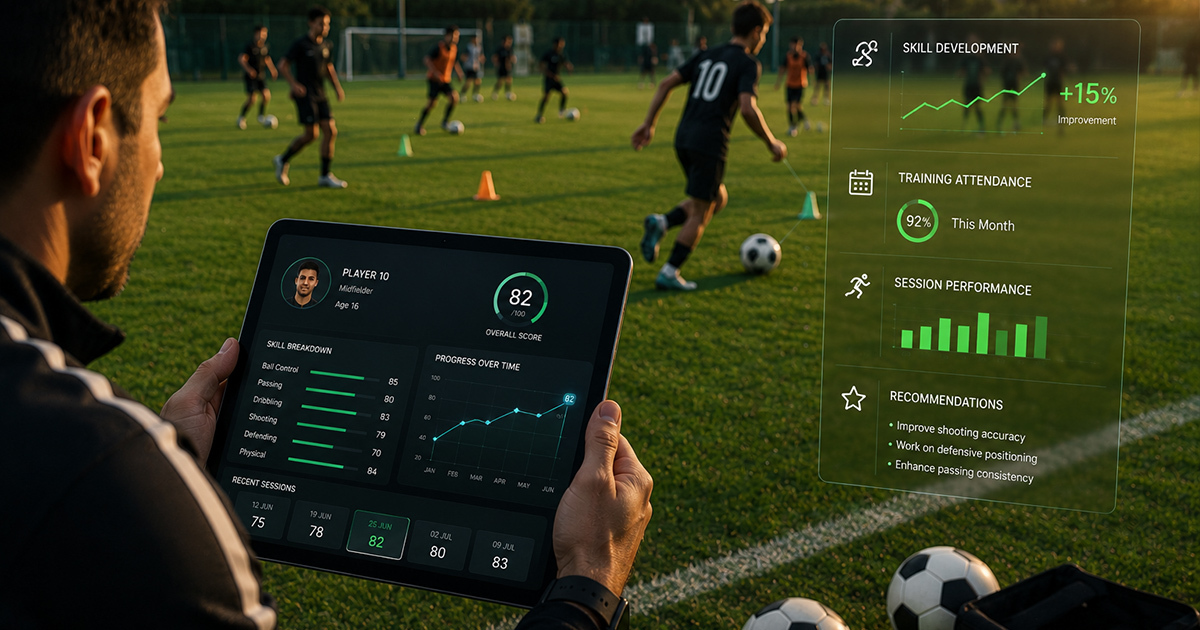
Football Player Assessment App: How Coaches Can Track Skill Development
A football player assessment app is a digital tool that helps coaches systematically track skill development, monitor performance, and provide feedback for young players. Coaches and parents often struggle to maintain consistent, objective records of a player's growth, which is essential for long-term progress. This article explores practical ways coaches can use such an app to implement structured evaluation, improve training quality, and communicate progress effectively within grassroots football environments.
Defining the Role of a Football Player Assessment App
A football player assessment app acts as a centralized platform where coaches record skill evaluations, attendance, training feedback, and match observations, enabling clear, data-driven tracking of player progress.
Such an app solves common problems like scattered notes, subjective memory-based evaluations, and delayed communication with parents, making development decisions clearer and more consistent over time.
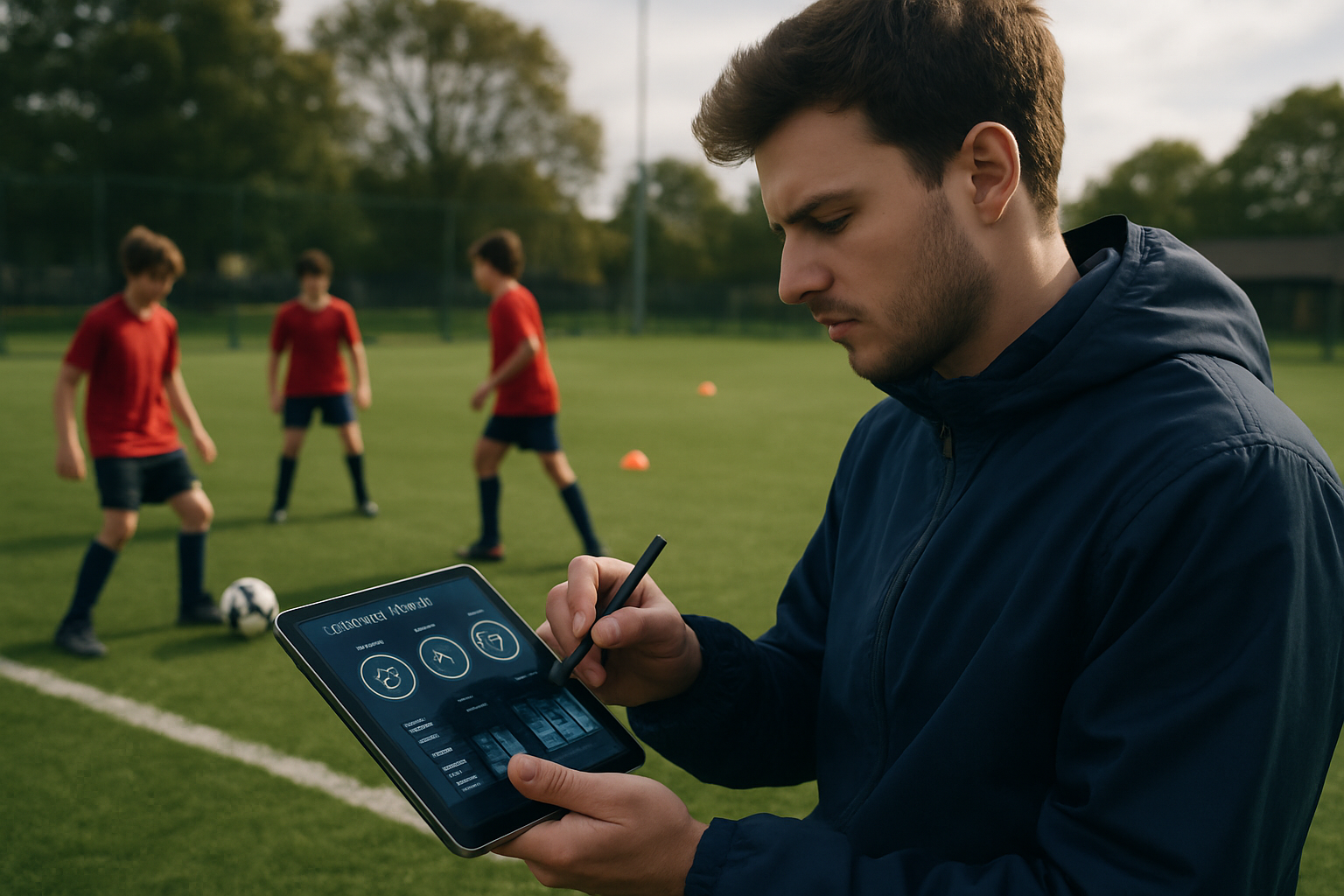
A Practical Framework for Using a Football Player Assessment App Effectively
To maximize the benefits of a football player assessment app, coaches should follow this practical framework:
1. Define Clear Skill Criteria: Establish specific skills to assess such as first touch, passing accuracy, decision-making, positioning, and finishing. Clear categories avoid vague or inconsistent evaluations.
2. Regular and Consistent Assessments: Schedule weekly or biweekly player assessments during training sessions or matches to maintain an up-to-date skill snapshot and track development trends.
3. Use Quantitative and Qualitative Data: Combine measurable metrics (e.g., pass completion %) with coach observations (e.g., positioning awareness) for a fuller picture.
4. Provide Immediate and Constructive Feedback: Use the app to share assessment insights promptly with players and parents, emphasizing actionable areas and strengths to encourage focused practice.
5. Integrate Attendance and Training Load: Linking attendance records with assessment results helps identify if absences affect performance or if training volume needs adjustment.
6. Collaborate with Other Coaches: Share assessment notes through the app to ensure consistency in coaching approaches and unified development plans.
7. Review and Adjust Development Goals: Use the collected data to update player goals at monthly or quarterly intervals, keeping targets realistic and growth-focused.
How Coaches Can Track Skill Development Using the App
Coaches can systematically track each player's technical, tactical, physical, and psychological skills by recording session observations and match performance directly in the app. For example, during a passing drill, a coach might rate a player’s accuracy and decision speed, then compare these ratings week over week.
During match reviews, coaches can assess positioning and off-ball movement complementing training data. This structured approach uncovers patterns like consistent improvement or areas needing extra focus, allowing tailored practice plans.
Practical checklist
Use this checklist to ensure effective deployment and use of a football player assessment app:
- ✔ Are clear skill categories and criteria defined within the app?
- ✔ Is player attendance linked with assessment data?
- ✔ Are assessments conducted regularly and documented promptly?
- ✔ Does the app support combined quantitative and qualitative data entry?
- ✔ Is feedback shared with players and parents soon after assessment?
- ✔ Are multiple coaches contributing to and reviewing player data?
- ✔ Are progress reports generated at regular intervals for long-term tracking?
- ✔ Is there a system to flag players needing extra development focus?
- ✔ Are player goals updated based on data insights?
- ✔ Is the app integrated into session planning and player management workflows?
Role-wise Guidance: Players, Coaches, Parents, and Academy Owners
Players: Focus on the specific skill areas highlighted in the app’s feedback. Use the data to self-monitor your consistency in training and matches. For example, note when your first touch rating improves and align practice accordingly.
Coaches: Observe and record precise metrics and impressions during sessions and matches. Use the app to maintain objective records rather than relying on memory. Coordinate with other coaches to provide consistent messages and share assessment results.
Parents: Understand that development is gradual and based on multiple skills. Use the app’s reports to engage in meaningful conversations with coaches about your child’s progress, rather than focusing solely on short-term match outcomes.
Academy Owners: Implement workflows in the app that integrate attendance tracking, session planning, and assessment. Use collected data to analyze academy-wide performance trends and identify training program gaps or player dropout risks.
Consistent tracking and structured feedback are the foundation of meaningful player development.
Age-wise Implementation Plan for Football Player Assessment Apps
U8–U10: Focus on basic coordination, ball control, and understanding simple instructions. Use short, visual assessments to keep young players engaged and track fundamental skills.
U11–U13: Begin structured skill tracking on passing, dribbling, and positioning. Regular assessments should highlight technique consistency and decision-making in small-sided games.
U14–U16: Increase tactical awareness components such as scanning and movement off the ball. Coaches should use app data to tailor training loads and position-specific development.
U17+: Emphasize performance review and mental strength tracking. Use detailed match analysis from the app to refine finishing, pressing, and match awareness skills.
Three Concrete Grassroots Examples of Assessment App Usage
1. A coach uses the app during weekly training to mark passing accuracy and decision-making speed for a U13 batch. Over two months, the app shows gradual improvement correlating with dedicated passing drills implemented after initial assessments.
2. During match day, the coach records off-ball movement and pressing effectiveness via mobile app notes. The data leads to assigning specific conditioning targets during the week to improve player stamina.
3. A parent consults app-generated progress reports to understand why their U10 player’s match contributions appear inconsistent but training attendance and coaching notes suggest steady improvement in ball control, reinforcing confidence in the academy’s methods.
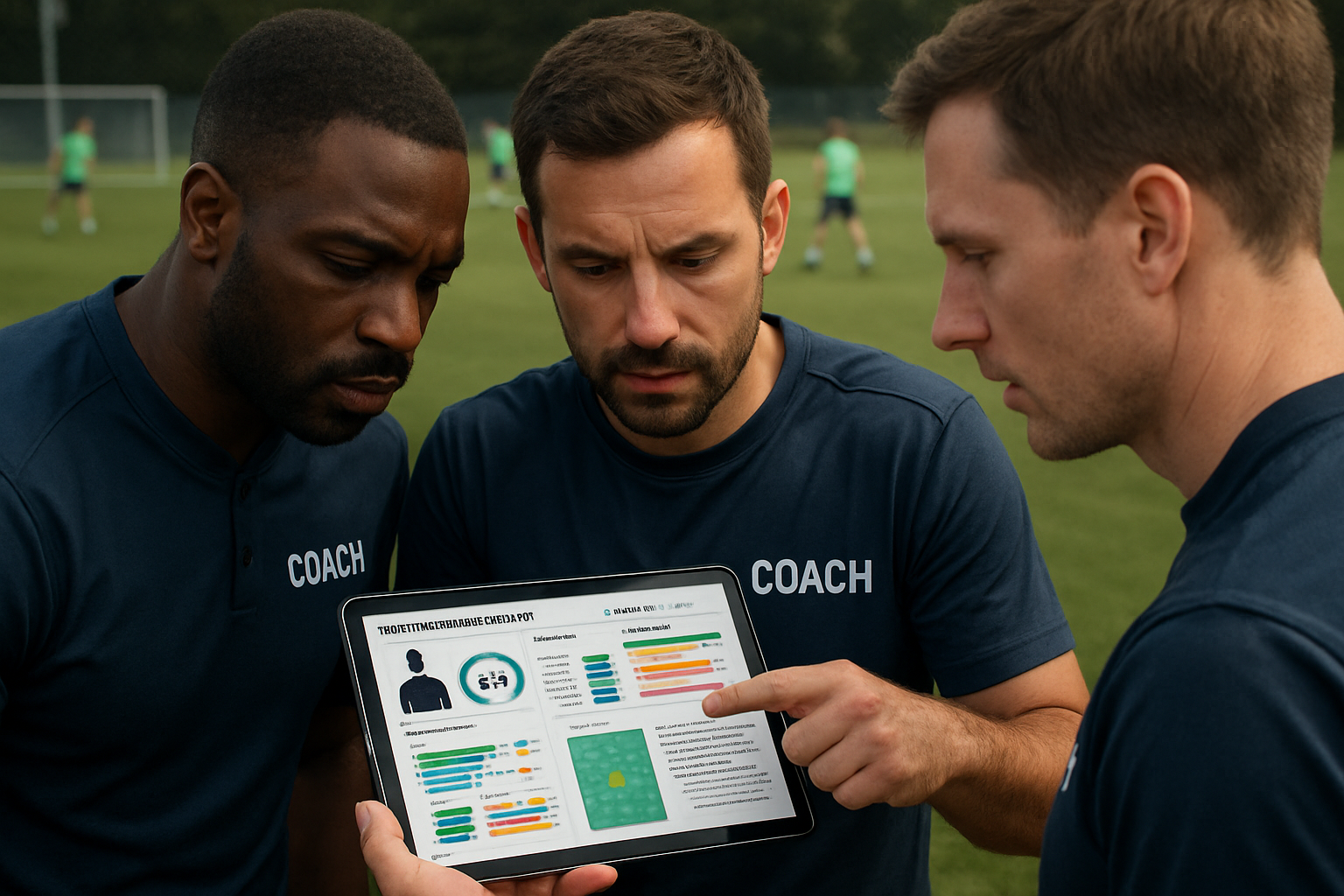
Common mistakes
1. Irregular or Infrequent Assessments: Skipping consistent evaluations leads to unreliable data. Fix: Schedule and adhere to regular assessment sessions, even quick reviews during training.
2. Relying Only on Subjective Impressions: Purely memory-based feedback causes biases. Fix: Use mixed quantitative metrics and clear skill categories in the app for objective tracking.
3. Poor Communication with Parents: Lack of timely feedback creates misunderstanding. Fix: Share concise, actionable reports regularly to keep parents informed and engaged.
4. Overlooking Attendance Correlation: Ignoring attendance impacts reduces data insight quality. Fix: Integrate attendance tracking with assessments to understand development barriers.
5. Not Using Data to Adjust Training: Collecting data but not acting on it wastes effort. Fix: Review app findings monthly to update individualized training goals and session plans.
8lete-Aligned Workflow for Football Player Assessment
An effective workflow to utilize a football player assessment app aligns with structured grassroots development principles:
Session Planning → Attendance Marking → Skill Assessment Entry → Coach Note & Feedback → Parent Progress Report → Goal Setting for Next Session
This sequence ensures that every session is documented, player presence is recorded, observations are timely logged, feedback reaches stakeholders, and development goals remain focused and updated.
FAQ
Q1: What is a football player assessment app?
A football player assessment app is a digital tool used by coaches to systematically track and evaluate player skills, performance, attendance, and development indicators to support structured growth over time.
Q2: How can coaches improve player performance using skill tracking apps?
Coaches can identify strengths and gaps through frequent, data-driven assessments and tailor training sessions, drills, and feedback to address specific needs highlighted by the app’s reports.
Q3: Why am I not seeing improvement despite regular training?
Lack of structured feedback and objective measurement often hides development issues. Tracking attendance, skill progress, and coach feedback helps identify plateaus or training inefficiencies to address.
Q4: How to communicate player progress effectively to parents?
Use the app’s progress reports focusing on measurable skill improvements and training consistency, accompanied by coach notes that set realistic expectations and next steps.
Q5: What age is best to start using player assessment apps?
While formal assessments can begin as early as U8–U10 focusing on basics, more detailed tracking is effective from U11–U13 when players handle structured feedback and can engage in goal-setting.
Q6: How long does consistent skill tracking take to reflect improvement?
With regular assessments and targeted training, noticeable improvement can appear within 6 to 8 weeks, but long-term growth requires ongoing tracking and adjustment.
Q7: Can an assessment app replace verbal coaching?
No, the app supplements verbal coaching by providing objective data and structured records but live feedback during sessions remains essential for nuanced player development.
Conclusion
Utilizing a football player assessment app reshapes how coaches approach skill development by making evaluation systematic, objective, and transparent. For players, it means receiving targeted feedback that aligns with clear goals. Parents gain valuable insights, reducing misunderstandings and fostering supportive involvement. Academy owners, meanwhile, benefit from data-driven oversight of training programs and player progress, leading to better retention and trust. Ultimately, success in grassroots football depends not just on effort, but on consistent tracking, meaningful assessment, and structured communication—all enabled effectively by well-integrated digital tools. Embracing such an app is a step towards long-term development rooted in discipline, feedback, and clear progress visibility, delivering benefits well beyond individual matches or tournaments.
What is a football player assessment app?
A football player assessment app is a digital tool used by coaches to systematically track and evaluate player skills, performance, attendance, and development indicators to support structured growth over time.
How can coaches improve player performance using skill tracking apps?
Coaches can identify strengths and gaps through frequent, data-driven assessments and tailor training sessions, drills, and feedback to address specific needs highlighted by the app’s reports.
Why am I not seeing improvement despite regular training?
Lack of structured feedback and objective measurement often hides development issues. Tracking attendance, skill progress, and coach feedback helps identify plateaus or training inefficiencies to address.
How to communicate player progress effectively to parents?
Use the app’s progress reports focusing on measurable skill improvements and training consistency, accompanied by coach notes that set realistic expectations and next steps.
What age is best to start using player assessment apps?
While formal assessments can begin as early as U8–U10 focusing on basics, more detailed tracking is effective from U11–U13 when players handle structured feedback and can engage in goal-setting.
How long does consistent skill tracking take to reflect improvement?
With regular assessments and targeted training, noticeable improvement can appear within 6 to 8 weeks, but long-term growth requires ongoing tracking and adjustment.
Can an assessment app replace verbal coaching?
No, the app supplements verbal coaching by providing objective data and structured records but live feedback during sessions remains essential for nuanced player development.
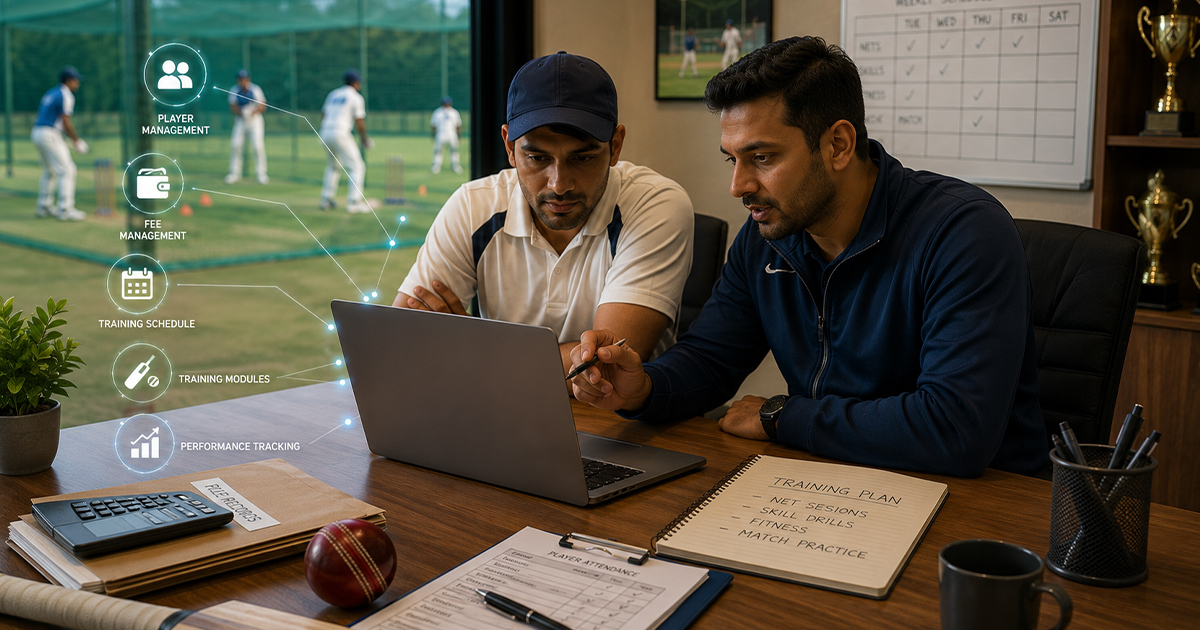
Related Articles
 Read More about Cricket Player Assessment App: How Academies Can Track Batting, Bowling and Fielding
Cricket Player Assessment App: How Academies Can Track Batting, Bowling and Fielding
 Read More about AI Sports Skill Assessment: How Technology Can Measure Player Skills Better
AI Sports Skill Assessment: How Technology Can Measure Player Skills Better
 Read More about AI Player Assessment Software: Transforming Player Development in Football and Cricket Academies
AI Player Assessment Software: Transforming Player Development in Football and Cricket Academies
Latest Articles
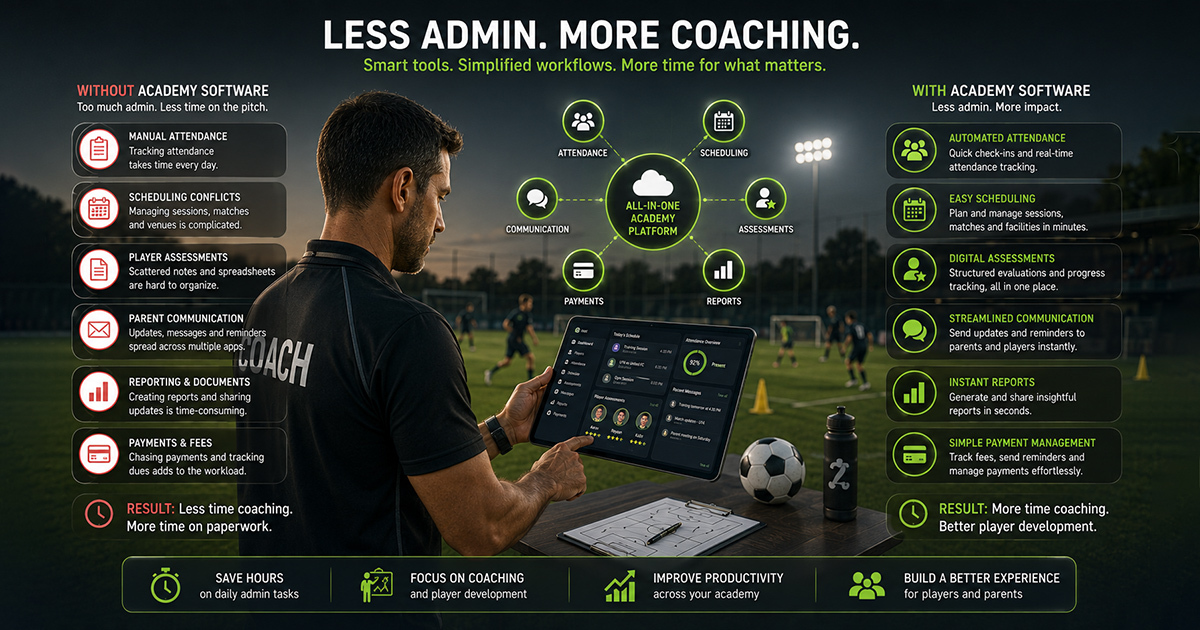 Read More about How Sports Academies Can Reduce Admin Work for Coaches
How Sports Academies Can Reduce Admin Work for Coaches
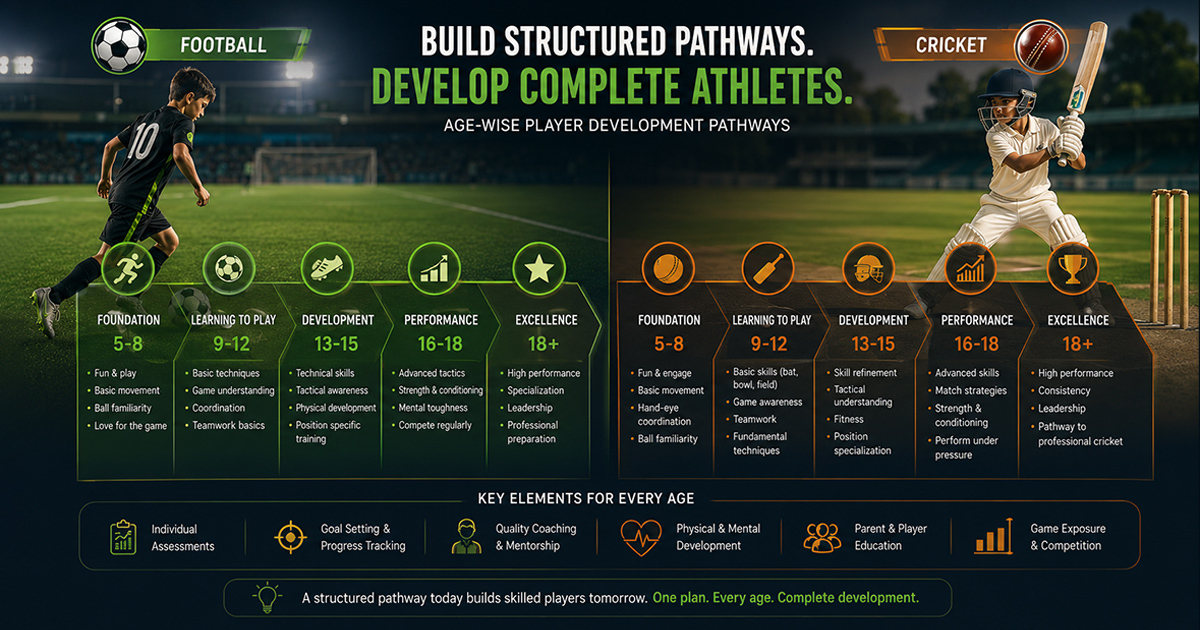 Read More about How to Build Age-Wise Player Development Pathways in Football and Cricket
How to Build Age-Wise Player Development Pathways in Football and Cricket
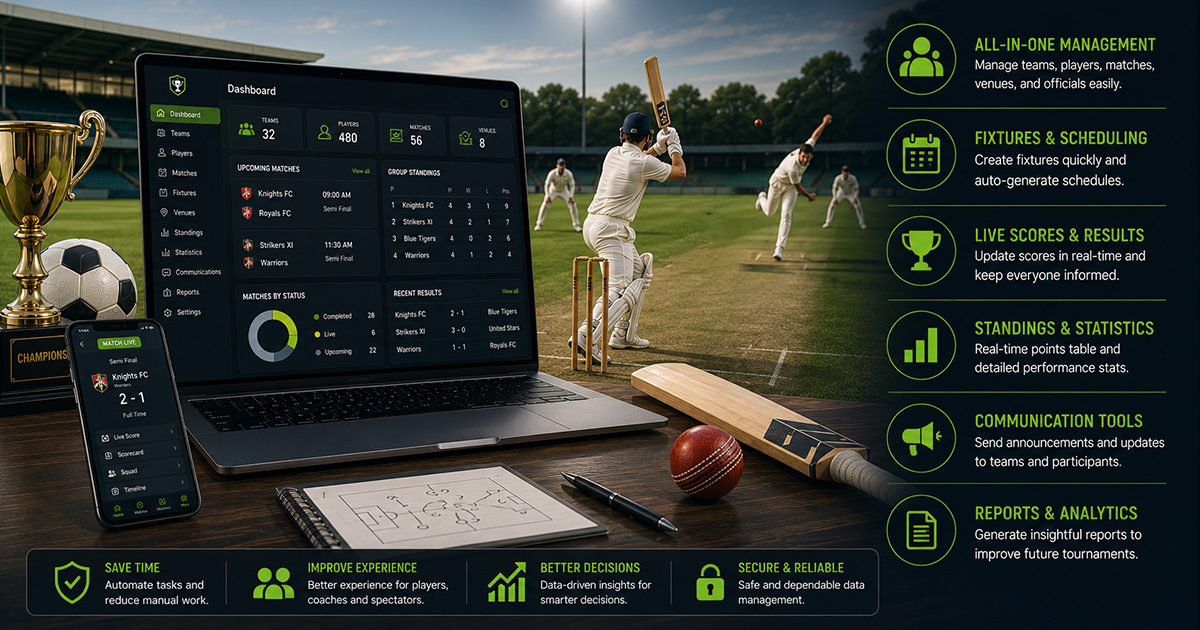 Read More about Tournament Management Software for Football and Cricket Organizers: A Practical Guide
Tournament Management Software for Football and Cricket Organizers: A Practical Guide
Ready to Bring Structure to Your Academy?
Let’s walk through your current setup and show you how 8lete can improve it.


