



How to Build Age-Wise Player Development Pathways in Football and Cricket
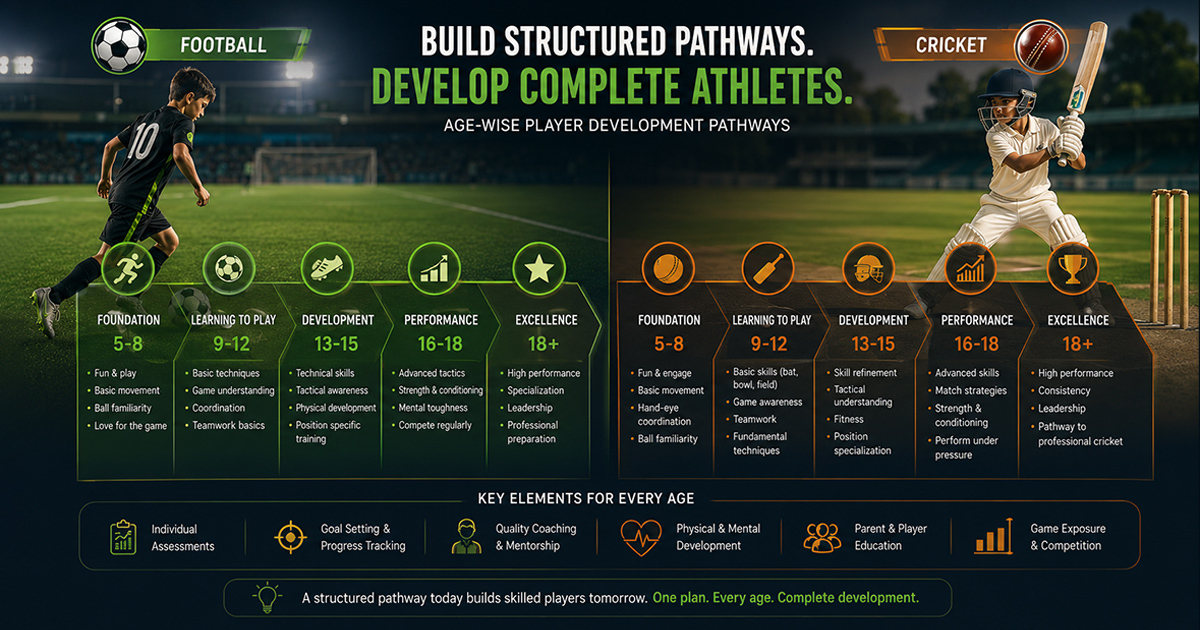
Age-wise player development pathways define the structured progression of skills, habits, and physical growth tailored to specific age groups in football and cricket. Grassroots academies, coaches, and players often struggle with designing these pathways, leading to inconsistent development and missed potential. This article provides practical, age-specific frameworks and actionable insights on how to build effective development pathways—from foundational skills at younger ages to advanced tactical understanding in older groups—ensuring consistent growth through clear goals, disciplined training, coach feedback, and parent communication.
What Are Age-Wise Player Development Pathways?
Age-wise player development pathways are structured progression plans that map the essential skills, physical conditioning, and mental attributes players need to develop at specific age brackets. These pathways help ensure training is appropriate, progressive, and connected to long-term growth in football and cricket.
By aligning training methods and expectations with biological and skill development stages, academies and coaches can avoid gaps or overloads, improving talent nurturing and retention. For players, these pathways provide clear milestones and focused practice areas, improving motivation and understanding of their growth journey.
A Practical Framework for Building Age-Wise Pathways
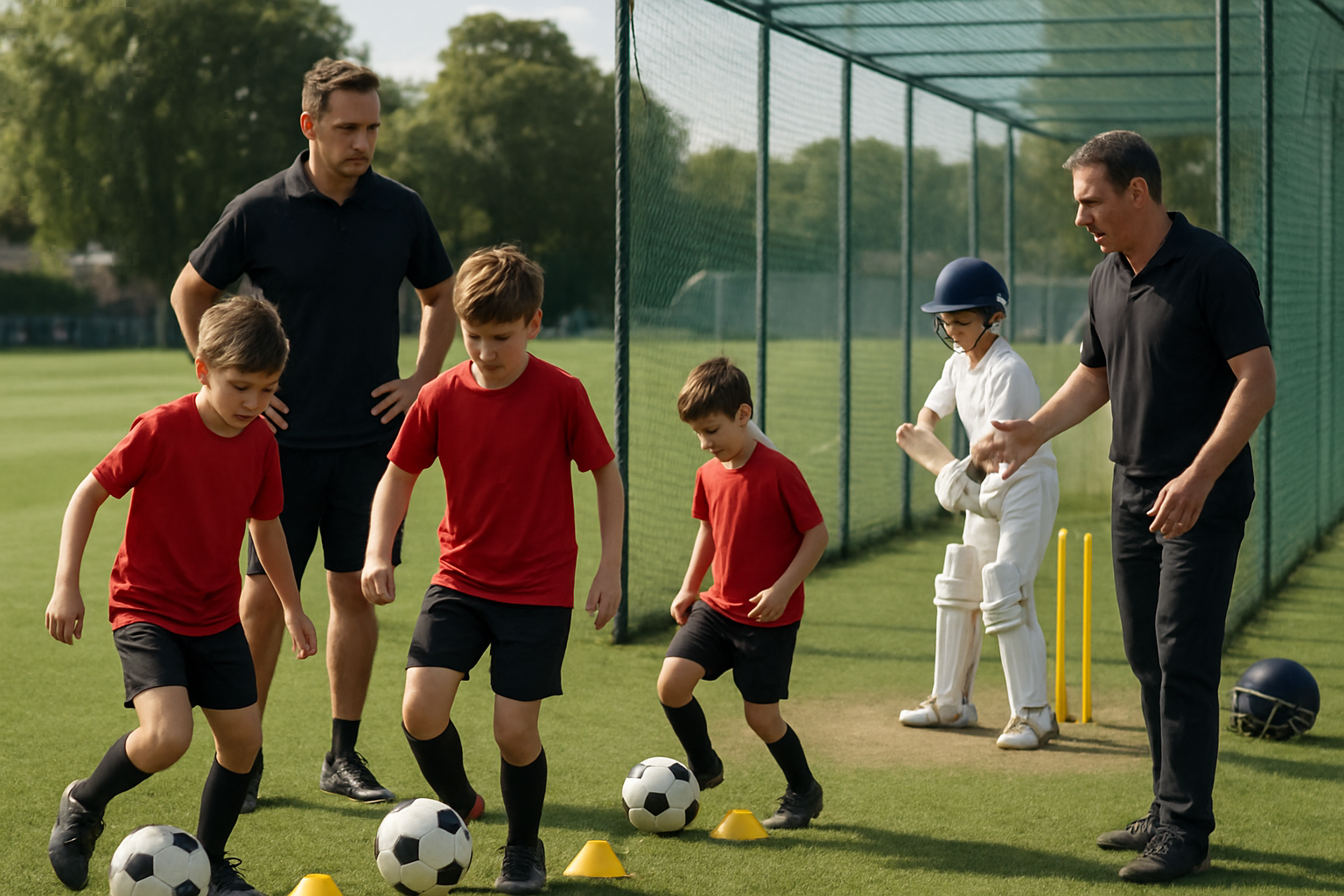
To create effective development pathways, follow these essential steps:
- Assess Physical and Cognitive Milestones: Understand typical growth patterns, motor skills, and decision-making abilities for each age group to tailor training intensity and complexity.
- Define Clear Skill and Habit Goals: For each age range, set target skills (e.g., dribbling for football, shot selection for cricket) and behavioral habits like discipline and attendance.
- Plan Age-Appropriate Training Modules: Design training sessions focusing on foundational techniques for younger groups, transitioning to tactical and match-related learning in older stages.
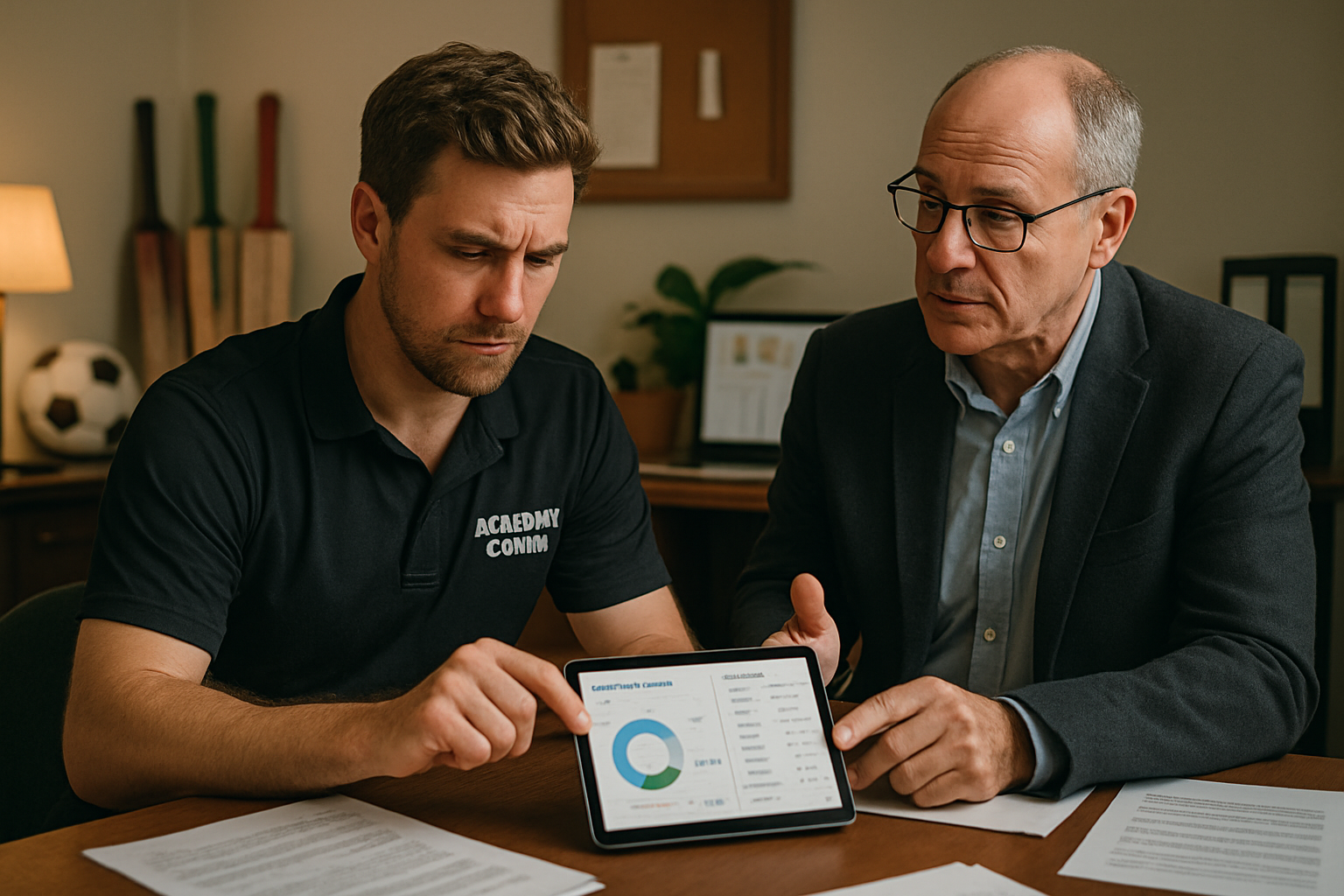
- Integrate Coach Feedback and Assessments: Implement regular skill and performance assessments aligned with the pathway, ensuring feedback drives targeted improvement.
- Engage Parents with Progress Reports: Maintain structured communication to help parents understand growth phases, encouraging supportive environments at home.
- Include Match and Exposure Planning: Schedule matches and tournaments suitable for player age and readiness, linking gameplay experience with training goals.
- Review and Adjust Pathways Annually: Use player data and feedback to refine pathways, adjusting to development variations and optimized learning approaches.
Why Age-Specific Training Programs Matter in Football and Cricket
Age-specific programs ensure that young players build essential skills in a progression that matches their physical and mental readiness, preventing burnout and frustration. For example, a U10 footballer focuses on ball mastery and coordination, while a U16 cricketer works on shot timing and mental game awareness.
Without age-appropriate programming, players might either be overwhelmed with complex tactics too early or miss foundational skill mastery, leading to stalled progress and lower motivation. Structured pathways help academies maintain player engagement and long-term retention.
Role-Wise Actions in Developing Player Pathways
Players: Focus on mastering skills relevant to your age group, follow training consistently, and actively seek feedback to improve. For instance, U12 football players can practice passing accuracy in small-sided games.
Coaches: Observe physical and mental readiness of players, adapt drills to developmental stages, and maintain thorough assessment records. For example, a cricket coach may focus on grip and footwork for U11 players before advancing to shot selection at U15.
Parents: Understand the gradual nature of development, support attendance discipline, and review progress reports without pressuring for immediate results. A parent noticing irregular attendance should engage with coaches to discuss improvements.
Academy Owners: Build clear workflows that link training plans, assessment data, and parent communication for each age group, ensuring systematic tracking of player journeys and resource allocation.
Age-Wise Player Development Stages Breakdown
U8–U10: Fundamentals and Fun
Focus on basic motor skills, spatial awareness, and simple game rules. Use engaging drills like dribbling through cones for football or basic catching for cricket, emphasizing enjoyment and discipline.
U11–U13: Skill Consistency and Introduction to Tactics
Refine core skills such as passing and shooting accuracy in football or batting stance and bowling rhythm in cricket. Introduce positional awareness and basic tactical concepts through small-sided games or net practice.
U14–U16: Tactical Understanding and Physical Conditioning
Emphasize decision-making, match situations, and fitness. Football players work on scanning and pressing; cricket players focus on shot selection and match temperament. Use assessments to identify strengths and weaknesses.
U17–U21: Specialization and Performance Optimization
Advance technical and tactical expertise, mental toughness, and recovery strategies. Players participate in competitive matches and intensified training, preparing for scouting and higher-level challenges.
“Structured pathways with consistent tracking turn potential into real player progress over time.
Structured pathways with consistent tracking turn potential into real player progress over time.
Common Mistakes in Age-Wise Player Development and Practical Fixes
1. Ignoring Physical Development Differences: Treating all players the same regardless of growth stages leads to injury or frustration. Fix: Use age and physical assessments to tailor training loads.
2. Overloading Young Players with Complex Tactics: Introducing advanced strategies too early causes confusion and loss of focus. Fix: Focus on fundamentals and simple game concepts before complexity.
3. Lack of Consistent Feedback and Progress Tracking: Without structured feedback, players miss guidance on improving. Fix: Implement regular assessments and coach notes linked to age-specific goals.
4. Poor Parent Communication Leading to Misaligned Expectations: Parents unaware of development stages often demand premature results. Fix: Share age-wise progress reports explaining realistic milestones.
5. Skipping Match Learning Opportunities: Training without appropriate match exposure slows decision-making growth. Fix: Schedule age-appropriate competitive matches matching player readiness.
Practical Checklist for Building Age-Wise Player Development Pathways
- Is the training content aligned with the physical and cognitive abilities of the age group?
- Are clear skill and behavioral milestones defined for each age bracket?
- Do training sessions balance skill drills, tactical learning, and fun to maintain engagement?
- Is there a system for regular coach-led assessments linked to development goals?
- Are parents provided with structured progress reports and guidance on supporting development?
- Is match exposure planned according to player readiness and pathway stages?
- Are coaches trained to adapt methods based on player growth rates and learning styles?
- Is attendance tracked to ensure discipline and consistent training participation?
- Are players given opportunities to review assessments and set next goals collaboratively?
- Is the pathway reviewed periodically for adjustments based on collective player data and feedback?
An 8lete-Aligned Workflow for Age-Wise Development Implementation
Session Planning > Attendance Management > Skill Assessment > Coach Feedback > Parent Communication > Progress Reporting > Goal Setting > Next Session Preparation ensures every player’s development is tracked and communicated systematically.
For example, after a U14 football passing drill session, coaches record attendance, assess passing accuracy, provide notes on decision-making during small-sided games, share reports with parents highlighting progress, and set goals for improving scanning in the next session.
Grassroots Examples Highlighting Age-Wise Pathway Impact
1. At a local cricket academy, U12 players who focused on grip and footwork drills consistently improved shot timing by the U15 stage, verified through quarterly assessments and coach notes.
2. A football academy introduced scanning and positioning drills only after U13, resulting in better match awareness and decision-making, reducing frustration among players and parents.
3. Parents of U10 players were educated on attendance importance through monthly reports, leading to improved training discipline and more consistent player progress across batches.
FAQ
What is the importance of age-wise player development pathways?
Age-wise pathways ensure training matches players’ physical and mental stage, which builds skills progressively and prevents burnout or stagnation.
How can coaches adapt football and cricket training for different ages?
Coaches should emphasize basic skills and fun for younger groups and introduce tactical and physical conditioning elements gradually with clear assessment feedback.
Why am I not improving despite regular football training?
Improvement may stall if training isn’t age-appropriate or lacks consistent feedback. Request coach assessments and focus on skills aligned to your development stage.
How do parents support long-term development without pressuring their child?
Parents should focus on attendance discipline, encourage consistent practice, and understand the expected growth milestones shared via coach reports.
What is the best age to start structured cricket or football training?
Introduction around age 6-8 focusing on fundamentals works best; structured skill and tactical training typically develop progressively from U10 upwards.
How long does it take to see results from age-wise training plans?
Consistent training with aligned feedback can show measurable progress in 6-12 months, but long-term commitment is essential for sustained growth.
Conclusion
Building age-wise player development pathways is essential for consistent, long-term growth in football and cricket at the grassroots level. Tailoring training to physical and cognitive stages, combined with disciplined attendance and structured feedback, creates clarity in progression for players, coaches, and parents alike. Without these pathways, players risk missing foundational skills or becoming overwhelmed too early, hindering their potential. Academies that implement systematic workflows linking session planning, assessments, coach notes, and parent communication establish trust and accountability, ensuring that development is visible and actionable. By focusing on these structured approaches, everyone involved gains a realistic view of growth milestones and next goals, making the journey of player improvement purposeful and measurable.
What is the importance of age-wise player development pathways?
Age-wise pathways ensure training matches players’ physical and mental stage, which builds skills progressively and prevents burnout or stagnation.
How can coaches adapt football and cricket training for different ages?
Coaches should emphasize basic skills and fun for younger groups and introduce tactical and physical conditioning elements gradually with clear assessment feedback.
Why am I not improving despite regular football training?
Improvement may stall if training isn’t age-appropriate or lacks consistent feedback. Request coach assessments and focus on skills aligned to your development stage.
How do parents support long-term development without pressuring their child?
Parents should focus on attendance discipline, encourage consistent practice, and understand the expected growth milestones shared via coach reports.
What is the best age to start structured cricket or football training?
Introduction around age 6-8 focusing on fundamentals works best; structured skill and tactical training typically develop progressively from U10 upwards.
How long does it take to see results from age-wise training plans?
Consistent training with aligned feedback can show measurable progress in 6-12 months, but long-term commitment is essential for sustained growth.
Related Articles
 Read More about How Match Analytics Can Help Young Cricketers Improve Faster
How Match Analytics Can Help Young Cricketers Improve Faster
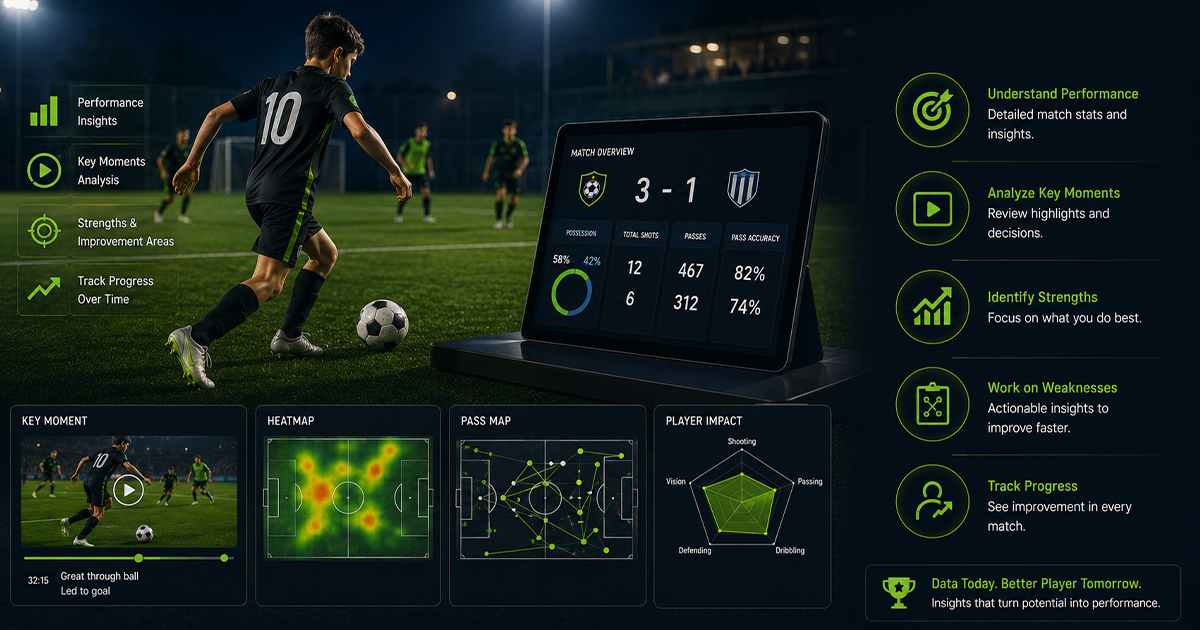 Read More about How Match Analytics Can Help Young Footballers Improve Faster
How Match Analytics Can Help Young Footballers Improve Faster
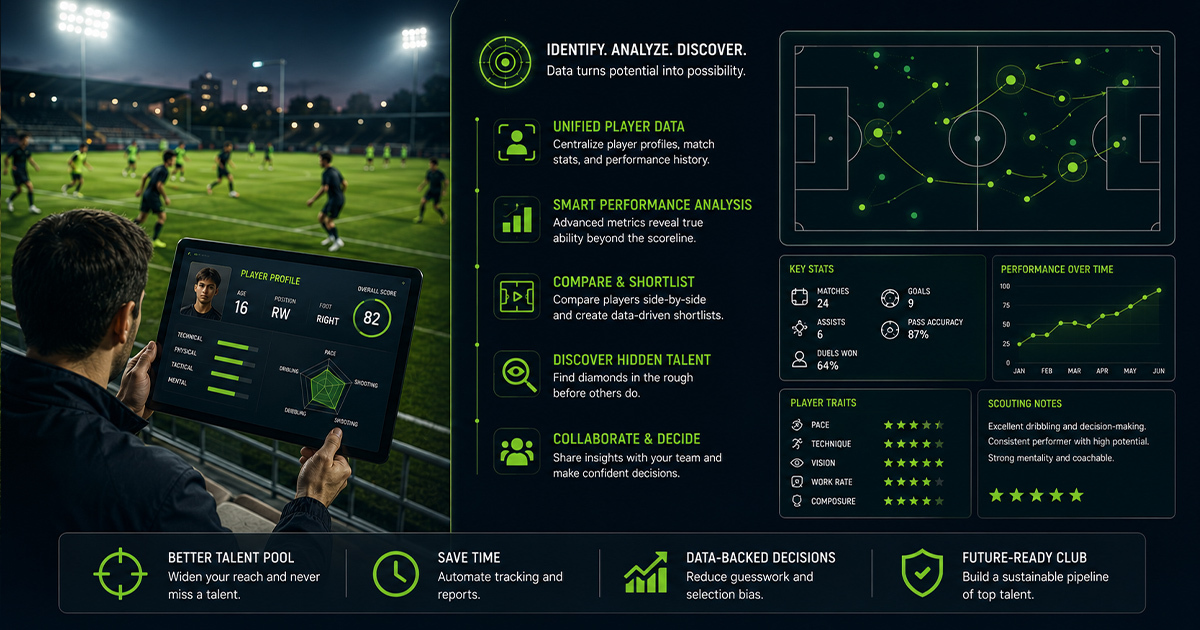 Read More about Football Scouting Platform: How Data Can Improve Talent Discovery
Football Scouting Platform: How Data Can Improve Talent Discovery
Latest Articles
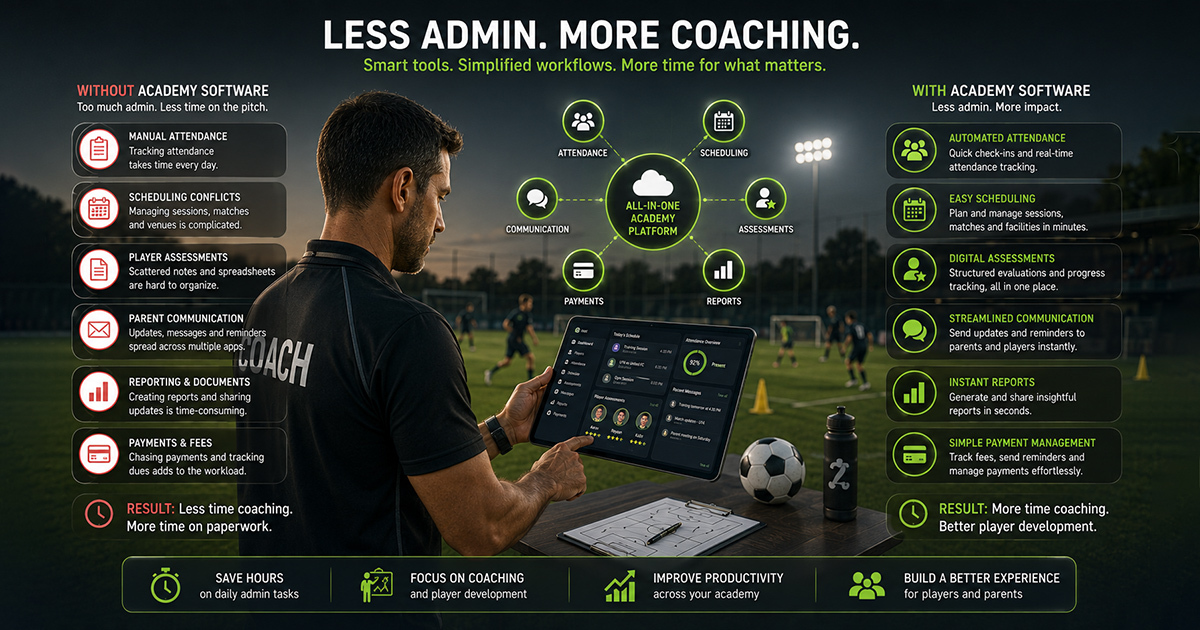 Read More about How Sports Academies Can Reduce Admin Work for Coaches
How Sports Academies Can Reduce Admin Work for Coaches
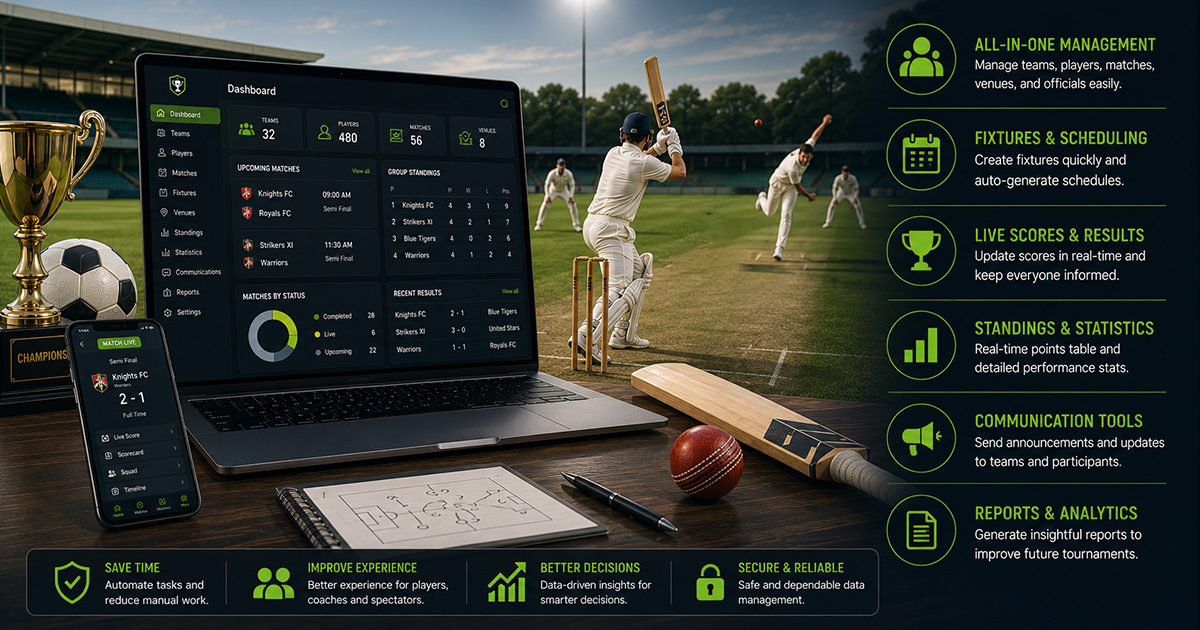 Read More about Tournament Management Software for Football and Cricket Organizers: A Practical Guide
Tournament Management Software for Football and Cricket Organizers: A Practical Guide
Read More about How Match Analytics Can Help Young Cricketers Improve FasterHow Match Analytics Can Help Young Cricketers Improve Faster
Ready to Bring Structure to Your Academy?
Let’s walk through your current setup and show you how 8lete can improve it.


