



How Match Analytics Can Help Young Footballers Improve Faster
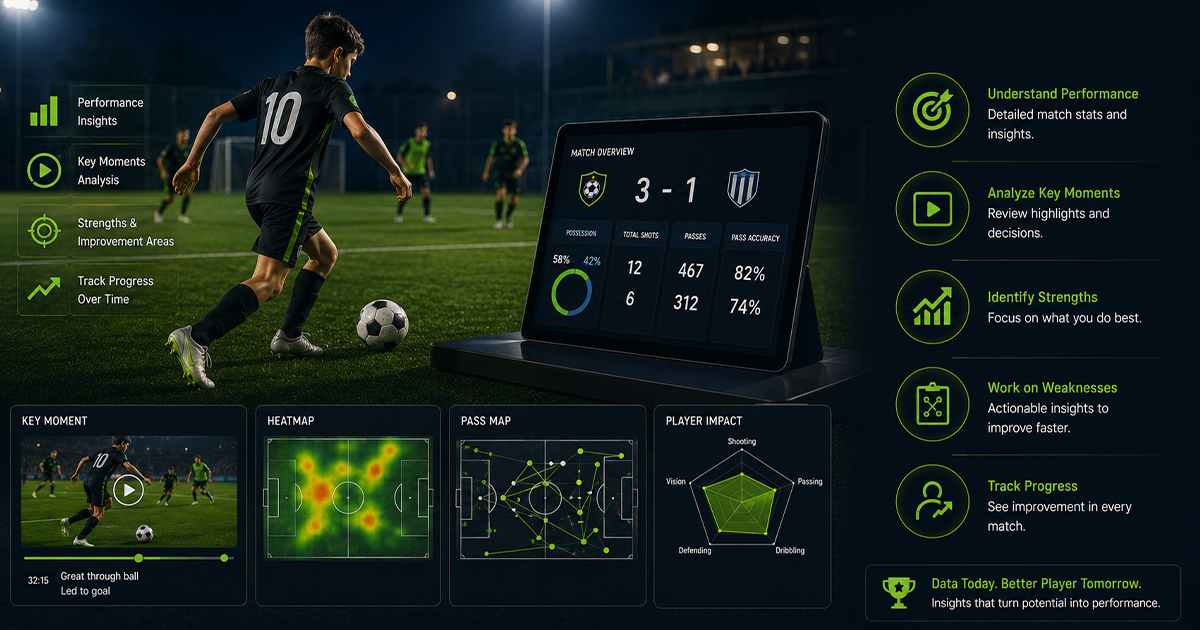
Match analytics for youth football improvement refers to the systematic collection and analysis of in-game data to help young players identify strengths and areas for development. For young players, parents, and coaches, understanding match analytics means clearer feedback instead of guesswork, which is crucial for steady, long-term growth. This article focuses on practical ways match analytics can guide training, improve decision-making, and enhance overall player progression within grassroots football.
What Is Match Analytics for Youth Football Improvement?
Match analytics involves tracking key in-match statistics such as passes completed, successful tackles, positioning, first touches, and decision outcomes to provide objective feedback for young players. It transforms subjective observations into measurable insights players and coaches can work with.
This approach matters because young players often struggle to understand what exactly to improve after matches. Analytics breaks down performance into clear components, helping players build targeted habits. It also helps parents and coaches monitor development over time, rather than relying on impressions or isolated performances.
A Practical Framework for Using Match Analytics to Improve Youth Football Skills
Implementing match analytics effectively involves the following framework:
1. Data Collection: Use video recording or digital tools during matches to gather statistics on key actions like passing accuracy, possession time, defensive interventions, and movement off the ball. Coaches should note context-specific details such as pressure situations or tactical choices.
2. Performance Breakdown: Analyze collected data to identify patterns, strengths, and weaknesses. For example, a player’s pass completion rate in the final third or success in duels can reveal skill areas needing attention.
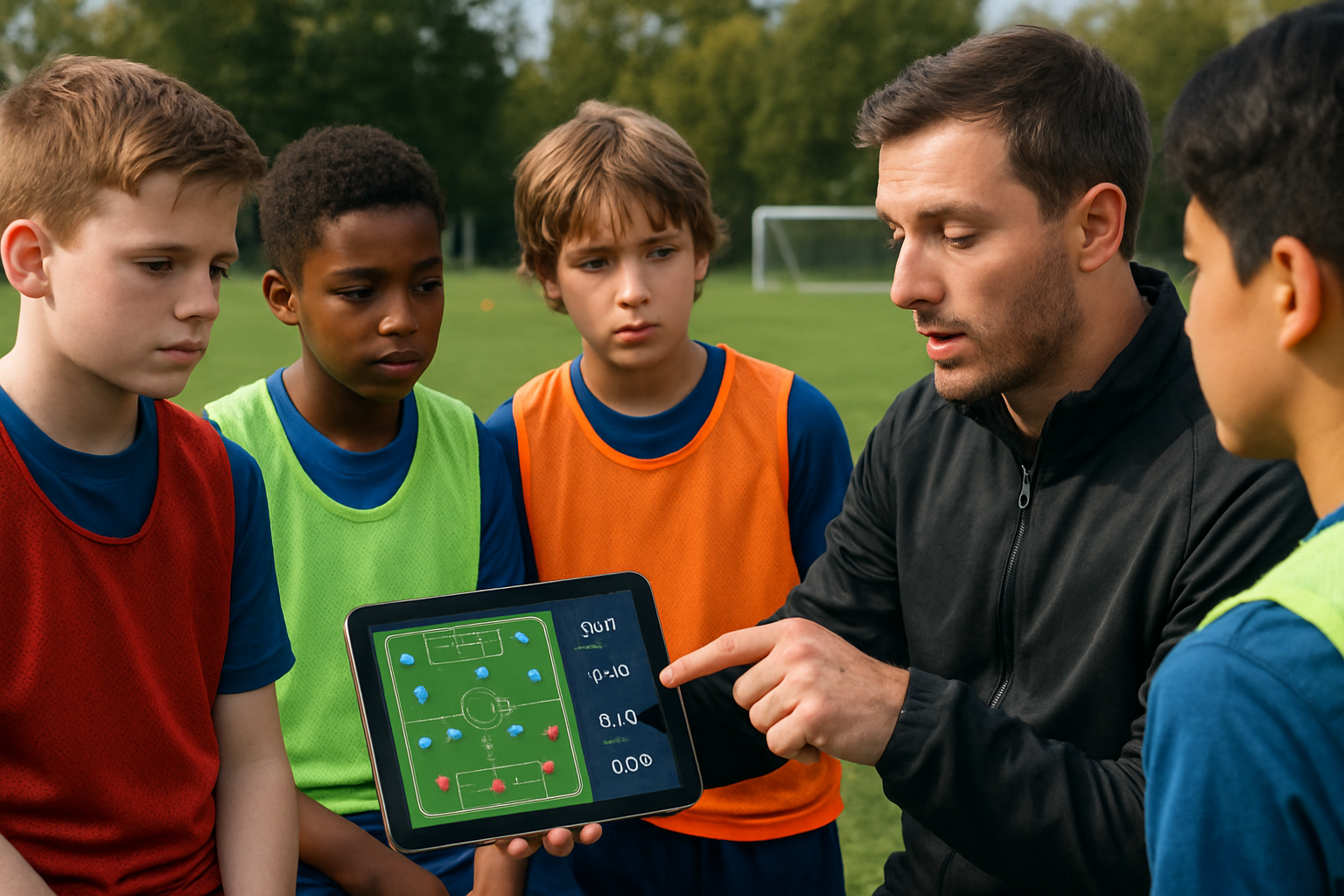
3. Feedback Delivery: Provide players with clear, focused feedback based on analytics, emphasizing what to continue and what to improve. Use simple language and visuals to aid understanding, especially for younger players.
4. Training Integration: Design training sessions that target identified gaps such as improving first touch under pressure or decision-making when receiving passes. Match simulations and drills replicating match scenarios are effective.
5. Progress Tracking: Continuously monitor performance metrics across matches to observe improvement trends or stagnation, adjusting training plans accordingly to maintain development momentum.
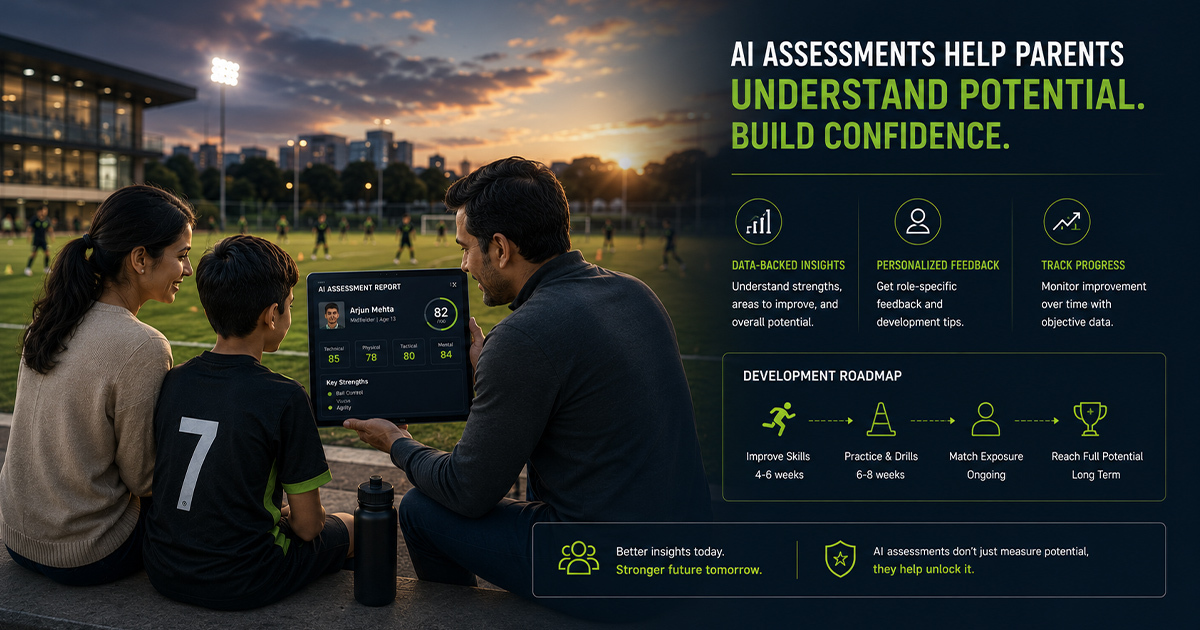
6. Parent and Player Communication: Share progress reports and analytics summaries with parents and players to encourage transparency and set realistic expectations while reinforcing consistent effort.
7. Long-Term Vision: Position match analytics as part of an ongoing development strategy rather than a one-off exercise. This framework supports gradual skill layering, mindset growth, and tactical awareness.
Role-Wise Guide: Players, Coaches, Parents, and Academy Owners
Players should focus on understanding their key stats and what small changes can improve these metrics. For instance, if passing accuracy drops under pressure, they should practice composure drills.
Coaches need to observe matches with clear criteria and use analytics tools to produce actionable insights. They must translate data into simple, targeted improvement points and adjust session plans accordingly.
Parents should look beyond match outcomes and goal counts, asking about growth areas shown by analytics. This guides support without unrealistic expectations and helps them appreciate gradual progress.
Academy Owners should build systems to capture match data efficiently and deliver consistent reports. Integrating attendance, training feedback, and match analytics creates a comprehensive player development workflow that fosters trust and transparency.
Stage-Wise Implementation for Different Age Groups in Youth Football
U10–U12 (Fundamental Stage): Focus analytics on simple stats like successful passes and ball control to help players grasp basic skills and develop awareness.
U13–U15 (Technical Consistency Stage): Use deeper analysis such as decision-making speed and spatial positioning to refine technique and tactical understanding.
U16–U19 (Performance Maturity Stage): Integrate complex metrics like pressing intensity, transition timing, and endurance to prepare players for higher competitive demands and professional standards.
Consistent tracking and clear feedback from match analytics turn potential into measurable growth.
Practical Checklist for Using Match Analytics in Youth Football Development
1. Are key match stats recorded consistently for every player after each game?
2. Does feedback focus on 2-3 clear improvement points per player instead of overwhelming data?
3. Are training sessions adapted based on recent match performance data?
4. Is player progress tracked across multiple matches to identify trends?
5. Are parents regularly informed with understandable progress reports including match analytics summaries?
6. Do players review their own performance stats with coaches to build self-awareness?
7. Is video analysis used alongside stats to provide deeper context for improvement?
8. Are coaching staff trained on how to interpret and communicate match data clearly?
9. Is match analytics seamlessly integrated with attendance and training records for holistic development tracking?
10. Are goals and development plans updated regularly based on analytics insights?
Common Mistakes When Using Match Analytics and How to Fix Them
Mistake 1: Collecting too much complex data without clear focus.
Why it hurts: Players and coaches get overwhelmed and lose track of priorities.
Fix: Select 3–5 key stats linked to training goals and review those regularly.
Mistake 2: Sharing raw data without explanation with players or parents.
Why it hurts: Leads to confusion and frustration instead of motivation.
Fix: Translate numbers to simple, actionable insights supported by visuals or examples.
Mistake 3: Using analytics sporadically instead of consistently.
Why it hurts: Sporadic feedback disrupts learning rhythm and weakens habit building.
Fix: Schedule match data collection and review after every game to maintain momentum.
Mistake 4: Neglecting to connect match stats with on-field training.
Why it hurts: Players practice drills that may not target real game weaknesses.
Fix: Ensure training focuses on areas flagged by match analytics.
Mistake 5: Not involving players in reviewing their own performance data.
Why it hurts: Limits player self-awareness and ownership of development.
Fix: Schedule regular sessions where players analyze their stats with coach guidance.
A Realistic 8lete Workflow to Integrate Match Analytics in Grassroots Football
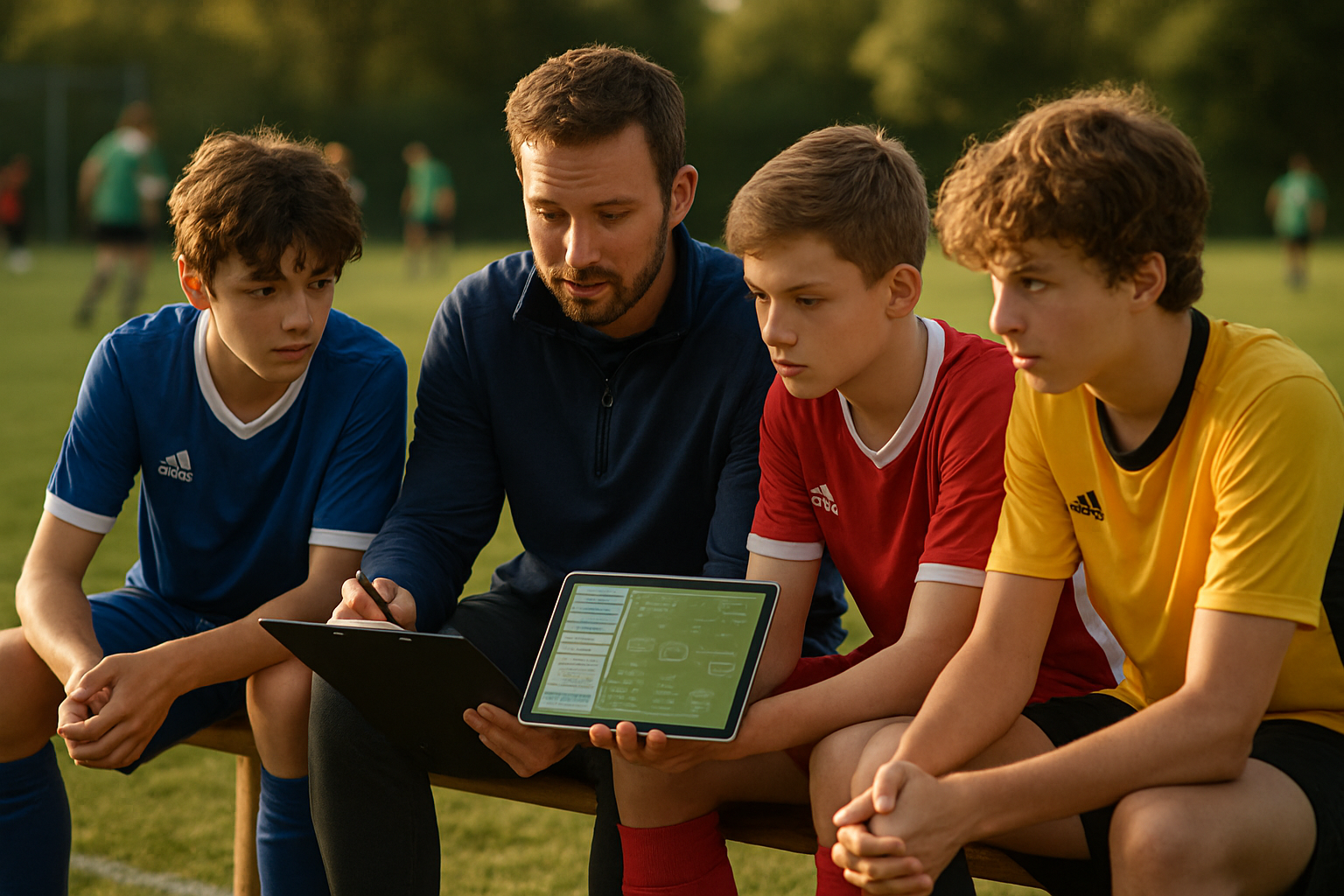
Start with match session planning where coaches define key metrics to track. During each match, combine attendance management to ensure full player participation with live or post-match player assessments focusing on those metrics. Coaches then create detailed notes and reports, highlighting strengths and weaknesses visible in the data. These reports connect directly to parent communication, providing transparent progress updates and setting clear next goals. Tracking is continuous, informing future training adaptations and ensuring structured, measurable development that builds trust among players, parents, and academy staff.
Concrete Grassroots Examples of Match Analytics in Action
Example 1: A U14 academy midfielder had a below-average pass completion in attacking zones. The coach used analytics to identify hesitation under pressure, then adjusted drills to simulate high-pressure scenarios focusing on quick decisions, improving his confidence and passing accuracy within 6 weeks.
Example 2: A U12 winger struggled with first touch control in matches, though training feedback was positive. Video analysis combined with match stats showed repeated loss of the ball when receiving under tight marking. Targeted ball control and scanning drills helped close this gap.
Example 3: Parents at a grassroots club used monthly reports featuring match analytics to understand why their U16 defender was getting fewer selections despite playing hard. The data revealed improvement in tackling but persistent positioning errors, guiding constructive parent-coach conversations on development focus.
Frequently Asked Questions
What is match analytics in youth football? Match analytics is the process of collecting and analyzing key in-game data such as passes, tackles, positioning, and decision-making to help young players understand and improve their performance through objective feedback.
How can young players use data to improve football skills? Players can review specific match stats like pass accuracy or first touch success to identify weaknesses. With coach guidance, they focus training on these areas, practice relevant drills, and track progress to improve consistently.
Why am I not improving despite regular training? Without match analytics, training might not target actual match weaknesses. Use analytics to bridge this gap by aligning your training with insights from real-game performance data.
How do parents benefit from match analytics for their kids? Parents get clear, data-backed reports showing development areas and progress, which helps them support their child effectively without creating pressure, focusing on long-term growth rather than short-term results.
What tools are best for tracking match stats for young footballers? Simple video recording apps combined with basic statistical tracking software designed for grassroots use helps record and analyze key actions. Coaches should choose tools prioritizing ease of use and actionable insights.
When should match analytics be introduced in youth football training? Analytics can start from U10 level with simple metrics and gradually include more complex data as players progress technically and tactically, ensuring age-appropriate feedback and understanding.
How long does it take to see improvements using match analytics? With consistent use, players often show noticeable improvements in targeted skills within 4 to 8 weeks, depending on training intensity and frequency matched to analytics insights.
Conclusion
Structured use of match analytics for youth football improvement makes performance feedback clear, objective, and actionable. When players, coaches, and parents work with measurable insights rather than impressions, training becomes more focused and development more consistent. Integrating match data with training plans, attendance records, and parent reports forms a complete growth cycle that is essential for long-term success. Young footballers grow faster when every session builds on clear goals and honest feedback, not just on effort alone. Embracing this approach requires discipline and systems but builds trust between academies and families. For players aiming to develop their skills effectively, understanding and engaging with match analytics is not just a tool—it’s an essential part of their journey toward football maturity and sustained progress.
What is match analytics in youth football?
Match analytics is the process of collecting and analyzing key in-game data such as passes, tackles, positioning, and decision-making to help young players understand and improve their performance through objective feedback.
How can young players use data to improve football skills?
Players can review specific match stats like pass accuracy or first touch success to identify weaknesses. With coach guidance, they focus training on these areas, practice relevant drills, and track progress to improve consistently.
Why am I not improving despite regular training?
Without match analytics, training might not target actual match weaknesses. Use analytics to bridge this gap by aligning your training with insights from real-game performance data.
How do parents benefit from match analytics for their kids?
Parents get clear, data-backed reports showing development areas and progress, which helps them support their child effectively without creating pressure, focusing on long-term growth rather than short-term results.
What tools are best for tracking match stats for young footballers?
Simple video recording apps combined with basic statistical tracking software designed for grassroots use helps record and analyze key actions. Coaches should choose tools prioritizing ease of use and actionable insights.
When should match analytics be introduced in youth football training?
Analytics can start from U10 level with simple metrics and gradually include more complex data as players progress technically and tactically, ensuring age-appropriate feedback and understanding.
How long does it take to see improvements using match analytics?
With consistent use, players often show noticeable improvements in targeted skills within 4 to 8 weeks, depending on training intensity and frequency matched to analytics insights.
Related Articles
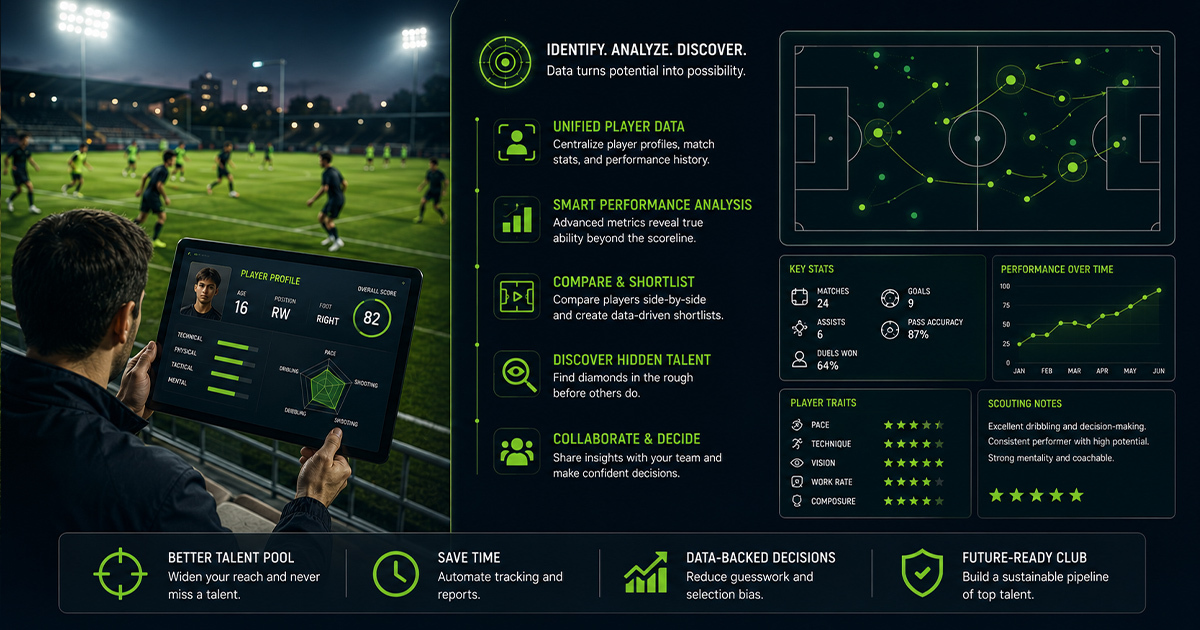 Read More about Football Scouting Platform: How Data Can Improve Talent Discovery
Football Scouting Platform: How Data Can Improve Talent Discovery
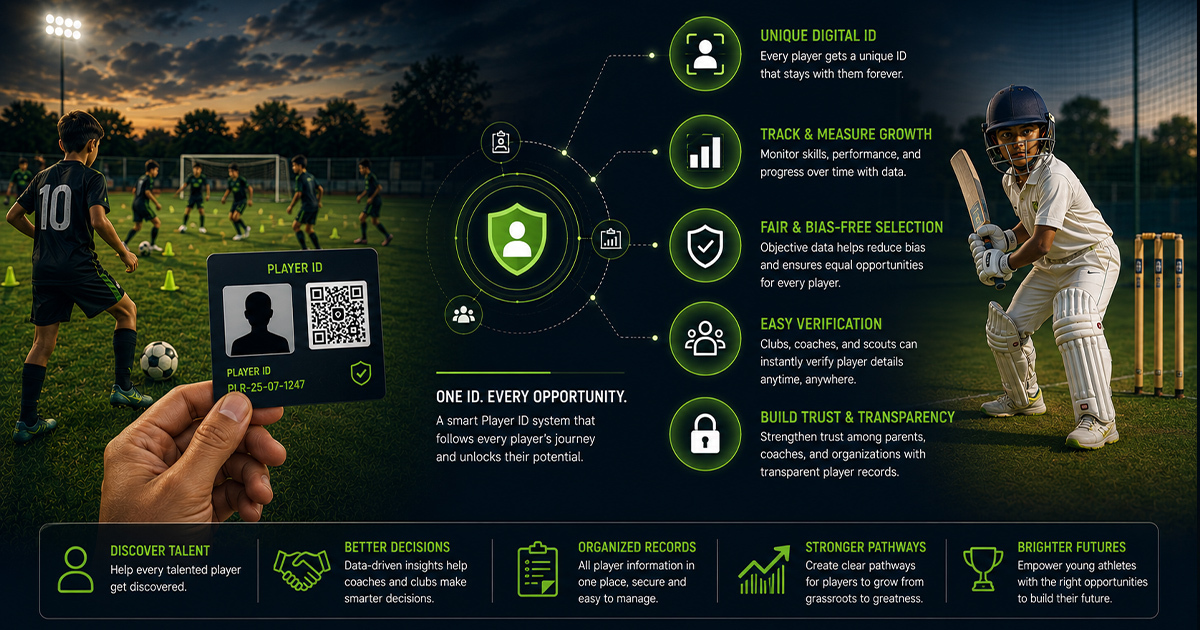 Read More about Player ID System in Grassroots Football and Cricket: Why It Matters for Long-Term Development
Player ID System in Grassroots Football and Cricket: Why It Matters for Long-Term Development
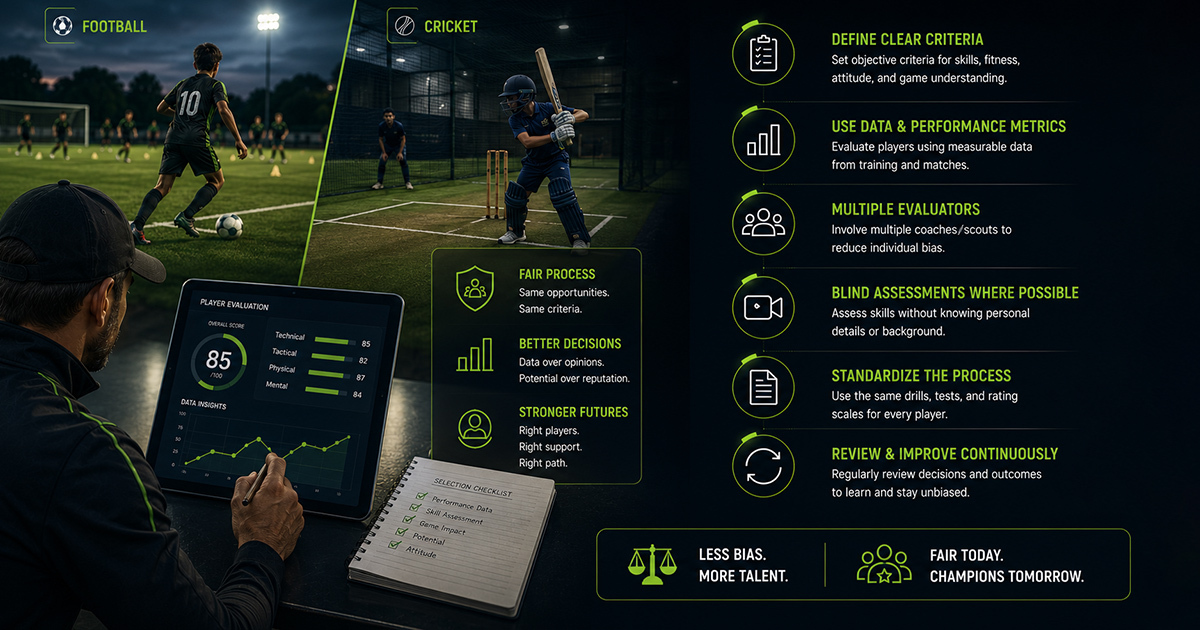 Read More about How to Reduce Bias in Player Selection: A Practical Guide for Grassroots Football and Cricket
How to Reduce Bias in Player Selection: A Practical Guide for Grassroots Football and Cricket
Latest Articles
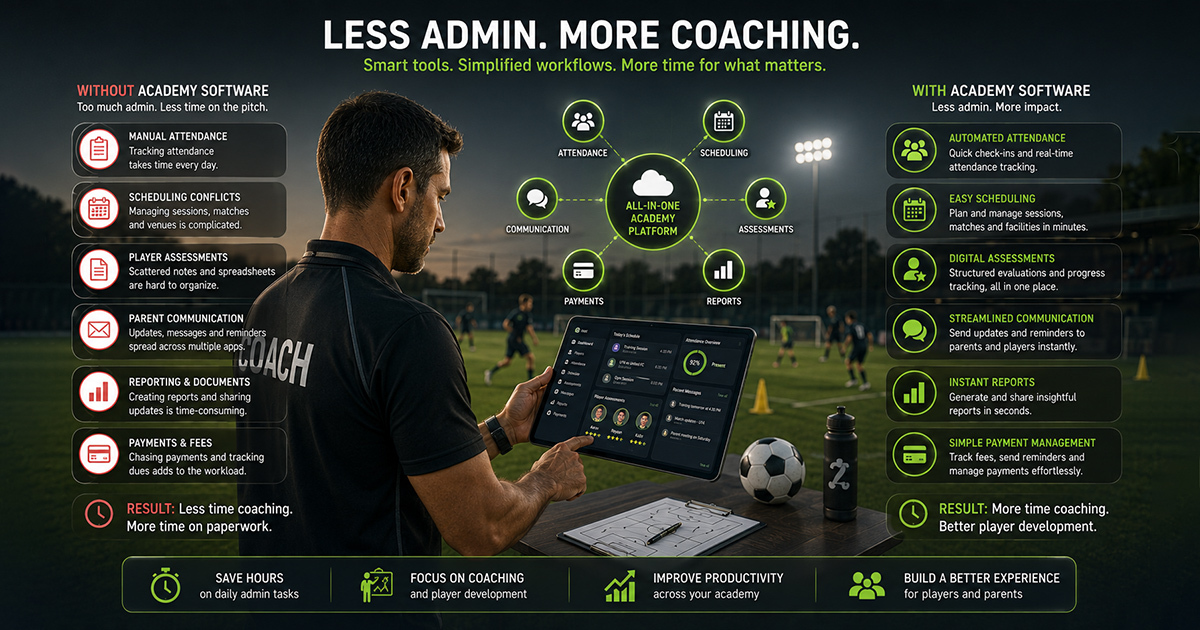 Read More about How Sports Academies Can Reduce Admin Work for Coaches
How Sports Academies Can Reduce Admin Work for Coaches
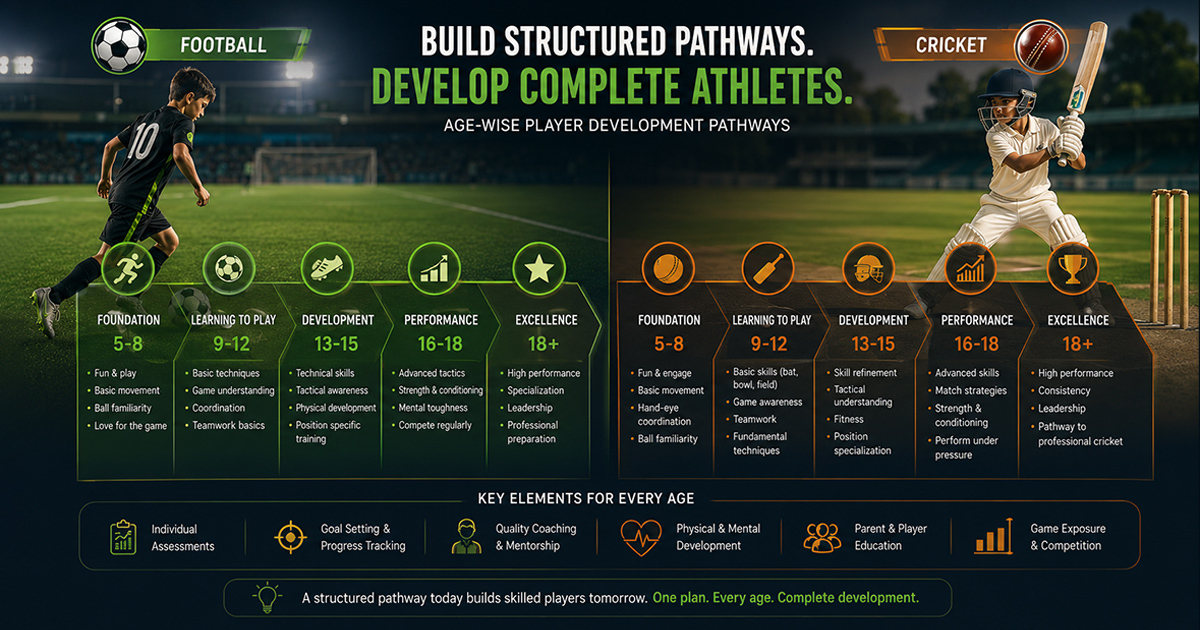 Read More about How to Build Age-Wise Player Development Pathways in Football and Cricket
How to Build Age-Wise Player Development Pathways in Football and Cricket
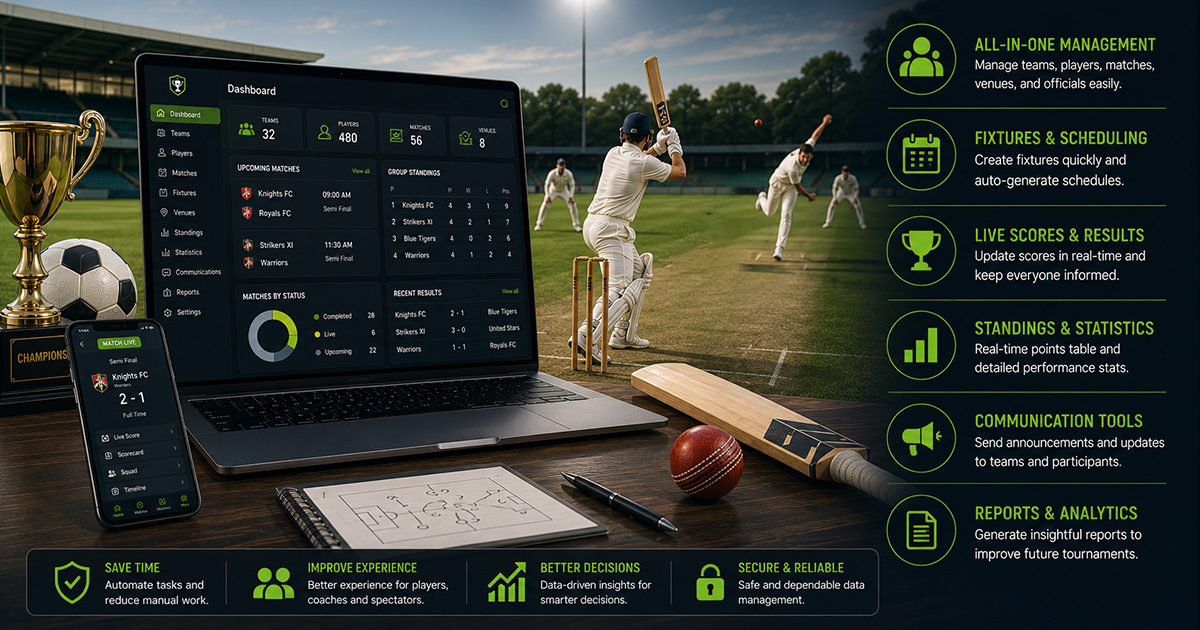 Read More about Tournament Management Software for Football and Cricket Organizers: A Practical Guide
Tournament Management Software for Football and Cricket Organizers: A Practical Guide
Ready to Bring Structure to Your Academy?
Let’s walk through your current setup and show you how 8lete can improve it.


