



How to Reduce Bias in Player Selection: A Practical Guide for Grassroots Football and Cricket
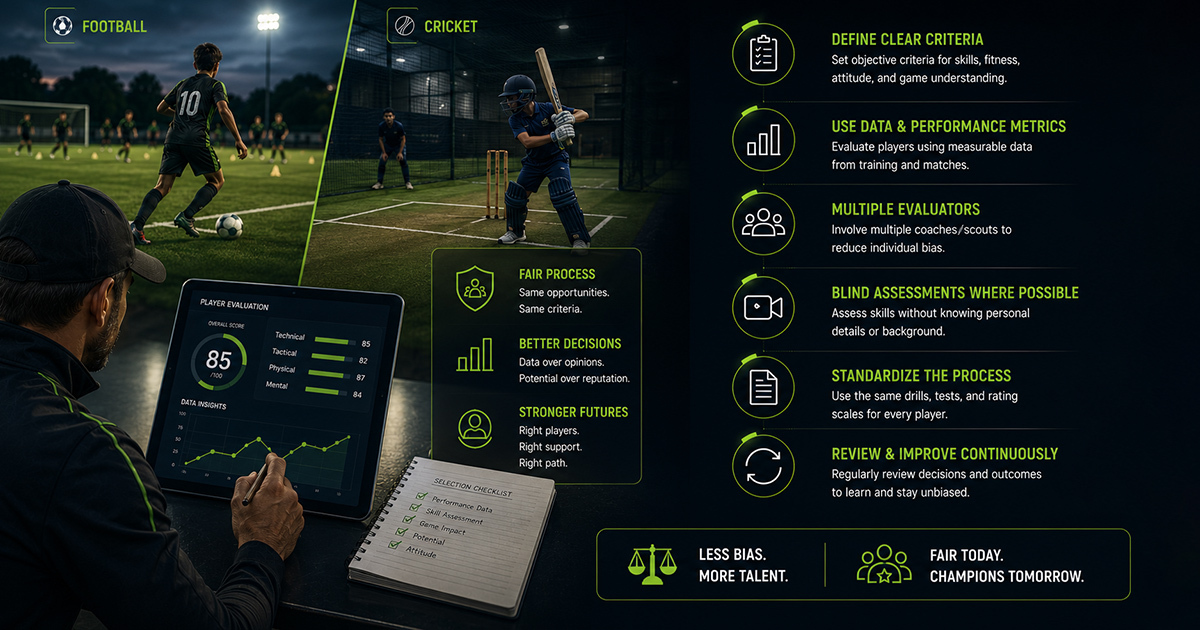
Reducing bias in player selection means applying objective, structured methods to choose athletes based on merit, not personal preferences or external pressures. At the grassroots level of football and cricket, bias can undermine talent identification, player morale, and long-term development pathways. This article provides a practical guide on how academies, coaches, parents, and players can reduce bias during trials and team selections through transparent criteria, data-driven assessments, and consistent communication.
What Does It Mean to Reduce Bias in Player Selection?
Reduce bias refers to minimizing subjective influence in choosing players by relying on objective data, standardized criteria, and fair processes. It ensures every player is evaluated fairly for their skill, work ethic, attitude, and potential, fostering trust and transparency in grassroots football and cricket ecosystems.
This matters because long-term development depends on selecting and nurturing genuinely talented players consistently, without favoritism or overlooked potential caused by unconscious bias or incomplete observation.
A Practical Framework to Reduce Bias in Player Selection
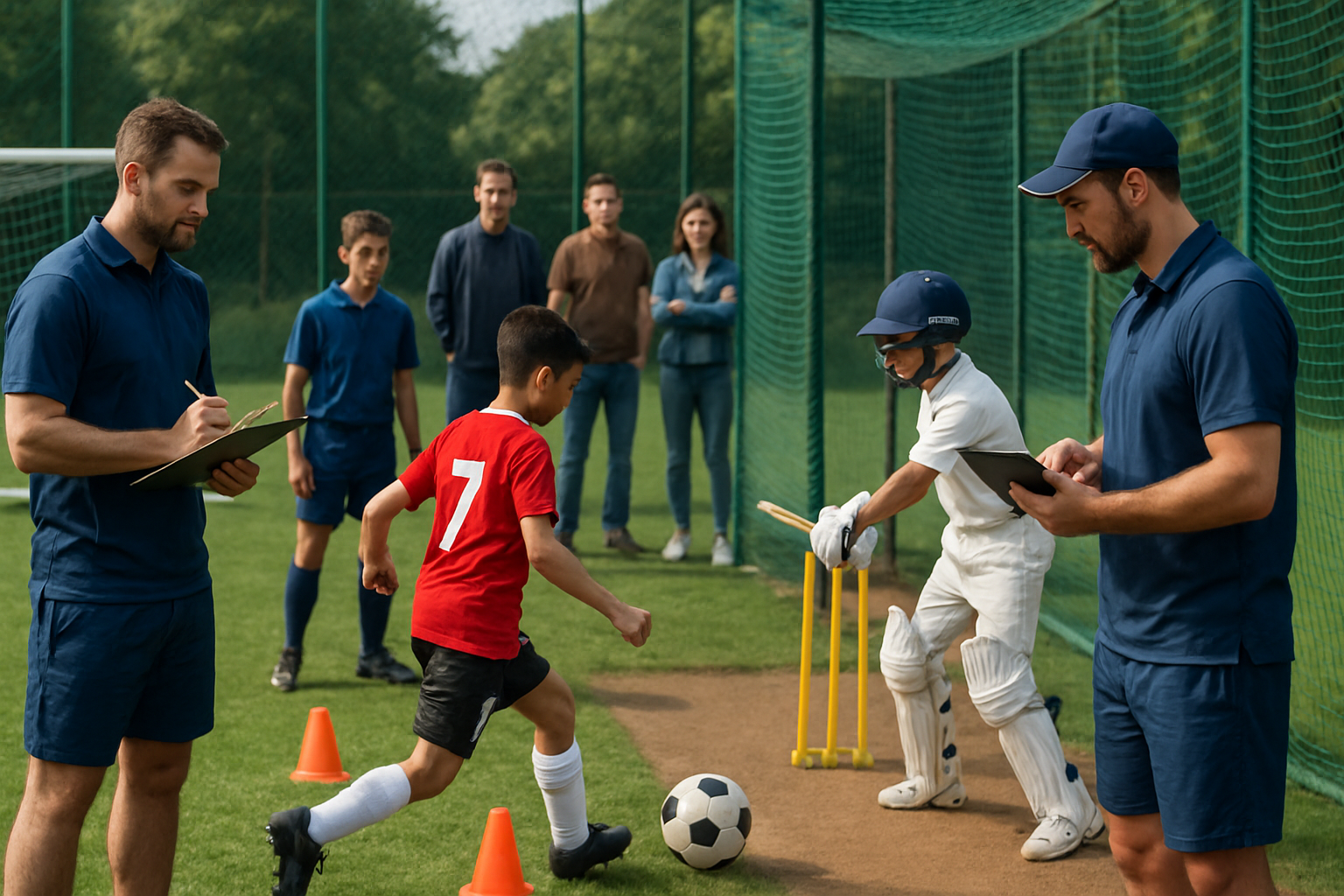
Implementing a framework helps coaches and academies ensure structured, consistent, and transparent player selection. The key components are:
1. Define clear, inclusive selection criteria. Specify skills, fitness, game intelligence, attitude, and teamwork expectations relevant to the age group. Example: For cricket U14 players, include bowling control and shot selection; for football U16, focus on decision-making and positioning.
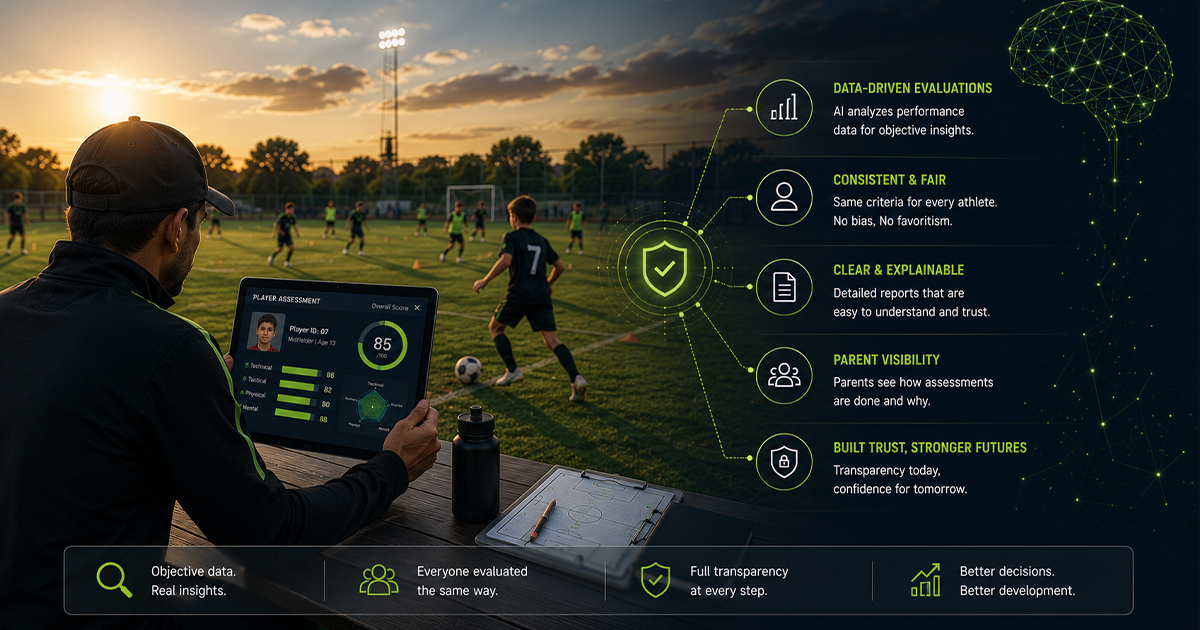
2. Use objective evaluation tools. Video analysis, live stats, and AI-powered assessments provide measurable data about player performances during trials and training.
3. Involve multiple evaluators. Having more than one coach or scout assess players reduces personal preference influence and balances observations.
4. Structure trials and assessments consistently. Use predefined drills and match scenarios so every player is tested fairly under similar conditions.
5. Communicate selection metrics to parents and players. Transparency builds trust and understanding about why decisions were made, reducing rumors or grievances.
6. Track player progress over time. Selection should reflect both current ability and long-term potential, monitored through regular assessments and development reports.
7. Use technology and systems to standardize workflows. Attendance records, assessment logs, and feedback management in academy software support unbiased and traceable decisions.
Understanding Bias and Why It Happens in Grassroots Selection
Bias arises from unconscious preferences, familiarity, and pressure to select popular or known players rather than objectively assessing performance. For example, a coach might favor a player's older sibling or struggle to evaluate newcomers fairly during a busy trial session.
In cricket, bias could appear when selectors focus mainly on batting runs but ignore fielding intensity or bowling rhythm. In football, a quick dribbler who lacks positional awareness might be unfairly favored over a more balanced player.
Role-Wise Approach to Reducing Bias in Selection
Players should focus on consistent effort, communication during trials, and self-improvement through feedback instead of relying on reputation or favoritism. For example, a cricket batter can request specific coach input on footwork or shot selection.
Coaches must observe players using checklists, record sessions, and avoid quick judgments based on a single moment. This includes balancing technical skills with mental attributes like decision-making and resilience.
Parents should seek clarification on selection criteria and trust structured reporting rather than anecdotal opinions. Understanding that progress is gradual helps manage expectations and maintain support.
Academy owners need to implement attendance tracking, trial schedules, assessment systems, and feedback loops ensuring no player is overlooked due to manual or memory-based decision-making.
Age-Wise Implementation: Reducing Bias at Every Development Stage
U10 – U12: Focus on inclusive criteria emphasizing basic skills, attitude, and enthusiasm. Bias often emerges with early labeling; use simple drills scored objectively for balanced sample sizes.
U13 – U16: Emphasize technical skills, decision-making during match simulations, and coach feedback notes. Use multiple evaluators and match footage to cross-check assessments.
U17 – U21: Prioritize data-driven selection using fitness tests, position-specific metrics, and mental attributes. Track long-term progression alongside trial results to avoid bias toward flash performances.
“Consistent, tracked feedback replaces guesswork and builds fairness in every player selection decision.
Consistent, tracked feedback replaces guesswork and builds fairness in every player selection decision.
"Consistent, tracked feedback replaces guesswork and builds fairness in every player selection decision."
Practical Checklist: Steps to Reduce Bias in Player Selection
Use this checklist during trials and ongoing selection to improve fairness, consistency, and transparency:
- 1. Are selection criteria clearly communicated to all stakeholders?
- 2. Is data from multiple coaches or observers collected systematically?
- 3. Does the assessment cover technical, tactical, physical, and psychological factors?
- 4. Are drills and match scenarios standardized for all players during trials?
- 5. Are player attendance and training consistency factored into evaluation?
- 6. Is there a formal process for recording and reviewing feedback post-trials?
- 7. Are parents and players given transparent explanation of selection decisions?
- 8. Does the academy use digital tools for tracking progress and reducing manual bias?
- 9. Are long-term development and potential weighted along with current performance?
- 10. Is there a mechanism to review and revise selection processes periodically for fairness?
Common Mistakes That Increase Bias—and How to Fix Them
Mistake 1: Relying on Memory Instead of Records. Coaches may unintentionally favor familiar players when notes are not taken. Fix: Use a system to log assessments immediately after sessions with detailed notes.
Mistake 2: Inconsistent Trial Formats. Different players may face varied drills or game contexts, affecting fairness. Fix: Standardize trials with repeatable drills and match situations for comparable evaluation.
Mistake 3: Overvaluing First Impressions. Early performances or physical stature bias judgments. Fix: Conduct assessments over multiple sessions and include mental and tactical factors.
Mistake 4: Lack of Transparency with Parents and Players. This creates mistrust and speculation about favoritism. Fix: Provide clear, written feedback and selection criteria explanations to all stakeholders.
Mistake 5: Ignoring Player Progress Data. Focusing only on trial day performance ignores improvement trajectory. Fix: Track attendance, training reports, and skill development over time as part of selection.
Examples of Bias Reduction in Grassroots Football and Cricket
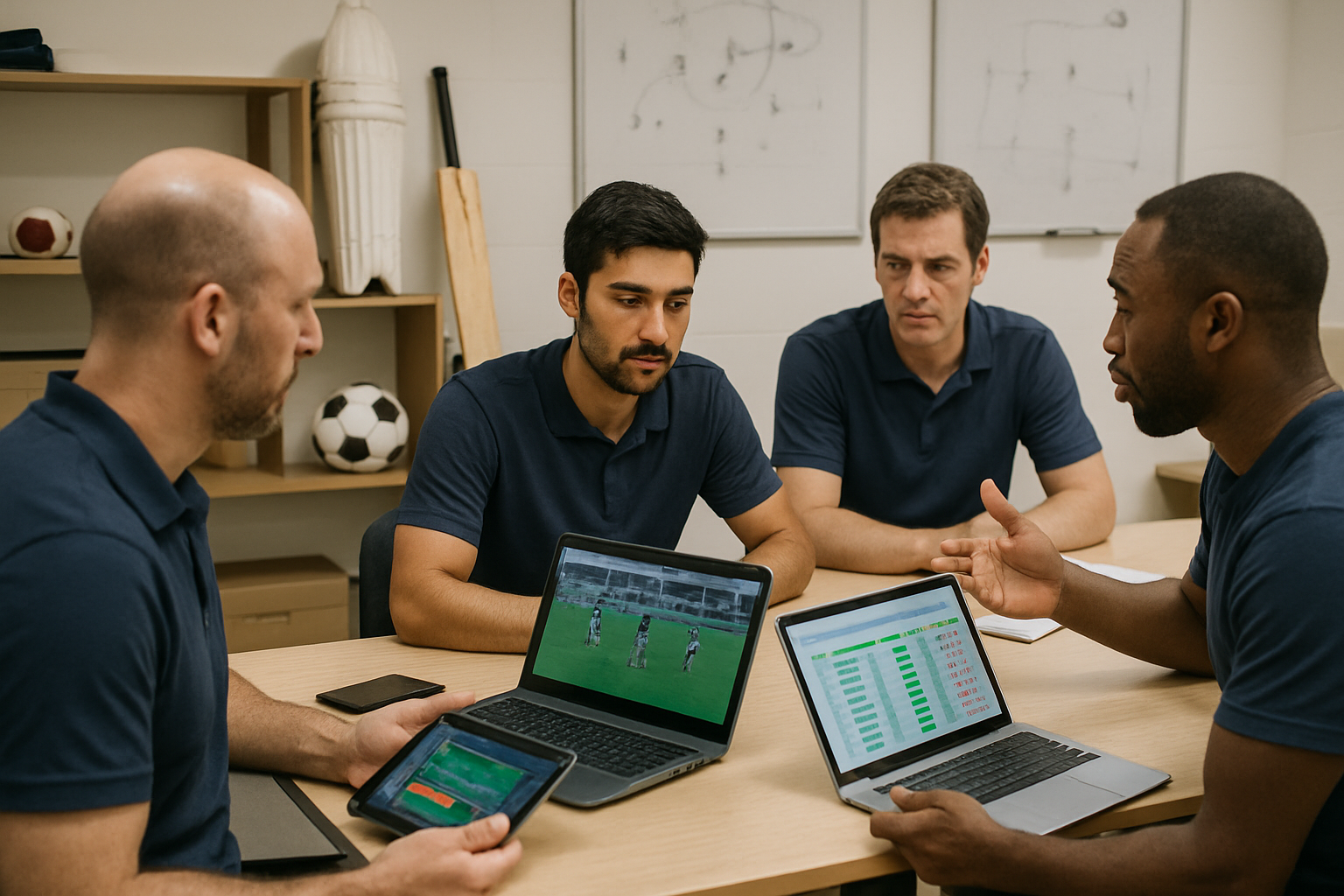
Example 1: A football academy used AI-powered player assessments during trials, analyzing passing accuracy, decision speed, and movement off the ball. Multiple coaches reviewed the data to finalize squads, reducing favoritism toward well-known local players.
Example 2: In a cricket club, coaches implemented video-based scoring during net sessions, measuring batting shot selection and bowling consistency. Combining this data with attendance records helped select balanced teams focused on development potential.
Example 3: A multi-coach evaluation panel at a grassroots tournament used standardized rating sheets for all players. They discussed discrepancies in scoring to reach consensus, minimizing individual personal bias.
An 8lete-Aligned Workflow to Support Unbiased Player Selection
The selection process benefits from a structured workflow that includes:
Session → Attendance Recording → Player Assessment → Coach Notes → Parent Progress Reports → Next Trial Goals. This ensures every player's attendance, performance data, coach feedback, and communication with parents is connected, reducing reliance on subjective memory and promoting fairness.
Using software tools to integrate these steps prevents bias accumulation and keeps a transparent, traceable record of why selection decisions were made.
FAQ
Q1: What is objective player evaluation in grassroots sports?
Objective player evaluation means assessing players using measurable data like skills scores, attendance records, and physical fitness tests rather than personal impressions alone. This helps reduce favoritism by focusing only on observed performance.
Q2: How can coaches minimize personal bias during team selection?
Coaches should use multiple evaluators, standardized drills, and maintain detailed assessment logs. Regular review meetings and cross-checking rating data with other coaches help balance subjective views.
Q3: Why is transparency important when selecting players?
Transparency builds trust with players and parents by clarifying selection criteria and decision reasons. It reduces misunderstandings, demotivation, and complaints about fairness.
Q4: How do age groups impact selection criteria?
Younger players focus more on attitude, participation, and basic skills, while older players undergo detailed technical, tactical, and physical assessments. Tailoring criteria ensures evaluations match developmental stages.
Q5: Can technology really reduce bias in trials?
Yes, technology like video analysis and AI assessments standardize evaluation and provide multi-angle data, which reduces subjective errors and favors based on reputation or memory.
Q6: How should parents support fair selection processes?
Parents should ask for clarity on selection methods, accept structured feedback, and focus on their child's long-term growth rather than immediate squad placement.
Q7: When should academies review their selection processes?
Selection processes should be reviewed annually or after each major trial cycle to incorporate new best practices, feedback, and technology improvements.
Conclusion
Reducing bias in player selection for grassroots football and cricket requires more than goodwill—it demands clear criteria, consistent assessment, multiple evaluator input, and transparent communication. Players, coaches, parents, and academy owners each have roles to ensure the process is fair and focused on long-term development potential rather than shortcuts or subjective impressions. Using structured workflows that connect training sessions, attendance, AI or data-driven assessments, coach notes, and parent reports creates a system where bias is systematically minimized and trust is strengthened. The payoff is selecting players who truly deserve opportunities and nurturing a culture of fairness and growth in grassroots sports. Prioritizing these practices today builds better teams and keeps academies accountable and credible in the future.
What is objective player evaluation in grassroots sports?
Objective player evaluation means assessing players using measurable data like skills scores, attendance records, and physical fitness tests rather than personal impressions alone. This helps reduce favoritism by focusing only on observed performance.
How can coaches minimize personal bias during team selection?
Coaches should use multiple evaluators, standardized drills, and maintain detailed assessment logs. Regular review meetings and cross-checking rating data with other coaches help balance subjective views.
Why is transparency important when selecting players?
Transparency builds trust with players and parents by clarifying selection criteria and decision reasons. It reduces misunderstandings, demotivation, and complaints about fairness.
How do age groups impact selection criteria?
Younger players focus more on attitude, participation, and basic skills, while older players undergo detailed technical, tactical, and physical assessments. Tailoring criteria ensures evaluations match developmental stages.
Can technology really reduce bias in trials?
Yes, technology like video analysis and AI assessments standardize evaluation and provide multi-angle data, which reduces subjective errors and favors based on reputation or memory.
How should parents support fair selection processes?
Parents should ask for clarity on selection methods, accept structured feedback, and focus on their child's long-term growth rather than immediate squad placement.
When should academies review their selection processes?
Selection processes should be reviewed annually or after each major trial cycle to incorporate new best practices, feedback, and technology improvements.
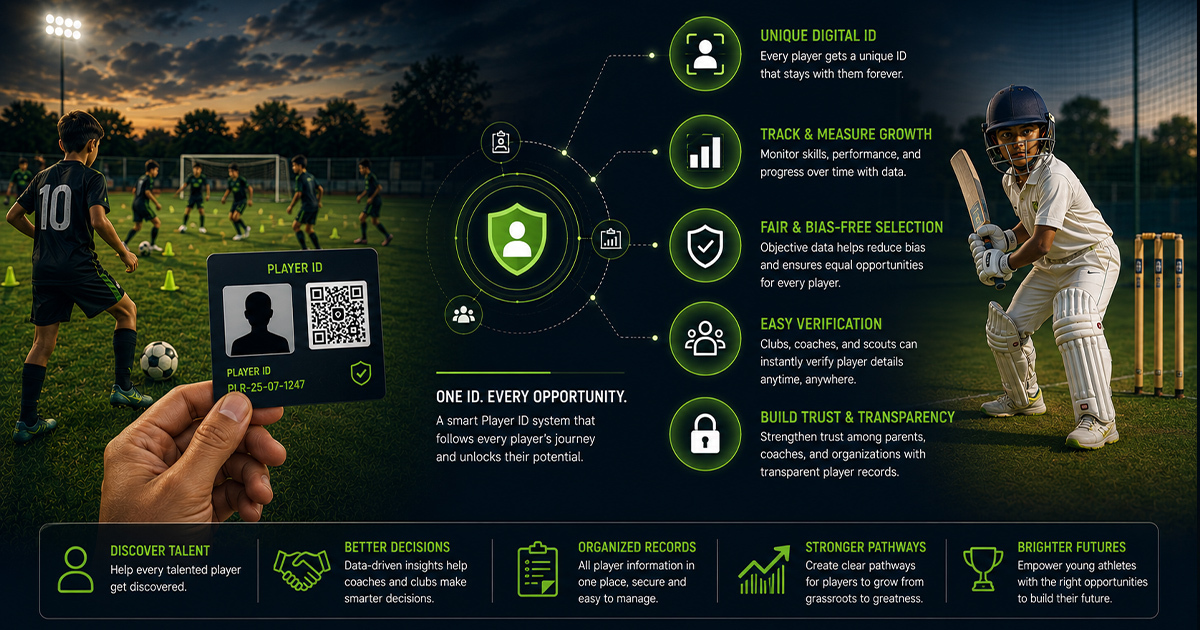
Related Articles
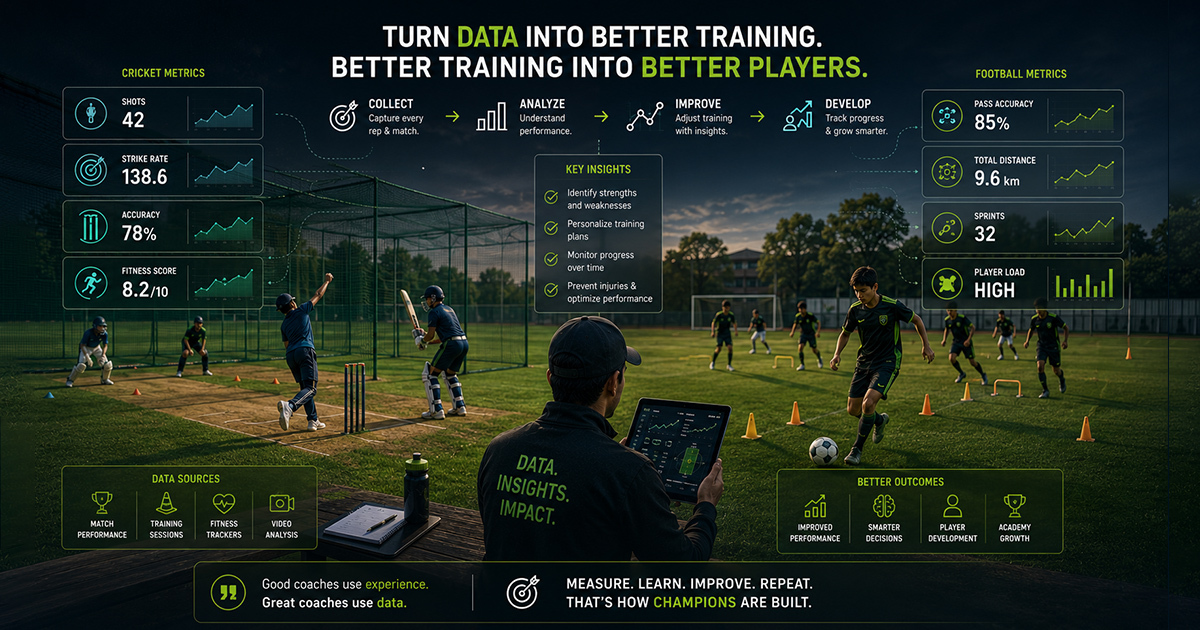 Read More about Data-Driven Training in Football and Cricket Academies: A Practical Guide to Improving Training Quality
Data-Driven Training in Football and Cricket Academies: A Practical Guide to Improving Training Quality
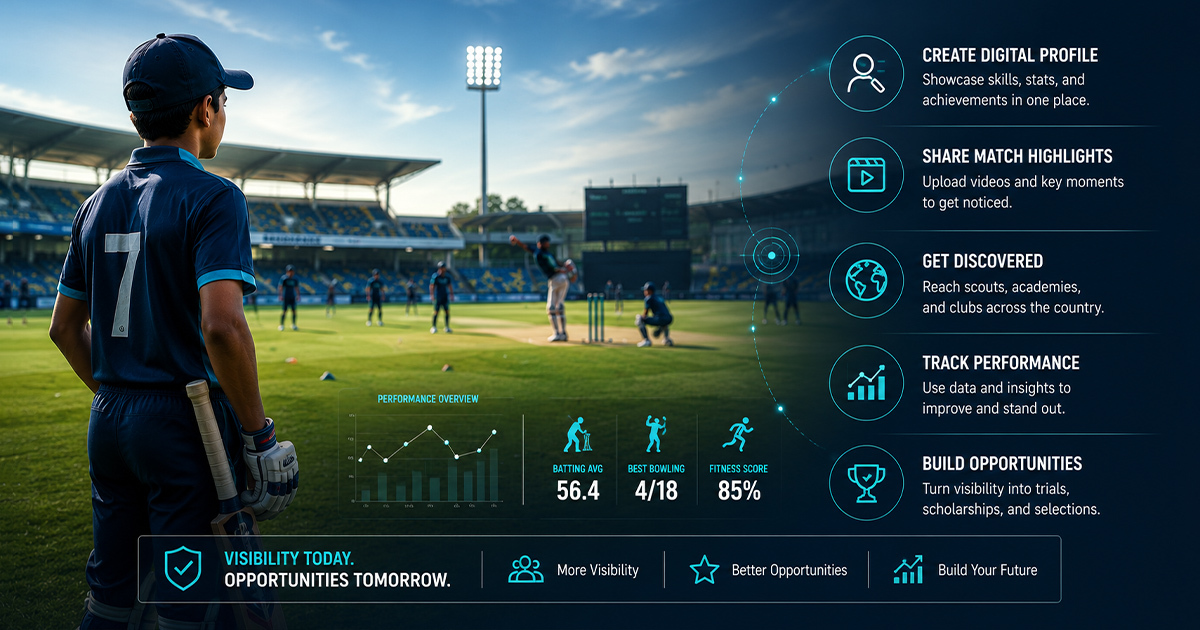 Read More about Cricket Scouting Platform: How Young Players Can Build Visibility
Cricket Scouting Platform: How Young Players Can Build Visibility
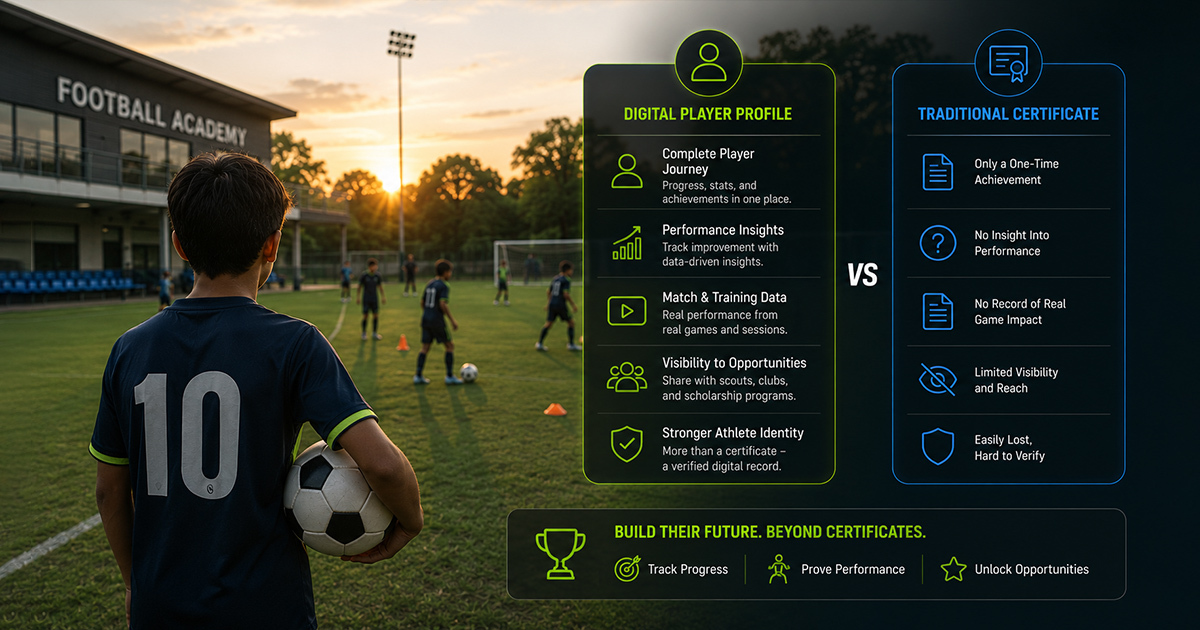 Read More about Digital Player Profiles: Why Young Athletes Need More Than Certificates
Digital Player Profiles: Why Young Athletes Need More Than Certificates
Latest Articles
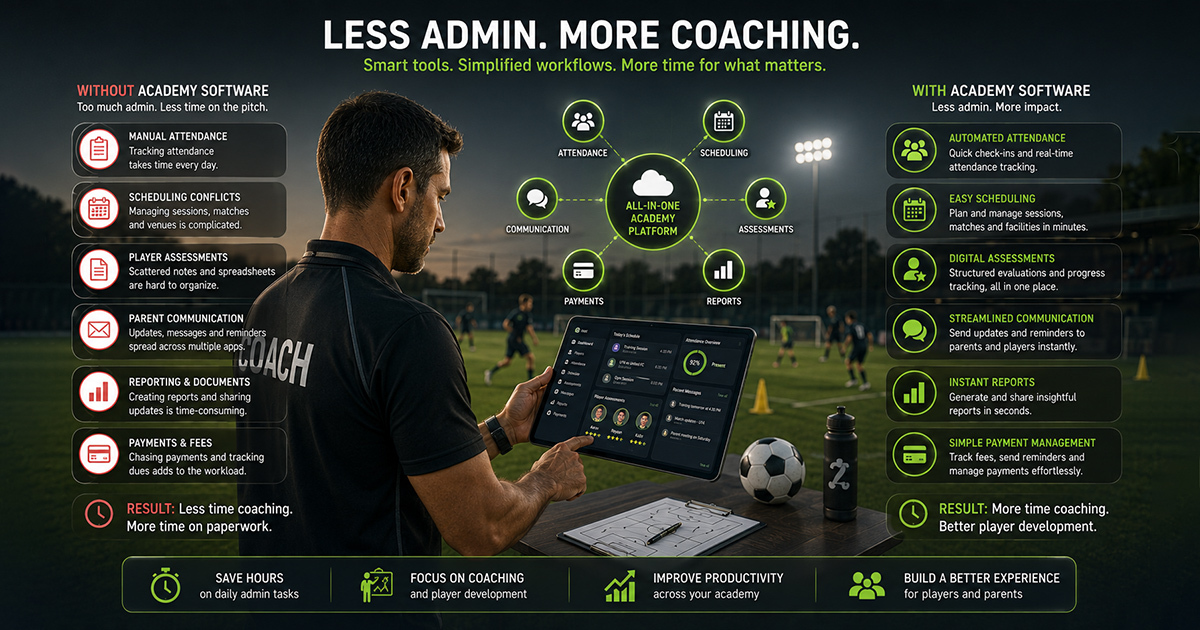 Read More about How Sports Academies Can Reduce Admin Work for Coaches
How Sports Academies Can Reduce Admin Work for Coaches
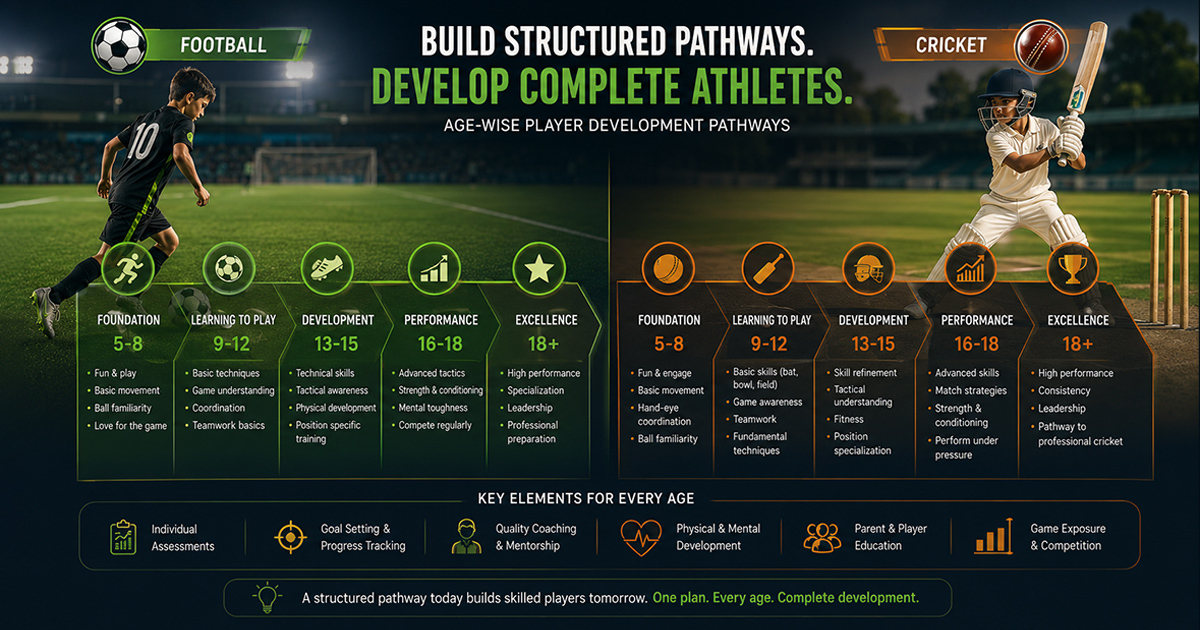 Read More about How to Build Age-Wise Player Development Pathways in Football and Cricket
How to Build Age-Wise Player Development Pathways in Football and Cricket
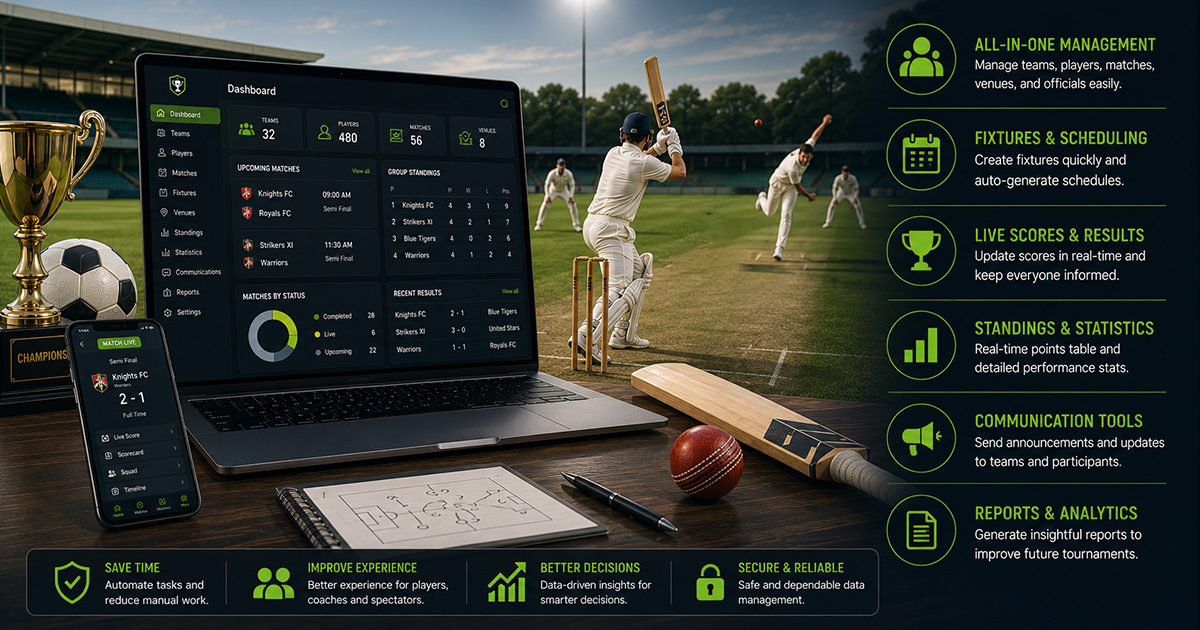 Read More about Tournament Management Software for Football and Cricket Organizers: A Practical Guide
Tournament Management Software for Football and Cricket Organizers: A Practical Guide
Ready to Bring Structure to Your Academy?
Let’s walk through your current setup and show you how 8lete can improve it.


