



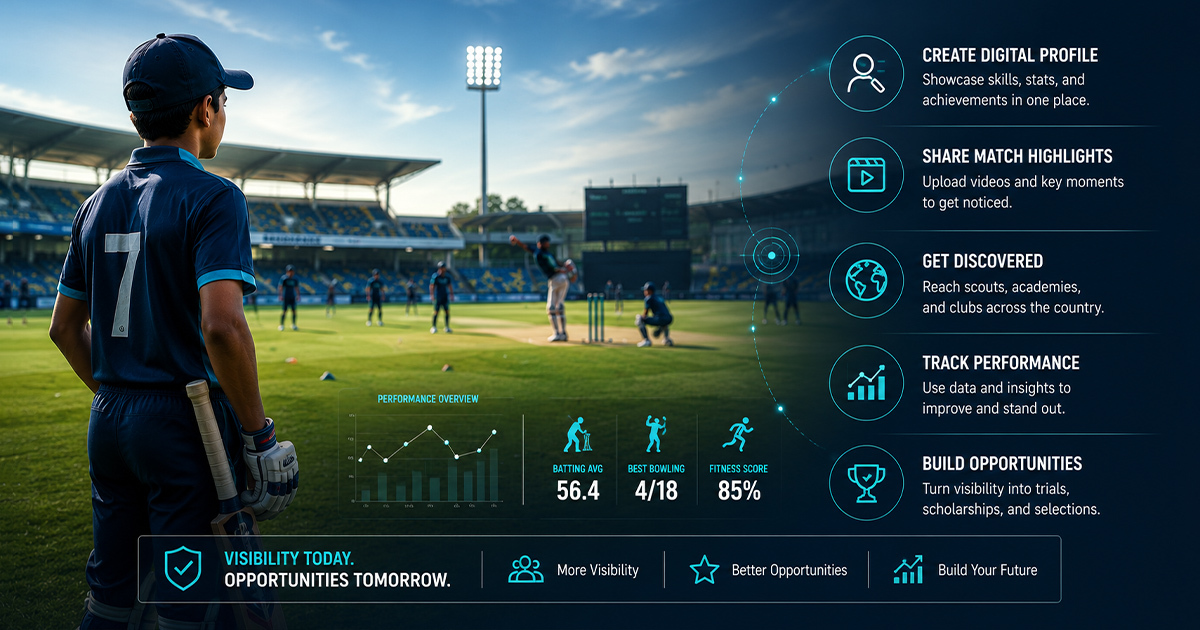
Cricket Scouting Platform: How Young Players Can Build Visibility
A cricket scouting platform is a structured digital tool that helps young players showcase talent, track progress, and connect with scouts and academies. Many aspiring cricketers and their parents face the challenge of being noticed in a crowded grassroots environment where talent alone is not enough. Visibility through clear progress tracking, consistent feedback, and goal-oriented development is key for long-term growth. This article explores practical ways young players can build their cricket profiles using scouting platforms, emphasizing structured development, communication, and strategic exposure.
Key Elements of a Cricket Scouting Platform for Player Visibility
A cricket scouting platform is more than just a digital resume. It integrates data, video, and coach feedback into a single profile that scouts and coaches can access easily. The goal is to present consistent, verified progress rather than isolated highlights.
Important elements include player assessment records (batting, bowling, fielding), attendance logs, training session summaries, match performances, and communication channels for parents and coaches. Together, these facilitate long-term player visibility, connecting grassroots cricket talent to opportunity.

Practical Framework: Building Your Cricket Profile for Scouting
Building a cricket profile for scouting requires a structured approach focusing on multiple aspects that boost a player’s visibility strategically. Here is a 6-point framework:
- Set Clear Development Goals: Identify specific skills to improve each season (e.g., bowling control, shot selection) and communicate these within your profile.
- Consistent Training and Attendance: Track and display attendance records to demonstrate discipline and commitment.
- Regular Player Assessments: Include up-to-date batting, bowling, and fielding assessments based on structured criteria relevant to your age group.
- Coach Feedback Integration: Archive detailed coach notes on technical and mental aspects to show responsiveness and growth.
- Video Highlights and Match Reports: Upload well-curated videos showing match temperament, technique, and tactical awareness alongside detailed match stats.
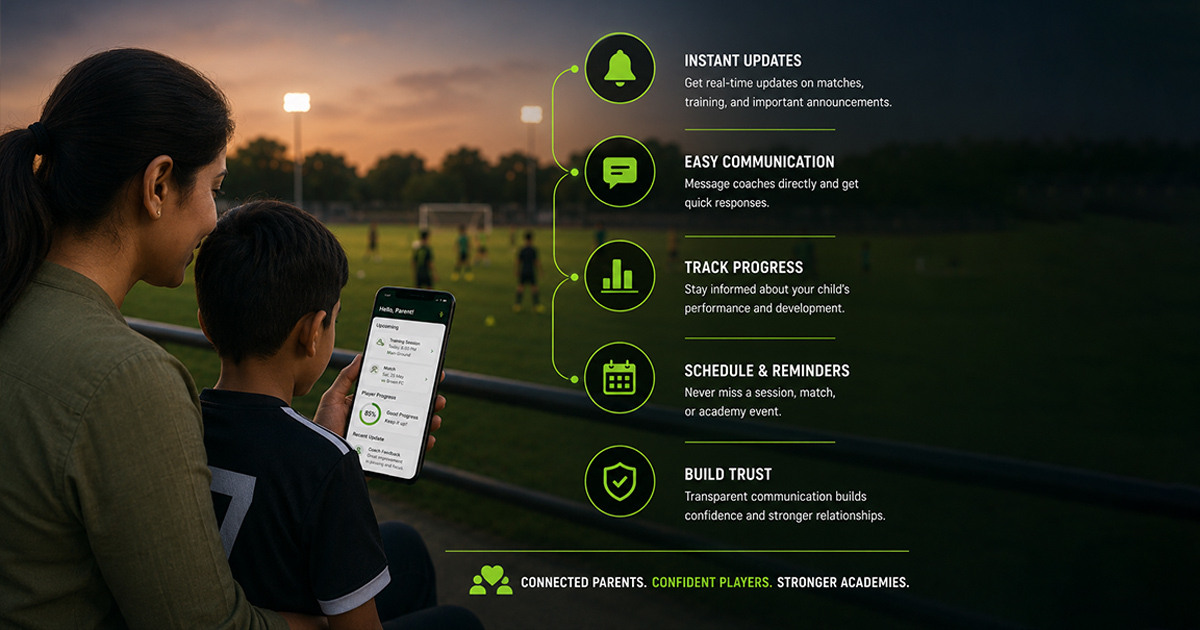
- Parent and Academy Communication: Maintain active communication streams for questions and progress updates, increasing transparency and trust.
Each element emphasizes practical, verifiable development rather than one-off performances, helping scouts identify players with consistent growth patterns and mental readiness.
Why Young Players Struggle with Visibility Without a Scouting Platform
Many talented young players do not get noticed simply because their progress and skills are not documented clearly. Reliance on informal word-of-mouth or occasional trial matches leads to missed opportunities.
For example, a batter with improving footwork and shot selection may go unnoticed if their match performances are not captured regularly or if coaches do not provide structured feedback. Similarly, bowlers who have rhythm and control but lack video evidence lose out to better-documented peers. A consistent scouting platform bridges this gap.
Role-Wise Visibility Actions: Players, Coaches, Parents, and Academy Owners
Players: Take ownership of recording your sessions, matches, and skill improvements. Regularly review coach feedback and work on highlighted areas. Share your profile professionally with scouts and tournaments.
Coaches: Document structured assessments and provide actionable, specific feedback after every session or match. Use the scouting platform to track attendance and training intensity. Guide players in meaningful profile upkeep.
Parents: Understand the importance of visible progress tracking. Encourage your child to maintain consistent training and communicate with coaches. Ask for clear reports rather than vague updates.
Academy Owners: Implement systems that automate attendance, fee management, player assessments, and communication. Promote the use of scouting platforms for player visibility and facilitate connections with scouts.
Age-Wise Implementation: From U10 to U21
Visibility-building strategies must evolve with age and development stage:
- U10–U13: Focus on fundamental skills, consistent attendance, and early exposure to match situations. Begin simple video recordings and basic coach feedback.
- U14–U17: Emphasize technical refinement, mental development, and tactical awareness. Detailed assessments and video highlights become important, alongside consistent communication.
- U18–U21: Showcase performance under pressure, leadership, and specialized skills. Profiles should highlight match analysis, fitness data, and documented coach recommendations. Structured scout interaction is key.
Visibility in cricket grows from disciplined training, structured feedback, and consistent progress tracking.
Practical Checklist for Using a Cricket Scouting Platform Effectively
Players, coaches, and academies should review these practical checks regularly to maintain effective visibility and progress tracking:
- Are player goals clearly defined and routinely updated?
- Is attendance tracked and visible in profiles?
- Are batting, bowling, and fielding skills assessed through consistent, standardized criteria?
- Do coach notes include specific feedback on strengths and areas to improve?
- Have relevant match videos and highlights been uploaded and tagged accurately?
- Is progress communicated clearly to parents at regular intervals?
- Are players proactive in sharing their profiles with scouts and tournament organizers?
- Does the academy support scouting visibility through technology-enabled workflows such as attendance to reporting?
Common Mistakes in Building Cricket Player Visibility and Their Fixes
1. Inconsistent Training Data: Without regular updates, progress appears unclear. Fix: Use attendance management systems combined with scheduled assessments to ensure data completeness.
2. Neglecting Coach Feedback: Players ignore detailed feedback, hampering improvement. Fix: Coaches should provide clear, written notes accessible via the platform and review them with players.
3. Poor Video Quality or Selection: Random clips don’t highlight key skills. Fix: Prioritize high-quality, scenario-based videos showing decision-making and technique under pressure.
4. Limited Parent Engagement: Parents remain unaware of progress, leading to unrealistic expectations. Fix: Share regular progress reports and encourage queries through structured parent communication modules.
5. Manual, Fragmented Systems: Academies managing scouting data manually can lose records. Fix: Adopt digital platforms connecting attendance, training, assessments, and communication for streamlined visibility.

Practical 8lete-Aligned Workflow for Player Visibility
A structured workflow maximizes the benefits of a cricket scouting platform. Here is an operational sequence that grassroots academies and players can adopt:
- Session Planning: Define training focus and objectives for each player, aligned with their cricket development plan.
- Attendance Management: Record and track player turnout regularly to demonstrate commitment.
- Player Assessments: Conduct skill evaluations using standardized criteria post-session or match.
- Coach Notes: Capture detailed feedback on technical, tactical, and mental aspects linked directly to assessment data.
- Parent Reports: Generate concise progress reports highlighting assessment results, attendance, and coach insights.
- Profile Sharing: Encourage players to update and share their digital profile with scouts and selection committees.
- Next Goal Setting: Plan actionable next steps for skill development based on data and feedback.
This cycle reinforces transparency and sets up sustained, tracked development that scouts can easily evaluate over time.
Grassroots Examples of Building Visibility Using a Scouting Platform
1. A young bowler at a community cricket academy improved line and length through weekly AI-powered skill assessments uploaded to his profile. Coaches provided session notes, and parents received monthly summaries, all accessible to local scouts.
2. A batter struggling with footwork began sharing match highlight reels emphasizing shot selection and timing. Combined with coach feedback and attendance records on the platform, his visibility increased among district selectors.
3. An academy owner used a digital management system to connect player assessments, session attendance, and parent communication, enabling consistent scouting readiness and efficient talent identification.
Frequently Asked Questions
What is a cricket scouting platform and how does it work?
A cricket scouting platform is a digital system that compiles player data such as skill assessments, attendance, match performances, and coach feedback into a central profile. It allows players to showcase consistent development and helps scouts identify emerging talent by providing verified, structured information.
How can young players get noticed in cricket through scouting platforms?
Young players can build visibility by setting clear skill goals, regularly updating their profiles with assessments and video highlights, maintaining attendance discipline, responding to coach feedback, and proactively sharing their profiles with scouts and academies.
How do coaches use cricket scouting platforms to support player development?
Coaches use these platforms to conduct standardized skill assessments, record detailed feedback, track attendance, and communicate progress with parents. This structured approach helps identify improvement areas and highlights ready prospects for selectors.
Why is parent communication important in building player visibility?
Regular, clear communication with parents ensures they understand the player's progress, realistic expectations, and next steps. It fosters a supportive environment and reduces misunderstandings or pressure that can hinder development.
What age group benefits most from using a cricket scouting platform?
All age groups benefit, but functionality evolves with age. U10–U13 focuses on basic skill recording and attendance; U14–U17 adds detailed technical and tactical data; U18–U21 emphasizes match analysis and scout engagement.
How long does it take to build a visible cricket profile using a scouting platform?
Building a credible profile requires consistent updates over multiple months or seasons, showing clear progress rather than one-off achievements. Patience and structured tracking are essential for lasting visibility.
How can academies implement scouting platforms efficiently?
Academies should integrate scouting platforms within their session planning, attendance tracking, player assessments, and parent communications, promoting adoption among coaches, players, and families. Automated workflows reduce manual work and improve data accuracy.
Related Articles
 Read More about Digital Player Profiles: Why Young Athletes Need More Than Certificates
Digital Player Profiles: Why Young Athletes Need More Than Certificates
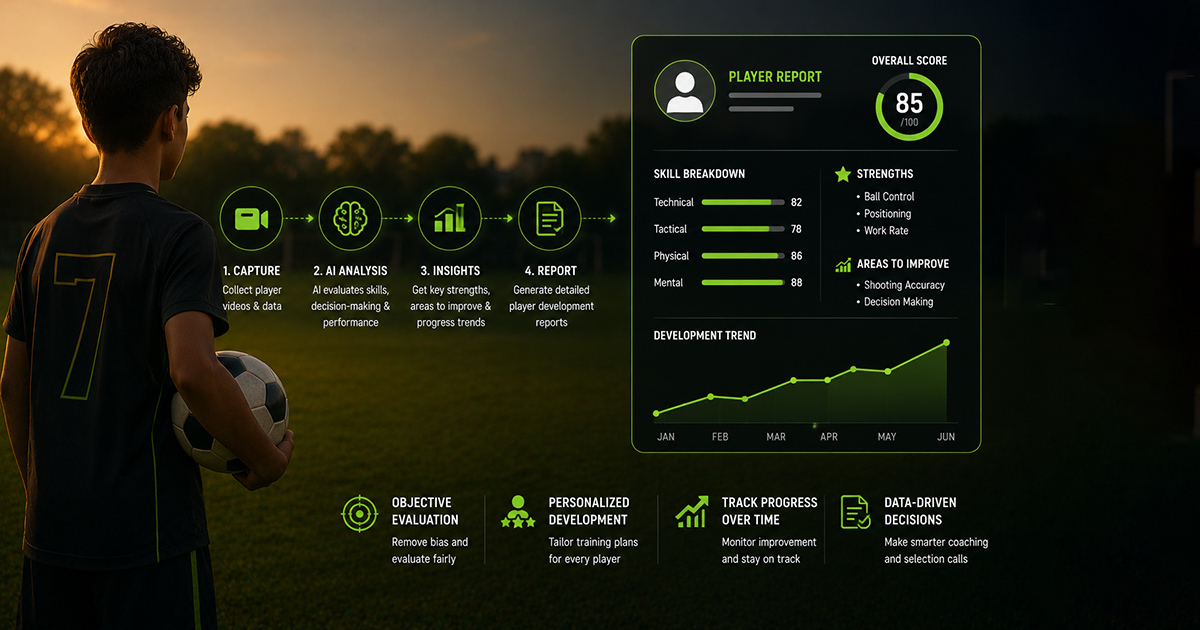 Read More about How to Create Player Development Reports Using AI Assessments
How to Create Player Development Reports Using AI Assessments
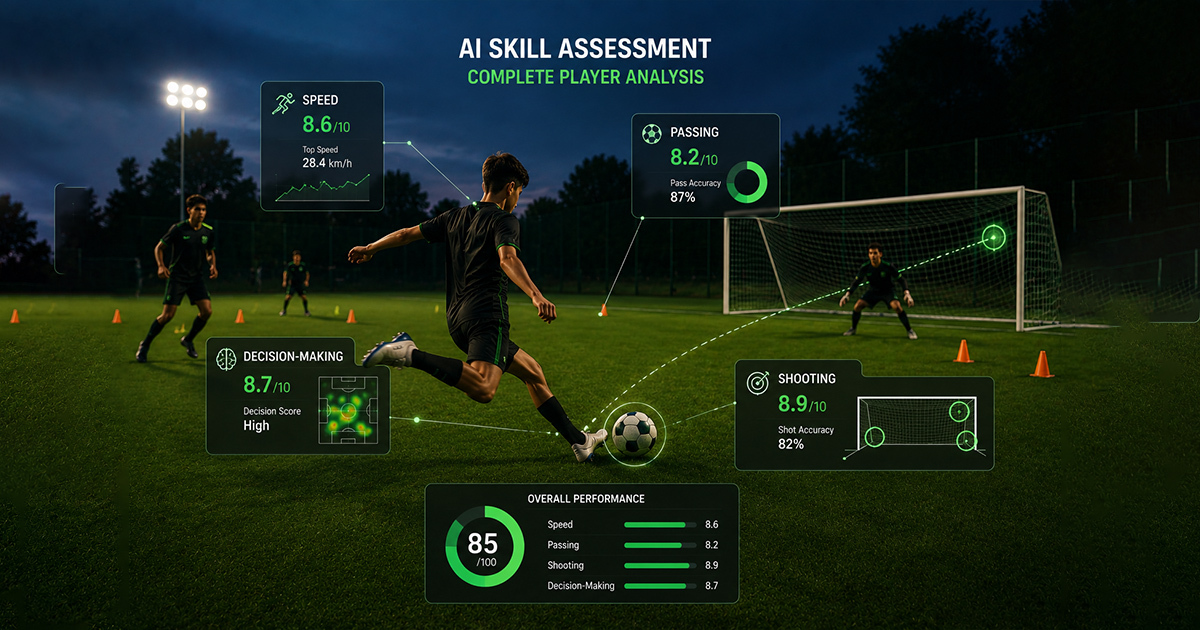 Read More about AI Skill Assessment in Football: Speed, Passing, Shooting and Decision-Making for Player Development
AI Skill Assessment in Football: Speed, Passing, Shooting and Decision-Making for Player Development
Latest Articles
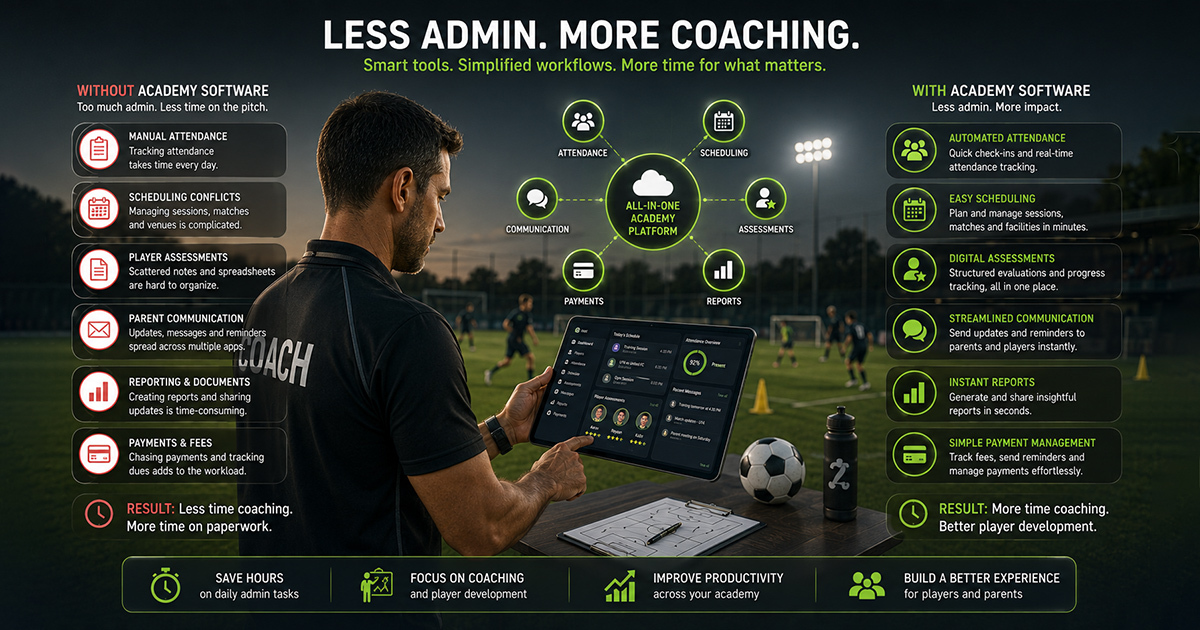 Read More about How Sports Academies Can Reduce Admin Work for Coaches
How Sports Academies Can Reduce Admin Work for Coaches
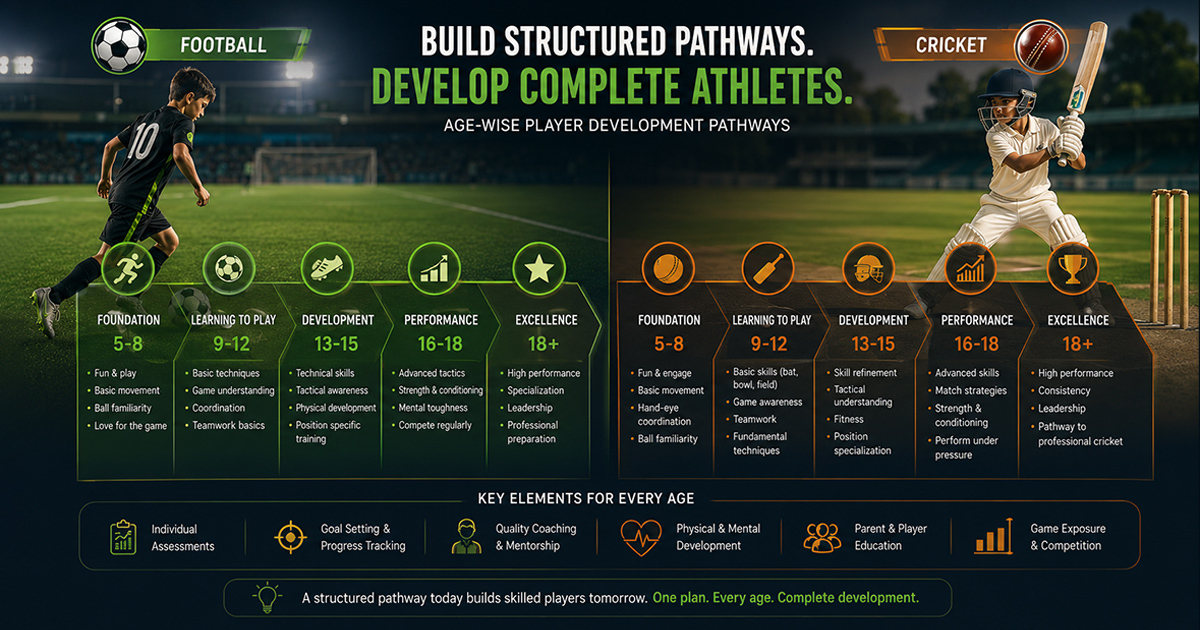 Read More about How to Build Age-Wise Player Development Pathways in Football and Cricket
How to Build Age-Wise Player Development Pathways in Football and Cricket
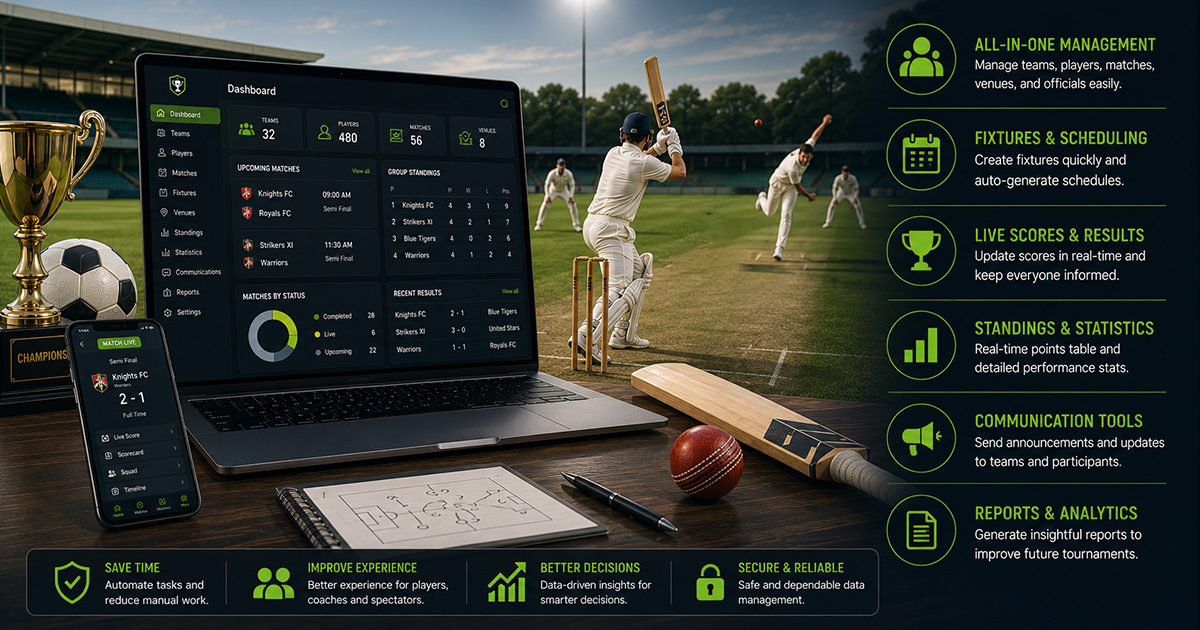 Read More about Tournament Management Software for Football and Cricket Organizers: A Practical Guide
Tournament Management Software for Football and Cricket Organizers: A Practical Guide
Ready to Bring Structure to Your Academy?
Let’s walk through your current setup and show you how 8lete can improve it.


