



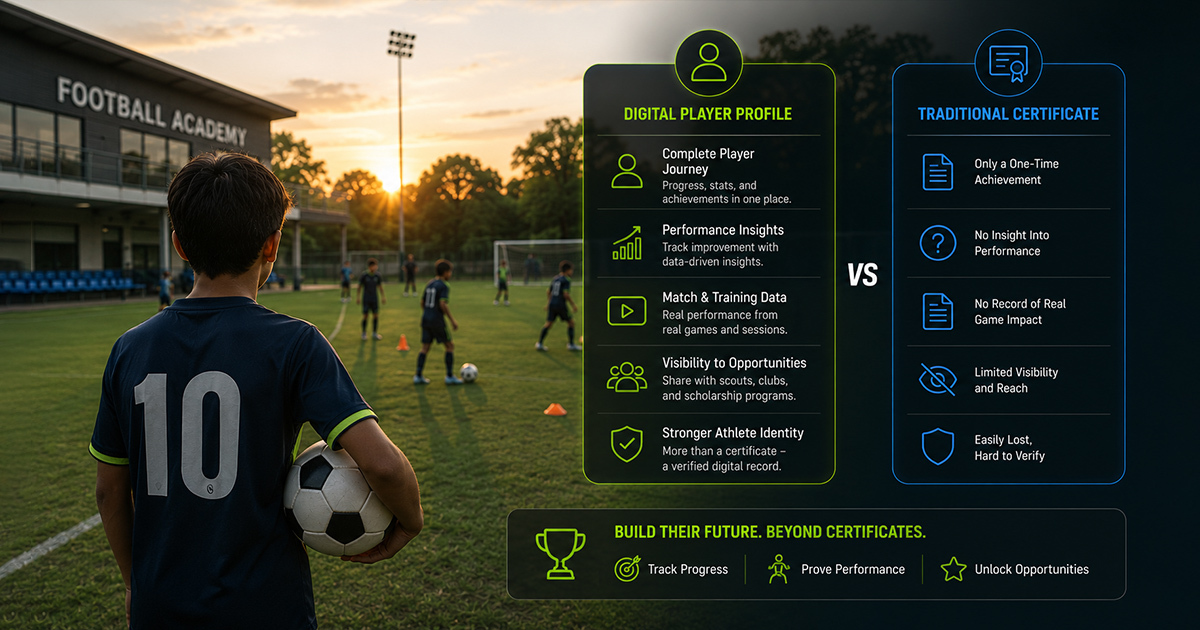
Digital Player Profiles: Why Young Athletes Need More Than Certificates
A digital player profile is a structured, continuously updated record that compiles a youth athlete’s training data, match performances, skills assessments, and coach feedback in one accessible platform. Unlike certificates, which only mark singular achievements, digital profiles provide a comprehensive view of progress over time. For young athletes, coaches, and parents, relying solely on certificates often creates an incomplete development picture. This article unpacks why digital player profiles are essential for real, measurable growth and how they support consistent player development beyond what certificates can offer.
What Are Digital Player Profiles and Why They Matter
A digital player profile collects and organizes performance metrics, attendance, assessments, and feedback into a single, evolving record accessible to all stakeholders. This differs from certificates, which are static and recognize isolated milestones.
For example, a budding football player who receives a certificate for a 3-month training camp has no dynamic record of skill improvement, attendance, coach comments, or match readiness. Without a digital profile, it is difficult to track whether progress is steady, if specific weaknesses remain, or if training goals align with long-term development.
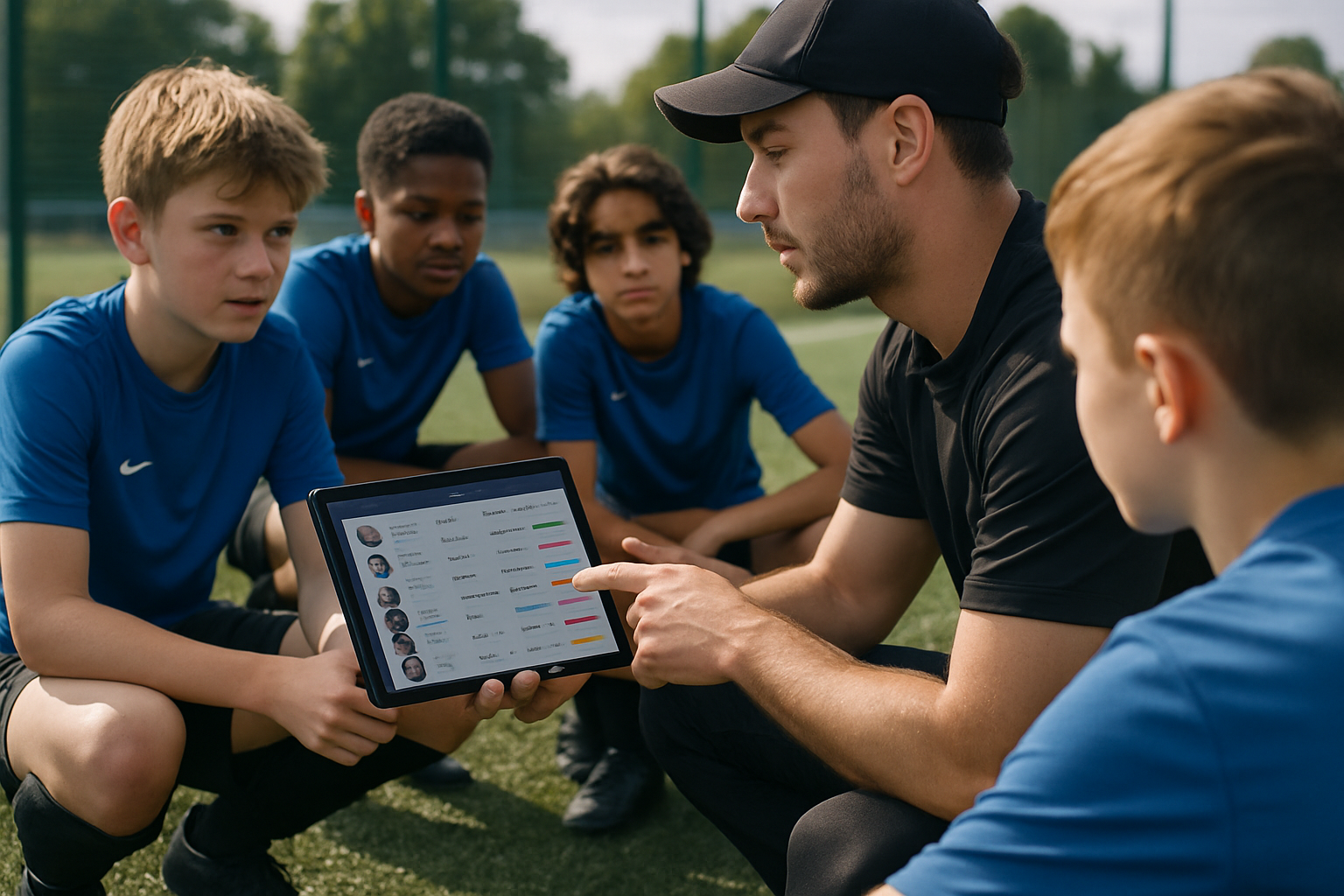
A Practical Framework for Building and Using Digital Player Profiles
Creating effective digital player profiles requires structured data collection and management. Here is a framework to guide academies, coaches, and players:
1. Define clear development goals: Set skill, fitness, tactical, and mental targets for each player aligned with their age and stage.
2. Regularly track training attendance: Attendance discipline impacts development; profiles should log presence for accountability and pattern spotting.
3. Conduct consistent player assessments: Technical and tactical evaluations must be recorded digitally after sessions and matches, covering strengths and areas for improvement.
4. Collect detailed coach feedback: Written notes, ratings, and comments give context to raw assessment data and support personalized learning paths.
5. Share progress updates with parents and players: Transparency through digital reports enhances motivation, trust, and informed support decisions.
6. Use data to adapt training plans: Coaches adjust sessions based on progress trends and flagged challenges identified in profiles.
7. Maintain long-term visibility: Profiles should evolve with the player over years, documenting milestones beyond certificates for future scouting or academy transitions.
How Players, Coaches, Parents, and Academies Benefit Differently
Players gain a clear insight into their progress and receive targeted feedback that helps them take ownership of their development. For instance, a player struggling with decision-making can see specific drills assigned and track improvements objectively.
Coaches can systematically track attendance, assessments, and feedback, improving session planning and player management. Digital profiles replace memory-based tracking with actionable data, enabling more precise player development.
Parents get transparency on their child’s journey beyond certificates. They can understand training consistency, areas needing focus, and realistic progress expectations, helping avoid frustration over short-term setbacks.
Academy owners benefit from standardized data workflows linking attendance, fees, assessments, and reports. This improves operational efficiency and builds trust with families through reliable progress communication.
Age-Wise Implementation: From Beginners to Advanced Youth Athletes
Implementing digital player profiles should be staged to match developmental readiness and resources:
U8–U10 (Foundation stage): Focus on attendance logging, basic skill milestones, and simple coach comments documented regularly.
U11–U14 (Skill-building stage): Introduce structured assessments covering technique, tactical understanding, and physical attributes with consistent coach feedback recordings.
U15–U18 (Performance stage): Use detailed match data, mental strength evaluations, and tactical adaptability metrics integrated into the profile, supporting personalized development plans.
U19–U21 (Transition to pro): Profiles should maintain comprehensive records accessible to scouts and higher-level academies, linking long-term growth to potential pathways.
Consistent tracking and structured feedback transform potential into real progress for young athletes.
Practical checklist
Here is a checklist to evaluate if your academy or training program leverages digital player profiles effectively:
1. Are player attendance records digitally tracked and linked to individual profiles?
2. Does the profile include ongoing skill and physical assessments, not just final certificates?
3. Are coach feedback notes recorded digitally and reviewed regularly with players?
4. Do parents have access to updated progress reports beyond achievement certificates?
5. Are attendance patterns and performance trends used to adjust training plans?
6. Is long-term player data preserved to support scouting or scholarship conversations?
7. Is the data input process simple enough to ensure consistent use by coaches and staff?
8. Are learning goals and next steps clearly documented in the profile and communicated?
Common mistakes
Relying solely on certificates: Certificates acknowledge milestone completion but don't track day-to-day progress. Fix by pairing certificates with digital profiles logging detailed training and assessment data.
Irregular data updating: Sporadic input reduces profile usefulness. Maintain regular assessment cycles and attendance logging to keep profiles current.
Lack of parent access: Without transparent communication, parents misunderstand progress and lose trust. Provide regular digital reports and summaries.
Overloading profiles with irrelevant data: Excess information can confuse users. Focus on key performance indicators linked to development goals.
No actionable insights from data: Recording data without applying it to improve training or player decisions wastes potential. Coaches must use profiles to adapt sessions and feedback.
Manual, paper-based tracking: Inconsistent and prone to errors. Move to digital tools for accuracy and accessibility.
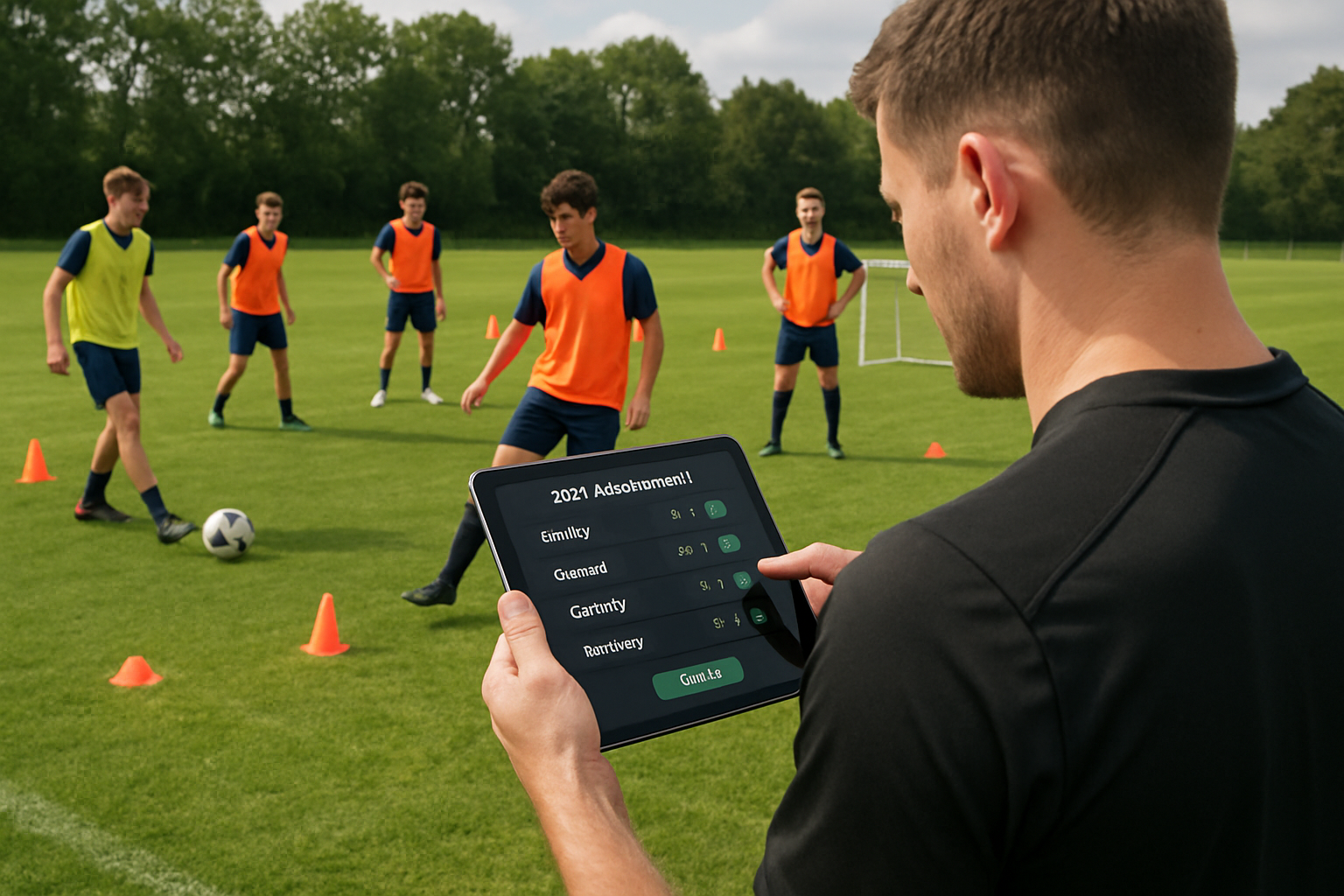
Real grassroots examples of digital player profiles in action
A youth football academy used digital player profiles to track scanner awareness and first touch skills across weekly sessions. When a player’s passing accuracy stagnated, coach notes highlighted positioning errors. Adjusting drills and providing targeted feedback helped the player improve noticeably within two months.
In another example, parents regularly reviewed their child’s attendance and mental strength assessments through a digital report. Understanding dips during exams or illness allowed parents to support and encourage rather than pressure the player, improving morale and focus in return.
An academy owner implemented a structured workflow: session plan, attendance check, skill assessment, coach notes, parent report, and setting next goal digitally. This standardized approach reduced administrative confusion and improved player development consistency.
8lete-aligned workflow for effective player profile management
A practical workflow for building and sustaining digital player profiles consists of:
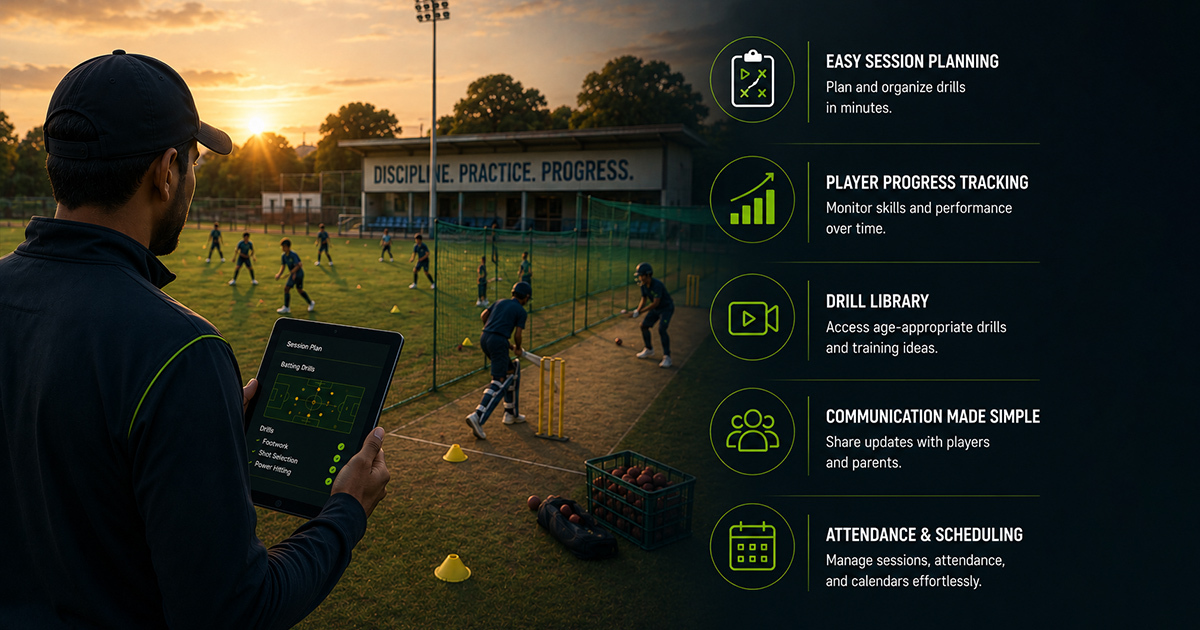
Session Planning & Attendance: Coaches create session goals and track attendance digitally to ensure discipline.
Player Assessments: Following each session, standardized assessments record skills and physical tests digitally.
Coach Notes: Coaches add qualitative feedback and correctives linked to assessments.
Parent Reports: Automated reports summarize progress, attendance, and next steps to parents.
Next Goal Setting: Based on data trends, personalized goals are set digitally for upcoming training cycles.
This cycle promotes transparency, consistent development tracking, and accountability for all stakeholders, creating a growth-focused environment far beyond what certificates alone deliver.
What is a digital player profile in youth sports?
A digital player profile is a comprehensive, evolving record of a young athlete’s attendance, skill assessments, training feedback, and match performance, all stored and accessed digitally. It goes beyond certificates by tracking continuous development rather than isolated achievements.
How can digital player profiles improve youth athlete development?
By providing detailed, up-to-date data on skills, attendance, and coach feedback, digital profiles help identify strengths and weaknesses early. This enables personalized training plans, better communication with parents, and a clearer long-term development pathway.
How do coaches use digital player profiles effectively?
Coaches input regular assessments and feedback after training and matches, monitor attendance patterns, and use profile data to adjust sessions. This structured approach replaces guesswork with evidence-based coaching, improving player learning and growth.
Why are certificates insufficient for tracking young athletes’ progress?
Certificates reflect one-time achievements but miss continual progress and day-to-day development factors. They don’t show attendance consistency, improvement areas, or coach feedback, creating a limited view of player growth.
How can parents benefit from digital player profiles?
Parents get clear visibility into their child’s training consistency, strengths, and areas needing focus. This transparency reduces misconceptions, helps set realistic expectations, and encourages informed support rather than pressure.
What is the best age to start using digital player profiles?
Profiles can start simply from U8–U10 with attendance and basic skills tracking, evolving with age. More detailed assessments and tactical data can be added in U11–U14 and beyond, supporting age-appropriate development stages.
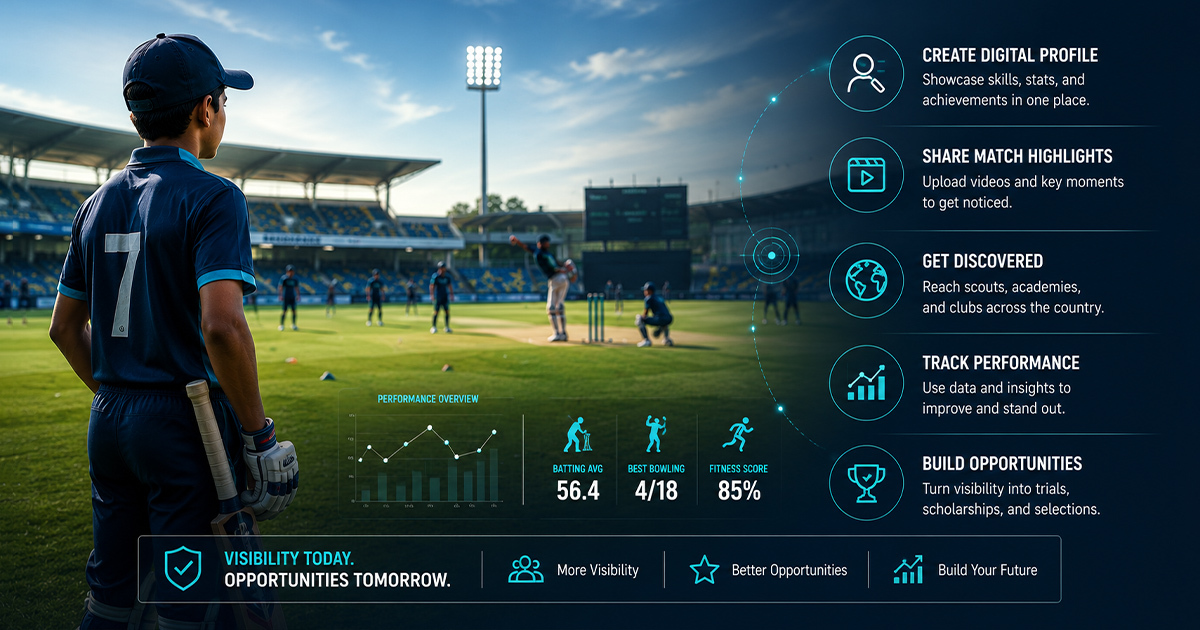
Related Articles
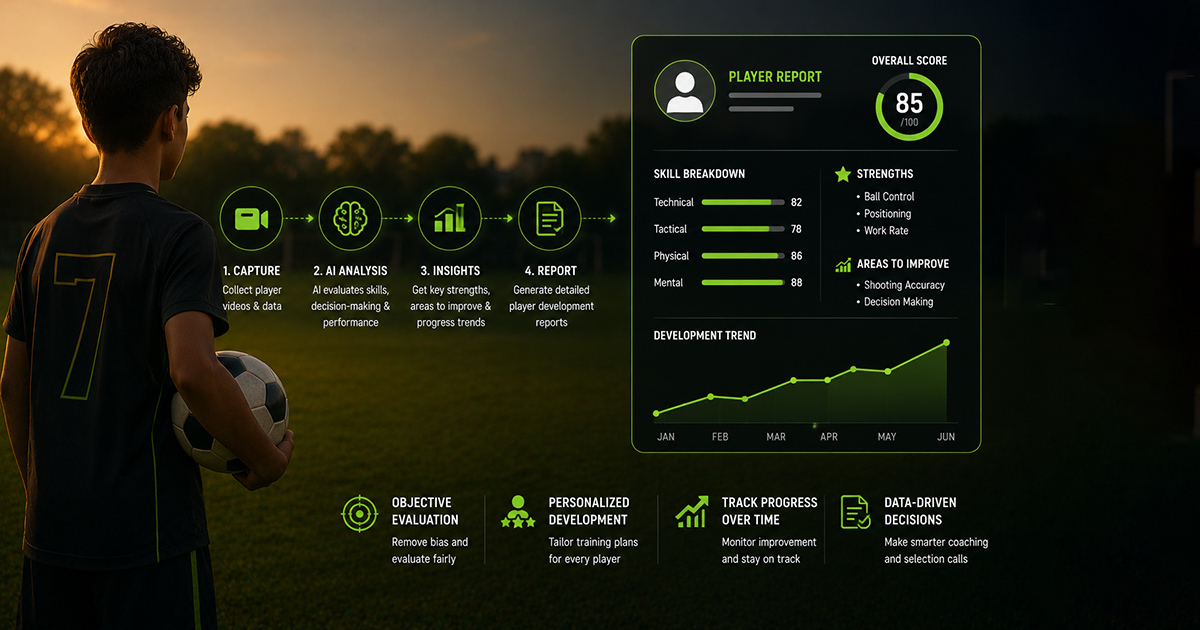 Read More about How to Create Player Development Reports Using AI Assessments
How to Create Player Development Reports Using AI Assessments
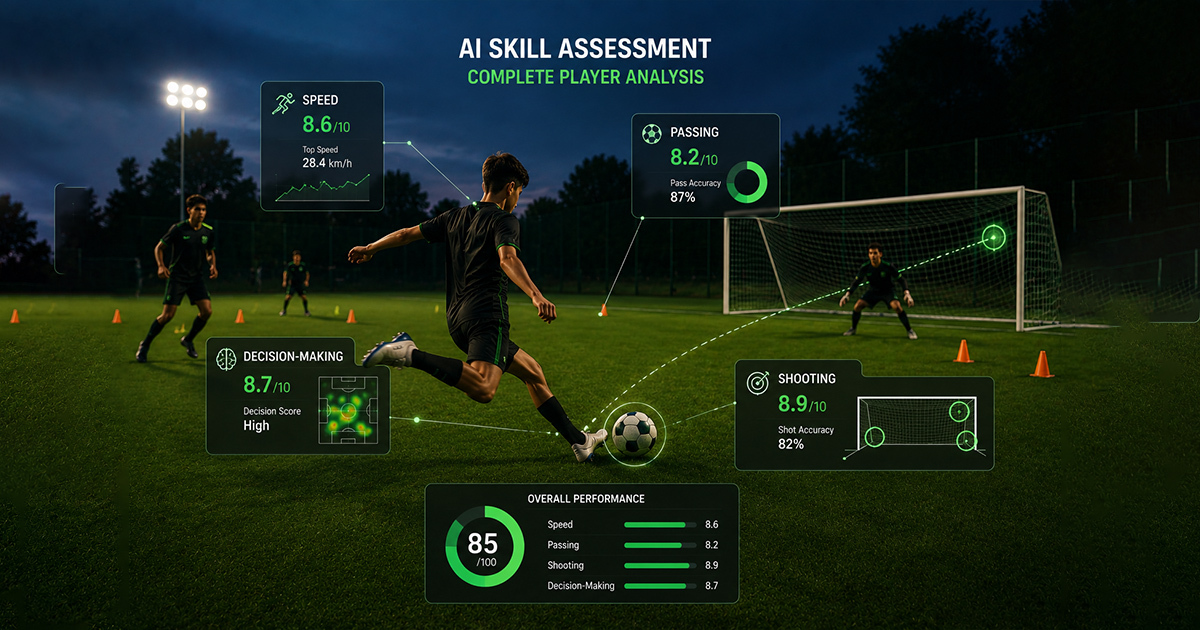 Read More about AI Skill Assessment in Football: Speed, Passing, Shooting and Decision-Making for Player Development
AI Skill Assessment in Football: Speed, Passing, Shooting and Decision-Making for Player Development
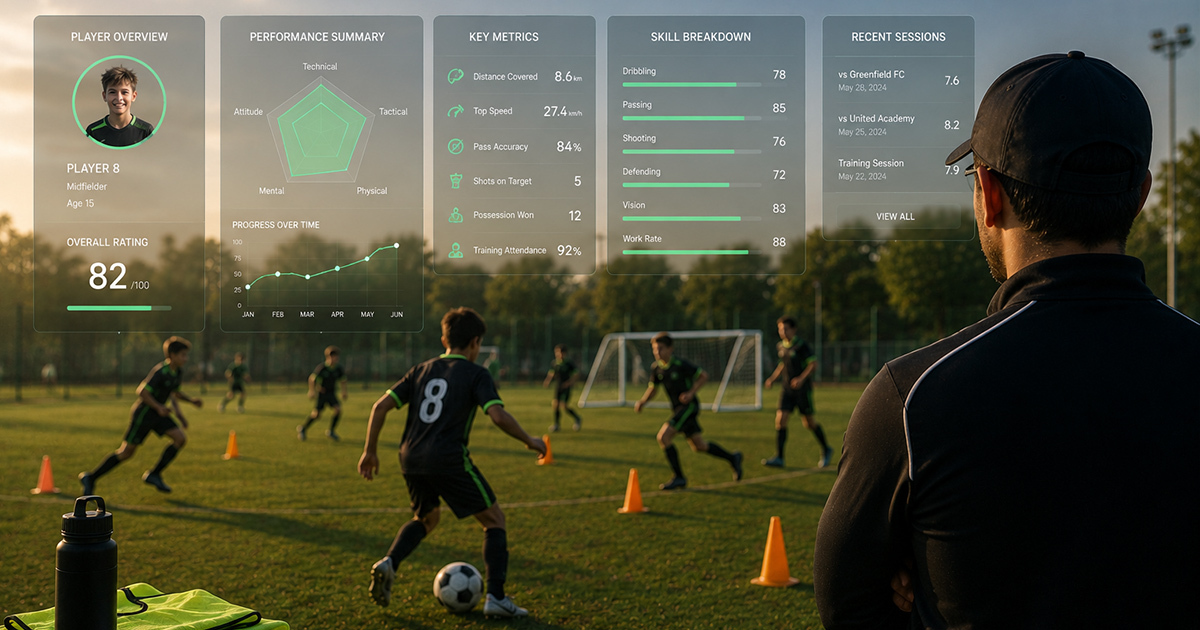 Read More about Player Performance Tracking Software for Grassroots Sports Academies: A Practical Guide
Player Performance Tracking Software for Grassroots Sports Academies: A Practical Guide
Latest Articles
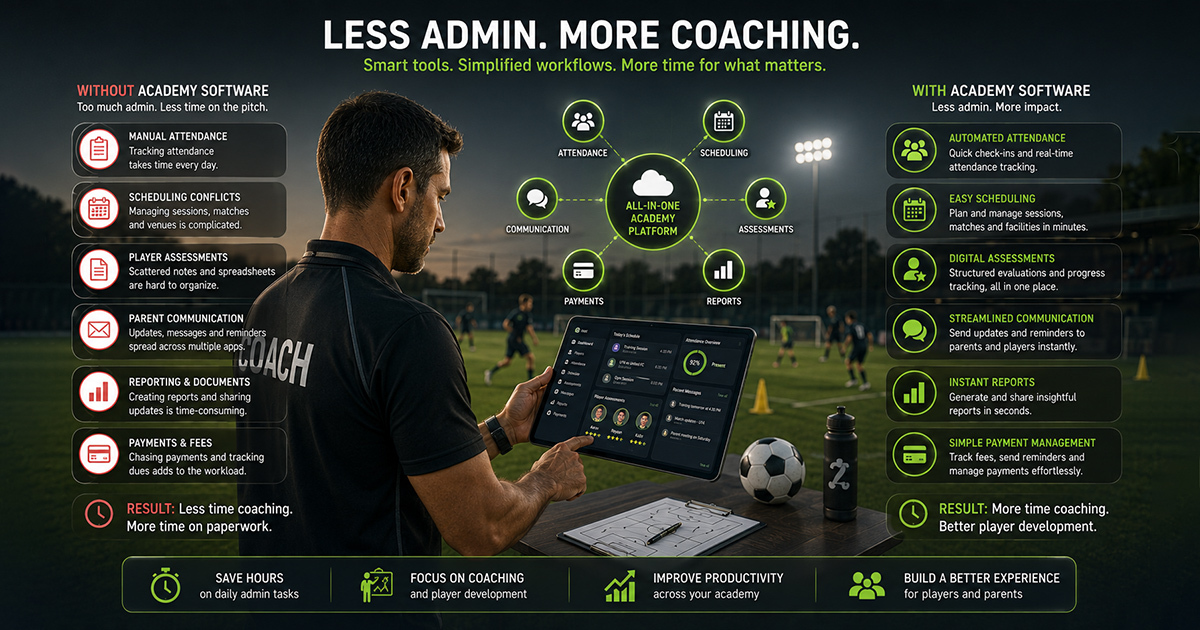 Read More about How Sports Academies Can Reduce Admin Work for Coaches
How Sports Academies Can Reduce Admin Work for Coaches
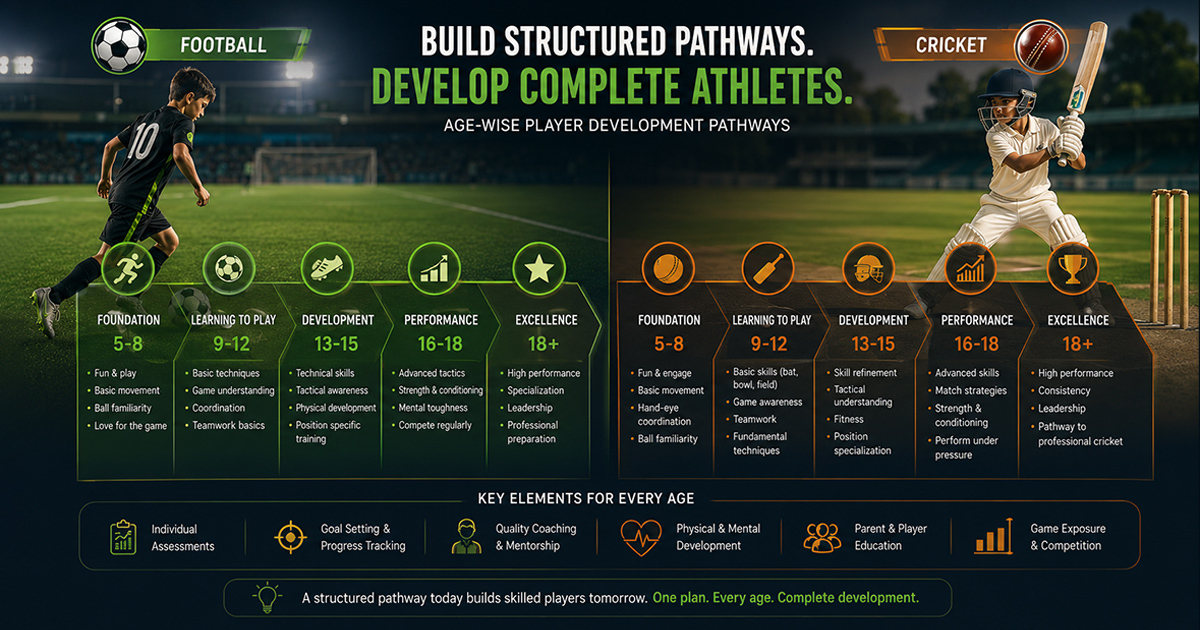 Read More about How to Build Age-Wise Player Development Pathways in Football and Cricket
How to Build Age-Wise Player Development Pathways in Football and Cricket
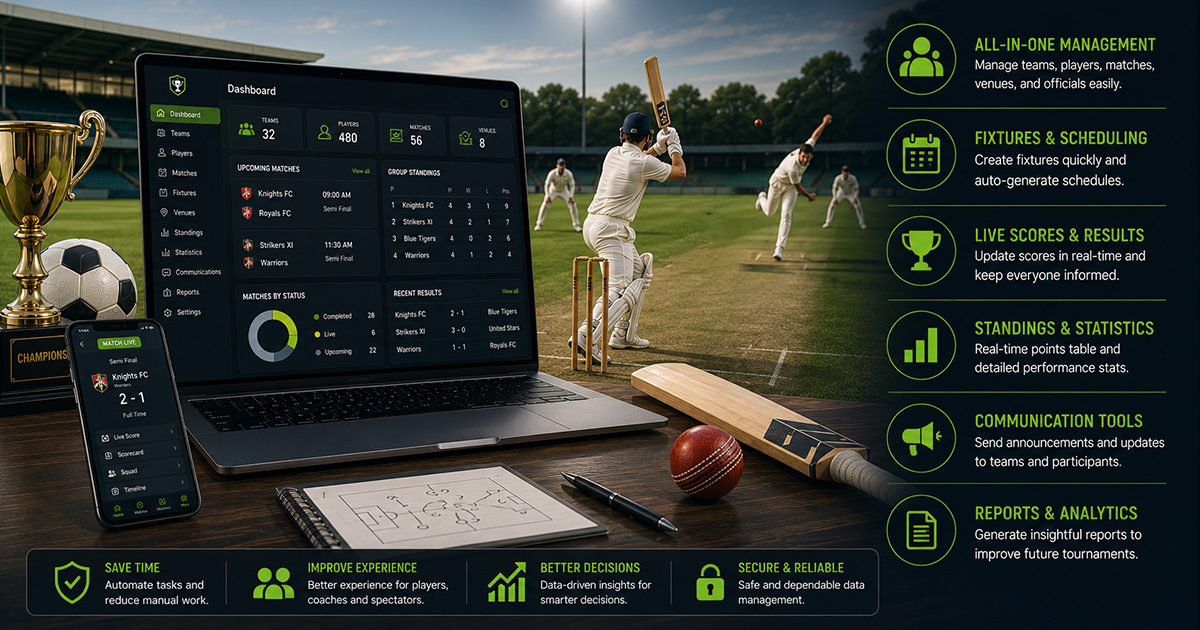 Read More about Tournament Management Software for Football and Cricket Organizers: A Practical Guide
Tournament Management Software for Football and Cricket Organizers: A Practical Guide
Ready to Bring Structure to Your Academy?
Let’s walk through your current setup and show you how 8lete can improve it.


