



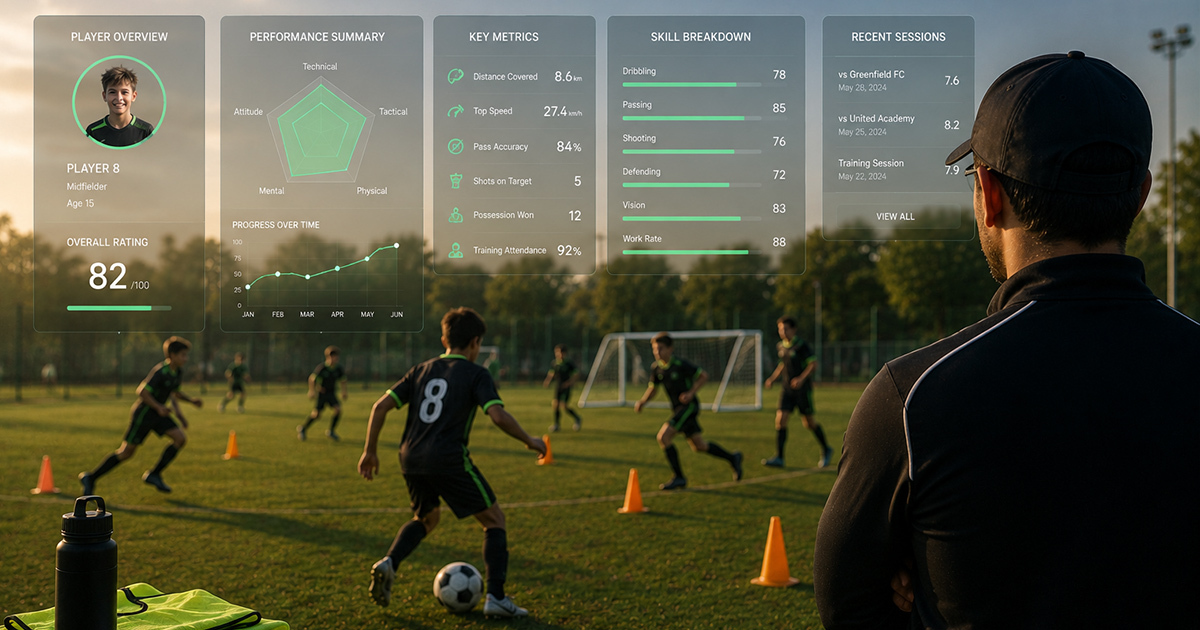
Player Performance Tracking Software for Grassroots Sports Academies: A Practical Guide
Player performance tracking software refers to digital systems that help grassroots sports academies systematically record, analyze, and monitor players' development across skills, fitness, attendance, and match exposure. Many grassroots academies struggle with unstructured progress tracking, making it difficult to identify areas for improvement and communicate effectively with parents and players. This software supports long-term development by connecting training data, coach feedback, attendance, and assessments into one accessible platform, turning raw activity into meaningful growth insights. This article offers a practical guide on how to implement and maximize player performance tracking software for lasting benefits in grassroots sports academies.
Why Player Performance Tracking Software Matters for Grassroots Academies
Consistent and objective tracking is vital for meaningful player development. Without structured tools, coaches rely on memory, personal bias, or incomplete data, reducing clarity on player progress. Tracking software solves these by recording training attendance, skill assessments, and physical metrics digitally, allowing academies to make informed decisions and tailored training plans.
For example, a football academy using manual attendance sheets and verbal feedback struggled to spot players stagnating in decision-making. Switching to tracking software revealed patterns where some players missed tactical sessions, helping coaches intervene early. Systems like these enhance transparency, boost player motivation by showing measurable progress, and improve parent communication through regular reports.
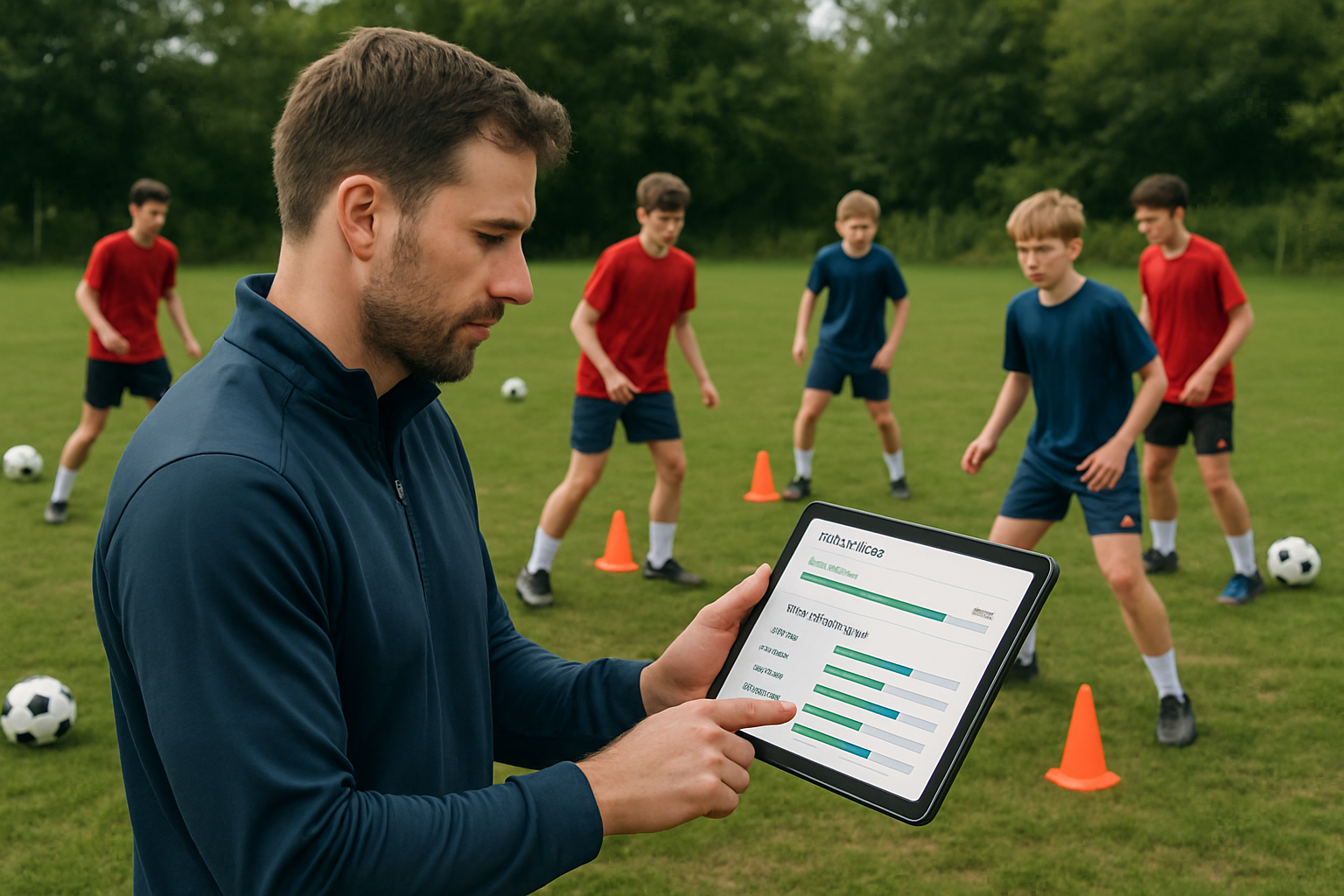
A Practical Framework for Implementing Player Performance Tracking Software
Implementing player performance tracking software successfully requires a step-by-step approach aligned with academy goals. This framework focuses on balancing technology with coaching and player habits:
1. Define Clear Development Goals: Set measurable objectives like improving passing accuracy, stamina, or tactical understanding. Clear targets direct what data to track.
2. Integrate Session Planning and Attendance: Link training session plans with attendance records to spot patterns affecting growth, such as frequent absences or late arrivals.
3. Collect Regular Player Assessments: Use structured skill testing, fitness tests, and coach observations logged digitally after every cycle or match.
4. Enable Coach Feedback Loops: Coaches should input notes on strengths, improvement areas, and next training focus systematically after sessions and matches.
5. Provide Parent and Player Visibility: Generate progress reports sharing concrete data and coach feedback with parents and players. Transparency builds trust and motivation.
6. Analyze Trends for Adjustments: Review aggregate data monthly to adjust training methods, identify fatigue risks, or tweak player roles.
7. Align with Long-Term Development: Track progress over months and years instead of just wins or short-term performance to guide career pathways and talent ID.
How to Choose the Right Player Performance Tracking Software
Choosing the right software depends on the academy size, sport type, and development philosophy. Key features to prioritize include user-friendly interfaces for coaches, custom assessment templates, attendance management, and integrated parent communication tools.
For example, a small football academy focused on youth players preferred a system emphasizing session planning and player skill analytics, while a multi-sport academy opted for broader performance metrics across fitness, attendance, and enrollment. Avoid complex modules that coaches might skip during busy schedules.
Role-Wise Breakdown: Maximizing Benefits of Player Performance Tracking
Players: Engage actively by reviewing personal progress reports, focusing on areas flagged by coaches, and maintaining training attendance. Self-awareness helps embed accountability in daily habits.
Coaches: Use the software to systematically record assessments, attendance, and behavioral notes. This builds objective data for performance reviews and personalized training plans, reducing guesswork.
Parents: Access transparent reports linking training efforts, attendance, and skill progress to understand long-term development, setting realistic expectations without pressure.
Academy Owners: Oversee smooth workflows by integrating player data with batch management, fees tracking, and scheduling. This reduces administrative overhead and supports strategic growth.
Age-Wise Implementation: Tracking Player Performance from U10 to U18+
U10–U12 (Foundation Stage): Emphasize attendance discipline, basic skill assessments, and coach notes on game understanding. Tracking should be simple and encourage participation.
U13–U15 (Technical Development): Add detailed skill metrics such as passing accuracy or shooting consistency. Coach feedback should focus on tactical awareness and match learning. Regular reports help build player motivation.
U16–U18+ (Performance and Specialization): Incorporate fitness tests, psychological tracking, and match performance analytics. Use software to identify long-term growth trends and guide trial or scouting readiness.
Structured tracking turns day-to-day training into clear, measurable progress for players and academies alike.
Practical Checklist for Evaluating Player Performance Tracking Efficiency
Use this checklist to ensure your academy maximizes the value of player tracking software:
- 1. Is attendance linked to training effectiveness and communicated regularly?
- 2. Are player assessments standardized and conducted consistently after sessions?
- 3. Does the system allow coaches to record qualitative feedback linked to player data?
- 4. Can reports be shared with parents and players in a clear, accessible format?
- 5. Does the software accommodate age-group variations in tracking parameters?
- 6. Is session planning integrated with attendance and assessment tracking?
- 7. Are coaches able to track progress trends over multiple months or seasons?
- 8. Does the software support batch management and coach assignment for workload balance?
- 9. Can injury or recovery data be tracked alongside performance metrics?
- 10. Is data export possible for scouting or external review purposes?
Common Mistakes When Using Player Performance Tracking Software
Mistake 1: Collecting Data Without Clear Action Plans
Simply recording data without links to training adjustment wastes effort. Fix: Set predefined goals and use data to adapt sessions and provide personalized feedback.
Mistake 2: Irregular or Inconsistent Assessments
Skipping assessments or doing them sporadically prevents trend analysis. Fix: Schedule skill and fitness tests regularly and log them in the system.
Mistake 3: Poor Parent Communication
Parents feeling out of the loop can misunderstand progress. Fix: Share structured progress reports highlighting strengths, improvements, and next steps.
Mistake 4: Overloading Coaches with Complex Software
When systems are not user-friendly, coaches avoid updating data. Fix: Choose intuitive tools and train staff on workflows emphasizing simplicity.
Mistake 5: Ignoring Attendance Impact in Development
Attendance data is undervalued. Fix: Correlate attendance with skill progression to identify absenteeism effects and intervene early.
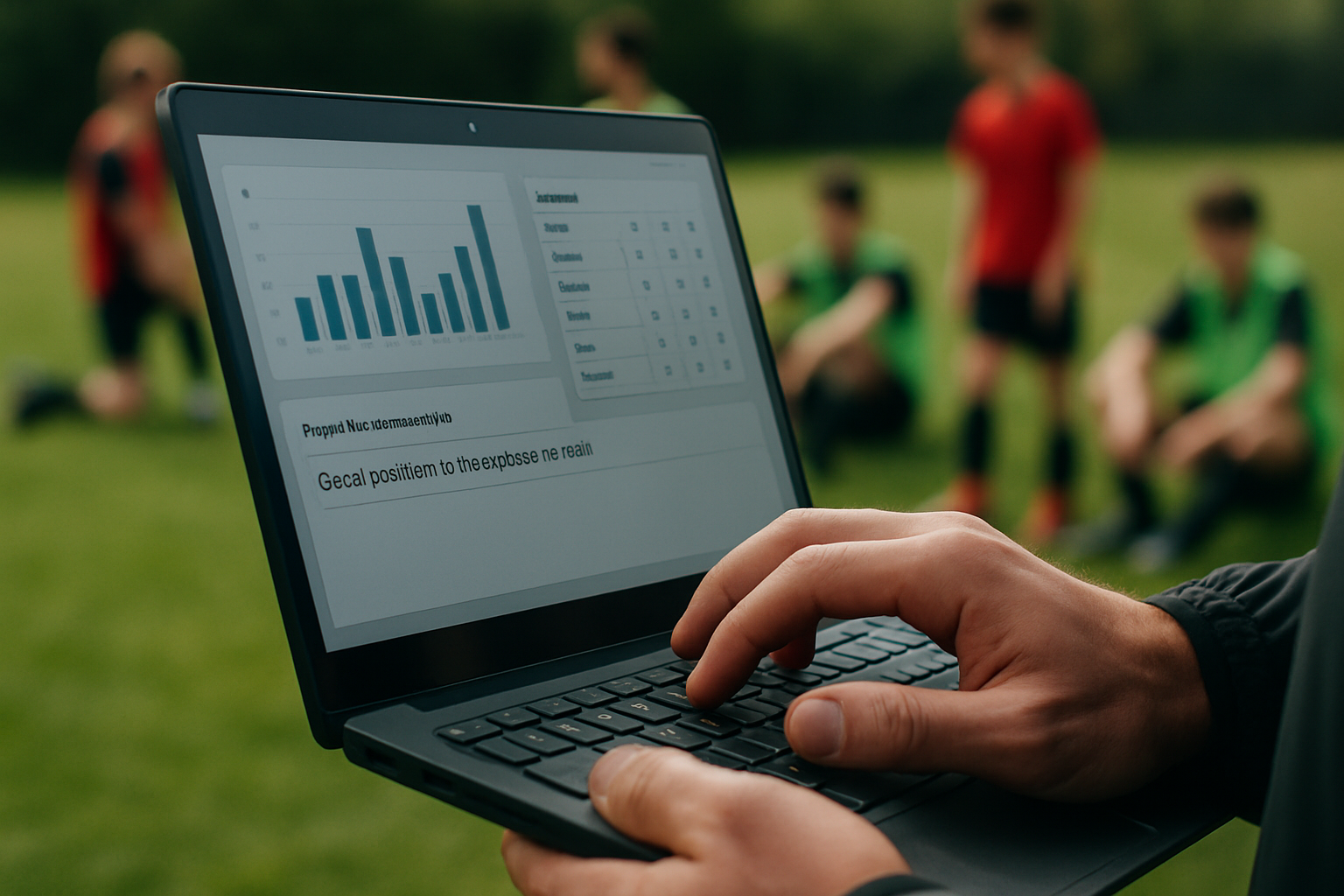
How Academies Can Use a Structured Workflow to Enhance Player Development Tracking
A typical effective workflow involves a cycle starting with session planning where training goals, drills, and assessment focus areas are defined. Attendance is then recorded digitally during sessions to ensure discipline and identify gaps.
After sessions and matches, coaches input detailed player assessments highlighting skill execution, decision-making, and improvement opportunities. These notes feed into automated player progress reports shared with parents and players to maintain transparency and encourage self-driven improvement. The data collected then informs next session planning and batch management, driving continuous growth supported by technology, accountability, and communication.
Concrete Grassroots Examples of Player Performance Tracking in Action
In one grassroots football club, tracking passing success rates over a 3-month period revealed that several midfielders underperformed during matches despite training well. Coaches adjusted focus to scanning drills and small-sided games, improving match decisions.
Another academy used digital attendance combined with fitness test trends to identify players at risk of burnout. Early recovery protocols prevented injuries and kept players active for selection.
A third example is a coach using post-match video analysis integrated into the tracking software to review decision-making and team positioning. The linked data allowed tailored feedback for each player's next training session, supporting focused development.
FAQs: Practical Guidance on Player Performance Tracking Software
For detailed answers to common queries about player performance tracking software, see the FAQ section below.
Conclusion
In summary, player performance tracking software is a foundational tool for grassroots academies committed to structured development. It transforms scattered data points — attendance, assessments, feedback — into connected insights that inform coaching decisions, motivate players, and build parent trust. Implementing such systems requires clarity of goals, coach engagement, and consistent workflows, but the long-term payoff is a sharper visibility of player growth and more effective talent nurturing. In an environment where progress can be slow and variable, structured tracking ensures that every training session and match exposure adds to a clear development journey. Academies that commit to this disciplined approach equip themselves to build stronger players, better coaches, and thriving programs sustained by reliable, actionable information. Investing time and resources in player performance tracking is not just digital adoption — it is creating a culture of continuous, measurable improvement powered by data and commitment.
What is player performance tracking software in grassroots sports?
Player performance tracking software is a digital tool that records and analyzes players' training attendance, skills, fitness, and match performance to support long-term development in grassroots sports academies.
How can coaches use tracking software to improve player performance?
Coaches can systematically log skill assessments, attendance, and behavioral notes to identify strengths and weaknesses, tailor training plans, and monitor progress objectively over time.
How do parents benefit from player performance tracking software?
Parents receive regular, transparent progress reports that connect training effort to skill development, helping them understand realistic growth without undue pressure or guesswork.
Why do some academies struggle with implementing performance tracking software?
Common challenges include choosing overly complex systems, inconsistent data entry by coaches, and lack of clear action plans linked to the data. Simplifying tools and workflows improves success.
How often should assessments be conducted in a grassroots academy?
Regular assessments, ideally monthly or after every key training cycle and matches, help identify trends and adjust coaching focus, ensuring consistent player growth.
What features should I look for in good player performance tracking software?
Prioritize easy attendance logging, customizable assessment templates, coach feedback integration, parent report generation, age-group adaptability, and seamless session planning connection.
Related Articles
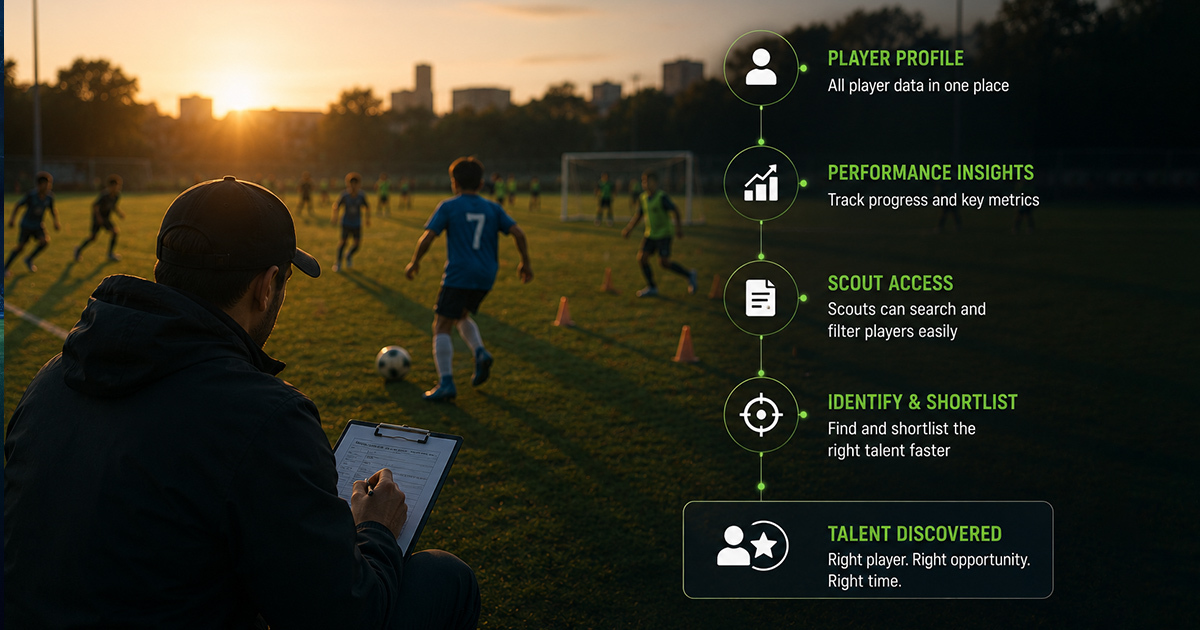 Read More about How Digital Player Records for Talent Scouting Transform Grassroots Football
How Digital Player Records for Talent Scouting Transform Grassroots Football
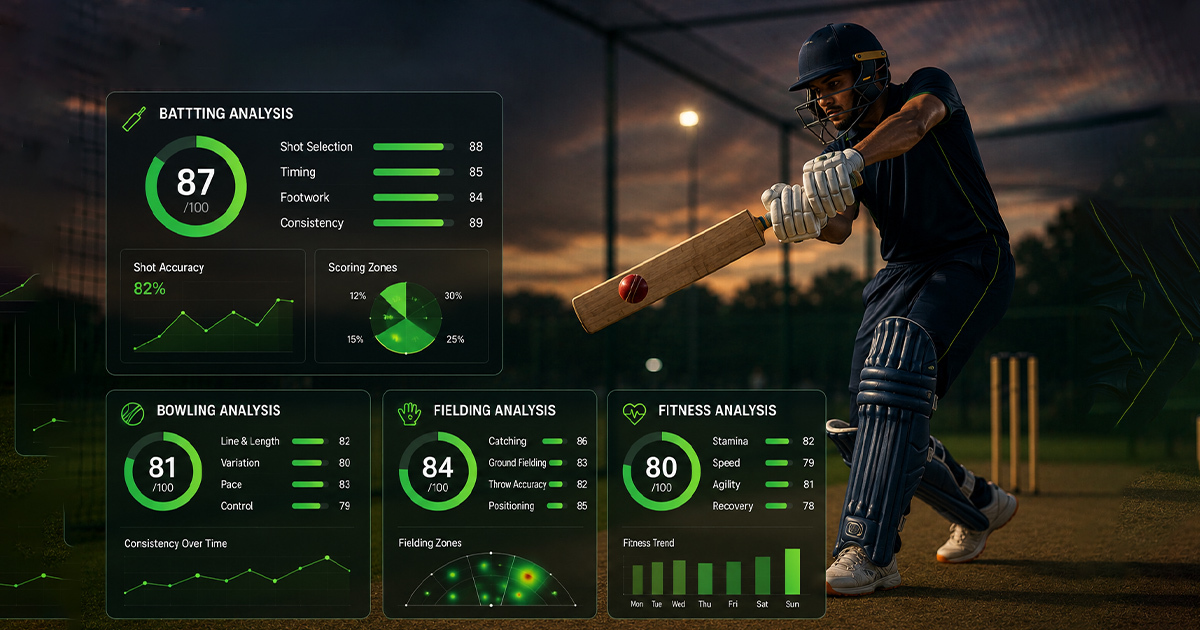 Read More about AI Cricket Skill Assessment: A Comprehensive Guide for Batting, Bowling, Fielding, and Fitness
AI Cricket Skill Assessment: A Comprehensive Guide for Batting, Bowling, Fielding, and Fitness
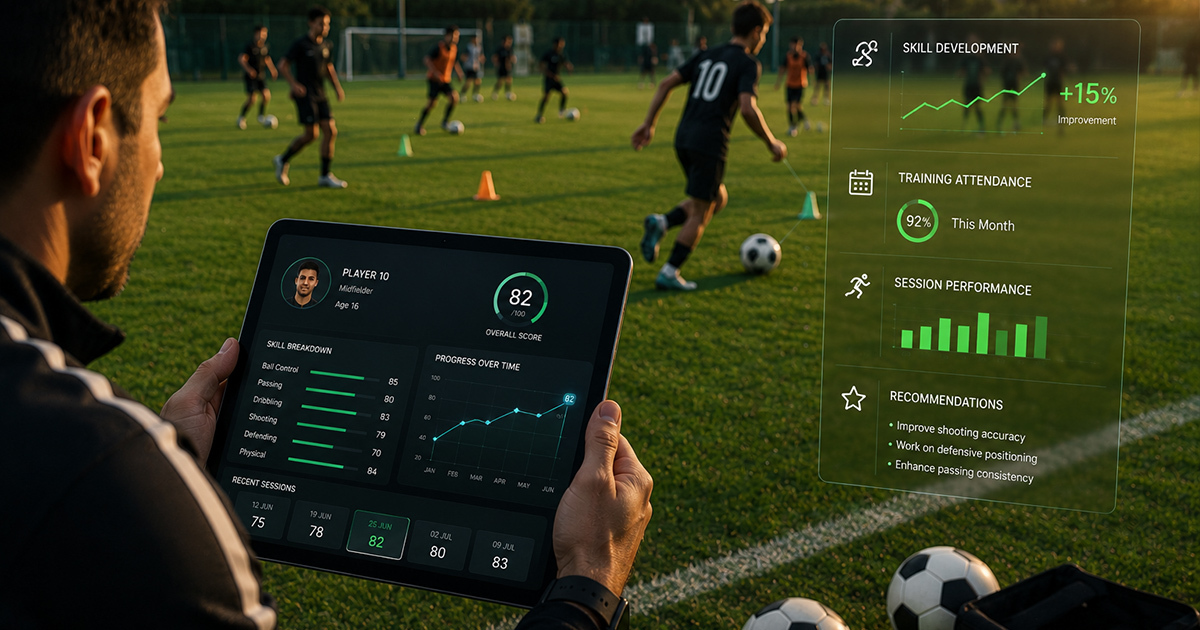 Read More about Football Player Assessment App: How Coaches Can Track Skill Development
Football Player Assessment App: How Coaches Can Track Skill Development
Latest Articles
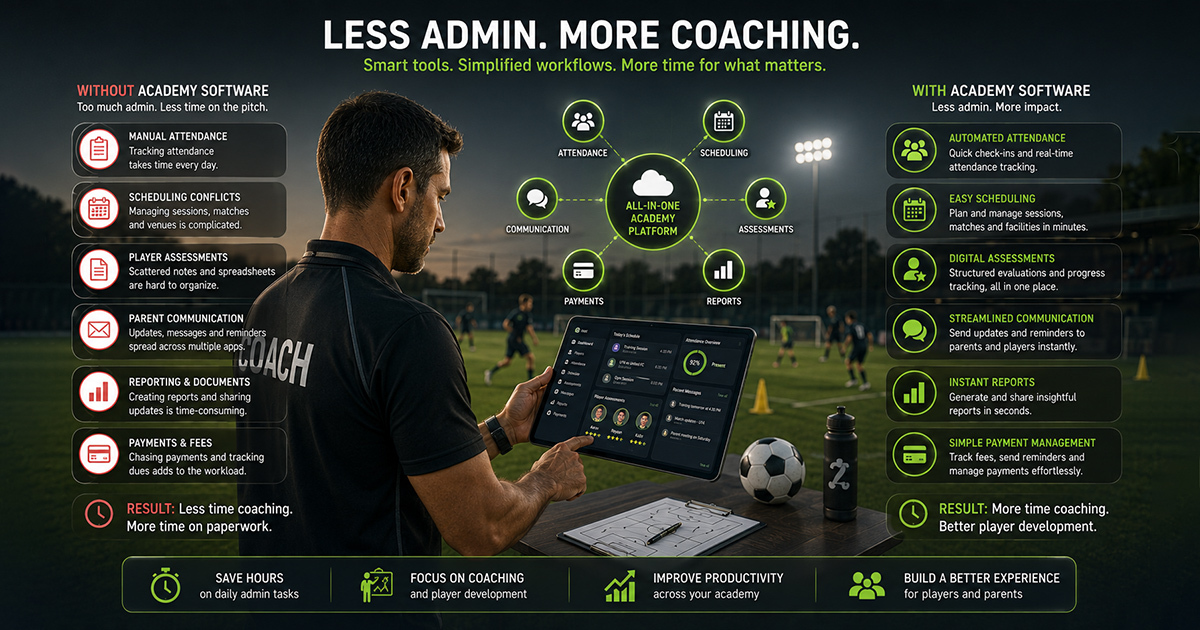 Read More about How Sports Academies Can Reduce Admin Work for Coaches
How Sports Academies Can Reduce Admin Work for Coaches
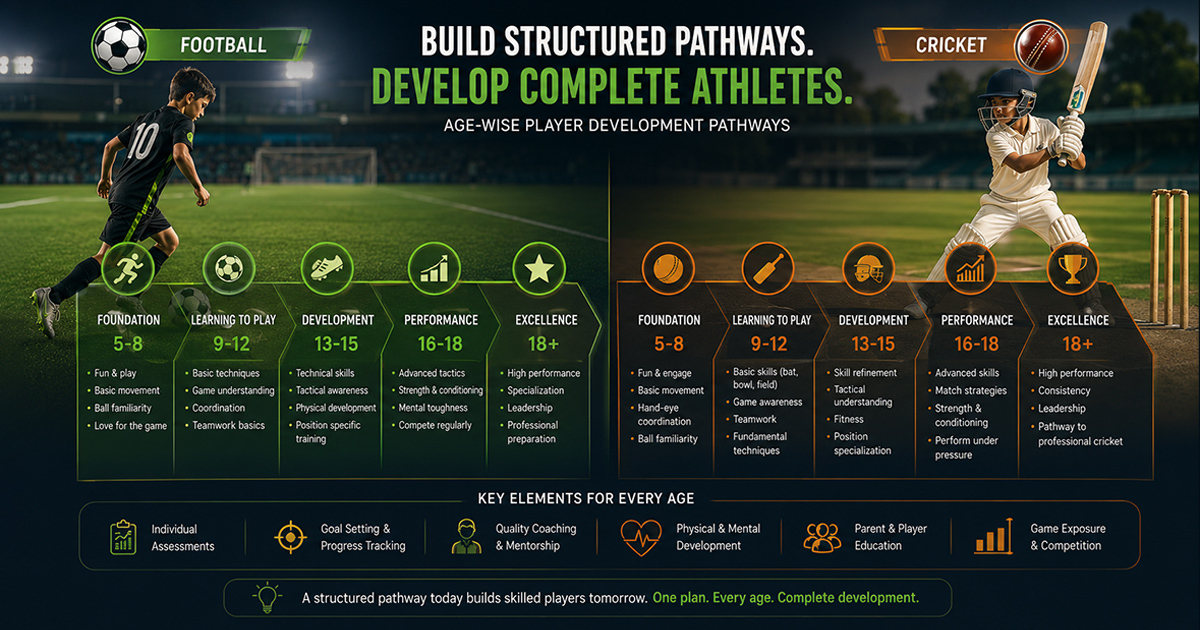 Read More about How to Build Age-Wise Player Development Pathways in Football and Cricket
How to Build Age-Wise Player Development Pathways in Football and Cricket
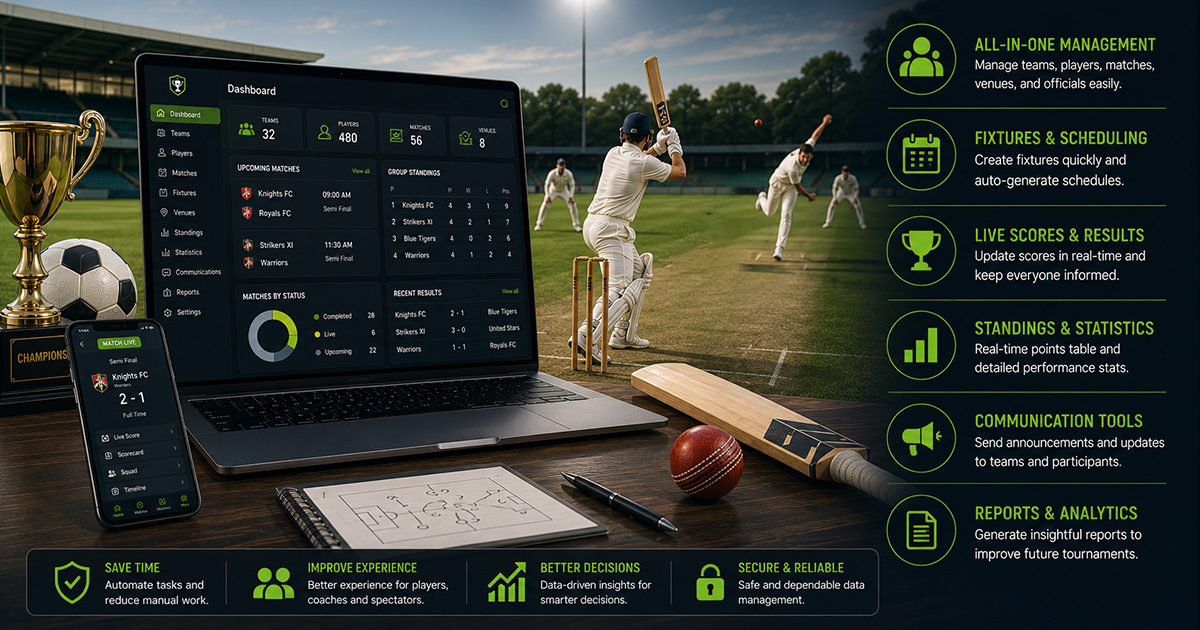 Read More about Tournament Management Software for Football and Cricket Organizers: A Practical Guide
Tournament Management Software for Football and Cricket Organizers: A Practical Guide
Ready to Bring Structure to Your Academy?
Let’s walk through your current setup and show you how 8lete can improve it.


