




How Digital Player Records for Talent Scouting Transform Grassroots Football
Digital player records for talent scouting refer to systematically compiled, accessible, and up-to-date data repositories that capture a young football player’s performance, attendance, assessments, and developmental milestones digitally. Many academies and clubs struggle to provide scouts with objective, timely insights beyond standout match moments. This gap limits fair talent identification and consistent long-term growth. Properly implemented digital records empower scouts to discover promising players earlier and more accurately, shaping their decisions with comprehensive data rather than limited observations. This article explains the practical frameworks, role-specific actions, and operational steps that demonstrate how digital player records revolutionize grassroots football talent discovery.
A Practical Framework: How Digital Player Records Enhance Talent Scouting
Structured training data combined with consistent assessments creates a holistic view of player ability.
The following framework details key elements that connect digital player records with effective scouting:
- Comprehensive attendance tracking: Regular attendance data reveals player discipline and commitment beyond isolated match performances.
- AI-powered skill assessment: Objective scoring of key football skills allows scouts to compare players across locations and time.
- Coach feedback integration: Structured notes highlight specific behaviors, tactical understanding, and improvements.
- Match learning documentation: Summaries of key moments, decisions, and player impact help contextualize numbers.
- Parent communication logs: Transparency on training focus, progress, and challenges ensures backed development stories.
- Progress reports combining metrics: Visual summaries track growth trends and readiness indicators for scouting.
- Long-term performance tracking: Continuous data accumulation reflects player consistency and developmental trajectory.
These seven points create a unified ecosystem where scouts can make data-backed decisions, ensuring opportunities reach players showing not just flashes of skill but sustained potential.
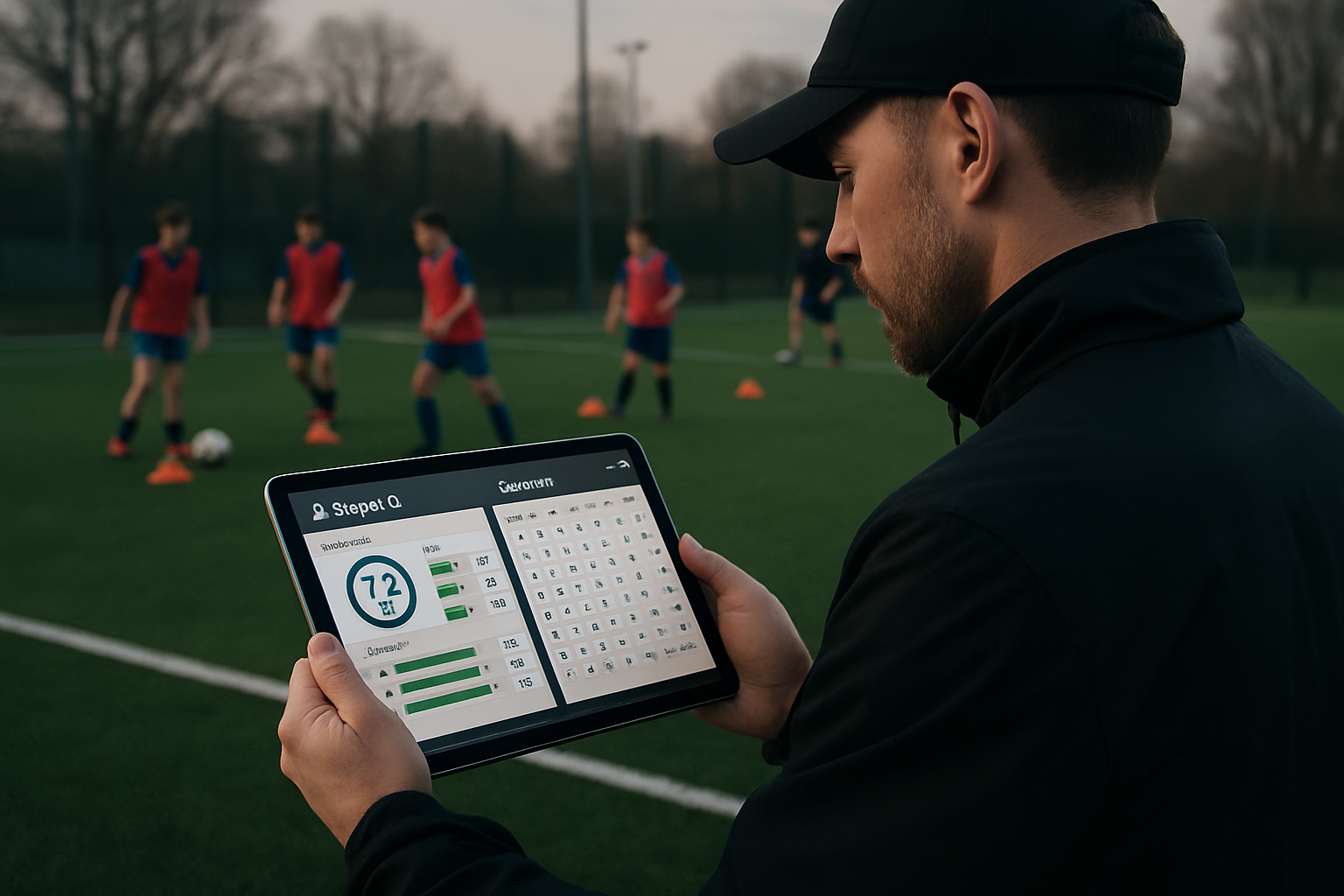
Why Digital Player Records Matter for Grassroots Football Talent Identification
Grassroots football talent identification faces challenges such as limited scout access, subjective evaluations, and fragmented player data. Digital player records address these by consolidating facts and minimizing biases.
For example, a mid-level academy in a metro city had no centralized system. Scouts relied on sporadic tournament performances, missing players who excelled consistently in training but had fewer match impressions. After adopting digital records, coaches shared detailed skill scores and attendance logs, enabling scouts to identify a defender with strong positioning and tactical sense who they had never observed in matches.
Role-Wise Actions: Players, Coaches, Parents, and Academy Owners
Players should focus on consistent effort and communication with coaches to ensure their progress is recorded accurately. Awareness that off-match data matters helps maintain discipline and motivation.
Coaches play a pivotal role by conducting structured assessments, timely feedback, and maintaining detailed records for every player. For example, a coach noting improvements in a player's first touch and decision-making weekly helps capture subtle growth.
Parents need to understand the importance of ongoing development and request regular progress reports rather than focusing only on match results. This helps set realistic expectations and supports player patience.
Academy owners should build systems that integrate digital attendance, coach notes, player assessments, and parent communication into a seamless workflow. This creates trust with scouts and establishes the academy as a credible talent incubator.
Age-Wise Implementation Breakdown: U10 to U21
Implementing digital records effectively requires age-specific focus:
U10–U13: Basics and Habit Formation – Track attendance and basic skills like ball control and passing. Encourage parents to view record updates as learning milestones.
U14–U17: Skill Consistency and Tactical Awareness – Add deeper assessments of decision-making, positioning, and match awareness. Coaches should provide written feedback after matches and training.
U18–U21: Performance Metrics and Scouting Readiness – Incorporate detailed performance analytics, fitness tracking, and scouting reports. Players should be coached to interpret their data for self-improvement.
Consistent, structured data and feedback show scouts the full story beyond just match highlights.
Common Mistakes When Using Digital Player Records (And How to Fix Them)
1. Irregular updates: Missing or late data entry reduces record value. Fix: Schedule weekly dedicated sessions for data input and review.
2. Over-reliance on match stats: Ignoring training data can overlook essential player growth. Fix: Balance match and training assessments equally in records.
3. Lack of coach involvement: Without quality feedback, quantitative data loses context. Fix: Train coaches on structured feedback methods and digital logging.
4. Poor parent communication: Parents unaware of digital records may undervalue progress. Fix: Share regular reports and explain record insights during meetings.
5. Using multiple disconnected systems: Fragmented data leads to errors and confusion. Fix: Consolidate tracking into one unified digital platform whenever possible.

Practical Checklist for Implementing Digital Player Records
- Is attendance logged every session with clear player IDs?
- Are skill assessments standardized across age groups?
- Do coaches provide qualitative feedback alongside metrics?
- Is match performance recorded and linked with training data?
- Are parents regularly receiving understandable progress reports?
- Is the data accessible securely to authorized scouts and staff?
- Are player development trends reviewed monthly for action planning?
- Is there a workflow for linking attendance, assessment, coach notes, and reports?
- Are players engaged in reviewing and understanding their own data?
- Is the platform scalable as academy size and scouting needs grow?
An 8lete-Aligned Workflow for Digital Player Record Management
Session → Attendance → Skill Assessment → Coach Notes → Parent Report → Next Goal forms a practical workflow.
During each training or match session, attendance is marked digitally to capture discipline and availability. Post-session, coaches conduct AI-supported skill assessments focusing on areas practiced. These assessments are combined with coach notes on tactical growth and attitude. The system then automatically generates a parent report summarizing progress and next focus areas. Players receive personalized goals based on this cycle, creating a transparent development loop that scouts can review at any stage.
Concrete Grassroots Examples of Digital Player Records Improving Scouting Outcomes
1. A U15 midfielder in a tier-2 city was often overlooked in trials due to weak match stats. Digital records showed his rapid improvement in ball control and tactical scanning during training. Scouts noted this growth and invited him for trials.
2. Coaches in a local grassroots club used digital feedback notes to highlight a defender’s calmness under pressure and quick recovery runs, qualities missed during standard match reports. Scouts considered these player traits crucial and gave the defender exposure in a higher league.
3. Parents at a city academy demanded clearer player progress evidence before investing. The academy implemented a digital system combining attendance and skill tracking, which increased parent trust and encouraged them to recommend the academy, attracting more scouts actively monitoring the digital profiles.
FAQ
Q1: What is digital player records for talent scouting?
Digital player records for talent scouting are organized digital logs that capture player attendance, training assessments, coach feedback, and match performance. They provide an objective, comprehensive profile that helps scouts discover and evaluate grassroots football talent efficiently.
Q2: How can coaches use digital tools for player scouting?
Coaches can regularly update skill assessments, attendance, and provide qualitative feedback in digital systems. This consistent documentation enables scouts to access reliable data, identify emerging talent, and track development over time beyond just match performances.
Q3: Why do scouts rely on digital records to discover football talent?
Scouts receive large volumes of players to assess, so digital records with structured data save time, reduce subjectivity, and highlight players showing consistent technical, tactical, and mental growth. Digital platforms make talent identification more transparent and data-driven.
Q4: How should grassroots academies start managing player data digitally?
Begin by digitizing attendance, then introduce standardized skill assessments and coach feedback forms. Implement a centralized platform that integrates these elements with parent communication. Gradually build a routine where players’ progress is tracked across training, matches, and reports.
Q5: How do parents benefit from digital player reports?
Digitally generated, regular progress reports provide parents with clear evidence of their child’s development beyond match day results. This transparency helps parents set realistic expectations, reduces pressure on players, and strengthens their involvement in long-term growth.
Q6: At what age should players engage with their digital development records?
Players as young as U14 can start reviewing their digital progress with coaches. Understanding their skill assessments and attendance trends fosters self-awareness, motivation, and ownership of their development journey from mid-adolescence.
Q7: How long does it usually take for an academy to see benefits from digital player records?
Typically, benefits like improved scout interest and parent trust emerge within 6 to 12 months after consistent digital record implementation, depending on initial data quality, coach adoption, and communication effectiveness.
Conclusion
Digital player records for talent scouting are no longer optional in modern grassroots football development. They provide a sustainable structure that connects attendance discipline, consistent training, objective assessments, coach insights, and parent transparency into one ecosystem. This structured approach clarifies player progress, improves long-term visibility for scouts, and helps prevent subjective guesswork. For players, it means their commitment and growth do not go unnoticed; for coaches and academy owners, it builds operational confidence and trust with stakeholders. With thoughtful implementation across age groups and roles, such systems become the foundation for recognizing true potential early and fairly in football’s grassroots. Embracing digital records is key to bridging the gap between training ground efforts and scouting opportunities, making player development measurable, trackable, and credible in every step of the journey.
What is digital player records for talent scouting?
Digital player records for talent scouting are organized digital logs that capture player attendance, training assessments, coach feedback, and match performance. They provide an objective, comprehensive profile that helps scouts discover and evaluate grassroots football talent efficiently.
How can coaches use digital tools for player scouting?
Coaches can regularly update skill assessments, attendance, and provide qualitative feedback in digital systems. This consistent documentation enables scouts to access reliable data, identify emerging talent, and track development over time beyond just match performances.
Why do scouts rely on digital records to discover football talent?
Scouts receive large volumes of players to assess, so digital records with structured data save time, reduce subjectivity, and highlight players showing consistent technical, tactical, and mental growth. Digital platforms make talent identification more transparent and data-driven.
How should grassroots academies start managing player data digitally?
Begin by digitizing attendance, then introduce standardized skill assessments and coach feedback forms. Implement a centralized platform that integrates these elements with parent communication. Gradually build a routine where players’ progress is tracked across training, matches, and reports.
How do parents benefit from digital player reports?
Digitally generated, regular progress reports provide parents with clear evidence of their child’s development beyond match day results. This transparency helps parents set realistic expectations, reduces pressure on players, and strengthens their involvement in long-term growth.
At what age should players engage with their digital development records?
Players as young as U14 can start reviewing their digital progress with coaches. Understanding their skill assessments and attendance trends fosters self-awareness, motivation, and ownership of their development journey from mid-adolescence.
How long does it usually take for an academy to see benefits from digital player records?
Typically, benefits like improved scout interest and parent trust emerge within 6 to 12 months after consistent digital record implementation, depending on initial data quality, coach adoption, and communication effectiveness.
Related Articles
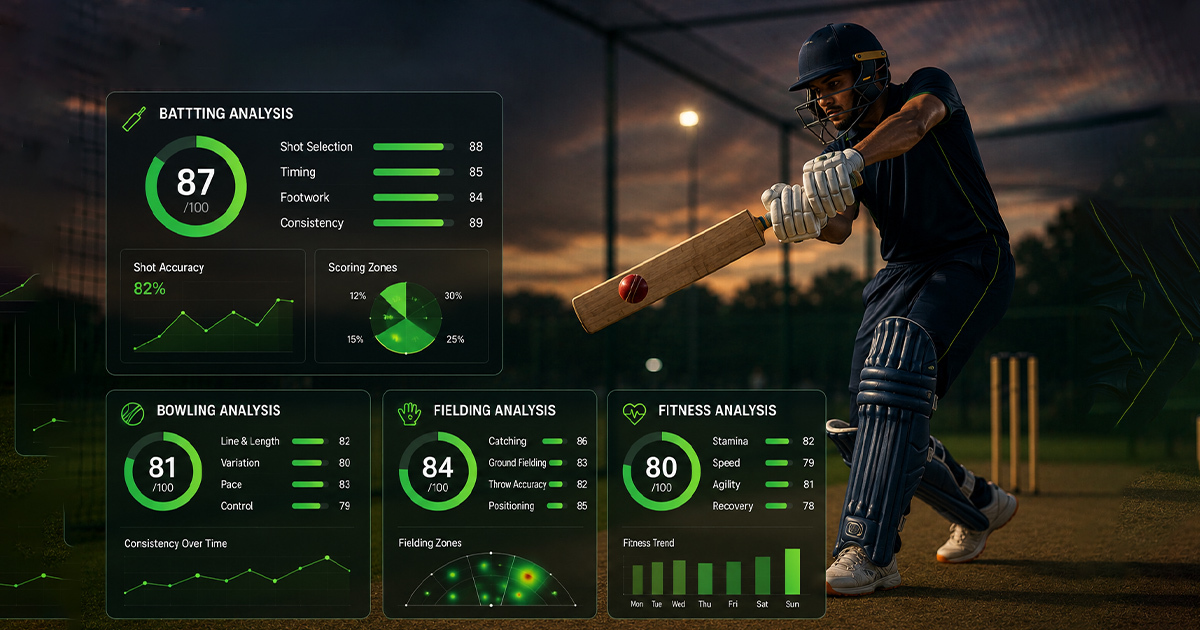 Read More about AI Cricket Skill Assessment: A Comprehensive Guide for Batting, Bowling, Fielding, and Fitness
AI Cricket Skill Assessment: A Comprehensive Guide for Batting, Bowling, Fielding, and Fitness
 Read More about Football Player Assessment App: How Coaches Can Track Skill Development
Football Player Assessment App: How Coaches Can Track Skill Development
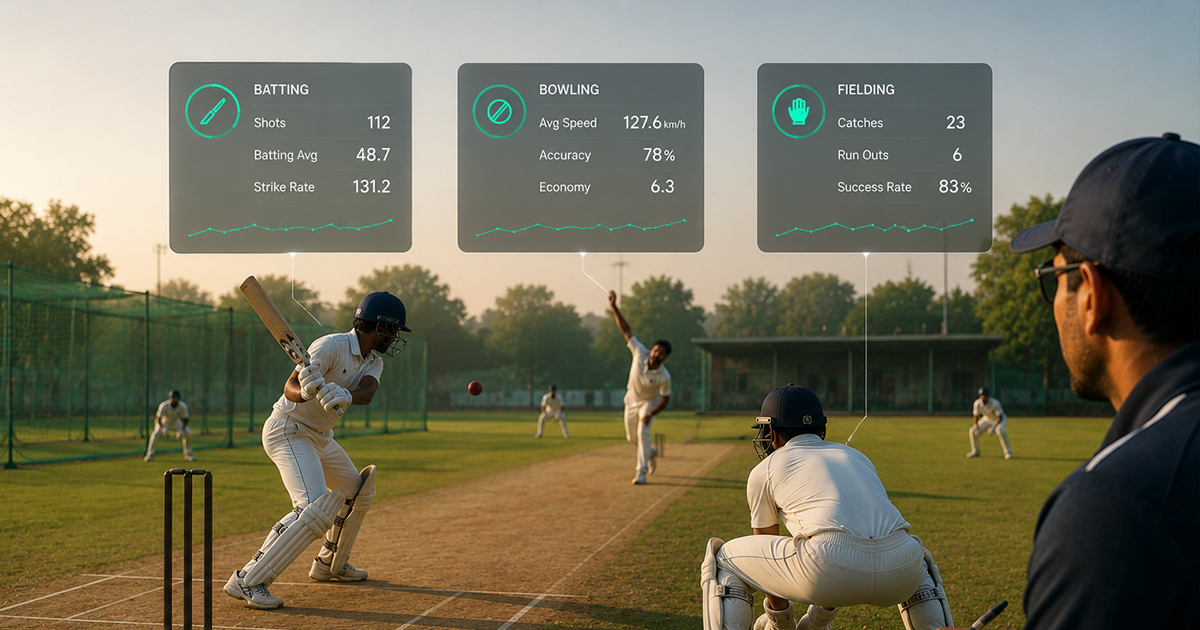 Read More about Cricket Player Assessment App: How Academies Can Track Batting, Bowling and Fielding
Cricket Player Assessment App: How Academies Can Track Batting, Bowling and Fielding
Latest Articles
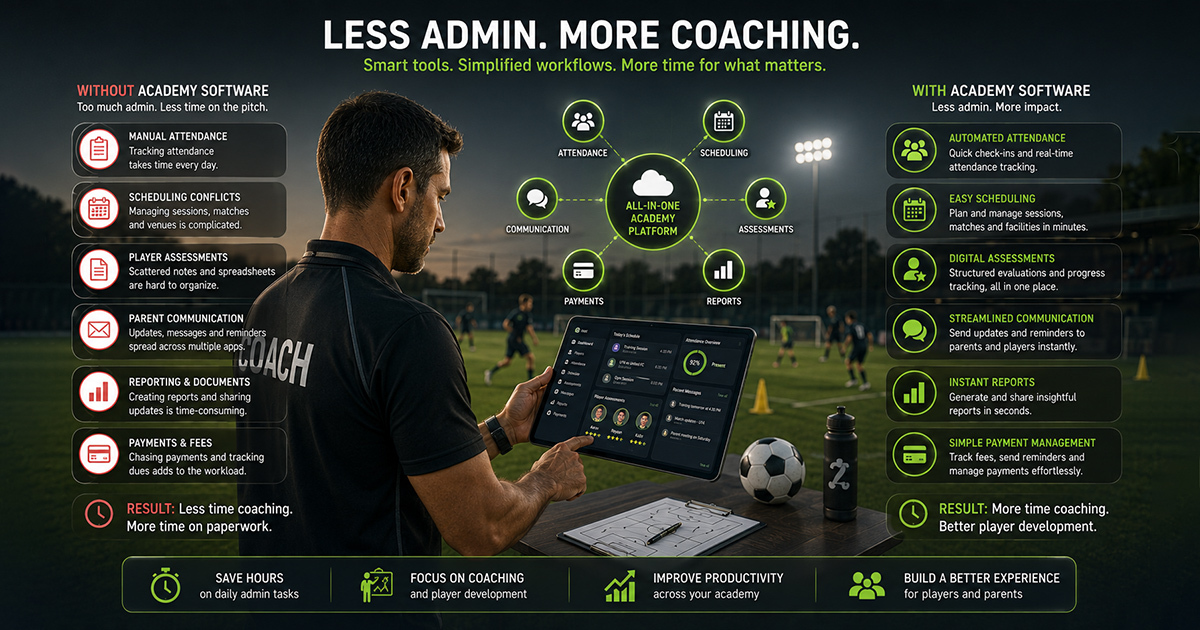 Read More about How Sports Academies Can Reduce Admin Work for Coaches
How Sports Academies Can Reduce Admin Work for Coaches
 Read More about How to Build Age-Wise Player Development Pathways in Football and Cricket
How to Build Age-Wise Player Development Pathways in Football and Cricket
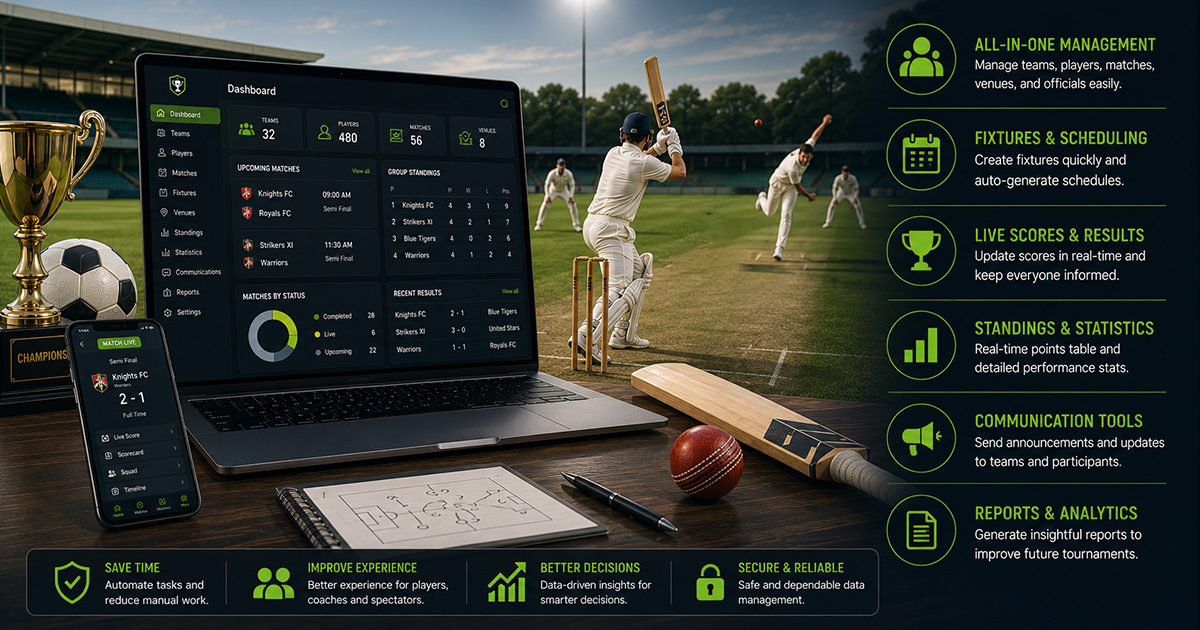 Read More about Tournament Management Software for Football and Cricket Organizers: A Practical Guide
Tournament Management Software for Football and Cricket Organizers: A Practical Guide
Ready to Bring Structure to Your Academy?
Let’s walk through your current setup and show you how 8lete can improve it.


