



AI Cricket Skill Assessment: A Comprehensive Guide for Batting, Bowling, Fielding, and Fitness
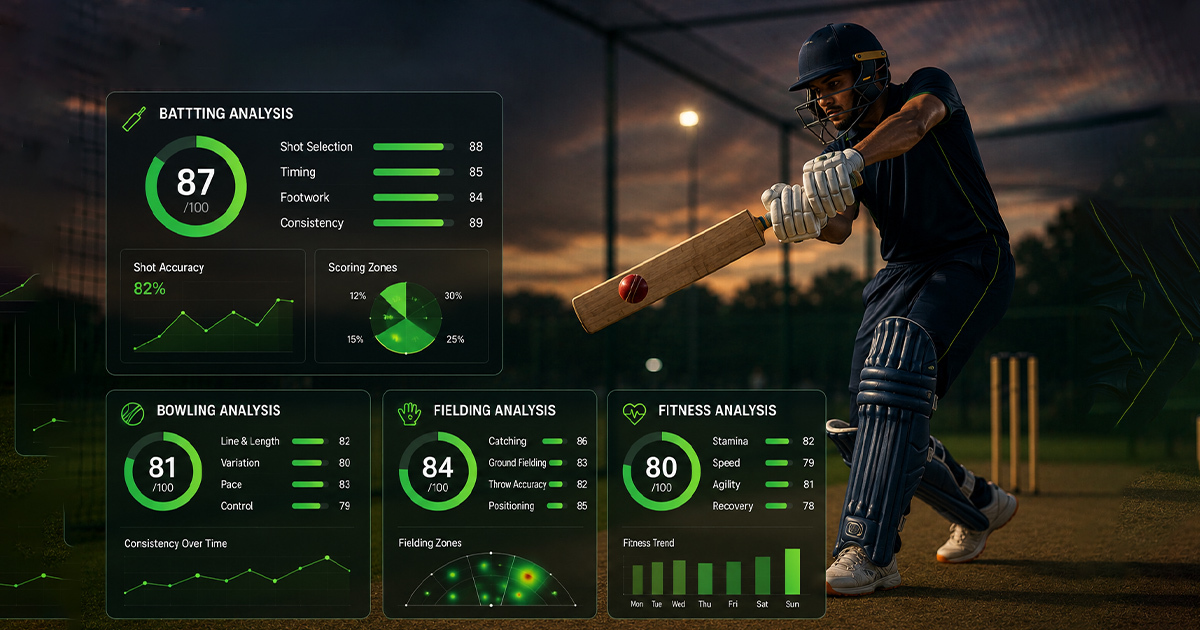
AI cricket skill assessment refers to using artificial intelligence technologies to analyze, measure, and enhance player performance across batting, bowling, fielding, and fitness in grassroots cricket. Grassroots players and coaches often face challenges such as subjective feedback, inconsistent training data, and limited resources for skill tracking. AI-driven assessments provide objective insights into key cricket skills, enabling structured training, tailored feedback, and long-term development. This article explains practical ways grassroots academies, coaches, and players can use AI cricket skill assessment to build clearer progress pathways and optimize player growth.
What is AI Cricket Skill Assessment?
AI cricket skill assessment uses machine learning, video analysis, and sensor data to provide real-time, objective evaluations of a player's batting stance, bowling rhythm, fielding technique, and fitness levels.
These assessments identify strengths and weaknesses beyond what traditional observation allows, helping coaches design more focused training plans and players to understand their progress through measurable data.
A Practical Framework for AI Cricket Skill Assessment
Successful AI cricket assessments follow a structured framework comprising key areas essential for player development:
1. Data Collection: Capture high-quality video, sensor, and fitness data during nets, training drills, and matches using affordable cameras and wearables.
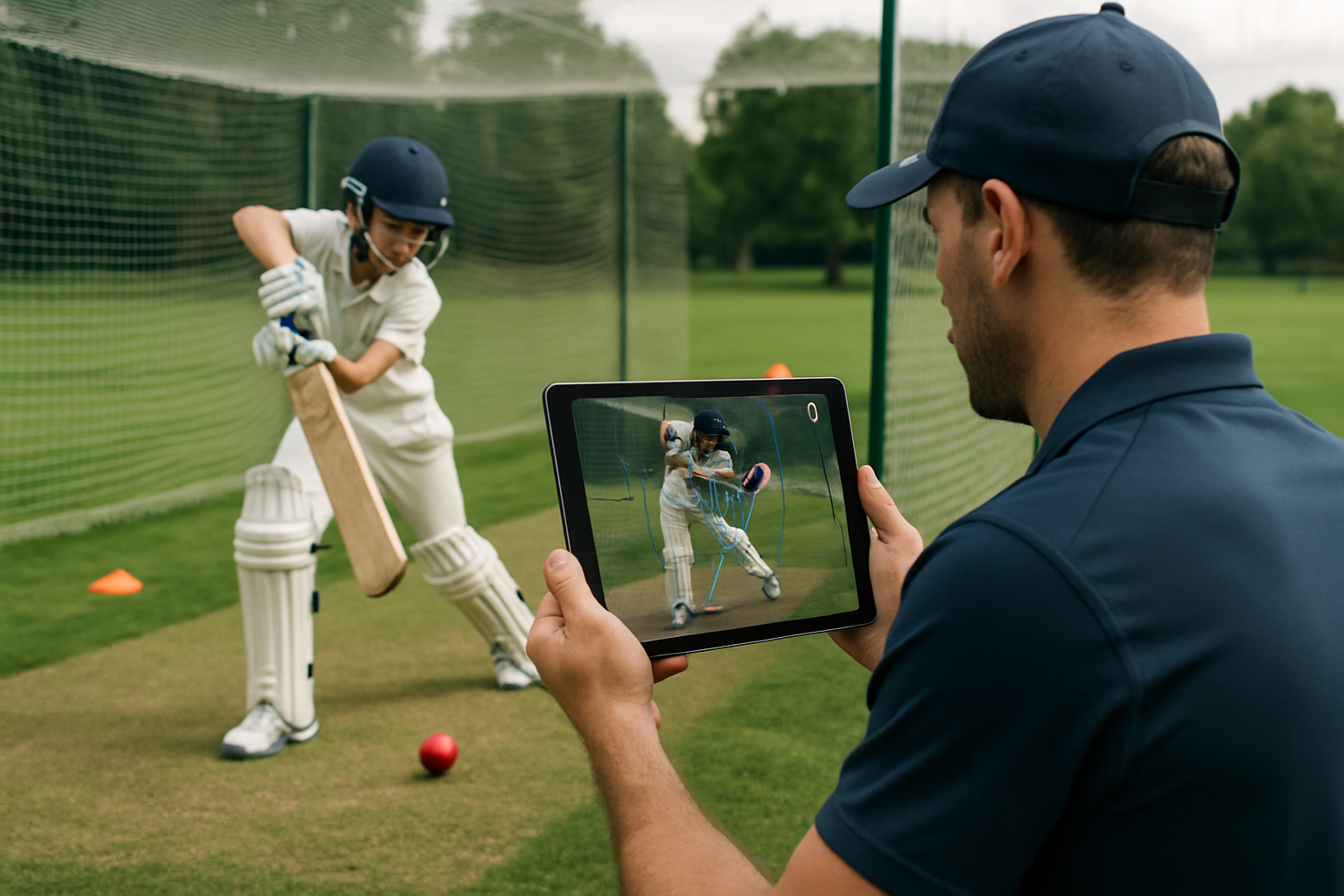
2. Skill Analysis: Use AI algorithms to evaluate batting mechanics like foot positioning and shot timing, bowling parameters such as line and length consistency, and fielding movement efficiency.
3. Fitness Tracking: Monitor player fitness indicators like endurance, recovery rate, and mobility through AI-powered wearable devices to link physical readiness with skill execution.
4. Feedback Generation: Translate AI insights into understandable reports with visual cues, enabling coaches and players to focus on specific improvement areas.
5. Progress Monitoring: Track skill developments and fitness improvements over weeks and months, supporting long-term goal setting and training adjustments.
6. Training Integration: Align AI findings with practice session planning so drills target identified gaps, maximizing training efficiency.
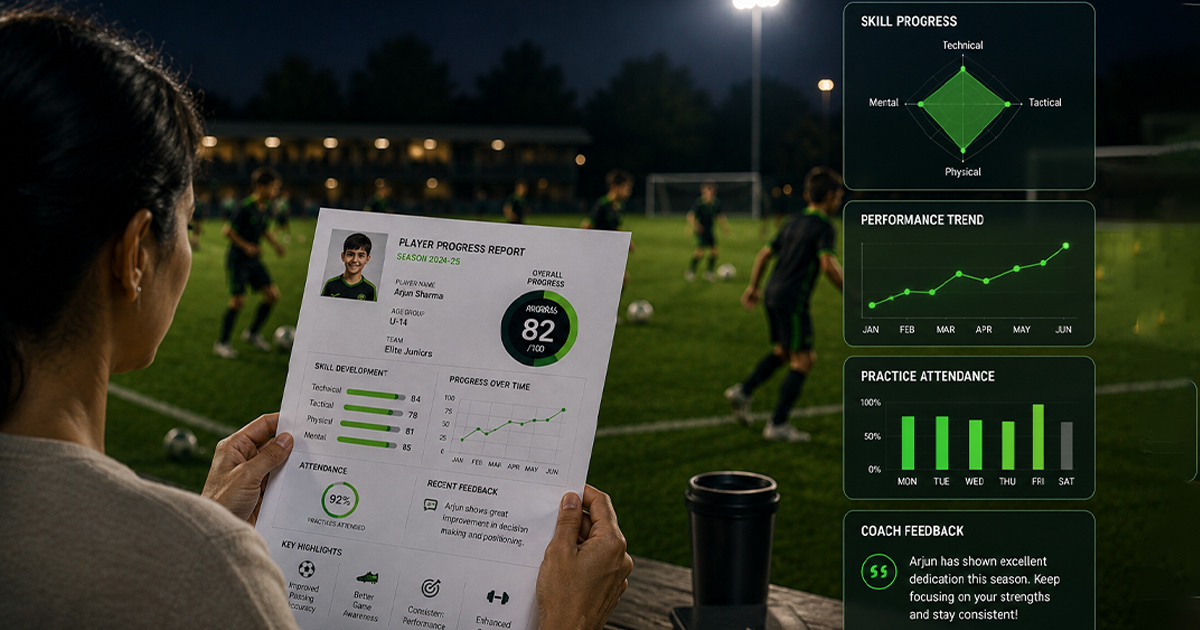
7. Parent & Academy Communication: Share key assessment outcomes with parents and academy management to ensure clear understanding and support for player development.
Grassroots Examples of AI Cricket Assessment in Action
1. A coach uses AI batting analysis to help a U14 player spot and correct his front-foot's slight inward angle during drives, improving his shot consistency in academy nets.
2. A bowling coach reviews AI-generated reports showing a young pacer’s line drift and modifies his run-up rhythm to achieve better control, which reflects in match performance.
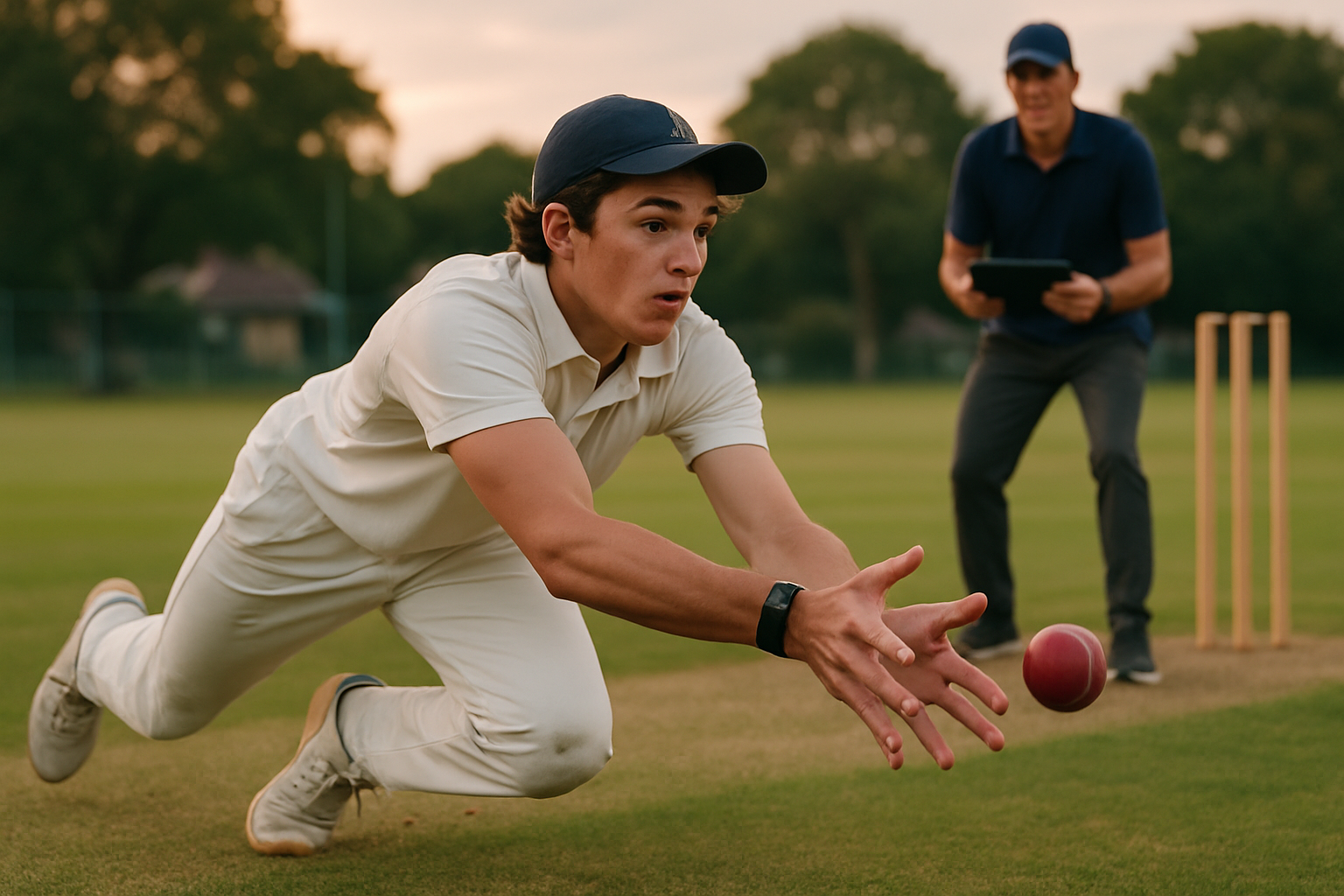
3. An academy implements AI fitness tracking for fielders, using data on agility and sprinting to customize conditioning sessions, reducing fatigue during tournaments.
Role-wise Responsibilities in AI Cricket Skill Assessment
Players: Actively engage with AI feedback, practice targeted drills, and understand the measurable goals set by coaches.
Coaches: Collect relevant data during sessions, interpret AI insights in a cricketing context, and communicate corrective actions clearly to players.
Parents: Stay informed about the player's developmental progress through structured reports and support consistent attendance and training discipline.
Academy Owners: Invest in AI technology systems and establish workflows integrating skill assessment, attendance, player reports, and parent communication to sustain long-term development.
Age-wise Implementation of AI Skill Assessment in Grassroots Cricket
U10–U13: Focus on basic movement patterns, simple batting and bowling drills, and introduce fatigue management using basic fitness tracking.
U14–U16: Use AI to analyze technical details like shot selection and bowling consistency, and track fitness data to prevent overuse injuries.
U17 and Above: Integrate advanced AI assessment including match simulation performance, decision-making metrics, and comprehensive fitness monitoring for competitive readiness.
Consistent tracking, clear feedback, and patience create measurable progress in cricket skill development.
Practical checklist
Use this checklist to effectively implement AI cricket skill assessment for player development:
- Is high-quality video or sensor data being captured consistently during training and matches?
- Are specific batting, bowling, and fielding skills being analyzed separately with AI?
- Is fitness data from wearables linked to skill assessment results?
- Are AI reports tailored to be understandable and actionable for players?
- Is progress tracked over time to set and review developmental goals?
- Do coaches integrate AI findings into daily and weekly training plans?
- Are parents kept informed through structured communication about player progress?
- Does the academy use a system to record attendance alongside AI skill assessments?
- Are coaches trained to interpret AI-driven feedback effectively?
- Are player reports regularly updated and reviewed in academy meetings?
Common mistakes
1. Relying Solely on Raw AI Data Without Cricket Context
Simply collecting AI data without translating it into actionable cricket insights confuses players and coaches. Fix: Have coaches interpret AI metrics with cricket expertise and connect them to technical correction and match situations.
2. Inconsistent Data Collection
Spotty or infrequent data capture means progress tracking is unreliable. Fix: Establish a routine AI data capture workflow during all relevant training and match activities.
3. Overloading Players with Too Much Feedback
Bombarding players with complex AI reports can demotivate or overwhelm them. Fix: Prioritize 2–3 key actionable points per session and focus feedback on measurable, practical skill areas.
4. Neglecting Fitness Assessment Integration
Separating fitness data from skill assessment misses important cause-effect patterns in performance. Fix: Combine AI fitness tracking with skill analysis to understand how player conditioning affects cricket skills.
5. Lacking Parental Communication
Without sharing AI assessment results with parents, sustaining support and motivation can be difficult. Fix: Use clear, simple progress reports and discussions with parents to build trust and shared understanding.
An 8lete-Aligned Workflow for AI Cricket Skill Assessment
A practical workflow to embed AI cricket skill assessment in academies includes:
Session Planning → Attendance Tracking → AI Data Capture → Coach Review & Feedback → Player Report Generation → Parent Communication → Next Goal Setting. Each step connects training discipline, data collection, expertise, and communication to make development structured and transparent.
For example, a U15 batting session starts with planned drills focused on front-foot drives. Players’ attendance is marked digitally. AI video analysis captures foot movement and timing. Coaches review insights and share specific feedback with players. Reports are generated automatically, then shared with parents during monthly meetings, setting clear next steps for improvement.
Comparison: Traditional Coaching vs AI-Powered Cricket Skill Assessment
Traditional coaching often relies on coach memory, subjective observation, and irregular feedback, which can delay correction and miss subtle technique flaws.
AI-powered assessment provides objective, measurable data promptly, identifies specific areas for technical improvement, and helps quantify fitness impacts. This leads to focused training and more confident, measurable progress tracking.
FAQ
Q1: What is AI cricket skill assessment and how does it work?
AI cricket skill assessment uses video analysis, sensors, and machine learning to break down batting, bowling, fielding, and fitness metrics, offering objective insights that guide technical and physical improvements.
Q2: How can AI batting analysis improve young players’ techniques?
AI tools highlight small technical faults like foot placement, timing, and head position by analyzing repeated video clips, allowing coaches to provide precise drills for improvement.
Q3: How do coaches integrate AI bowling performance evaluation into training?
Coaches review AI-generated data on bowlers’ line, length, pace, and release angle to tailor sessions targeting consistency and rhythm, supplementing visual feedback from nets and matches.
Q4: Why is fitness tracking important alongside skill assessment?
Fitness influences endurance, recovery, and injury prevention. AI fitness tracking shows how physical state affects skill execution, helping condition training and reduce burnout.
Q5: What is the best age to start using AI skill assessment in cricket training?
Starting at U12–U13 ages allows players to develop technique while their movement patterns and fitness habits form. Earlier basic assessments can support foundational skill tracking.
Q6: Why do some players struggle despite AI feedback?
Players may face challenges if feedback is too complex, inconsistent, or not aligned with their training stage. Simplifying AI insights and connecting them to focused practice helps overcome this.
Q7: How can grassroots academies implement AI skill assessment cost-effectively?
Begin with essential cameras and affordable sensors. Prioritize key skill areas and gradually integrate AI tools into regular sessions using structured workflows for data management and feedback.
Conclusion
AI cricket skill assessment is transforming grassroots player development by offering objective, data-driven insights across batting, bowling, fielding, and fitness. Its success depends on structured data collection, expert interpretation, consistent training integration, and transparent communication with players and parents. Grassroots academies adopting AI tools within a clear workflow enhance training efficiency, skill correction, and long-term progress tracking. Parents gain clarity, coaches gain actionable feedback, and players develop with measurable goals. Ultimately, the disciplined use of AI assessments combined with human coaching expertise creates a sustainable, growth-focused environment that builds cricketing skills beyond reliance on memory or subjective opinions. Embracing smart, consistent, and connected AI-driven evaluation ensures every player’s development journey is visible, manageable, and effective over time.
What is AI cricket skill assessment and how does it work?
AI cricket skill assessment uses video analysis, sensors, and machine learning to break down batting, bowling, fielding, and fitness metrics, offering objective insights that guide technical and physical improvements.
How can AI batting analysis improve young players’ techniques?
AI tools highlight small technical faults like foot placement, timing, and head position by analyzing repeated video clips, allowing coaches to provide precise drills for improvement.
How do coaches integrate AI bowling performance evaluation into training?
Coaches review AI-generated data on bowlers’ line, length, pace, and release angle to tailor sessions targeting consistency and rhythm, supplementing visual feedback from nets and matches.
Why is fitness tracking important alongside skill assessment?
Fitness influences endurance, recovery, and injury prevention. AI fitness tracking shows how physical state affects skill execution, helping condition training and reduce burnout.
What is the best age to start using AI skill assessment in cricket training?
Starting at U12–U13 ages allows players to develop technique while their movement patterns and fitness habits form. Earlier basic assessments can support foundational skill tracking.
Why do some players struggle despite AI feedback?
Players may face challenges if feedback is too complex, inconsistent, or not aligned with their training stage. Simplifying AI insights and connecting them to focused practice helps overcome this.
How can grassroots academies implement AI skill assessment cost-effectively?
Begin with essential cameras and affordable sensors. Prioritize key skill areas and gradually integrate AI tools into regular sessions using structured workflows for data management and feedback.
Related Articles
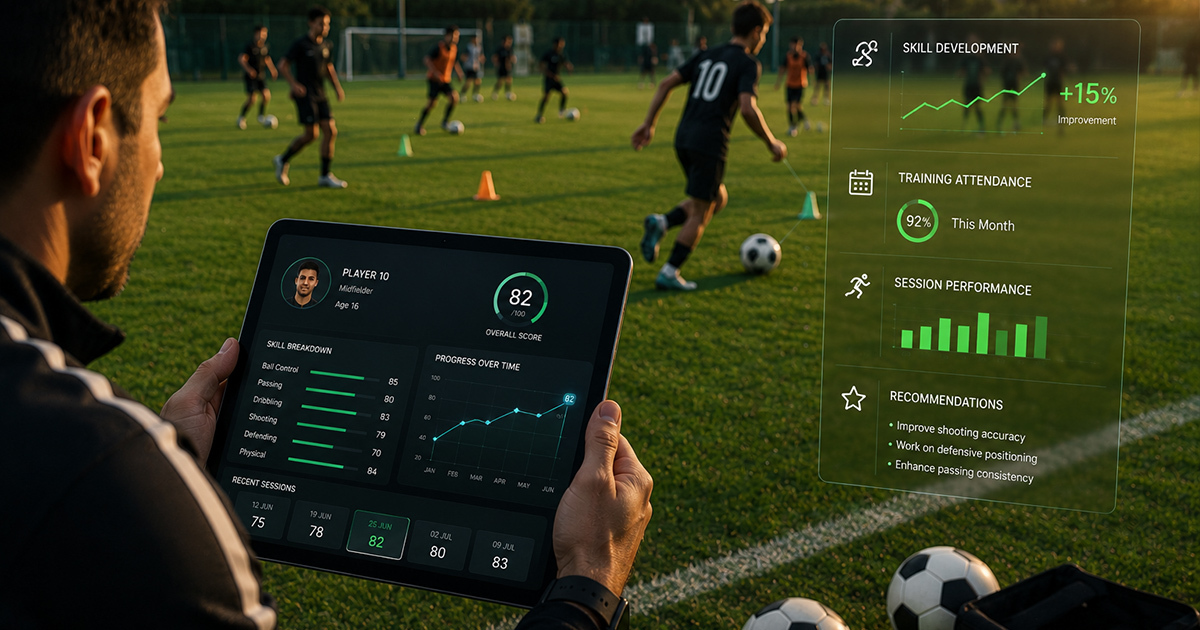 Read More about Football Player Assessment App: How Coaches Can Track Skill Development
Football Player Assessment App: How Coaches Can Track Skill Development
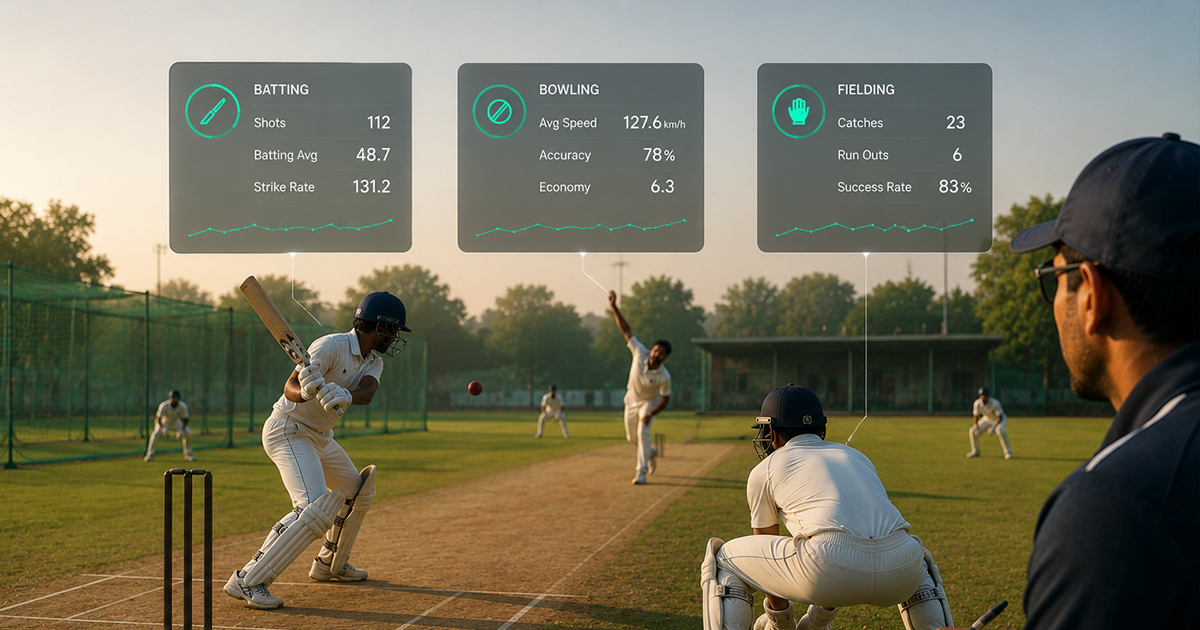 Read More about Cricket Player Assessment App: How Academies Can Track Batting, Bowling and Fielding
Cricket Player Assessment App: How Academies Can Track Batting, Bowling and Fielding
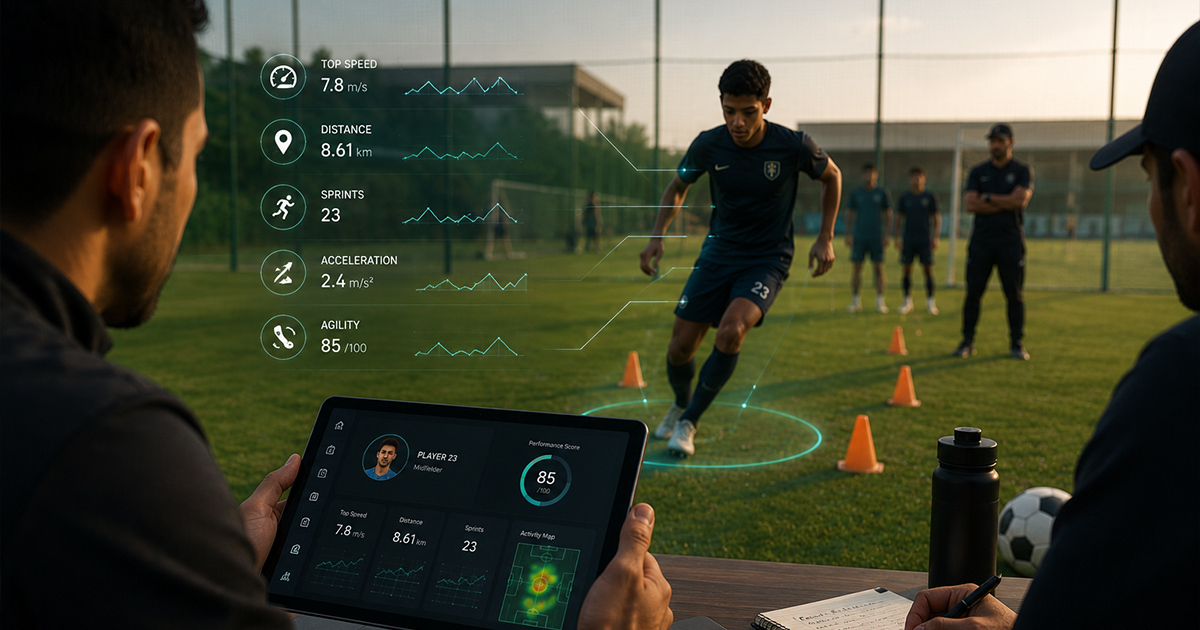 Read More about AI Sports Skill Assessment: How Technology Can Measure Player Skills Better
AI Sports Skill Assessment: How Technology Can Measure Player Skills Better
Latest Articles
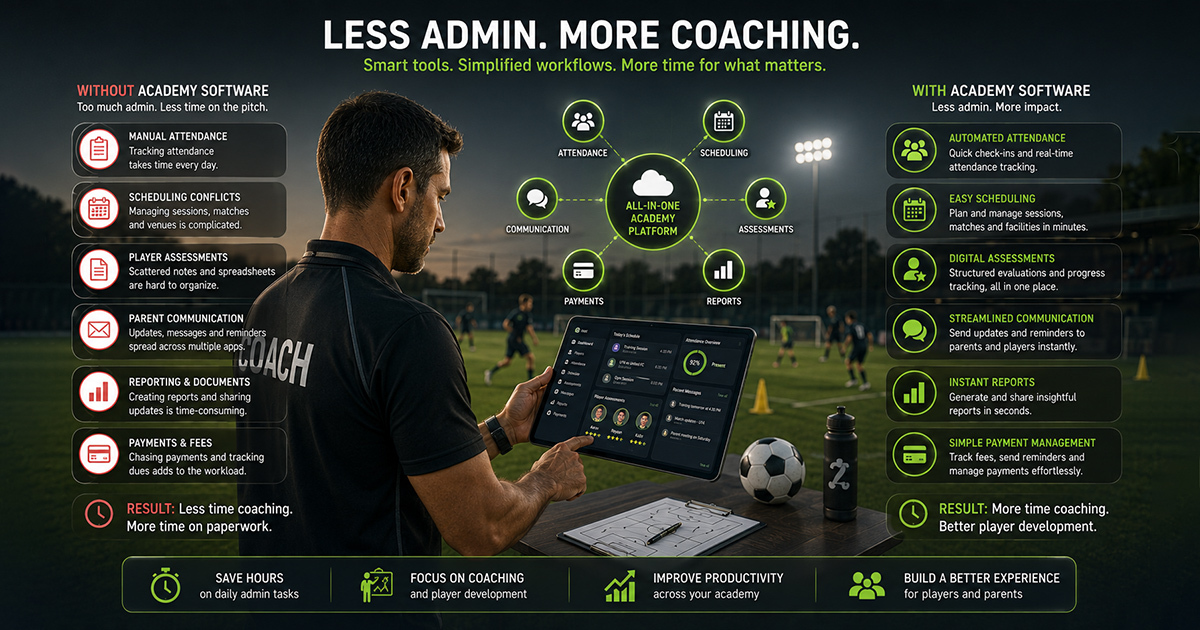 Read More about How Sports Academies Can Reduce Admin Work for Coaches
How Sports Academies Can Reduce Admin Work for Coaches
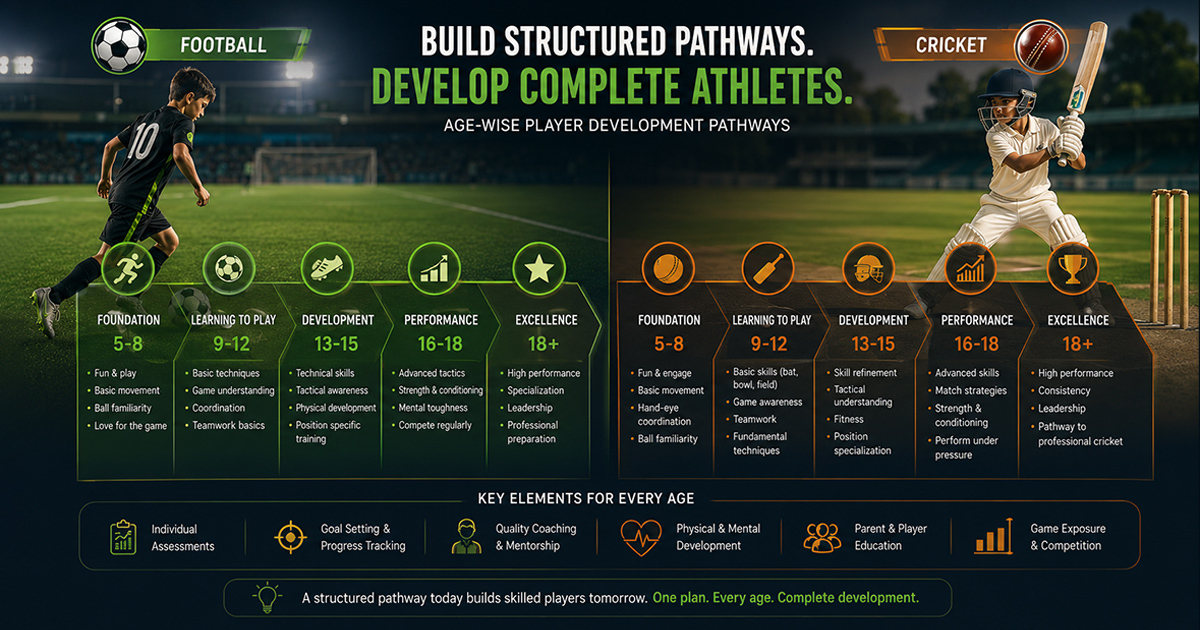 Read More about How to Build Age-Wise Player Development Pathways in Football and Cricket
How to Build Age-Wise Player Development Pathways in Football and Cricket
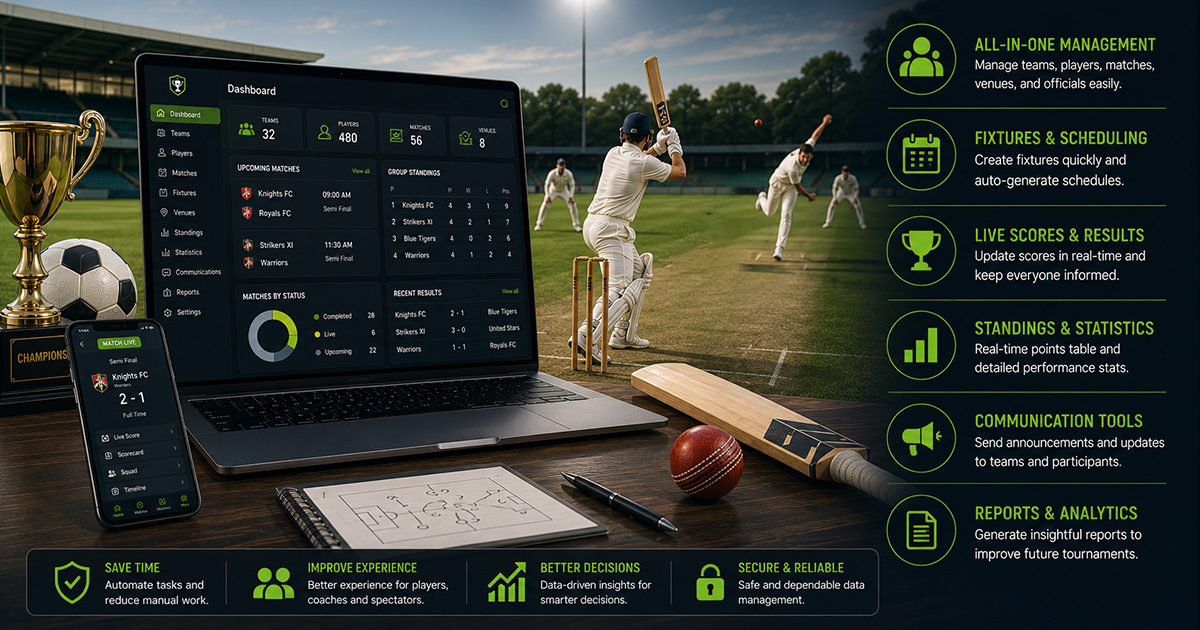 Read More about Tournament Management Software for Football and Cricket Organizers: A Practical Guide
Tournament Management Software for Football and Cricket Organizers: A Practical Guide
Ready to Bring Structure to Your Academy?
Let’s walk through your current setup and show you how 8lete can improve it.


