



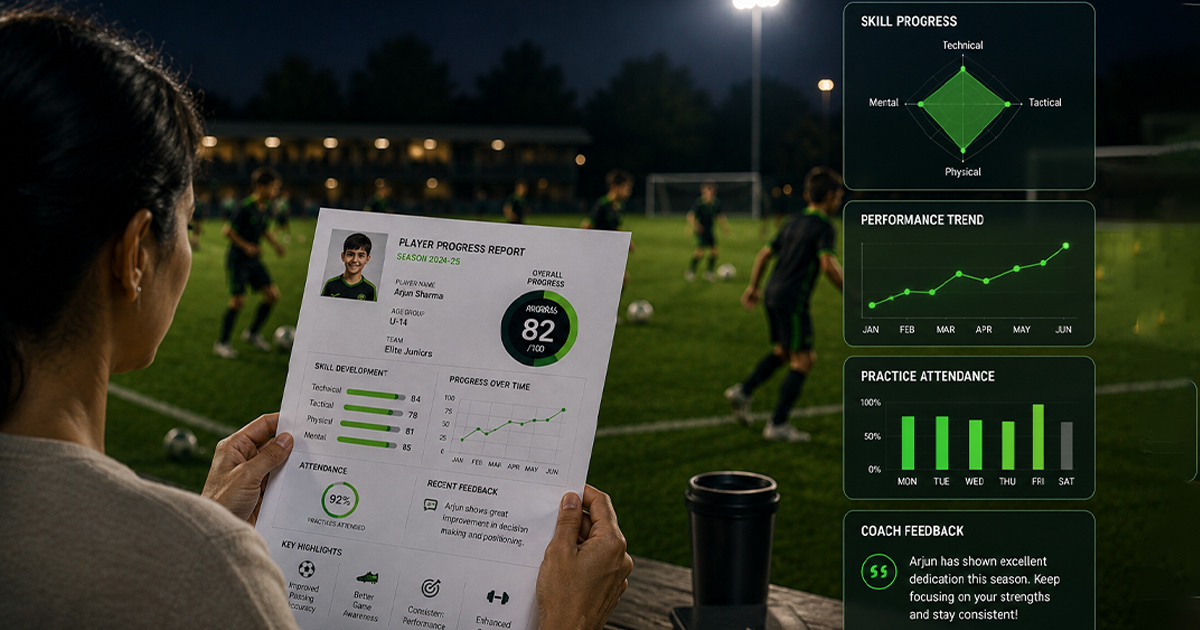
Why Parents Want Data-Backed Player Progress Reports from Academies
Data-backed player progress reports are detailed evaluations generated using objective performance metrics to track athletes' development over time. Parents often struggle to assess their child’s real progress in sports because visible improvements can be gradual or inconsistent. This article explains why parents value such reports from academies, showing how data improves player performance tracking, parent communication, and long-term athlete growth.
What Are Data-Backed Player Progress Reports?
Data-backed player progress reports summarize key development indicators—such as attendance, training outputs, skill improvements, and match performance—using measurable metrics rather than subjective opinions alone.
These reports help parents and players understand exactly where improvements are happening and where further work is needed, fostering trust and clear communication between academies and families.

A Practical Framework for Effective Player Progress Reporting
An effective data-backed progress report system in academies should follow this framework:
- Clear Goal Setting: Establish specific individual development goals that align with the player’s stage and position.
- Consistent Data Collection: Track attendance, training drills, and match stats regularly using digital tools or coach input.
- Skill and Fitness Assessments: Combine quantitative tests and qualitative observations to capture improvement areas accurately.
- Coach Feedback Integration: Include detailed coach observations and actionable suggestions to inform training priorities.
- Parent Communication: Share regular, understandable reports highlighting progress and next steps to involve parents meaningfully.
- Long-Term Tracking: Maintain historical data to monitor trends, plateaus, or sudden changes over multiple months or seasons.
- Next Goal Planning: Align reporting with upcoming training focus areas for goal-oriented development.
This framework ensures reports are comprehensive, actionable, and foster trust between parents, players, and academies.
Why Parents Value Data in Player Progress Reports
Parents want clear evidence of their child’s progress to support continued training investment and realistic expectations. Data-backed reports:
- Eliminate guesswork about skill development.
- Provide confidence that improvements are happening, even when they are subtle.
- Clarify training priorities and how parents can assist at home.
- Highlight consistent attendance and effort as integral parts of growth.
For example, a parent of a young footballer noticed improved passing accuracy through weekly match stats, which reassured them about the academy’s training impact. Without data, such reassurance is hard to provide and easy to doubt.
Role-Wise Insights: Players, Coaches, Parents, and Academy Owners
Players gain clear targets and feedback, enabling self-awareness and motivation to improve specific skills.
Coaches benefit from structured note-taking, objective tracking, and a platform to communicate progress transparently to parents and players.
Parents understand development stages better, avoid misinterpreting temporary dips as failure, and can provide informed support.
Academy owners gain credibility through transparent reporting and can use insights to improve training programs and player retention.
Age-Wise Implementation of Data-Backed Reports in Development Stages
U8 to U10: Focus on foundational skills and coordination, tracked through simple attendance and basic skill checklists.
U11 to U13: Introduce more detailed skill measurement, such as passing accuracy and tactical awareness, with engagement and effort monitored.
U14 to U16: Incorporate match data, physical metrics, and decision-making assessments to capture multi-dimensional progress.
U17 and above: Use comprehensive reports integrating fitness, technical stats, psychological readiness, and training consistency for informed development paths.
Structured data and clear feedback create trust between parents, players, and academies, enabling sustained progress without guesswork.
Practical Checklist for Evaluating Player Progress Reports
Use this checklist to assess the quality and usefulness of player progress reports provided by academies:
- Are attendance records consistently tracked and factored into progress?
- Do reports include measurable skill metrics relevant to the player’s role?
- Is there regular coach feedback linking data to practical goals?
- Are match performance stats included to complement training data?
- Is progress visualized over time rather than isolated snapshots?
- Are parents given clear summaries and recommendations, avoiding jargon?
- Does the academy use technology or digitized systems to manage data?
- Is next session planning informed by report insights to maintain focus?
- Are reports accessible conveniently (e.g., app or email) to parents and players?
- Is the data contextualized with qualitative observations, not just numbers?
Common Mistakes Academies Make with Player Progress Reporting
Mistake 1: Relying solely on subjective coach opinions. This can lead to inconsistent or biased reports. Fix: Incorporate objective data like attendance, test results, and match stats along with coach notes.
Mistake 2: Reporting only once or twice per season. Sparse updates reduce relevance and parent trust. Fix: Provide monthly or quarterly reports linked to training phases for better engagement.
Mistake 3: Using complicated metrics without explanation. Parents may feel lost or disengaged. Fix: Simplify the data presentation with clear visuals and plain language summaries.
Mistake 4: Not linking progress data to actionable next steps. Reports then seem informational but ineffective. Fix: Always include coach recommendations for focus areas and parent support tips.
Mistake 5: Ignoring attendance and discipline data. Missing this undermines understanding of development gaps. Fix: Make attendance tracking integral to reports to highlight consistency.
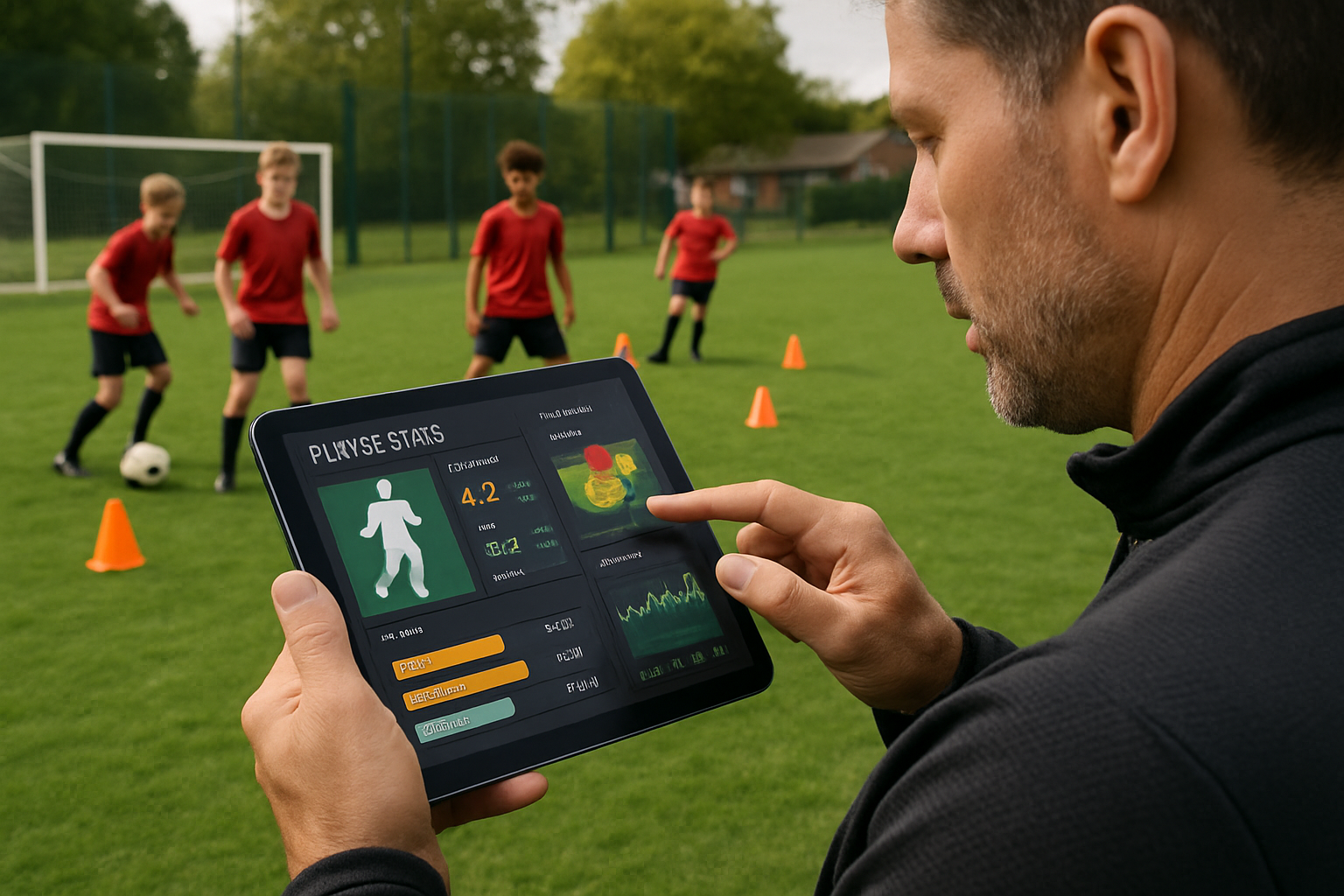
An 8lete-Aligned Workflow for Data-Backed Player Progress Reporting
A practical ecosystem for academies includes:
- Session Planning: Define training focus areas and specific drills for each batch.
- Attendance Management: Record player attendance digitally to ensure discipline and commitment tracking.
- Player Assessments: Conduct skill tests and physical checks during or after sessions.
- Coach Feedback Notes: Coaches add detailed observations linked to assessments and match learning.
- Parent Communication: Generate and share clear progress reports with summaries and next focus areas.
- Next Goal Setting: Align reports with personalized goals for upcoming training or matches.
This workflow connects objective data with meaningful feedback and parent involvement, ensuring player progress is transparent and structured.
A Concrete Grassroots Example: Tracking Passing Accuracy in a Youth Football Academy
A football academy began using a digital system to log players' passing accuracy during small-sided games and training drills. Coaches noted player attendance and practice intensity concurrently. Monthly player progress reports showed parents the percentage of successful passes, areas needing improvement, and coaches’ tips for each player.
Parents appreciated clear evidence and could practice simple drills at home, increasing player motivation. The academy noticed better attendance as players and parents trusted the system.
Another Example: Using Match Video Analysis with Data in a Grassroots Academy
Coaches recorded match clips for players aged U14 and used software to tag passes, tackles, and positional awareness. They combined this with fitness data and attendance logs to build monthly reports highlighting strengths and weaknesses.
Parents were able to see video snippets alongside simple stats, enhancing understanding of game situations and development needs, encouraging support without pressure.
A Third Example: Simplifying Communication for Parents in a Busy Academy
An academy catering to younger players (U9–U12) used weekly attendance and skill checklists combined with short narrative reports shared via mobile apps. Coaches highlighted technical skills mastered that week, attended sessions, and upcoming areas.
Parents reported feeling more connected and better able to encourage their children while understanding that development takes time and consistent effort.
FAQ
What is a data-backed player progress report?
A data-backed player progress report uses objective metrics like attendance, skill assessments, and match performance to track an athlete’s development transparently over time.
How does player performance tracking help in youth sports?
Tracking performance helps identify improvement areas, monitors consistency, and informs coaching adjustments, which supports targeted development and clearer communication with parents.
How can parents use progress reports to support their child?
Parents can understand realistic development stages, avoid undue pressure, and assist their child with recommended practice areas, building motivation through positive reinforcement.
Why do some academies struggle to provide effective progress reports?
Many rely on subjective opinions, lack consistent data collection, or do not communicate clearly, leading to distrust and disengagement from parents and players.
How often should academies share player progress reports with parents?
Reports shared monthly or quarterly align well with training cycles, keeping parents informed and engaged without overwhelming them or losing relevance.
At what age should structured player progress reports start in grassroots sports?
Basic reporting can start at U8 with simple skill and attendance tracking, becoming more detailed with assessments and match data as players approach U14 and above.
How long does it take to see meaningful changes in player development from data-focused reporting?
Meaningful improvements usually become visible over several months of consistent tracking, coaching feedback, and parent support rather than short-term snapshots.
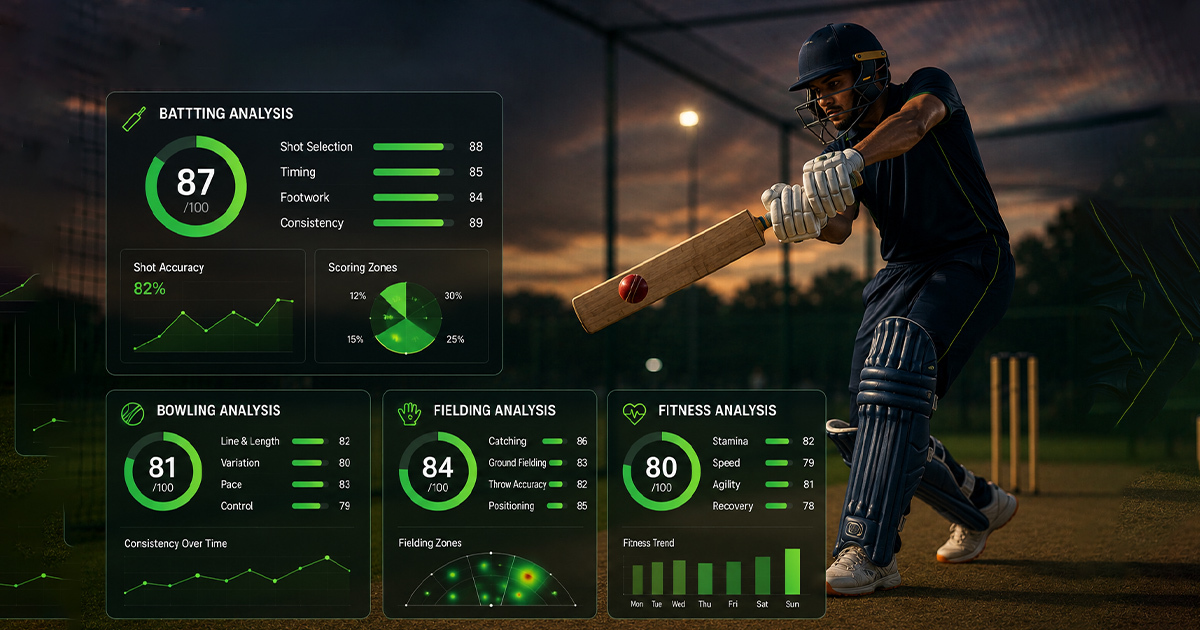
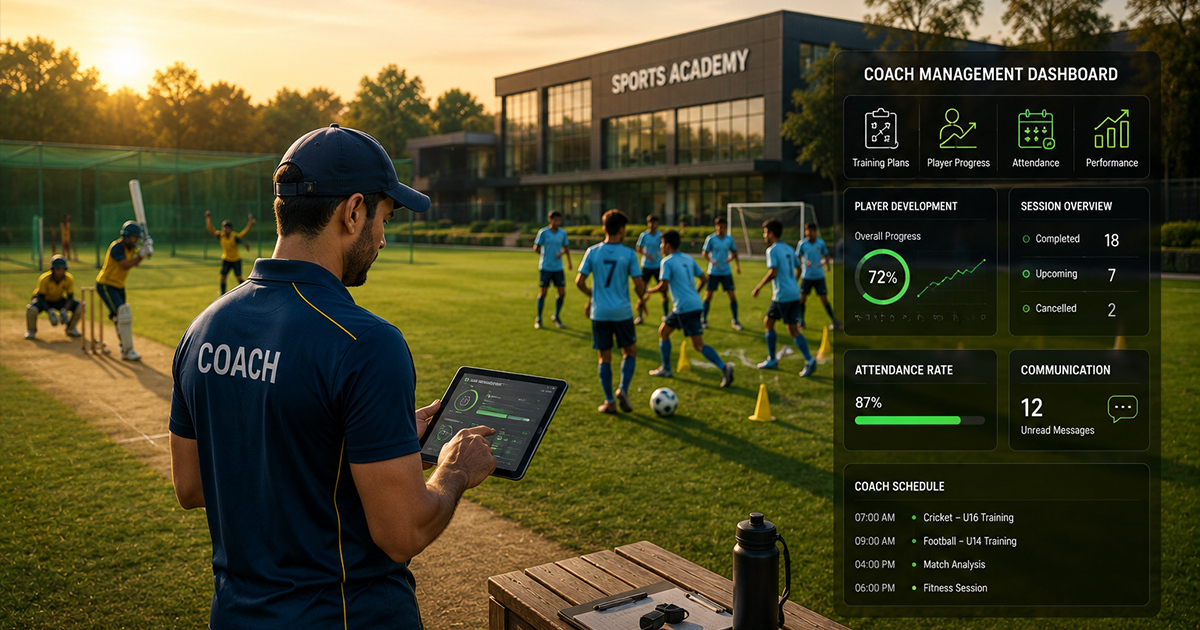
Related Articles
 Read More about How to Choose the Best Sports Academy in India for Your Child’s Long-Term Growth
How to Choose the Best Sports Academy in India for Your Child’s Long-Term Growth
 Read More about How Football Academies Can Build Stronger Parent Trust for Long-Term Player Development
How Football Academies Can Build Stronger Parent Trust for Long-Term Player Development
 Read More about Cricket Academy Fees in India Explained: What Parents Should Expect
Cricket Academy Fees in India Explained: What Parents Should Expect
Latest Articles
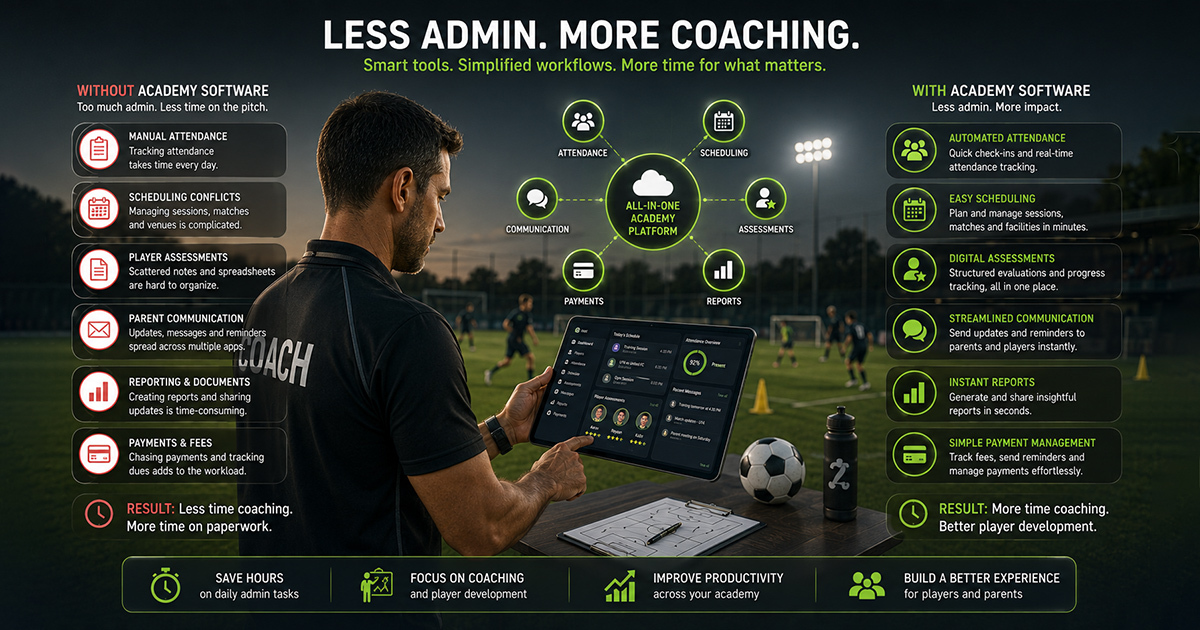 Read More about How Sports Academies Can Reduce Admin Work for Coaches
How Sports Academies Can Reduce Admin Work for Coaches
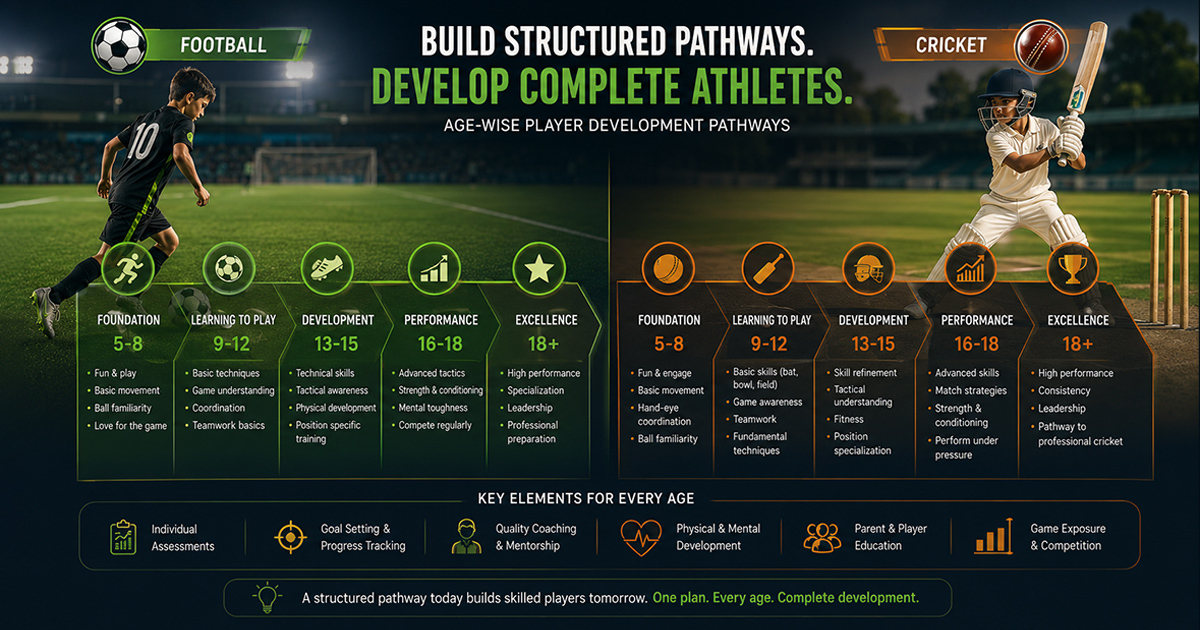 Read More about How to Build Age-Wise Player Development Pathways in Football and Cricket
How to Build Age-Wise Player Development Pathways in Football and Cricket
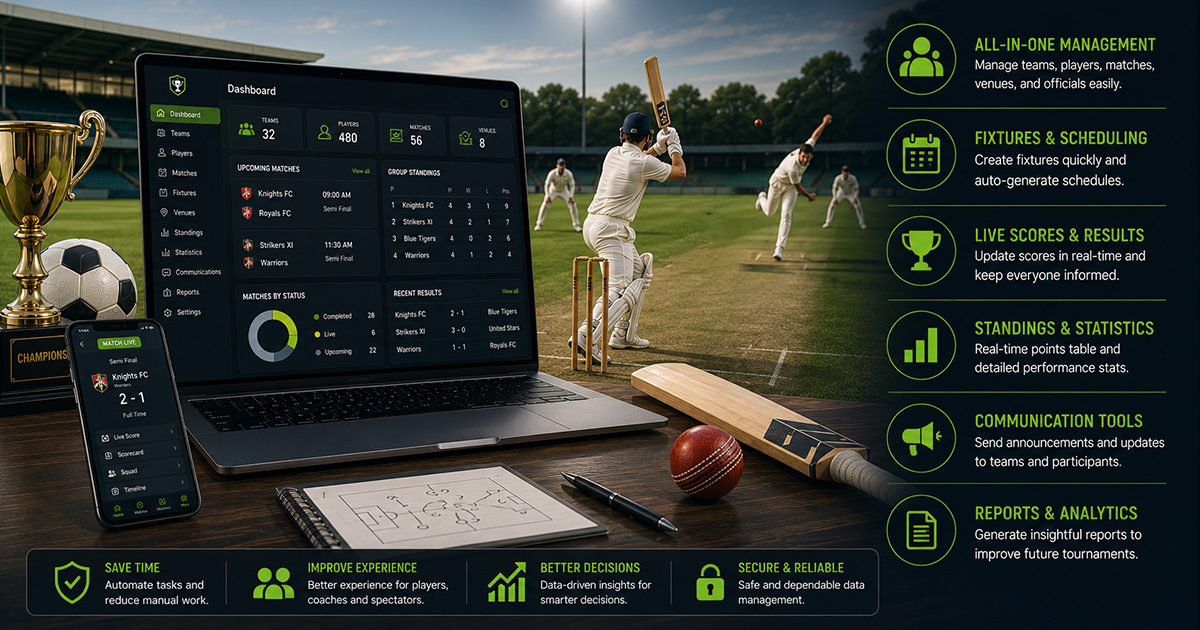 Read More about Tournament Management Software for Football and Cricket Organizers: A Practical Guide
Tournament Management Software for Football and Cricket Organizers: A Practical Guide
Ready to Bring Structure to Your Academy?
Let’s walk through your current setup and show you how 8lete can improve it.


