




How to Choose the Best Sports Academy in India for Your Child’s Long-Term Growth
Choosing the best sports academy in India for your child can feel overwhelming. Parents and young players alike face real challenges in finding an environment that balances skill development, discipline, and long-term growth. This article provides practical guidance to help families evaluate sports academies based on what truly supports youth development within the Indian grassroots sports landscape.
What Is the Best Sports Academy in India?
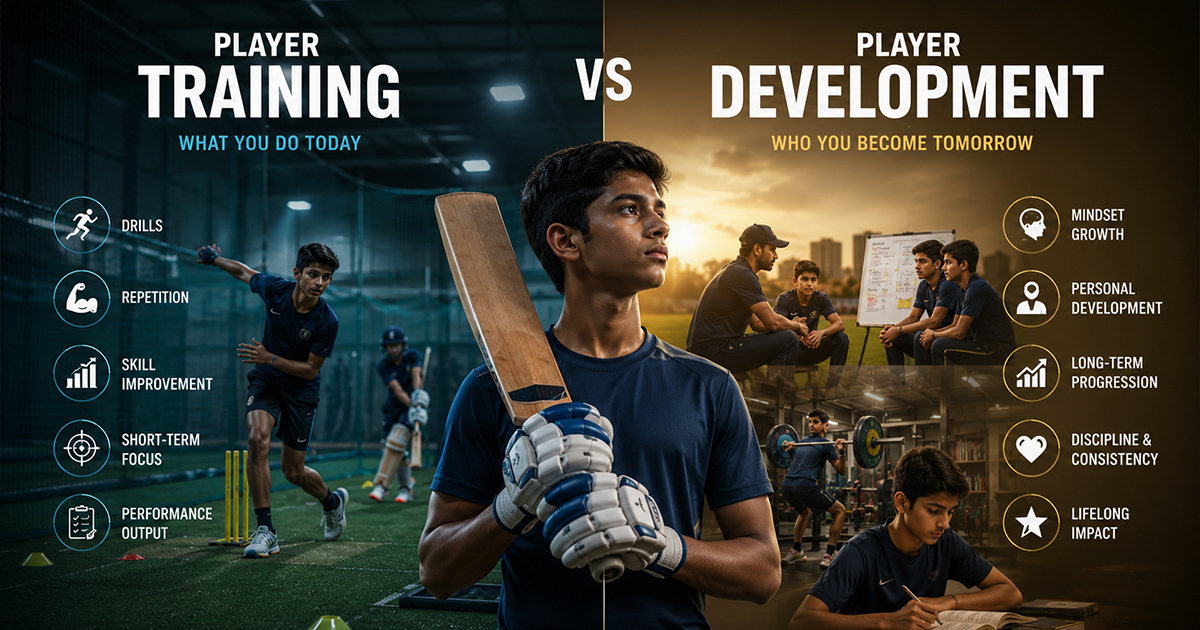
Best sports academy in India means an institution equipped to provide structured training, consistent coaching, player development tracking, and a supportive environment for children focusing on improvement over short-term results.
These academies offer age-appropriate sports training programs for kids, encouraging skills, mental growth, and discipline through structured repetition and good coaching practices.
Key Factors to Consider When Choosing a Sports Academy
How to choose a sports academy starts with identifying core factors: the quality of coaching staff, training facilities, curriculum, player development focus, and environment safety. Youth sports development India should prioritize academies that emphasize long-term development over instant success.
Other important factors include the academy's approach to structured training systems, player progress tracking through performance analysis, and opportunities for match exposure to apply learned skills.
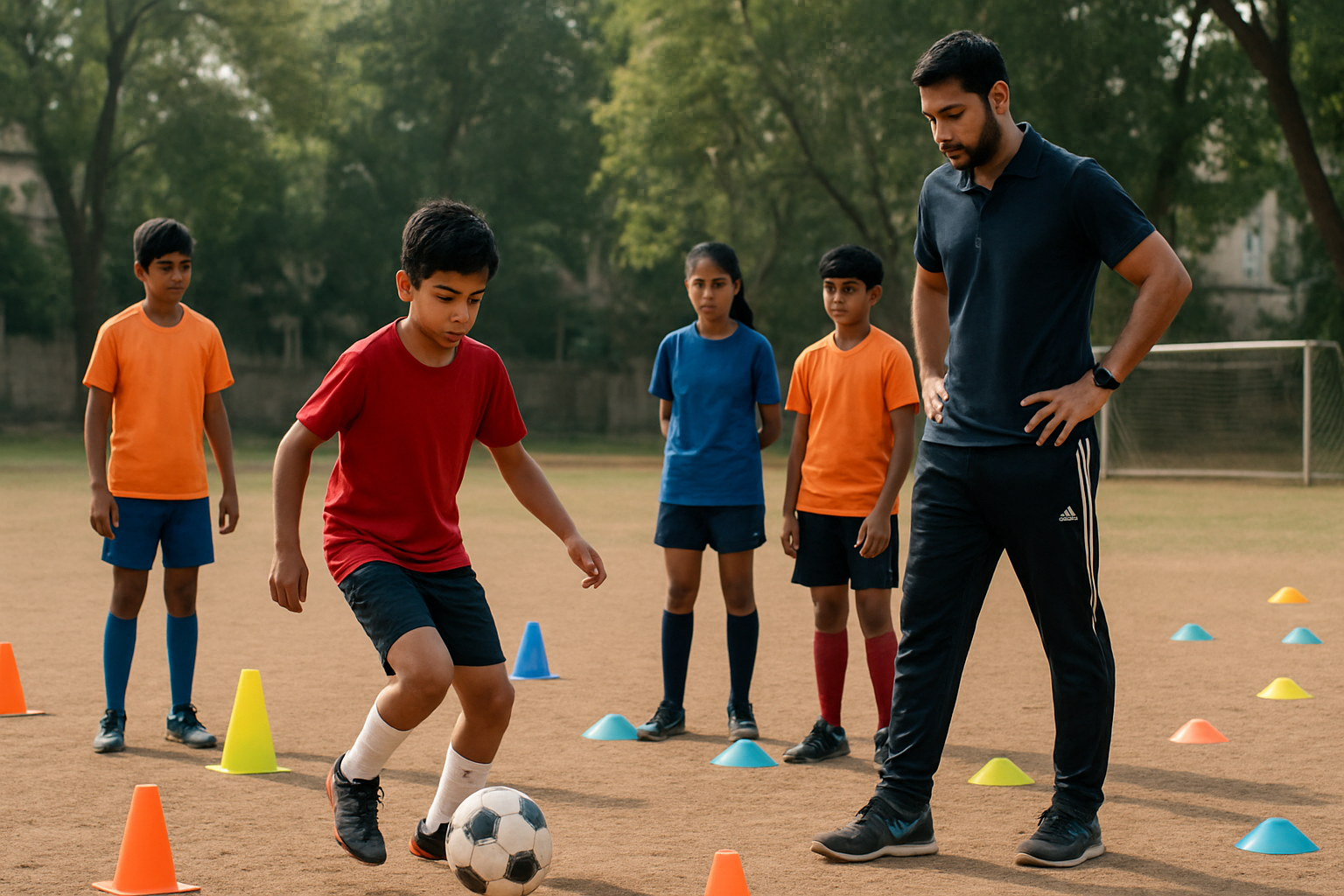
How to Improve Your Child’s Experience in a Sports Academy
Parents and coaches can work together to support the child’s growth by reinforcing discipline, encouraging consistent practice, and helping manage recovery times to prevent burnout. Structured feedback from coaches helps players understand their progress and areas needing attention.
Having clarity on training goals and maintaining communication between parents, coaches, and players makes sure the child remains motivated and focused on incremental improvements rather than results alone.
Benefits of Sports Academies for Children in India
A well-chosen sports academy provides children access to expert coaching, quality facilities, and a development-focused atmosphere. This helps nurture skills, discipline, and decision-making essential for sports and life.
Moreover, academies can facilitate visibility for young talents through scouting and structured competitions, essential for those aiming for higher levels in the sports pathway.
Consistent feedback and structured practice build the foundation every young athlete needs.
Sports Academy Admission Process: What Parents Should Expect
The admission process often involves trials assessing basic athletic skills, attitude, and coachability. Parents should prepare their children for honest evaluations that emphasize potential and development mindset rather than just current performance.
Familiarize yourself with the application steps early and ask the academy about training schedules, facilities access, and player support systems available.
Practical Implementation for Grassroots Clubs and Parents
Grassroots clubs aiming to partner with or become sports academies should embed structured training systems that focus on skill mastery, physical conditioning, and tactical understanding suited for young athletes.
Parents can support this by encouraging regular attendance, fostering good habits, and helping players reflect on their training and match performances to reinforce learning.
Common Development Mistakes to Avoid
One of the most common mistakes is prioritizing short-term results over consistent, developmental progress. Rushing talent decisions or changing academies frequently can disrupt growth.
Another issue is neglecting the mental and physical recovery aspects, which are vital for sustained improvement and injury prevention.
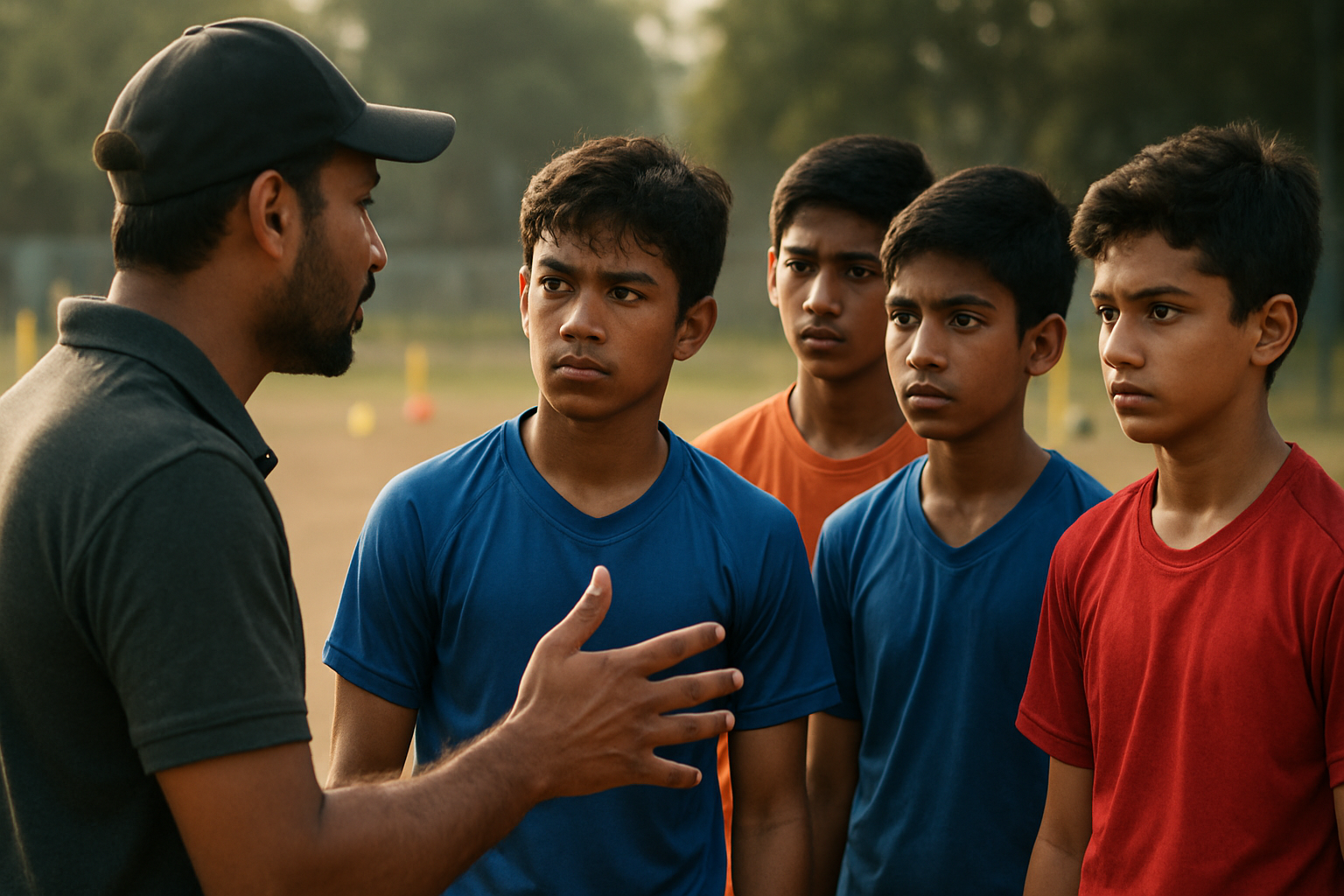
Why Parents and Coaches Should Focus on Long-Term Youth Sports Development
Long-term growth means encouraging discipline, balance, and gradual exposure to tougher challenges. Coaches and parents who understand this promote players' confidence, decision-making, and resilience, which benefit them both on and off the field.
Fostering clear goals within structured training programs, supported by regular feedback and player development tracking, creates a pathway for success aligned with the child's pace and aspirations.
Conclusion
Choosing the best sports academy in India requires careful evaluation of multiple factors beyond just the brand or location. Parents should look for academies that offer structured training programs for kids, emphasize long-term youth sports development, and provide a safe, supportive environment where players can thrive. Consistency, discipline, development tracking, and player-focused coaching must form the foundation of any good academy. By avoiding common pitfalls and prioritizing the child's growth journey, families can set young athletes on a path toward sustained development and enjoyment of the sport. To explore more about how sports academies fit into the larger sports academy ecosystem, parents and coaches can deepen their understanding and prepare for a better sports future.
What is a sports academy and how does it help kids develop?
A sports academy is a specialized training center that provides coaching, facilities, and structured programs to help children improve their skills and overall development in sports.
How to improve sports skills at home for young players?
Young players can improve skills at home by practicing specific drills regularly, focusing on discipline, repetition, and mental focus, and reviewing game footage if available.
How to choose a sports academy for my child in India?
Consider coaching quality, training curriculum, development focus, safety, and facilities. Visit academies, ask questions, and observe training sessions before deciding.
Why am I not getting selected in sports academy trials?
Selections depend on current skills, attitude, and potential. Lack of consistent practice, poor mindset, or unfamiliarity with trial expectations can affect selection.
What is the best age to join a sports academy for effective development?
The best age varies, but starting structured training around 8 to 12 years old provides a solid foundation for skill development and progression.
How to get better at decision-making in youth sports?
Players improve decision-making by practicing game-like scenarios, receiving feedback, and developing awareness during training and matches under guided supervision.

Related Articles
 Read More about How Football Academies Can Build Stronger Parent Trust for Long-Term Player Development
How Football Academies Can Build Stronger Parent Trust for Long-Term Player Development
 Read More about Cricket Academy Fees in India Explained: What Parents Should Expect
Cricket Academy Fees in India Explained: What Parents Should Expect
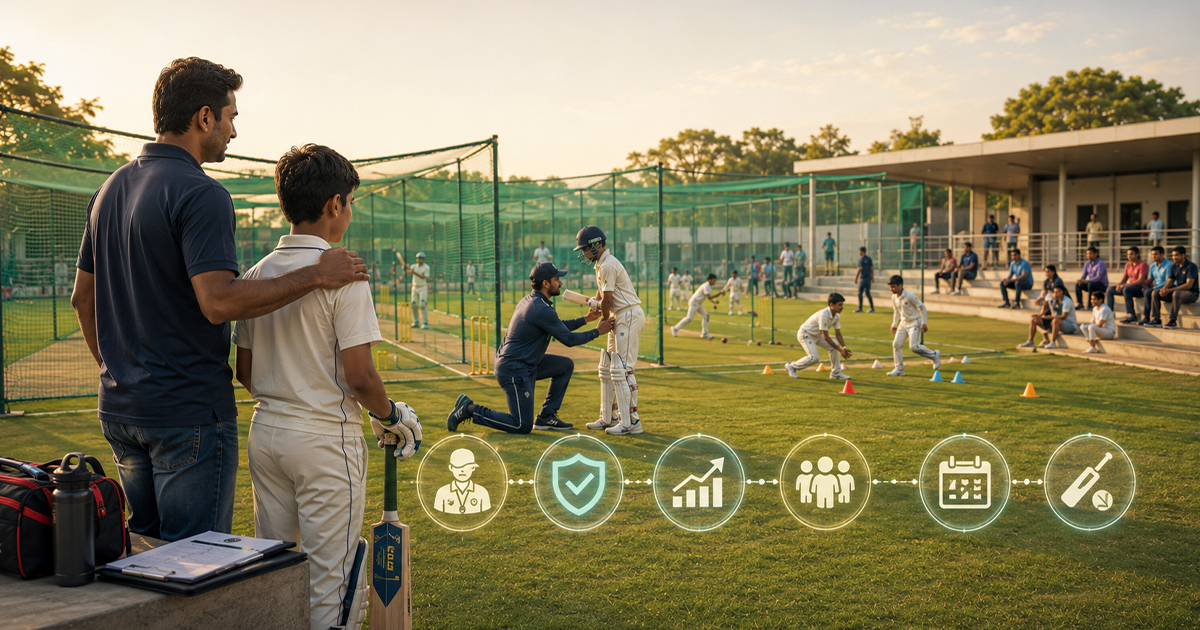 Read More about Cricket Academy Selection for Children: A Parent’s Practical Checklist
Cricket Academy Selection for Children: A Parent’s Practical Checklist
Latest Articles
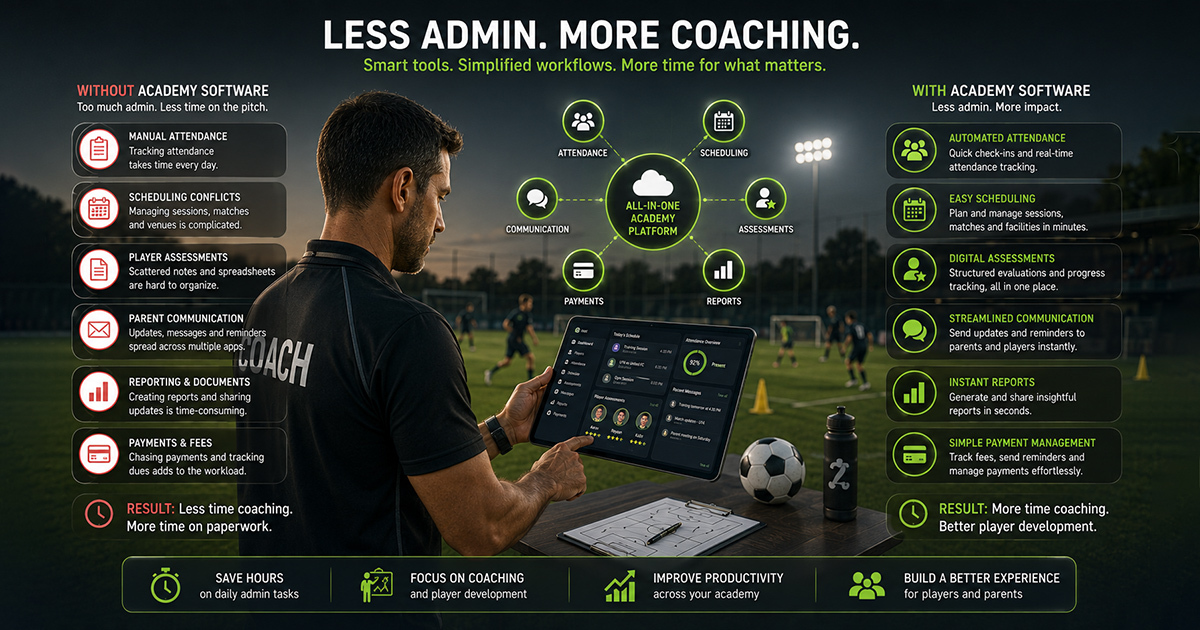 Read More about How Sports Academies Can Reduce Admin Work for Coaches
How Sports Academies Can Reduce Admin Work for Coaches
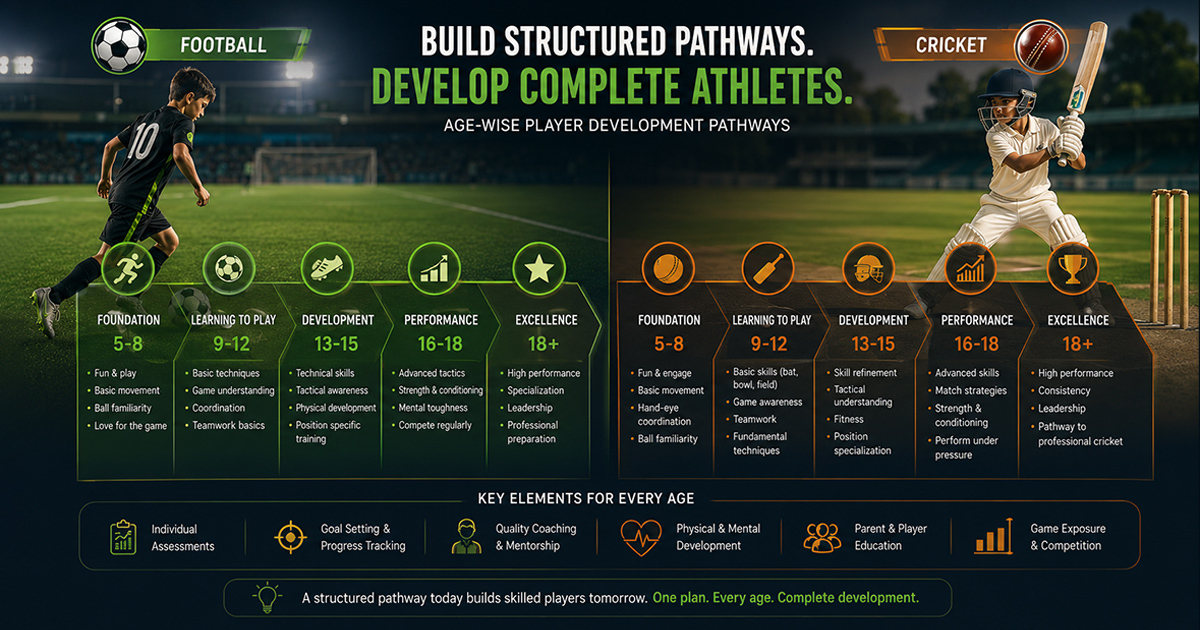 Read More about How to Build Age-Wise Player Development Pathways in Football and Cricket
How to Build Age-Wise Player Development Pathways in Football and Cricket
 Read More about Tournament Management Software for Football and Cricket Organizers: A Practical Guide
Tournament Management Software for Football and Cricket Organizers: A Practical Guide
Ready to Bring Structure to Your Academy?
Let’s walk through your current setup and show you how 8lete can improve it.


