



Player Development vs Player Training: What Every Academy Must Understand
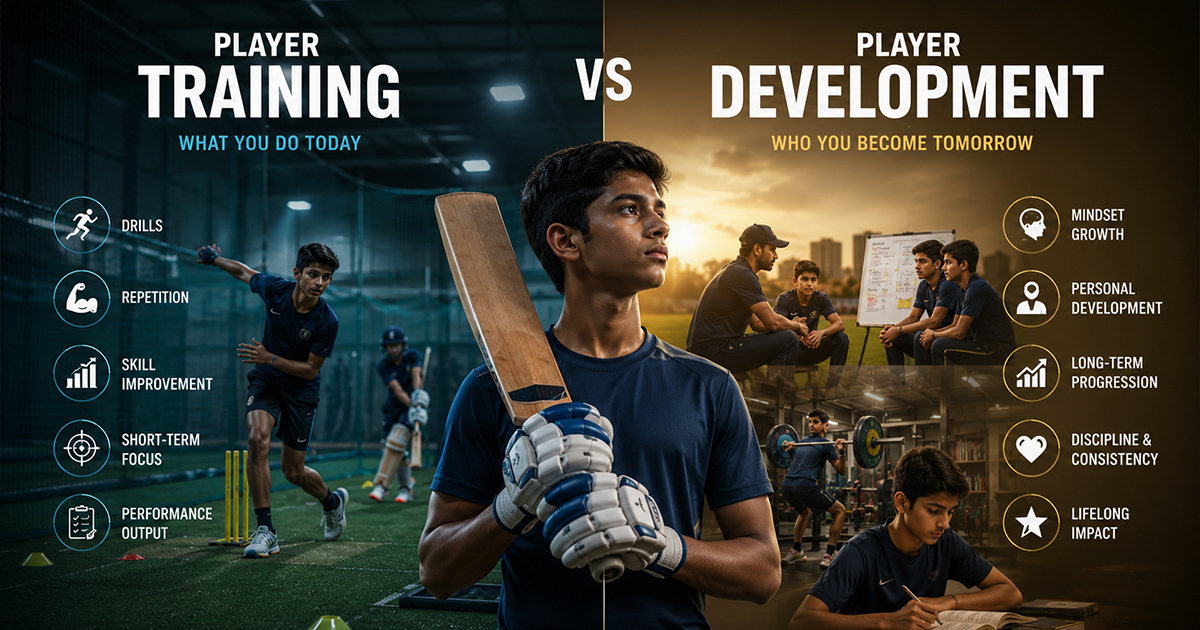
Understanding the difference between player development vs player training is critical for any youth sports academy, coach, parent, or player serious about long-term growth. While training often focuses on immediate skill acquisition and physical conditioning, development takes a broader, more structured approach targeting a player's overall growth on and off the field. This distinction addresses a very real issue: many clubs and parents expect quick results from training sessions but overlook the lasting impact structured development can have on a young player's career.
What is Player Development vs Player Training?
Player training usually works on specific skills, fitness, or tactical drills during sessions. It's about repetition, immediate feedback, and improving performance in the short-term. Player development, however, is a holistic process focused on consistent progress, decision-making, mental maturity, and understanding the game contextually. Development involves physical, technical, psychological, and social factors that build sustainable success beyond the training ground.
In practical terms, development places emphasis on long-term tracking, structured feedback, and growth milestones that go beyond isolated training improvements. To fully support youth player growth, academies must balance effective training techniques with broader developmental goals.
Key Differences Between Player Development and Training
Player training often targets repetition of drills and skill acquisition, such as ball control or passing accuracy. It’s about mastering specific actions under coach supervision with measurable outputs during sessions. Player development, on the other hand, integrates learning principles, recovery, mental growth, and decision-making to nurture a player’s capability to perform consistently across matches and pressure situations.
Training sessions provide the foundation, but without overarching development, improvements can plateau or fail to translate into match effectiveness. Understanding player growth vs training helps coaches design programs where player skill development tips align with mental agility and discipline, ultimately fostering better long-term athletes.
How to Improve Player Development in Youth Academies
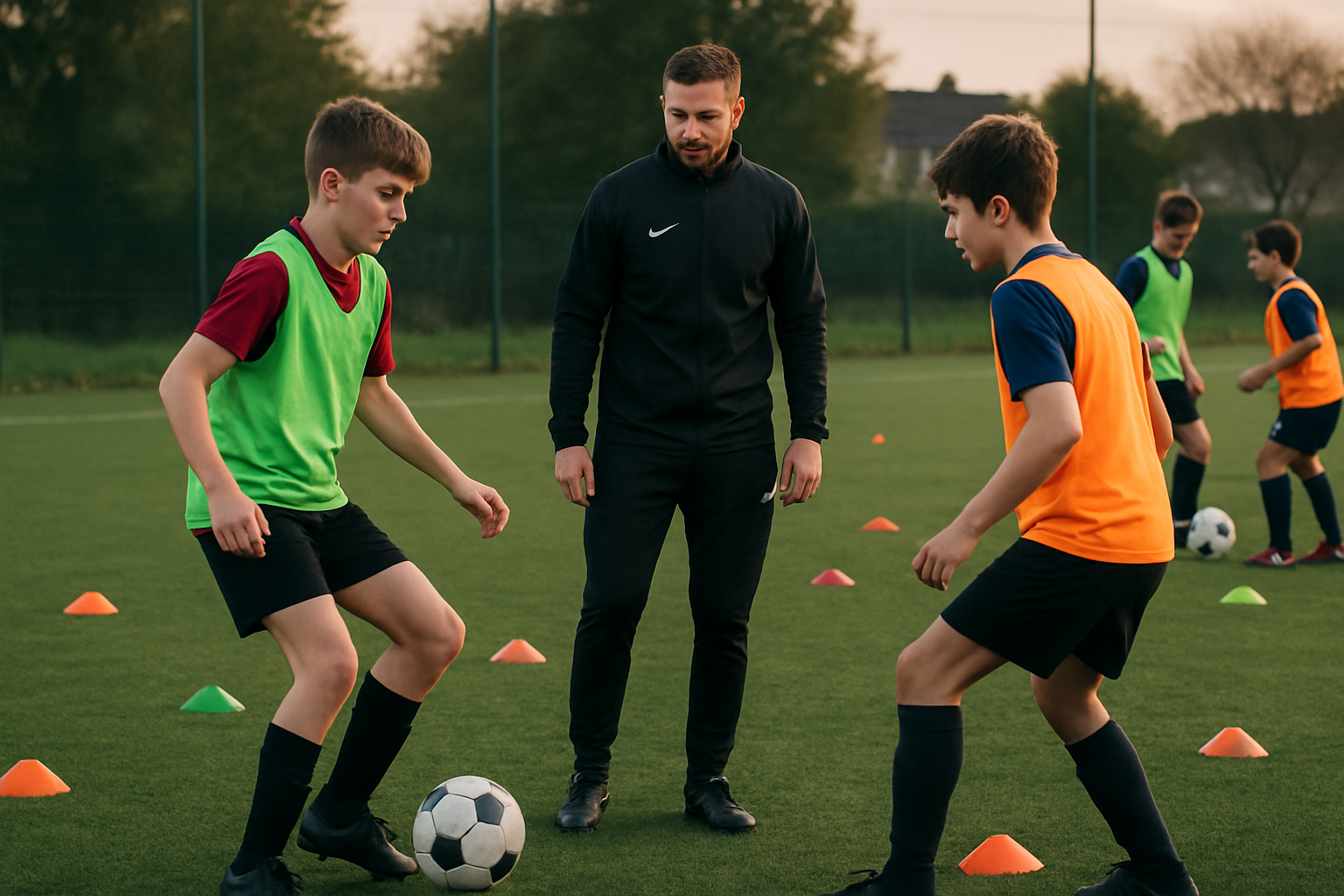
To enhance youth player development, academies need to implement structured training systems that combine skill drills with decision-making scenarios and psychological growth exercises. Coaches should design sessions that emphasize learning through varied challenges rather than repetitive mechanical drills alone.
Parents and players benefit from understanding that effective training programs for players are part of a bigger developmental framework. This includes rest and recovery, mental resilience development, and feedback cycles where progress is tracked and areas for improvement are clearly mapped.
Effective player development requires balancing skill practice with mental and tactical growth over time.
Common Development Mistakes in Academies
One pitfall is focusing too heavily on immediate training outcomes like winning games or mastering isolated skills without considering the player’s overall growth trajectory. This can lead to burnout, loss of motivation, and stagnation in development. Another mistake is neglecting the mental and tactical learning environment that supports decision-making and adaptation in match conditions.
Academy coaching best practices call for balancing physical repetition with structured feedback and performance analysis, allowing players to develop self-awareness and autonomy. Ultimately, overemphasizing short-term training results diminishes the impact of structured player visibility and tracking which can reveal true progression over time.
Practical Implementation for Grassroots Clubs
For grassroots clubs, integrating a player development mindset means establishing clear development pathways and consistent monitoring of each player's progress. This includes adopting youth academy training methods that emphasize varied, purposeful sessions and incorporate player improvement strategies supported by regular assessment.
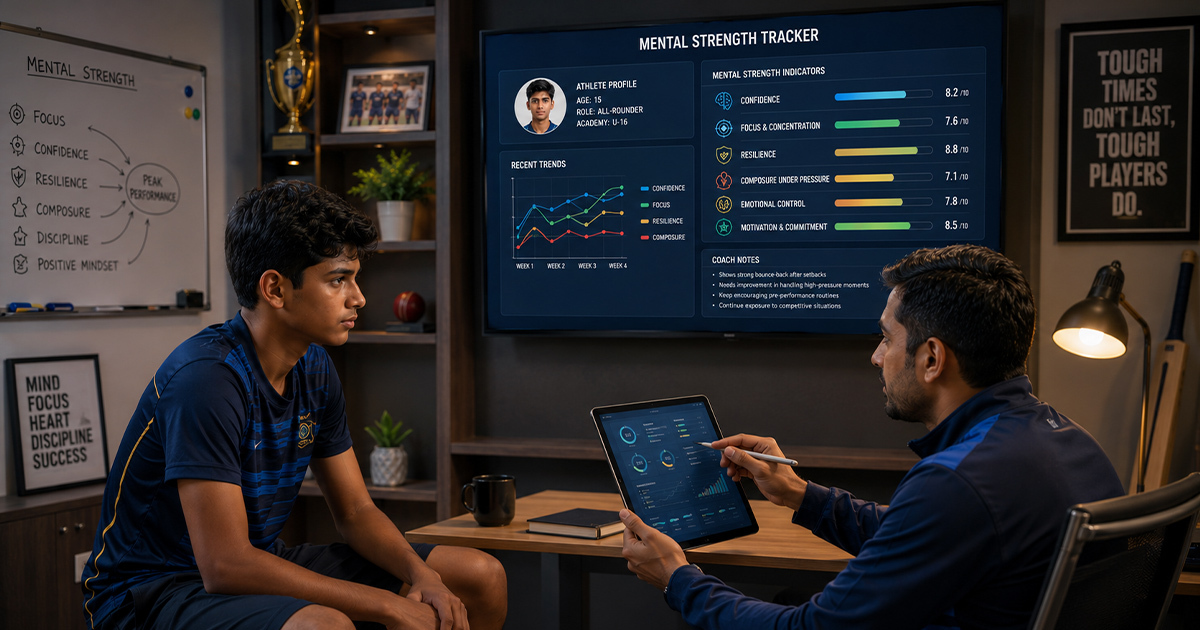
Coaches should use tools for tracking technical and physical progress, but also focus on teaching players to understand game scenarios and manage their own development. Parents can contribute by supporting balance in training and recovery and appreciating that growth isn’t always linear. To deepen insight, clubs can explore the player development ecosystem and incorporate technology-enabled tracking and feedback.
Training Framework for Balanced Player Growth
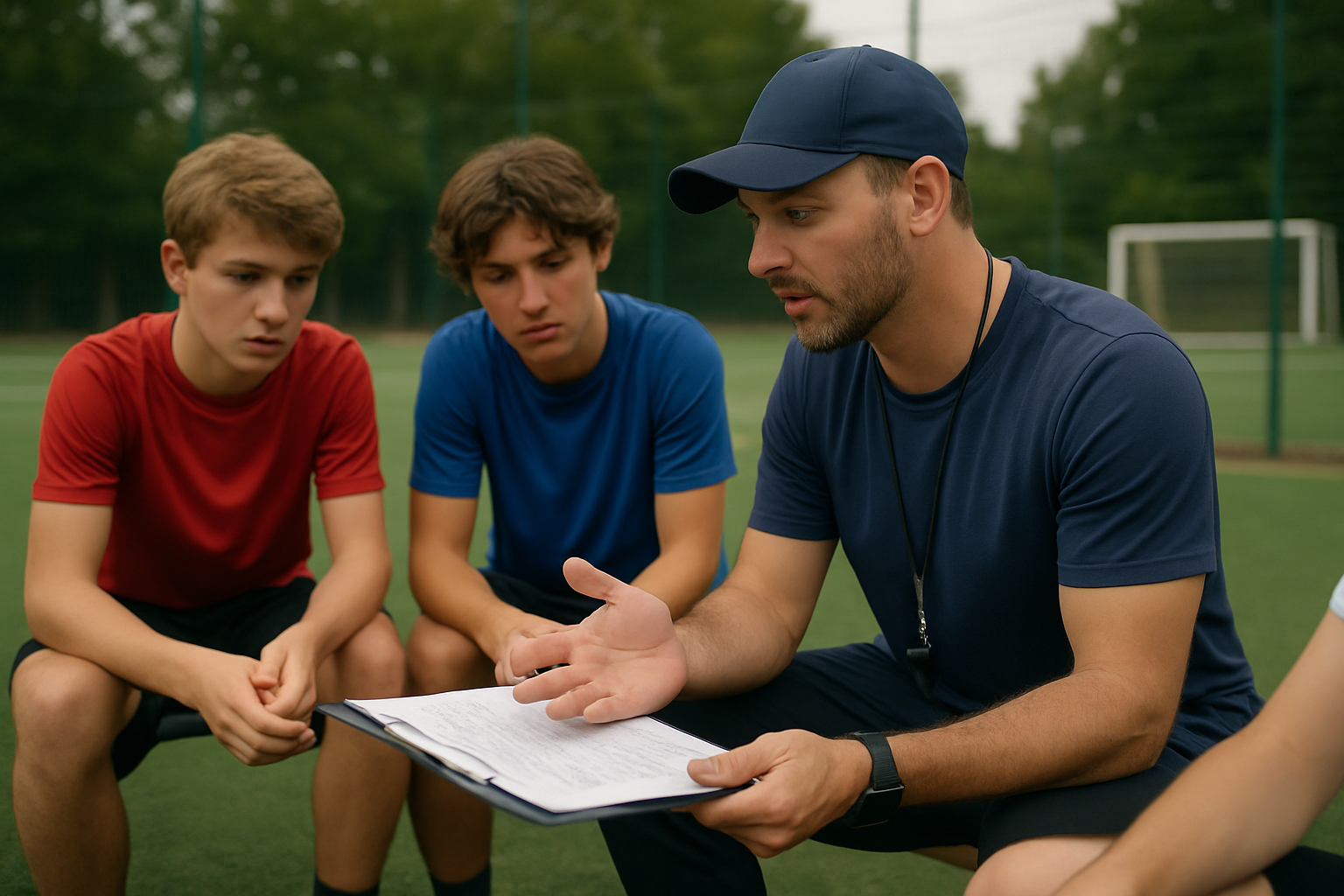
A simple yet effective framework to unite training and development focuses on four phases: Training → Feedback → Tracking → Progression. Start with skill and fitness training, followed by meaningful feedback encouraging reflection. Then use consistent tracking of improvement metrics and apply these insights to progression goals that include mental and tactical growth.
Following this structured approach helps ensure academy player training techniques don’t exist in isolation but serve a clearly defined developmental pathway that prepares players not just for matches but for evolving sports careers.
Why Players Struggle Without Development-Focused Approaches
Without a comprehensive development strategy, players often face plateaus where training improvements don’t translate to better match performance. Narrow training focus might improve physical attributes but neglect the critical cognitive and emotional skills needed for competition. This disconnect leads to frustration among players, coaches, and parents alike.
Academies that lack structured development workflows miss out on tracking key growth elements such as decision-making under pressure, player mindset, and game intelligence. Over time this results in less visible progress and reduced potential for long-term success.
Conclusion
Understanding the critical differences between player development vs player training can dramatically improve how youth academies, coaches, parents, and players approach growth. Effective youth player development requires more than isolated training drills; it demands a structured, long-term focus on physical skills, mental readiness, and tactical understanding. Balancing these elements through clear frameworks and consistent monitoring creates environments where players thrive sustainably. Grassroots clubs should embrace this holistic view, integrating practical training with developmental insights, to build resilience, adaptability, and true sports potential over time.
What is the difference between player development and player training?
Player training focuses on specific skills and immediate performance, while player development involves holistic growth including mental, physical, and tactical maturity over time.
How can coaches improve youth player development?
Coaches should design varied, purposeful sessions that promote skill learning, decision-making, and mental growth, supported by consistent feedback and progress tracking.
Why am I not improving despite regular training?
Improvement may stall if training lacks a development focus, neglecting mental skills, recovery, or feedback necessary to translate practice into match performance.
How to improve sports skills at home for young players?
Focus on basic technical drills, consistent practice, and watching games to understand tactics. Balance skill work with rest and reflection.
Why do players struggle to get selected in trials?
Selection often depends on more than raw skills; decision-making, game intelligence, and consistent development make players stand out under pressure.
What is the best age to start structured player development?
Structured development can effectively begin as early as 8–10 years old, focusing on fundamentals, fun, and gradual learning rather than immediate results.

Related Articles
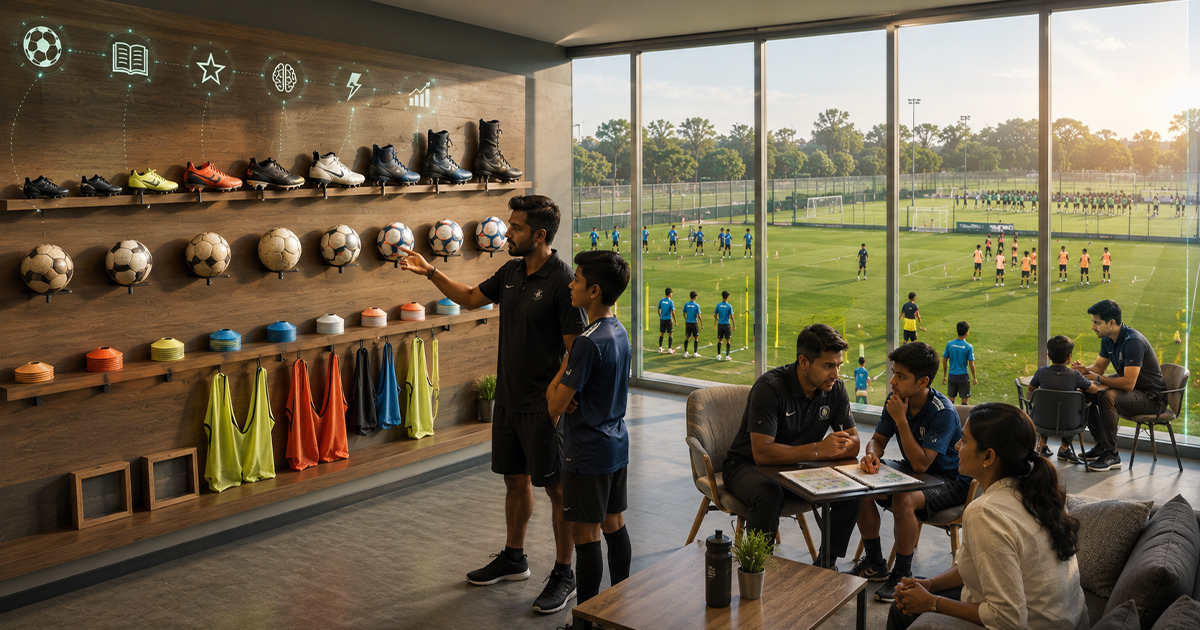 Read More about How to Build a Football Development Plan for Youth Players Aged U10 to U18
How to Build a Football Development Plan for Youth Players Aged U10 to U18
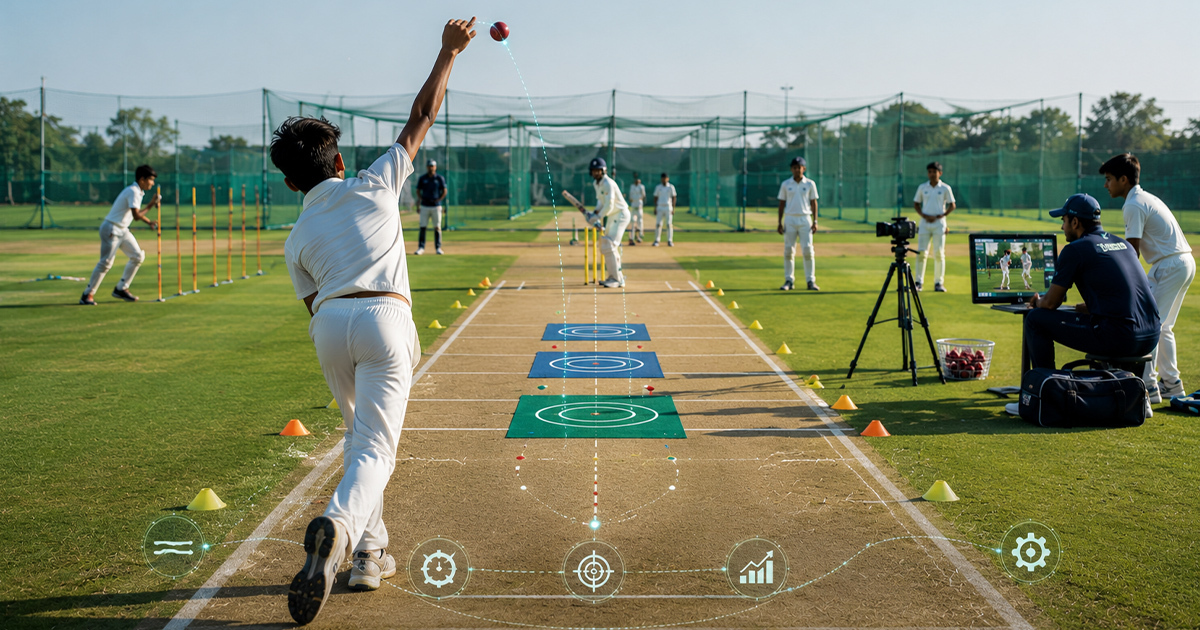 Read More about How to Improve Bowling Consistency in Young Cricketers: Line, Length and Control
How to Improve Bowling Consistency in Young Cricketers: Line, Length and Control
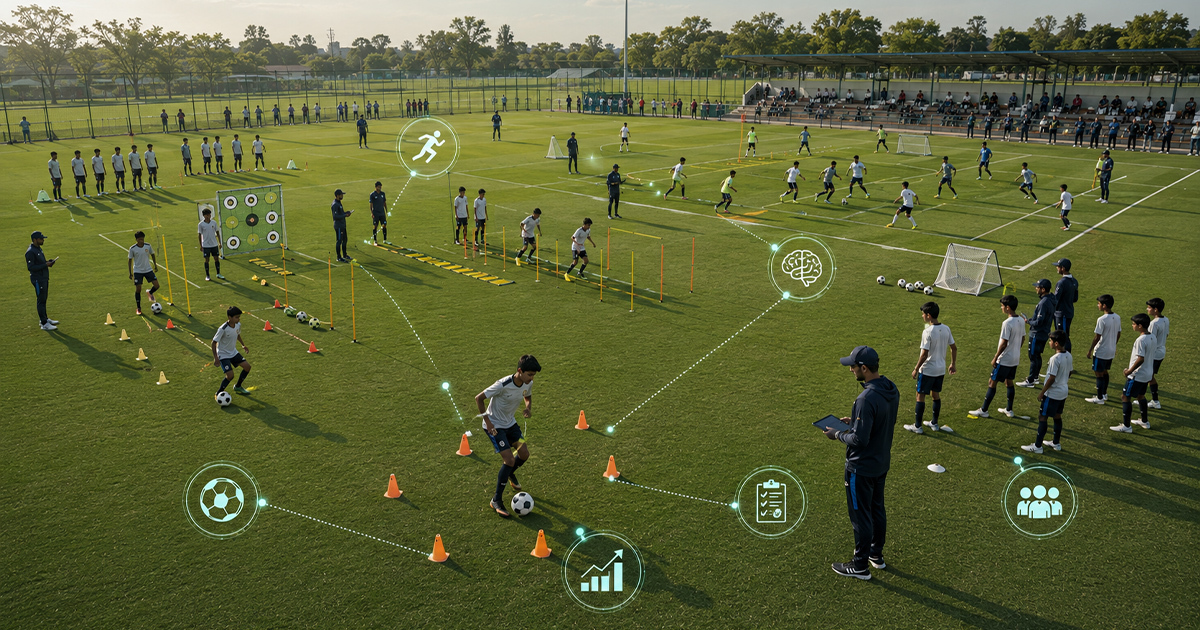 Read More about How to Structure Football Assessments for Grassroots Players
How to Structure Football Assessments for Grassroots Players
Latest Articles
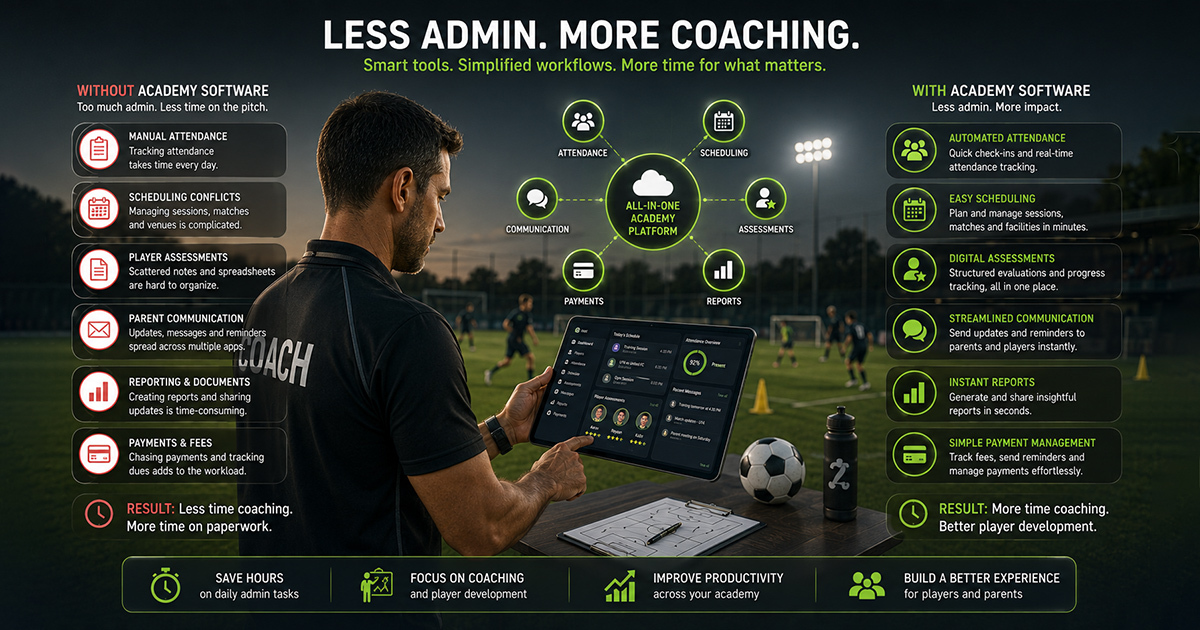 Read More about How Sports Academies Can Reduce Admin Work for Coaches
How Sports Academies Can Reduce Admin Work for Coaches
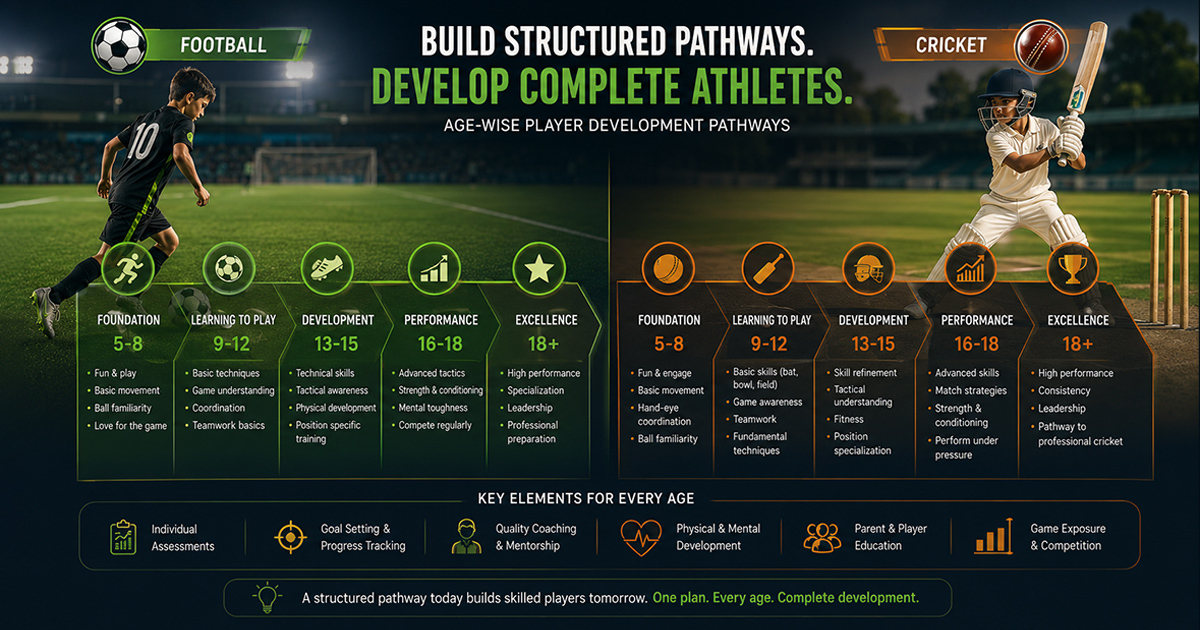 Read More about How to Build Age-Wise Player Development Pathways in Football and Cricket
How to Build Age-Wise Player Development Pathways in Football and Cricket
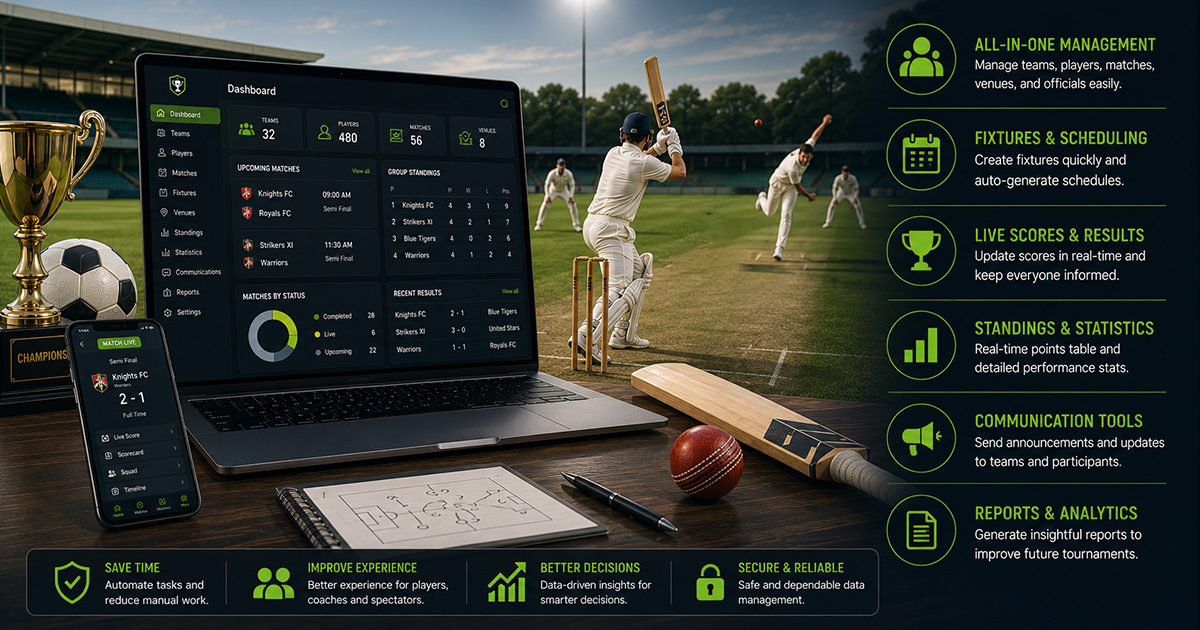 Read More about Tournament Management Software for Football and Cricket Organizers: A Practical Guide
Tournament Management Software for Football and Cricket Organizers: A Practical Guide
Ready to Bring Structure to Your Academy?
Let’s walk through your current setup and show you how 8lete can improve it.


