



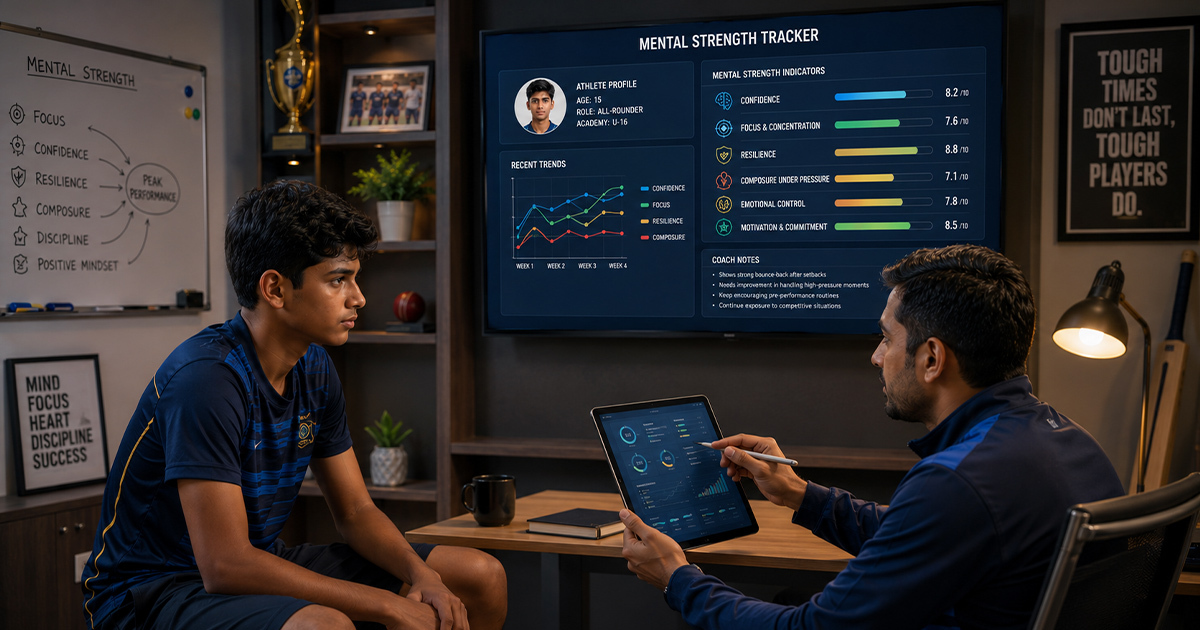
How Coaches Can Track Mental Strength in Young Athletes
Tracking mental strength in young athletes is a crucial challenge for coaches aiming to build resilience and performance consistency in youth sports. Coaches often struggle to identify reliable ways to assess psychological factors like focus, confidence, and emotional control beyond physical skills. This article provides clear, actionable insights into how coaches can effectively monitor and develop mental toughness using practical strategies, observations, and appropriate tools tailored to grassroots environments.
What Is Tracking Mental Strength in Young Athletes?
Tracking mental strength involves systematically observing and assessing an athlete’s psychological resilience, emotional regulation, and focus during training and matches. It helps coaches identify areas needing improvement that impact performance under pressure and long-term development.
This includes monitoring confidence levels, response to setbacks, concentration, and decision-making consistency—to nurture well-rounded athletes prepared for both sport and life challenges.
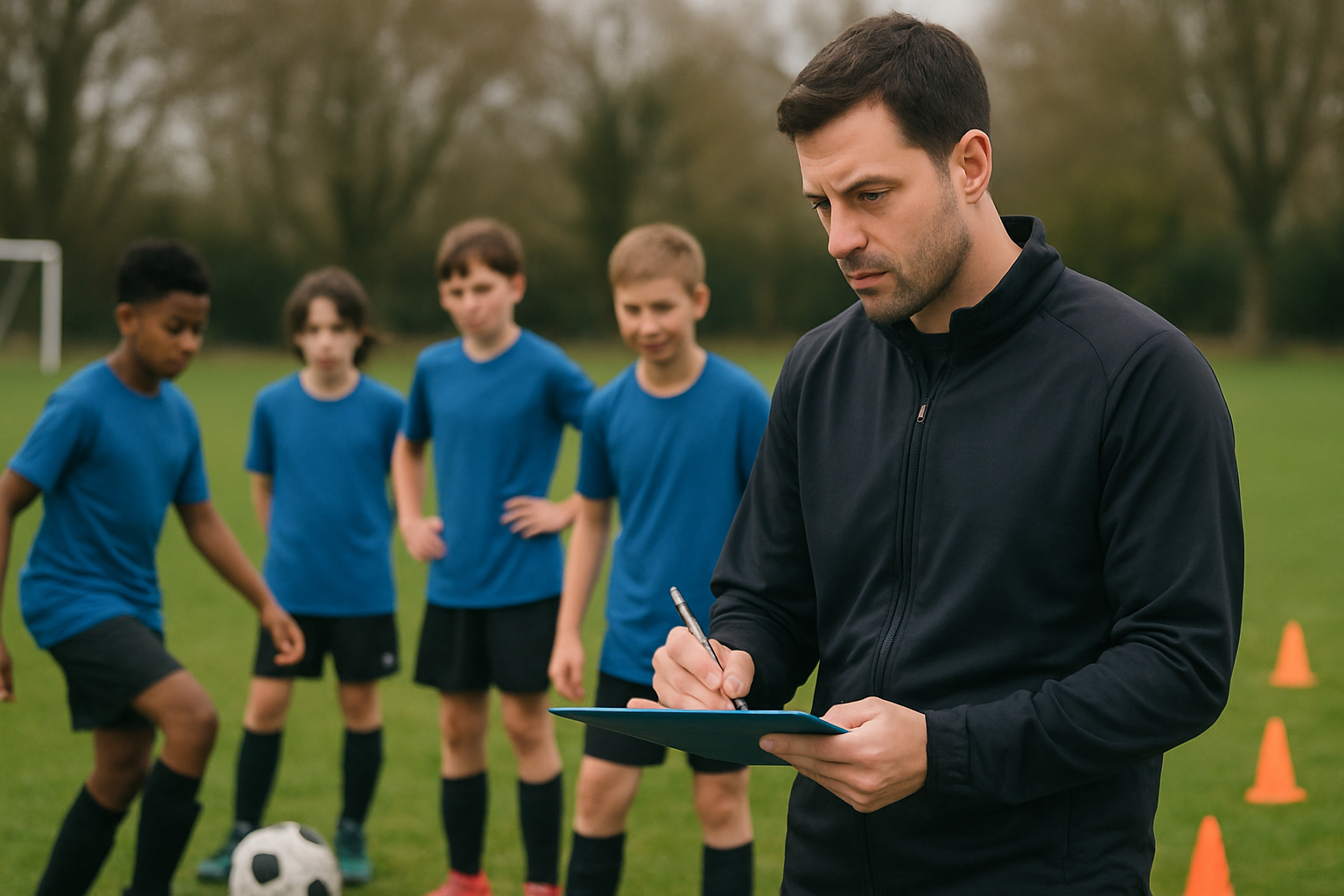
Key Indicators of Mental Toughness in Youth Sports
Effective tracking begins with understanding observable indicators such as perseverance during drills, focus to complete challenges, emotional control after mistakes, and positive responses to coaching feedback. These behaviors reveal mental toughness in young athletes.
Confidence on the field and the ability to maintain composure during games are essential signs coaches should regularly note during sessions and matches.
Tools and Methods for Assessing Athlete Psychological Resilience
Beyond observation, coaches can use simple tools such as mental strength questionnaires, self-reflection journals, and structured feedback forms tailored for youth players. Video analysis can also support awareness of emotional and behavioral responses during gameplay.
Regular check-ins with athletes to discuss mindset and stress management strategies also encourage emotional intelligence development crucial for resilience.
How Coaches Can Structure Mental Strength Tracking
Establishing a simple framework like Observe > Record > Discuss > Adjust > Review helps keep mental strength monitoring practical and focused. Coaches observe player behavior, record findings, discuss progress with athletes, adjust training accordingly, and review improvements over time.
Integrating this into weekly training routines ensures mental development receives consistent attention alongside physical and skill training.
Consistent observation and simple mental exercises help coaches build lasting mental strength in young athletes.
Coaching Strategies for Developing Emotional Intelligence in Athletes
Promoting emotional intelligence involves teaching athletes to recognize their emotions, manage reactions, and communicate effectively. Coaches can include mindfulness exercises, breathing techniques during breaks, and scenario-based discussions exploring feelings during matches.
These strategies build self-awareness and control that improve decision-making and reduce performance anxiety.
Practical Implementation for Grassroots Clubs
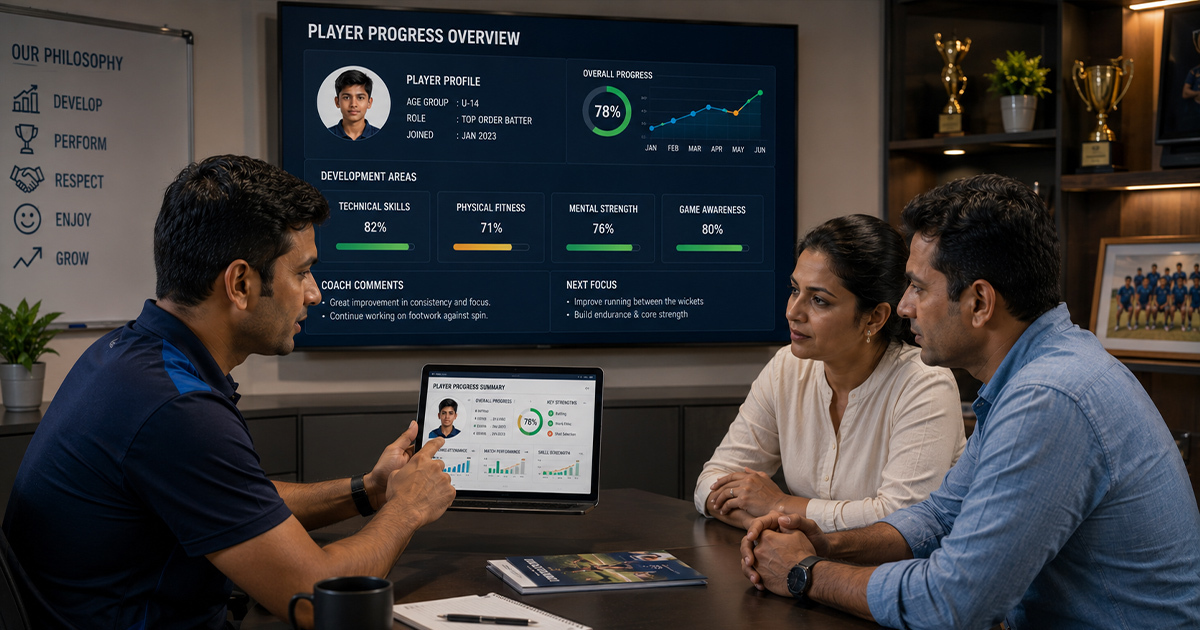
Grassroots clubs can embed mental strength tracking by assigning coaches to maintain brief mental performance logs for each player, combined with regular group workshops on confidence and focus-building. Clubs should encourage parent involvement through progress updates to ensure a supportive environment outside training.
Using a centralized system for tracking allows easy access to reports and enables data-driven decisions on player development, ensuring mental health monitoring is not overlooked.
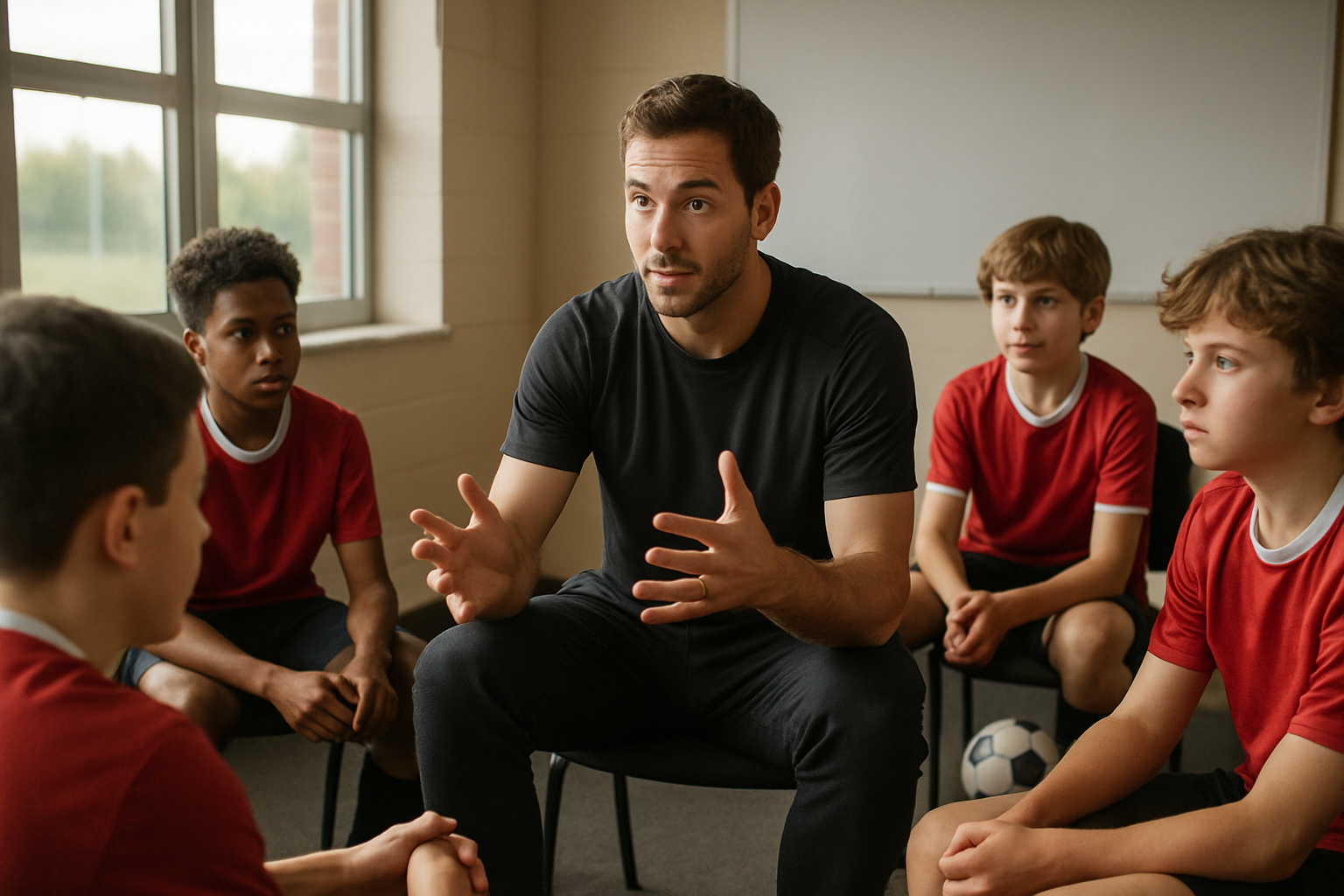
Common Development Mistakes in Tracking Mental Strength
A common mistake is focusing solely on physical stats or match results without considering psychological factors that influence consistency and growth. Ignoring mental health signs such as anxiety or lack of motivation can derail long-term progress.
Another pitfall is using overly complex assessments unsuitable for age or skill level, which can overwhelm players and coaches alike.
Balancing Focus and Confidence in Youth Sports
Coaches must create environments that foster focus without pressuring young athletes. Encouraging effort over immediate results and providing constructive feedback helps build genuine confidence, which forms the foundation of mental toughness.
Teaching coping skills to handle setbacks early on ensures players remain motivated and resilient through challenges.
Conclusion
Tracking mental strength in young athletes requires deliberate, consistent effort from coaches, integrated with holistic player development practices. By observing behavioral indicators, using age-appropriate tools, and embedding emotional intelligence strategies, coaches can foster resilience, focus, and confidence in their players. Grassroots clubs benefit from structured systems that ensure mental health monitoring accompanies skill and fitness training. Parents play a key supportive role by understanding mental development does not happen overnight but grows with thoughtful guidance. Ultimately, adopting a practical, development-focused approach to mental strength tracking helps young athletes handle sport pressures while building lasting personal growth and performance stability beyond the field.
What is mental strength in young athletes?
Mental strength in young athletes is the ability to stay focused, confident, and resilient during sports activities, especially under pressure or setbacks.
How does a coach assess psychological resilience in youth players?
Coaches assess psychological resilience by observing focus, response to mistakes, perseverance in training, and using simple questionnaires or feedback forms.
How can coaches improve mental toughness in youth sports?
Coaches can improve mental toughness through consistent mental skills training, mindfulness exercises, positive reinforcement, and structured feedback.
Why am I not improving my mental focus during matches?
Lack of mental focus may be due to insufficient practice of concentration techniques, distractions, or unmanaged stress before and during games.
How can parents support developing emotional intelligence in young athletes?
Parents can support by encouraging open conversations about feelings, providing a positive environment, and helping children manage emotions after games or training.
What tools can clubs use for mental strength tracking?
Clubs can use observation logs, simple mental health questionnaires, video analysis, and regular player check-ins to track mental strength effectively.
What is the best age to start mental strength training for youth players?
Mental strength training can begin as early as 8–10 years, focusing on basic focus building, emotional control, and positive feedback techniques.

Related Articles
 Read More about Weekly Cricket Training Session Plan for Grassroots Academies: A Practical Guide
Weekly Cricket Training Session Plan for Grassroots Academies: A Practical Guide
 Read More about How Coaches Can Help Football Players Handle Match Pressure
How Coaches Can Help Football Players Handle Match Pressure
 Read More about How to Improve Batting Technique in Young Cricketers: A Coach’s Guide
How to Improve Batting Technique in Young Cricketers: A Coach’s Guide
Latest Articles
 Read More about How Sports Academies Can Reduce Admin Work for Coaches
How Sports Academies Can Reduce Admin Work for Coaches
 Read More about How to Build Age-Wise Player Development Pathways in Football and Cricket
How to Build Age-Wise Player Development Pathways in Football and Cricket
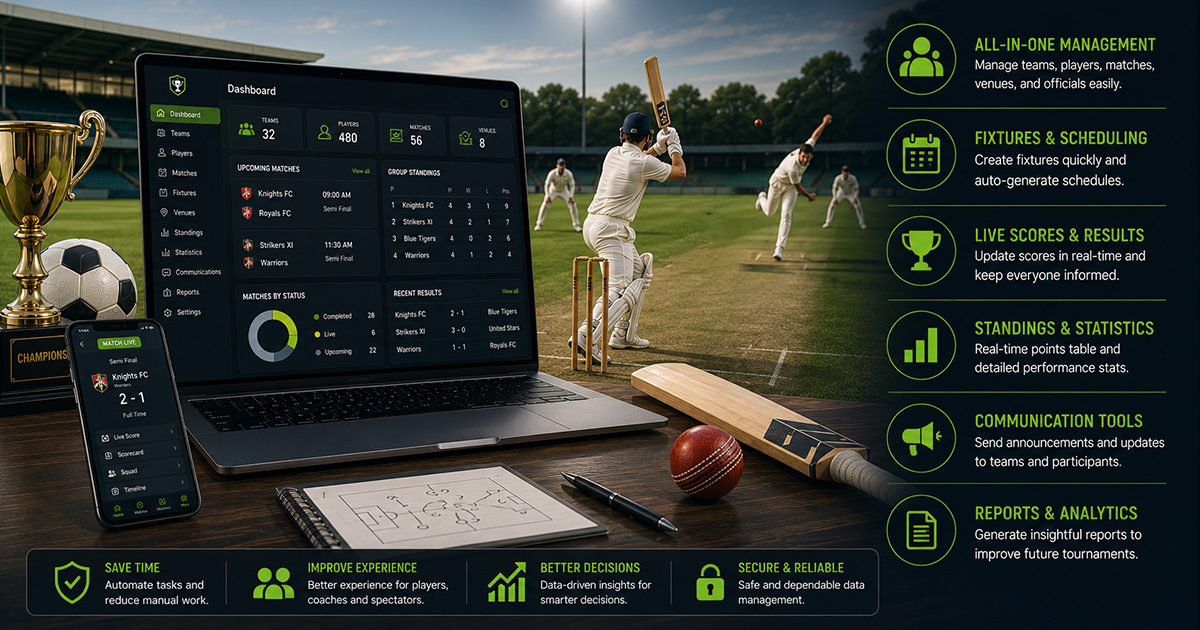 Read More about Tournament Management Software for Football and Cricket Organizers: A Practical Guide
Tournament Management Software for Football and Cricket Organizers: A Practical Guide
Ready to Bring Structure to Your Academy?
Let’s walk through your current setup and show you how 8lete can improve it.


