



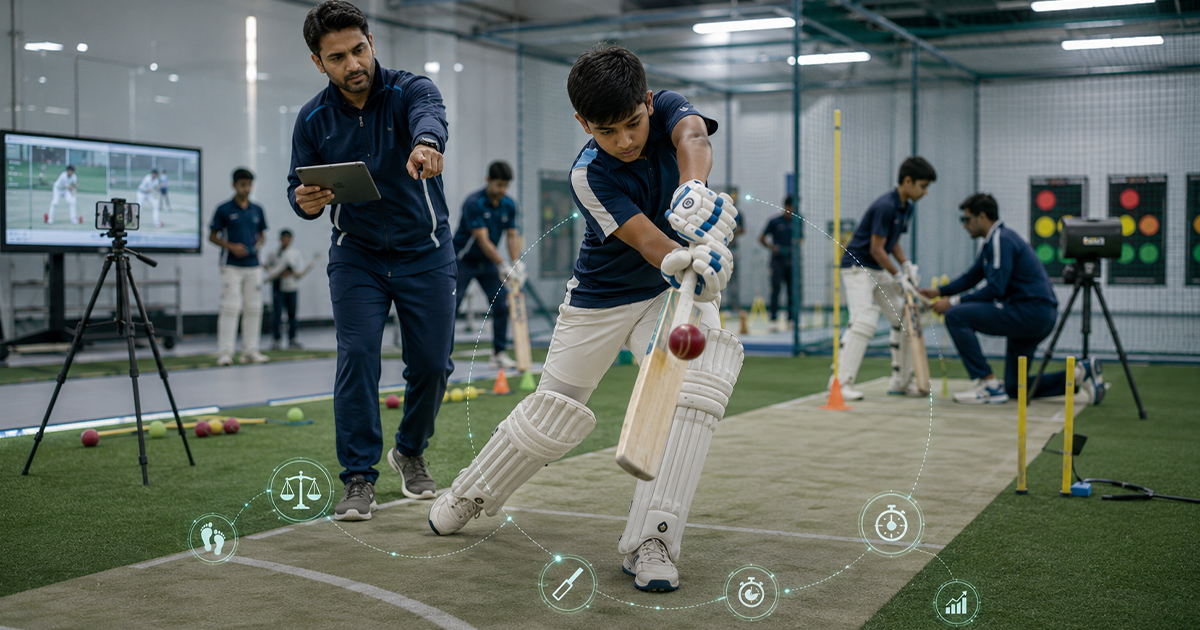
How to Improve Batting Technique in Young Cricketers: A Coach’s Guide
Improving batting technique in young cricketers is a challenge for many coaches and parents aiming to build a strong foundation in the sport. Young players often face struggles such as inconsistent footwork, awkward stance, and trouble with timing—issues that can limit their confidence and performance at crucial stages. This guide offers practical coaching insights and structured approaches focused specifically on batting technique improvement for young cricketers, helping coaches and parents create effective developmental environments.
What Is Batting Technique Improvement for Young Cricketers?
Batting technique improvement involves refining the fundamental skills―stance, grip, footwork, balance, and shot execution―to enhance a young player’s ability to consistently connect with the ball effectively and safely. For young cricketers, this requires age-appropriate coaching methods that focus on coordination, rhythm, and building sound habits.
Improvement at this stage is less about power and results and more about developing controlled movements and good decision-making. Coaches must emphasize repetition, proper mechanics, and gradual progress within structured practice settings.
Key Elements of Effective Batting Technique for Youth Players
Stance and balance: A comfortable, balanced stance is the foundation to prepare for all types of deliveries. Young players should be taught to keep a slight bend in the knees, a stable base, and a relaxed grip.
Footwork: Moving the feet effectively to reach the ball’s line is crucial. This includes front-foot drives, back-foot punches, and quick adjustments toward short or wide balls, all practiced through targeted drills.
Hand-eye coordination: Essential for timing the ball, this skill develops through progressive batting drills and soft toss exercises that enhance concentration and reaction speed.
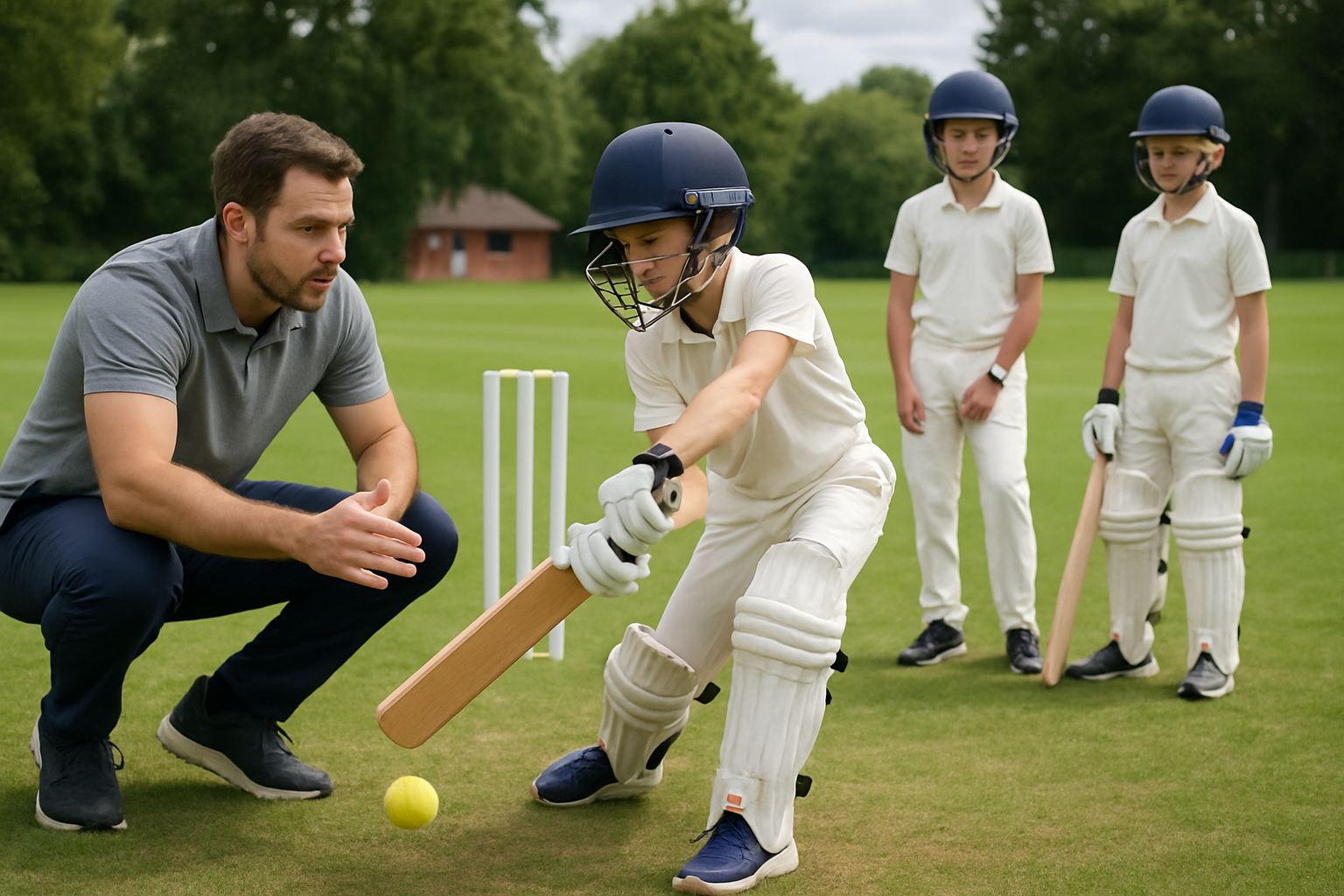
How to Improve Batting Technique in Young Cricketers
Improving batting technique begins with a structured training plan that prioritizes clear, manageable objectives for each session. Coaches should design youth cricket batting practice plans that progressively increase complexity, always starting with fundamentals.
Utilizing youth cricket batting drills such as shadow batting, cone-based footwork exercises, and soft ball throwdowns can help build muscle memory. Reinforcement through positive feedback and video analysis helps young players see their own progress.
Common Batting Mistakes in Young Players
Understanding frequent errors supports more targeted correction. Common batting mistakes include a closed or overly rigid stance, crossover footwork that reduces balance, swinging too hard resulting in missed timing, and inconsistent head position which weakens shot accuracy.
Effective coaching young cricketers involves correcting these mistakes patiently through drills that isolate one skill at a time, fostering confidence and better long-term habits.
Consistent repetition and clear feedback are key to building solid batting technique in young cricketers.
Practical Implementation for Grassroots Clubs
Grassroots clubs play a vital role in creating environments for batting technique improvement. Structured sessions with clear skill objectives, combined with adequate repetitions and feedback loops, form the core of effective coaching.
Clubs should encourage coaches to use simple assessment tools, utilize player development tracking, and adopt sports performance analysis strategies where possible. This approach provides tailored training aligned with each player’s needs and supports engagement from parents invested in their child’s progress.
Coaching Young Cricketers Effectively: Training Framework
A straightforward training framework can be followed to improve batting technique consistently:
- Warm-up and hand-eye coordination drills: Start with exercises focusing on reaction and focus.
- Technique-focused batting drills: Shadow batting, front-foot drives, and back-foot punches with soft balls.
- Situational practice: Simulate match scenarios encouraging shot selection and decision-making.
- Feedback and video review: Use simple video playback or coach observations for correction.
- Tracking progress: Record improvements and tailor sessions as players develop.
This cycle supports skill consolidation through repetition and mental engagement, key for developing confident, technically sound young batters.
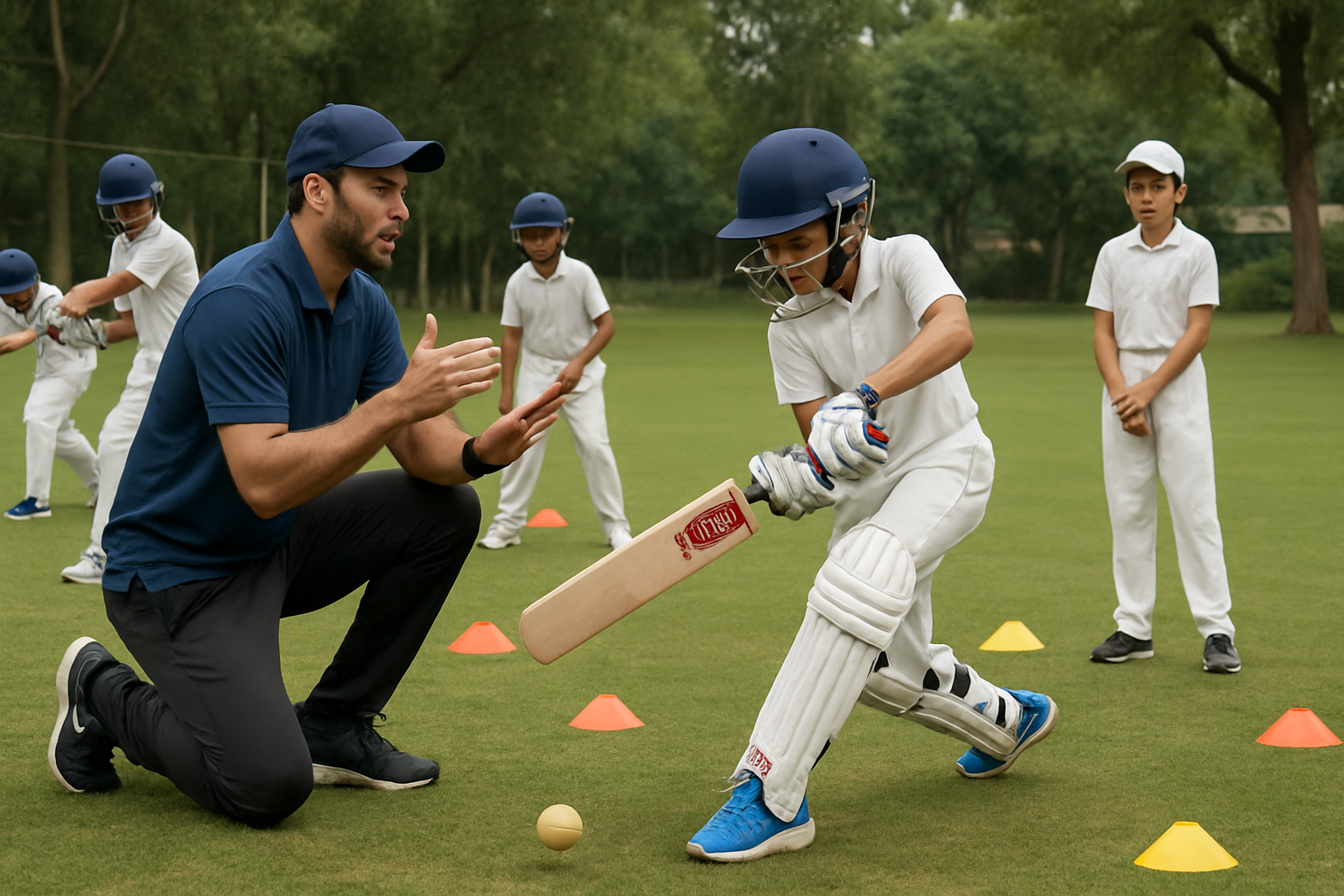
Common Development Mistakes
A significant error among coaches and parents is placing too much pressure on immediate results rather than process-oriented skill growth. Skipping foundational work on stance or footwork to focus on power hitting leads to inconsistent technique and injury risk.
Another common mistake is neglecting mental development — young players must be guided to understand shot selection, patience, and adapting to different bowlers, which are essential parts of batting improvement.
Conclusion
Batting technique improvement for young cricketers is a gradual process requiring patience, consistency, and thoughtful coaching. Coaches and parents must work together to create structured environments where young players develop through repetition, feedback, and incremental challenges. Emphasizing fundamentals like stance, footwork, and hand-eye coordination sets the foundation for long-term success. Avoid common pitfalls such as rushing progression or focusing solely on power, which can hinder development. With a clear plan and commitment to structured training, grassroots clubs can guide players on a pathway toward skillful, confident batting. This approach aligns closely with wider themes in player development tracking and structured training systems that ensure progress is visible and measurable over time.
What is the best way to improve batting technique in young cricketers?
Focus on fundamentals such as stance, footwork, and hand-eye coordination using progressive drills and consistent practice.
How does improving hand-eye coordination help young cricketers?
Better hand-eye coordination improves timing and shot accuracy, critical for effective batting at all levels.
How can coaches design effective youth cricket batting practice plans?
Use a structured approach with warm-up drills, technique-focused exercises, situational practice, and regular feedback.
Why are some young players not improving their batting skills despite practice?
Often due to poor technique foundation, inconsistent practice, or lack of targeted feedback and mental focus.
How to train batting stance effectively for kids?
Teach a balanced, comfortable stance with slight knee bend and relaxed grip, using drills that emphasize stability.
Why do young cricketers struggle with footwork in batting?
Footwork challenges often come from weak coordination and rushing, which can be improved with specific footwork drills.
What is the best age to start structured batting training?
Around age 7–8, when children can follow simple instructions and develop basic coordination, structured training is effective.


Related Articles
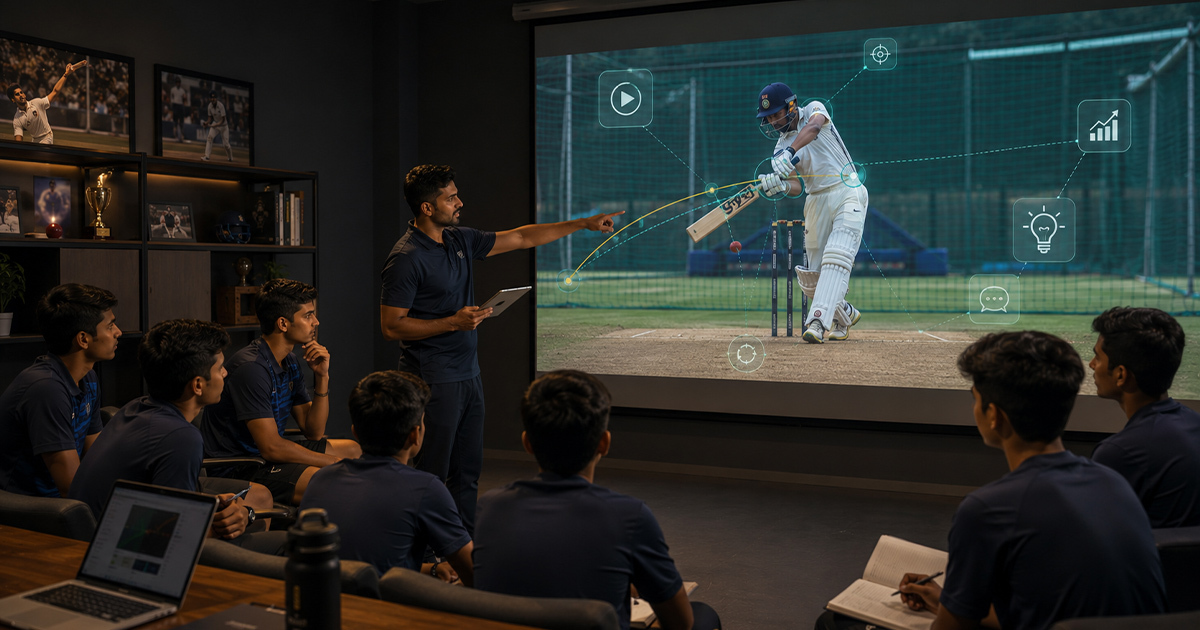 Read More about AI Cricket Coaching for Grassroots Academies: What You Need to Know
AI Cricket Coaching for Grassroots Academies: What You Need to Know
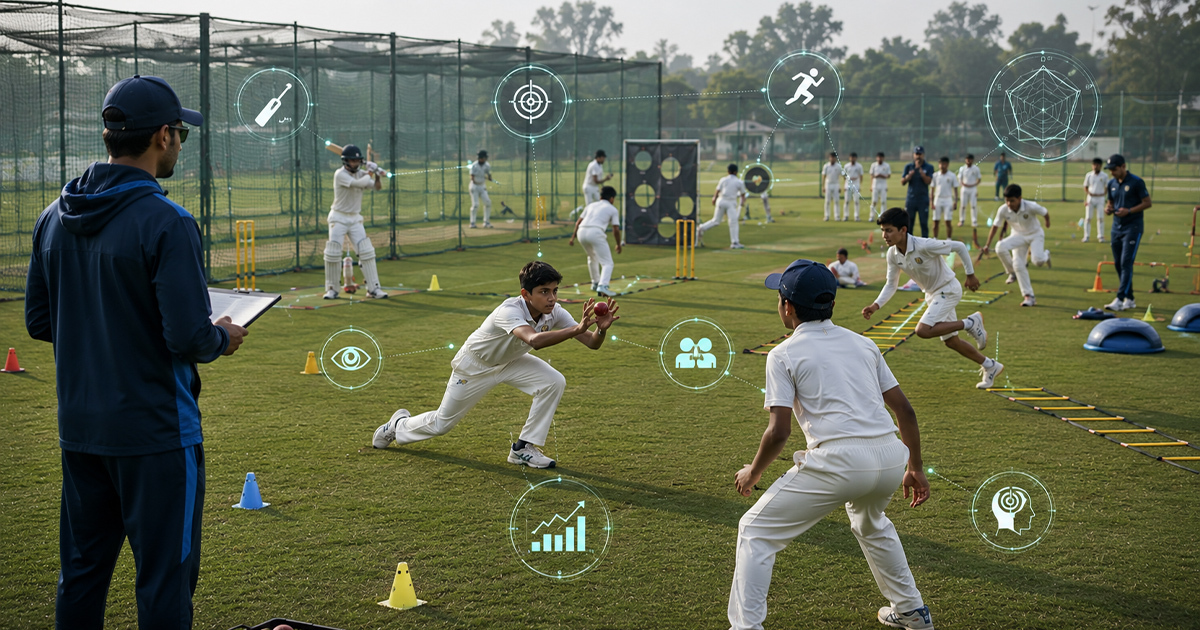 Read More about Tracking Skills and Fitness in Young Cricket Players: Key Areas for Coaches
Tracking Skills and Fitness in Young Cricket Players: Key Areas for Coaches
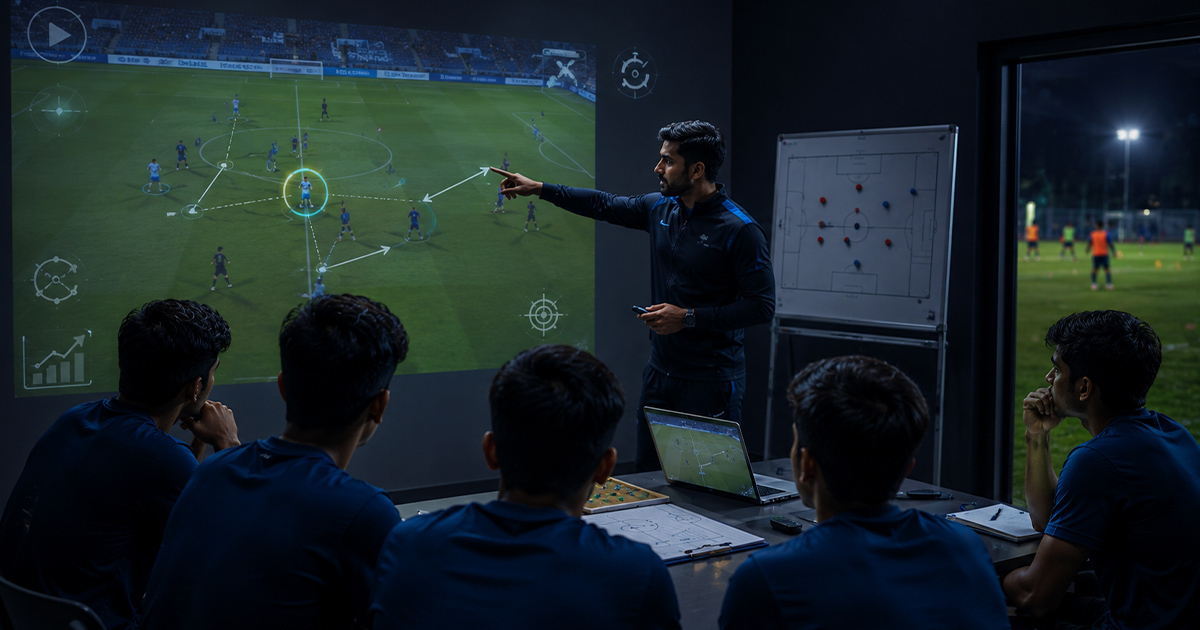 Read More about How Football Coaches Can Use Video Analysis to Improve Player Performance
How Football Coaches Can Use Video Analysis to Improve Player Performance
Latest Articles
 Read More about How Sports Academies Can Reduce Admin Work for Coaches
How Sports Academies Can Reduce Admin Work for Coaches
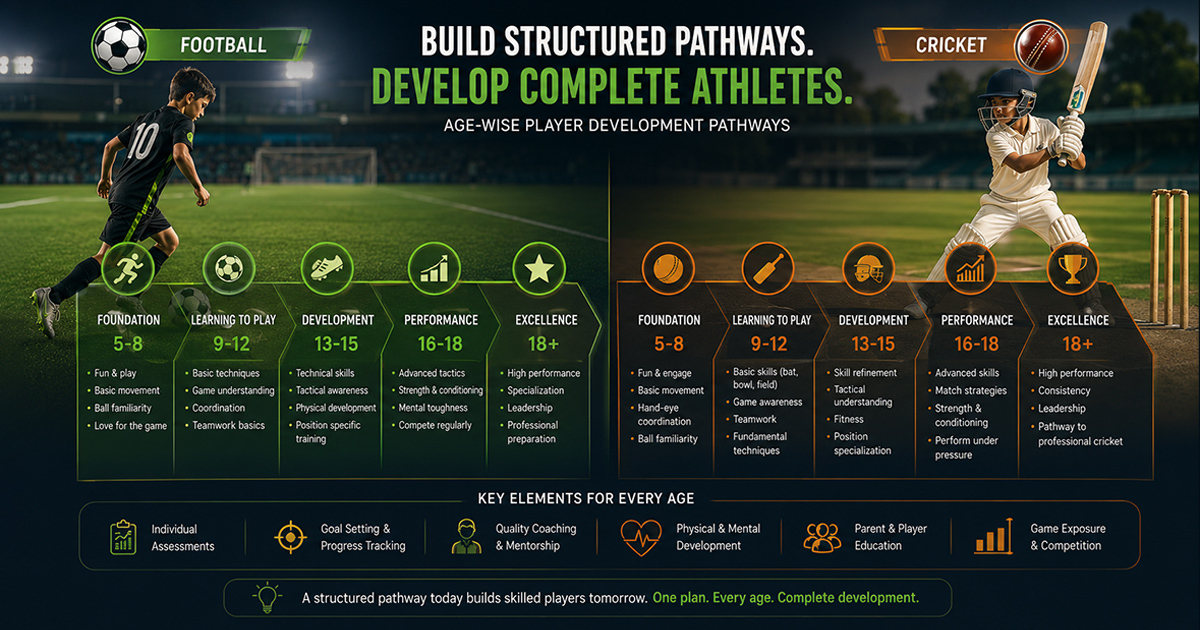 Read More about How to Build Age-Wise Player Development Pathways in Football and Cricket
How to Build Age-Wise Player Development Pathways in Football and Cricket
 Read More about Tournament Management Software for Football and Cricket Organizers: A Practical Guide
Tournament Management Software for Football and Cricket Organizers: A Practical Guide
Ready to Bring Structure to Your Academy?
Let’s walk through your current setup and show you how 8lete can improve it.


