



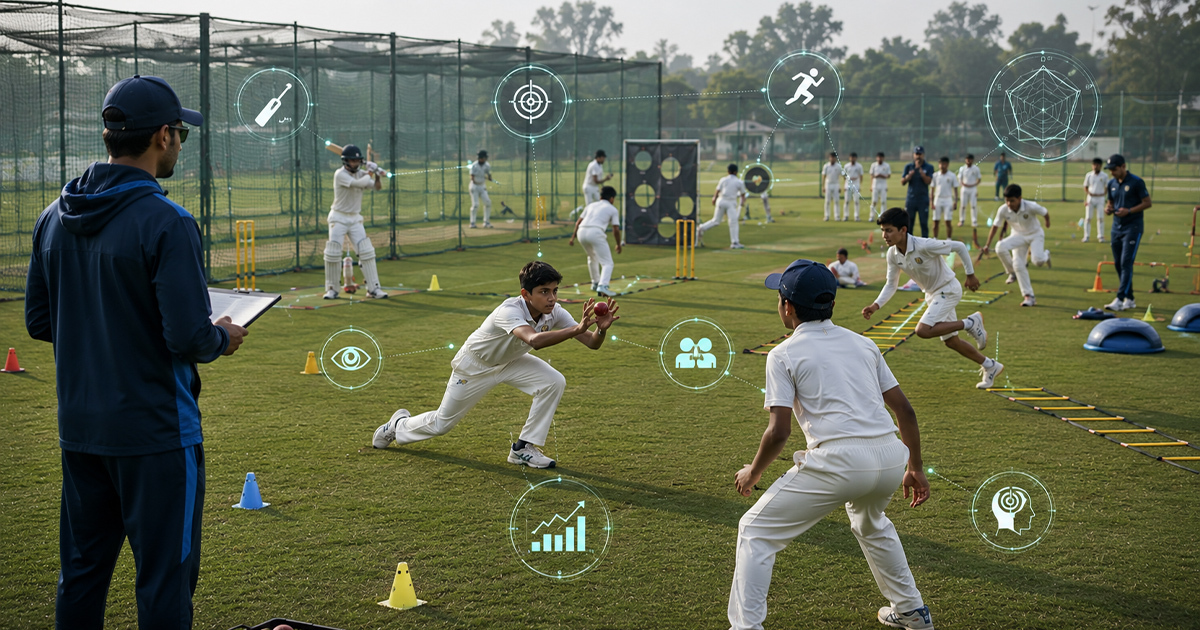
Tracking Skills and Fitness in Young Cricket Players: Key Areas for Coaches
Tracking skills and fitness in young cricket players is essential for coaches aiming to support consistent and structured player development. Coaches and parents often face challenges in identifying exactly which areas need monitoring to help young cricketers progress holistically, beyond just individual match performances. This article breaks down key aspects of skill acquisition, physical conditioning, and match awareness to create a clear, manageable framework for effective youth coaching.
What Is Tracking Skills and Fitness in Young Cricket Players?
Tracking skills and fitness involves regularly observing, measuring, and recording a player’s cricket abilities, physical condition, and game intelligence to guide development over time. It helps coaches understand where a player excels, where improvement is needed, and how training interventions impact progress while promoting long-term growth.
This method focuses not just on isolated results but on the continuous progression of foundational skills, physical conditioning, and cognitive awareness on the field. It supports a structured approach tailored for youth players balancing technical, physical, and mental growth.
Key Cricket Skills Development for Youth to Monitor
Coaches should prioritize tracking technical and tactical skills suited for different age groups and roles. Important skills include:
- Batting technique: grip, stance, footwork, shot selection
- Bowling skills: run-up, delivery consistency, accuracy, variations
- Fielding fundamentals: catching technique, throwing accuracy, ground fielding agility
- Game awareness: understanding match situations, reading the pitch, anticipating opponent moves
Tracking these regularly through drills, small-sided games, and match observations allows coaches to identify areas of strength and technical gaps requiring focused repetition.
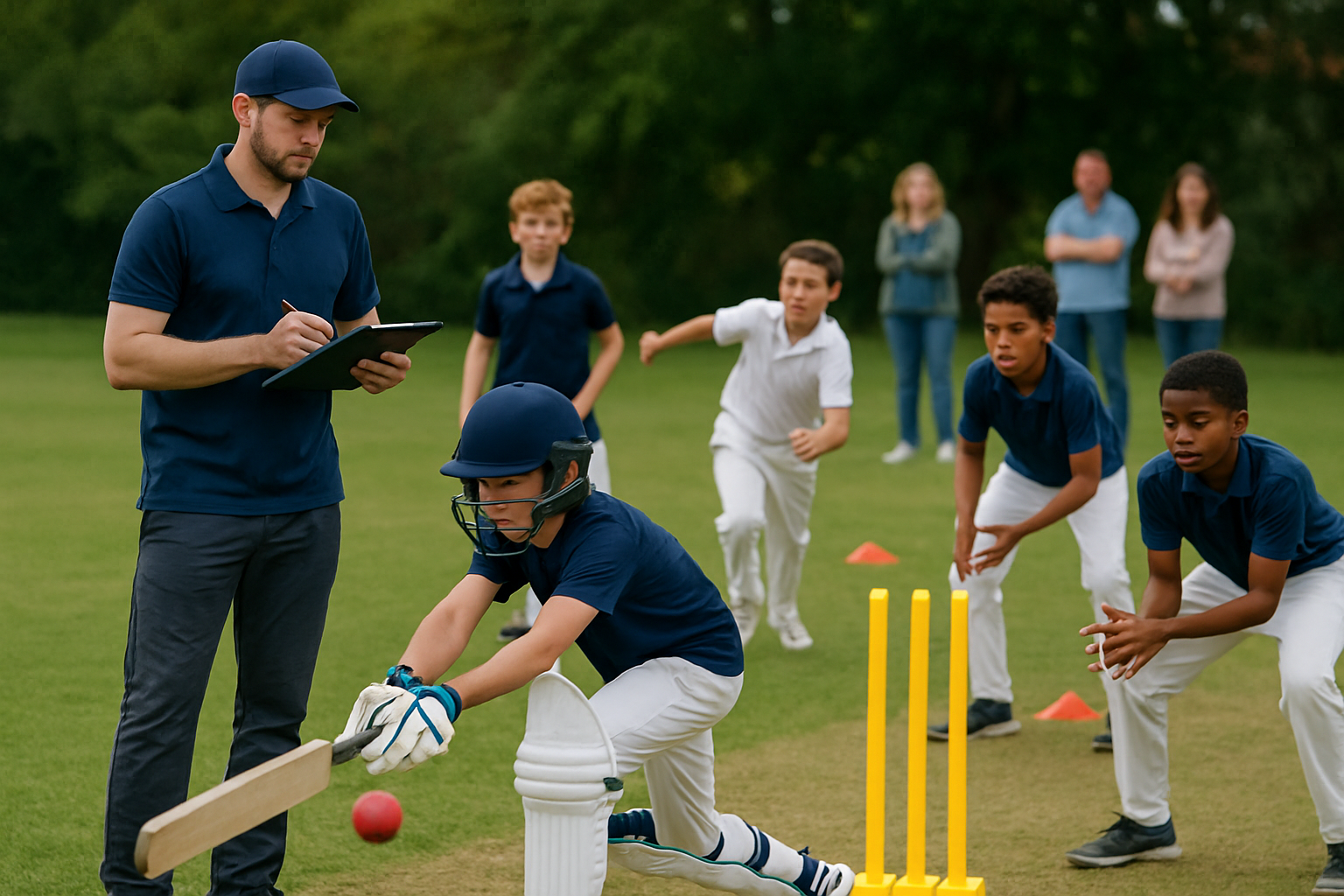
Fitness Assessment in Young Athletes: What to Check
Physical conditioning is fundamental for young cricketers to sustain performance and reduce injury risk. Coaches should track:
- Endurance: ability to maintain effort across training and matches
- Speed and agility: quickness in movement and direction changes
- Strength and power: foundational muscle strength aiding bowling and throwing
- Flexibility: range of motion supporting technique and injury prevention
Simple fitness assessments integrated periodically help create individualized conditioning plans that align physical development with cricket demands.
Why Players Struggle Without Match Awareness
Many young players face difficulty in translating skills from training into effective decision-making during matches. Match awareness—understanding game context, pressure, and opponent tactics—is a critical cognitive skill that often gets overlooked.
Coaches must track this by observing players’ positions, shot choices, and responsiveness in dynamic situations. This insight should inform targeted coaching interventions like scenario-based drills that improve anticipation and game intelligence.
Consistent tracking helps tailor coaching interventions to each young player's unique development needs.
Practical Implementation for Grassroots Clubs
Grassroots clubs can embed tracking into regular sessions by setting up structured evaluations combining skill observations, simple fitness tests, and match video analysis where possible. Using accessible tools like checklists, player diaries, or digital apps helps coaches maintain consistent records.
Involving parents with clear progress reports offers transparency and encourages shared responsibility in supporting the player’s development journey. This approach aligns well with the broader grassroots cricket clubs ecosystem focused on sustainable growth and player development tracking.
Common Development Mistakes
A frequent error is overemphasizing match outcomes or short-term performance over skill mastery and physical development. Coaches might rush players to compete without ensuring foundational conditioning or neglect match awareness training.
Another pitfall is inconsistent tracking or relying solely on subjective observations. Structured performance monitoring for cricket coaches avoids these issues by promoting objective measurement and timely feedback that supports steady progression.
Framework for Tracking Development in Young Cricketers
A simple, effective framework for coaches includes four steps:
- Training Observation: Monitor skill execution and physical readiness during sessions.
- Feedback Delivery: Provide clear, specific guidance to refine technique and fitness habits.
- Progress Tracking: Record improvements and challenges over time using simple data logs.
- Exposure to Matches: Evaluate how skills and fitness apply under game conditions and adjust training accordingly.
This cycle ensures alignment between practice and performance, encouraging disciplined, long-term growth.
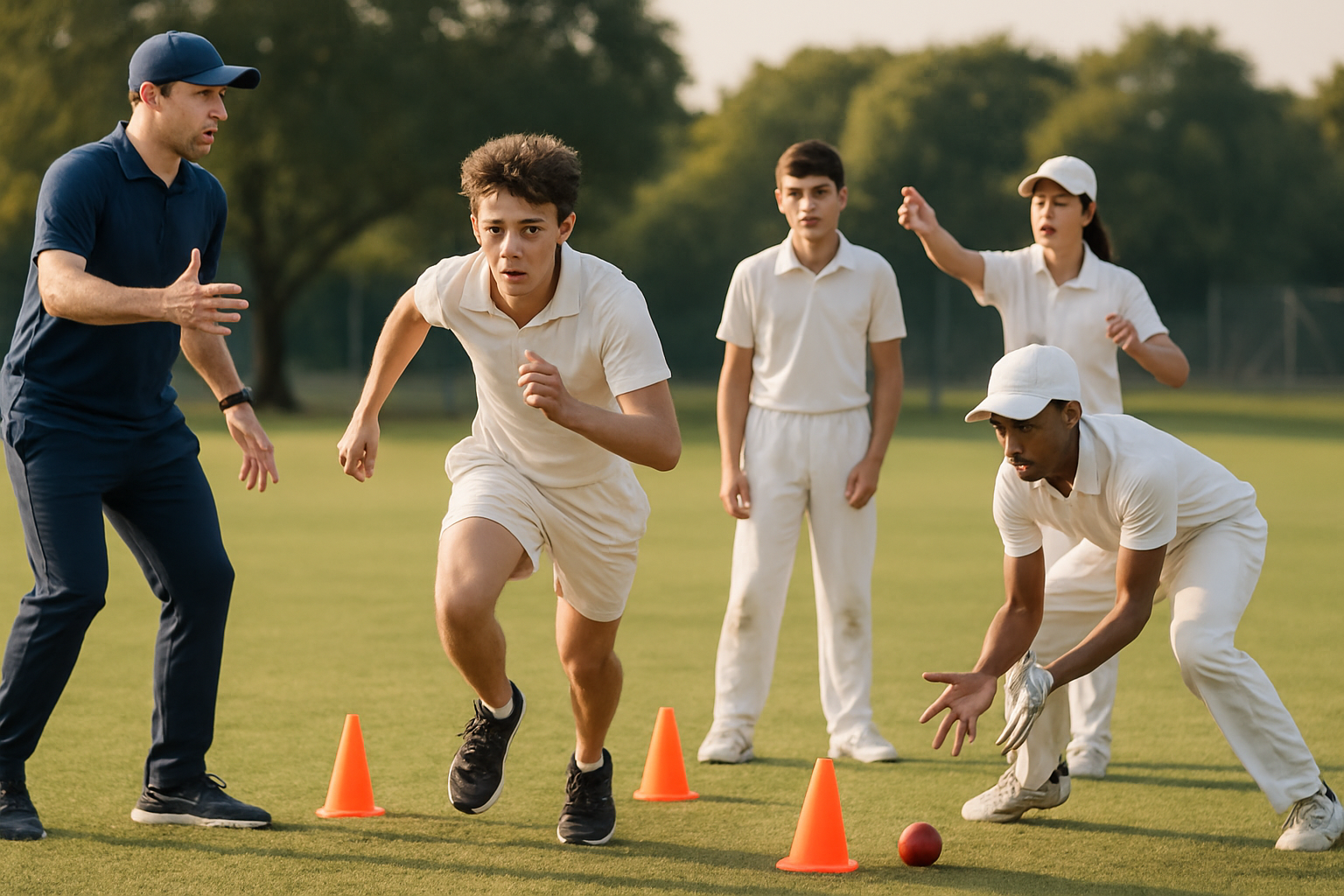
Coaching Young Cricketers Effectively: Tips for Parents and Coaches
For coaches and parents, promoting patience and consistency is key. Reinforce that skill development and fitness gains happen incrementally and require regular repetition in a structured, supportive environment.
Encourage players to reflect on match experiences and fitness challenges to build self-awareness. This mental growth supports better match awareness and resilience, helping them translate training progress into effective performances.
Conclusion
In summary, tracking skills and fitness in young cricket players is a foundational element for coaches aiming to cultivate well-rounded, capable athletes. By focusing on technical skills, physical conditioning, and crucial match awareness, coaches and parents create a balanced development path that values steady progress over quick results. Implementing a structured framework of observation, feedback, progress monitoring, and practical match exposure builds discipline and understanding in players, ensuring their growth is sustainable and meaningful. Integrating these elements within grassroots environments strengthens the broader development ecosystem and helps young players reach their potential methodically. These principles will support coaches and parents dedicated to effective youth cricket coaching and long-term success.
What is tracking skills and fitness in young cricket players?
It is the regular observation and measurement of a player's cricket skills and physical condition to guide their continuous development.
How to improve cricket skills development for youth?
Focus on consistent practice of batting, bowling, and fielding fundamentals combined with game situation drills to develop decision-making.
Why am I not improving my cricket performance during matches?
You might be struggling with match awareness or fitness levels that need focused training alongside skill practice.
How to train fitness effectively for young cricket players?
Incorporate endurance, agility, strength, and flexibility exercises regularly, tailored to youth capabilities and cricket demands.
How do coaches evaluate cricket player progress?
Coaches use objective tracking tools including skill assessments, fitness tests, and match performance observations over time.
Why do players struggle with match awareness in youth cricket?
Match awareness develops from experience, game understanding, and targeted cognitive drills focused on decision-making under pressure.
What is the best age to start structured cricket coaching?
Structured coaching often begins around age 8, balancing fun with skill development appropriate to the child's growth stage.


Related Articles
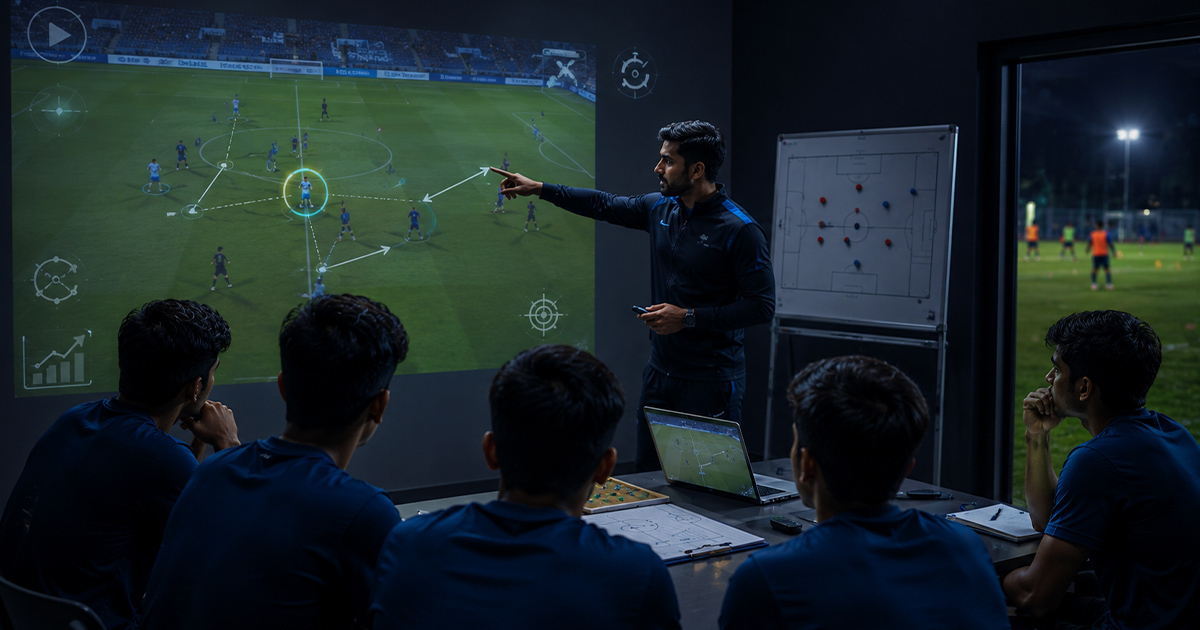 Read More about How Football Coaches Can Use Video Analysis to Improve Player Performance
How Football Coaches Can Use Video Analysis to Improve Player Performance
 Read More about How to Use Video Analysis in Grassroots Football Training: A Practical Guide for Coaches and Academies
How to Use Video Analysis in Grassroots Football Training: A Practical Guide for Coaches and Academies
 Read More about Building Football Team Culture: How Coaches Can Create a Positive Environment Players Truly Value
Building Football Team Culture: How Coaches Can Create a Positive Environment Players Truly Value
Latest Articles
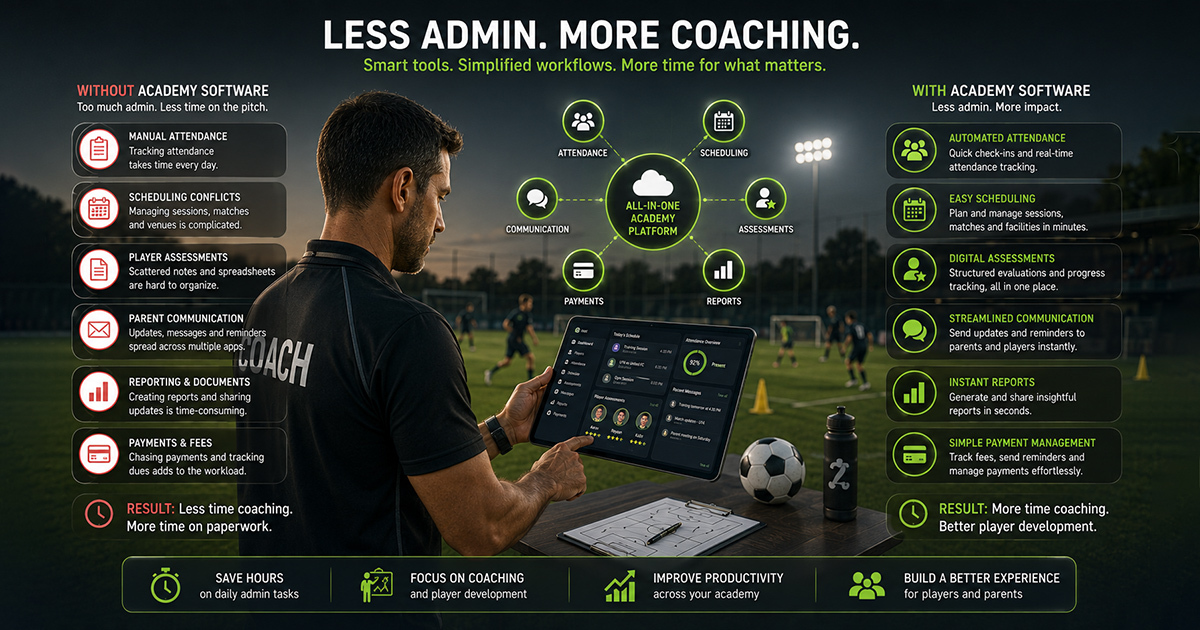 Read More about How Sports Academies Can Reduce Admin Work for Coaches
How Sports Academies Can Reduce Admin Work for Coaches
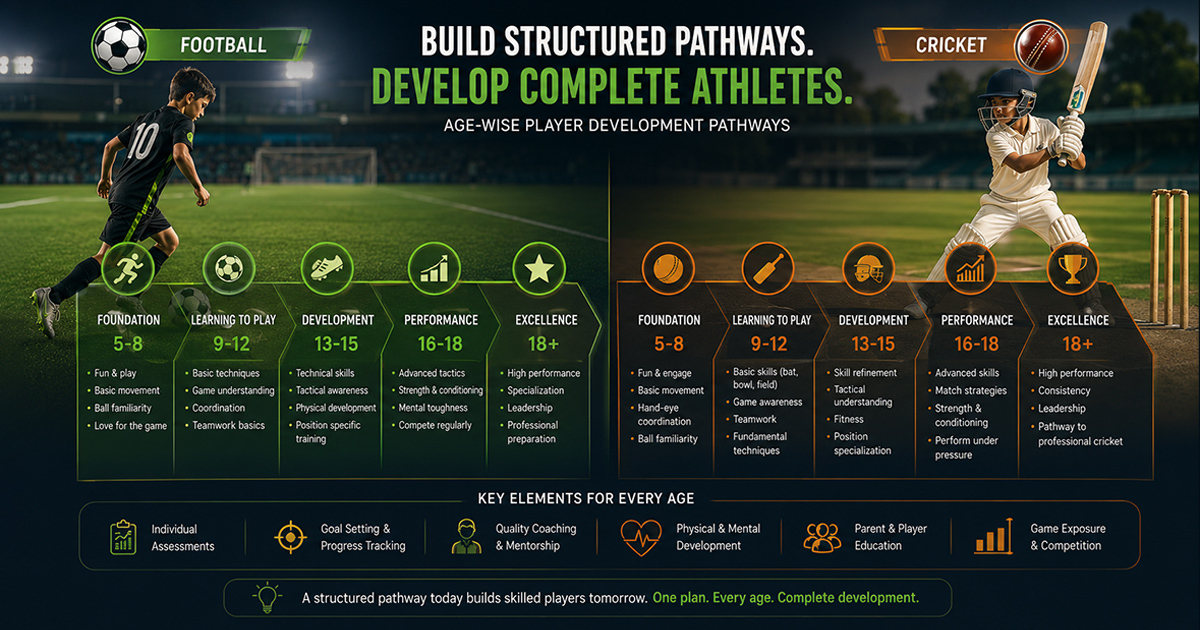 Read More about How to Build Age-Wise Player Development Pathways in Football and Cricket
How to Build Age-Wise Player Development Pathways in Football and Cricket
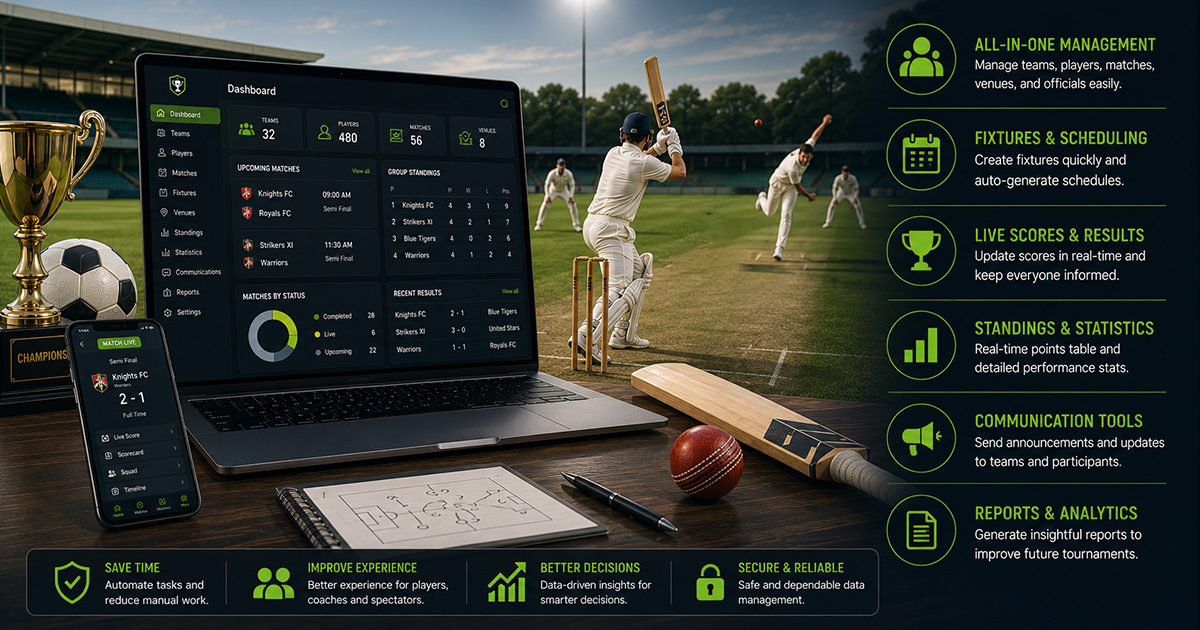 Read More about Tournament Management Software for Football and Cricket Organizers: A Practical Guide
Tournament Management Software for Football and Cricket Organizers: A Practical Guide
Ready to Bring Structure to Your Academy?
Let’s walk through your current setup and show you how 8lete can improve it.


