




Football Trials Preparation for Youth Players: What Young Players Must Understand
Young football players and their parents often face uncertainty around the distinction between football trials and regular training sessions, especially when preparing for club selections or academy opportunities. Understanding this difference is crucial because the approach and expectations in trials differ significantly from everyday training—yet both are essential for long-term growth. This article explores what football trials preparation for youth players involves, the key contrasts with regular training, and practical steps to help players develop consistently while performing their best at trials.
What is Football Trials Preparation for Youth Players?
Football trials preparation refers to the focused process a player undertakes before participating in evaluation sessions designed to assess potential for selection by clubs or academies.
Trials differ from regular training in their intensity, focus on performance under pressure, and the specific qualities scouts prioritize. Preparation includes both physical and mental readiness to perform consistently when being observed, alongside skills showcase.
Differences Between Football Trials and Regular Training
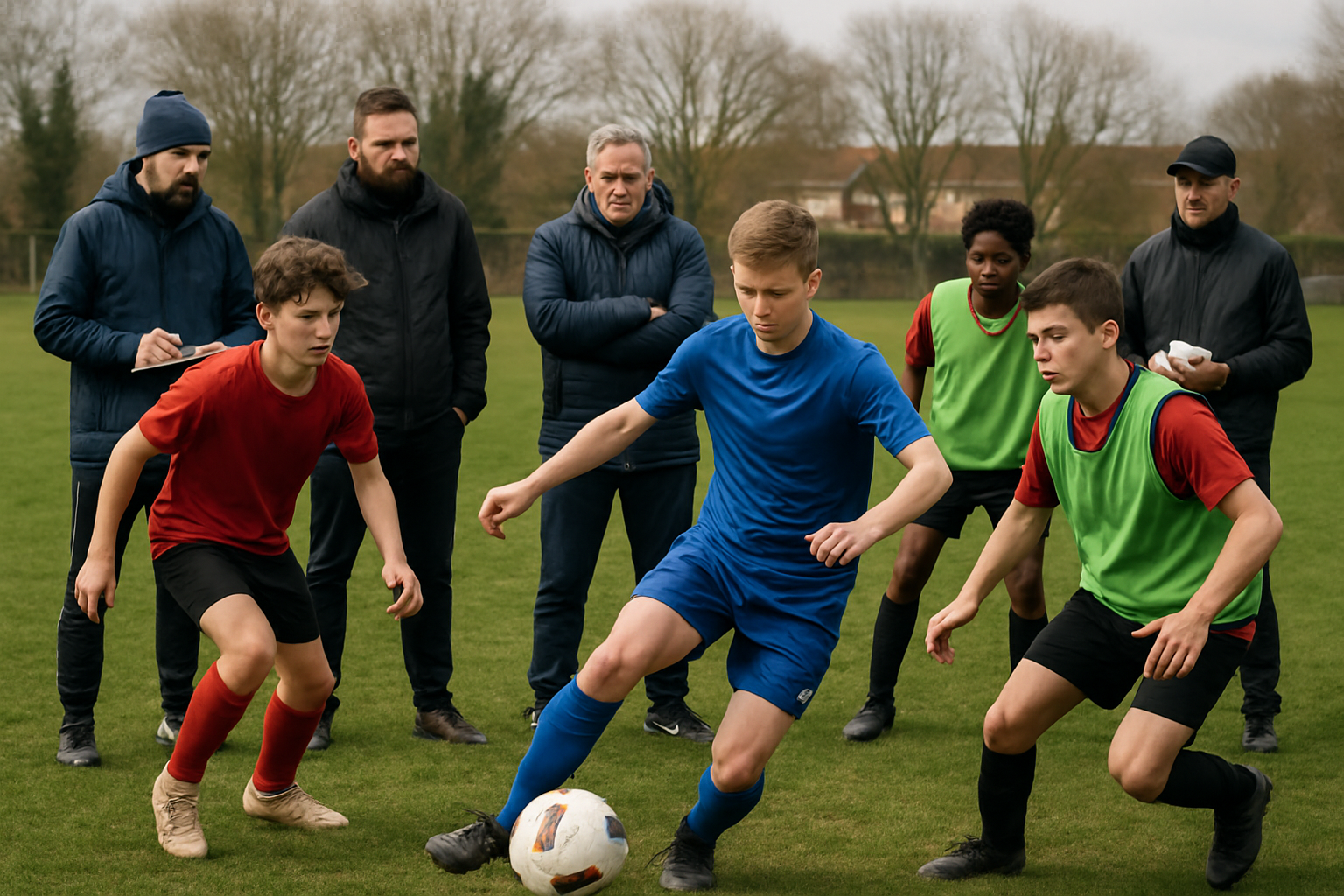
Regular training is about developing technical skills, tactical understanding, fitness, and decision-making over time in a supportive environment. It values repetition, learning from mistakes, and steady improvement without the immediate pressure of selection. Trials, in contrast, are short, high-stakes situations where performance is measured instantly, and evaluation is often comparative among many players.
Understanding these differences can help players and parents avoid common misconceptions such as relying solely on last-minute training or misunderstanding the limited time scouts have to assess each candidate.
How to Prepare Mentally for Football Trials
Mental preparation is as essential as technical readiness. Players can face anxiety, fear of failure, and distractions due to the trial’s competitive nature. Learning to cope with pressure, maintaining focus, and approaching trials with confidence built on consistent training routines help mitigate these challenges.
Techniques such as visualization of game scenarios, controlled breathing, and goal-setting during preparation weeks enhance mental resilience. Parents and coaches play a critical role by fostering a supportive environment that focuses on development rather than solely results.
Common Mistakes in Football Trials and How to Avoid Them
One frequent mistake is expecting a trial to be the only chance to showcase skills, leading to overtraining or burnout right before the trial. Others include neglecting basic fundamentals, underestimating teamwork, and failing to listen to instructions during trials.
The solution is balancing trial preparation with regular training sessions to maintain overall development, avoiding the trap of short-term spikes in performance. Staying true to one’s strengths, focusing on decision-making under pressure, and demonstrating coachability are more valuable than flashy but inconsistent plays.
Consistent training and mental focus are the best preparation tools for trial success.
Practical Implementation for Grassroots Clubs
Grassroots clubs and academies should build structured workflows that include clear phases: regular training emphasizing skill development and mental growth, combined with trial-specific preparation sessions. Creating a transparent environment where players track progress regularly helps signal readiness for trials.
Using player development tracking tools and periodic performance feedback supports players and coaches in identifying areas needing improvement ahead of trials. Educating parents about the different demands of trials can also align expectations and reduce undue pressure on young players.
Balancing Training and Trial Preparation for Consistent Improvement
The best football trials preparation for youth players blends with ongoing regular training rather than replacing it. Consistency in training builds the technical foundation scouts expect to see, while trial preparation hones performance mindset and situational awareness.
A practical framework to follow is: Training → Feedback → Trial Simulation → Mental Readiness → Evaluation → Progression. This cycle supports sustained development while preparing players for key selection moments.
Improving Performance Through Consistent Training
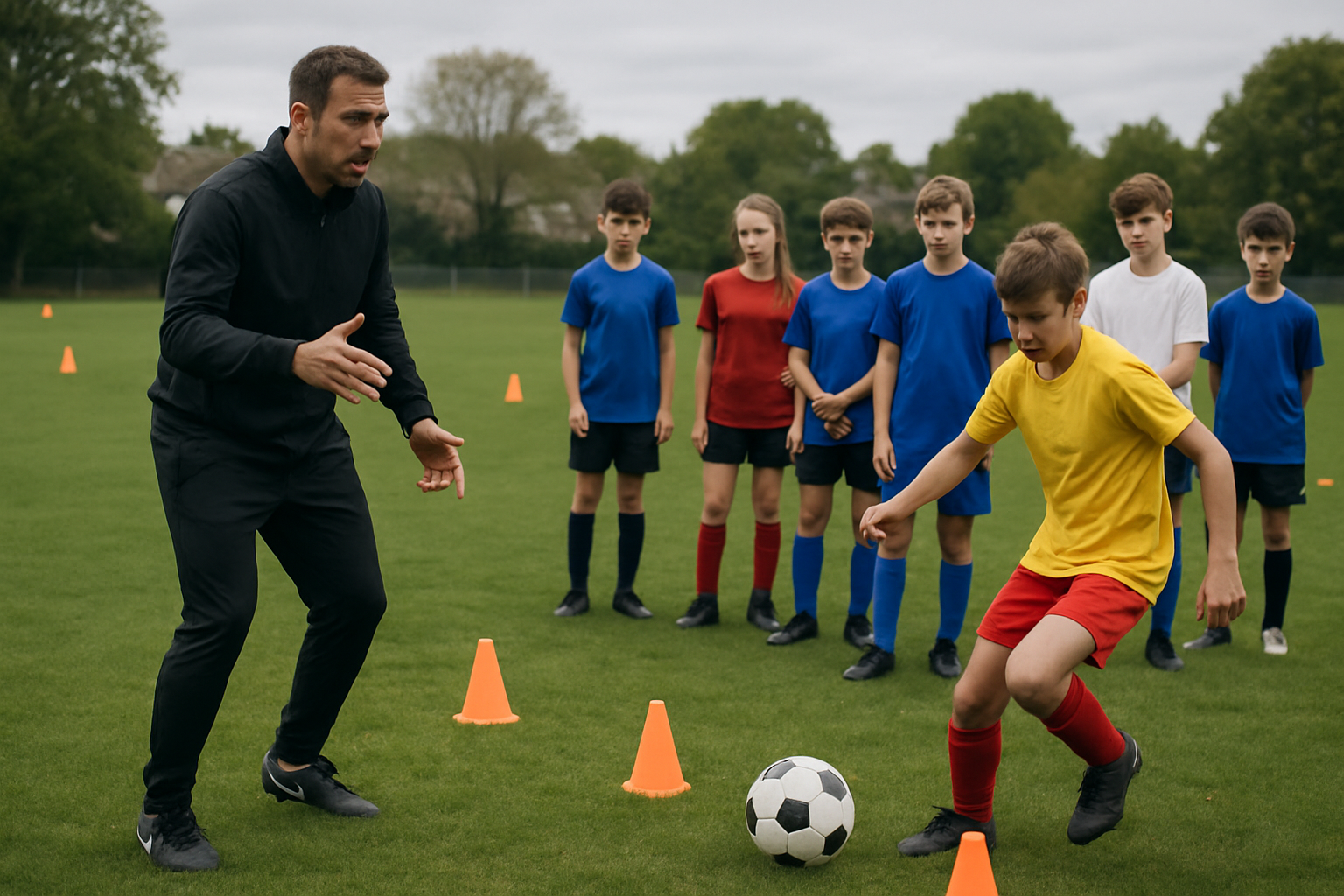
Regular, structured training builds muscle memory, fitness, and tactical understanding that trials demand but don’t allow time to teach. Players who maintain discipline in their training routines tend to adapt better during trials and show greater versatility—qualities scouts actively seek.
Coaches should design training plans that address individual player needs while encouraging situational decision-making. Incorporating small-sided games and drills that replicate trial intensity improves readiness for trial environments.
Conclusion
In the context of football trials preparation for youth players, understanding the differences between trials and regular training is essential for realistic expectations and effective development strategies. While trials are pivotal moments to demonstrate readiness, they should be seen as part of a broader, consistent growth process anchored in disciplined training, mental preparation, and structured feedback. Players, coaches, and parents benefit when focus shifts from short-term trial outcomes to long-term skill refinement and decision-making under pressure. Grassroots clubs that integrate player development tracking, trial simulation exercises, and supportive environments create better pathways for young players to succeed. Ultimately, balancing training and trial-specific preparation builds resilience, confidence, and the technical quality scouts look for, promoting sustained progress in football development.
What is the purpose of football trials for youth players?
Football trials give young players a chance to be evaluated by scouts or coaches for selection into clubs or academies based on their current abilities and potential.
How does football trials preparation differ from regular training?
Trials preparation focuses on peak performance under pressure and mental readiness, while regular training emphasizes skill development, learning, and consistent improvement over time.
How can young players improve their performance at football trials?
Players should maintain consistent training, practice trial-like scenarios, focus on decision-making, and prepare mentally through visualization and controlled breathing techniques.
Why am I not improving despite regular practice?
Improvement requires structured feedback and balancing skill practice with mental and physical rest; inconsistency or lack of targeted training can slow progress.
What are common mistakes players make during football trials?
Common mistakes include overtraining right before trials, neglecting basic skills, poor teamwork, and failing to listen to instructions during sessions.
How long does it usually take to prepare effectively for football trials?
Effective preparation starts weeks in advance with consistent training, mental conditioning, and simulated trial environments to build confidence and readiness.
What skills do scouts look for in football trials?
Scouts typically evaluate technical ability, decision-making under pressure, physical fitness, teamwork, and coachability during trials.
Related Articles
 Read More about How Cricket Academies Can Track Player Progress Beyond Runs and Wickets
How Cricket Academies Can Track Player Progress Beyond Runs and Wickets
 Read More about How to Improve Decision-Making in Youth Football: Practical Steps for Players and Parents
How to Improve Decision-Making in Youth Football: Practical Steps for Players and Parents
 Read More about How Football Academies Can Build Better Player Development Reports
How Football Academies Can Build Better Player Development Reports
Latest Articles
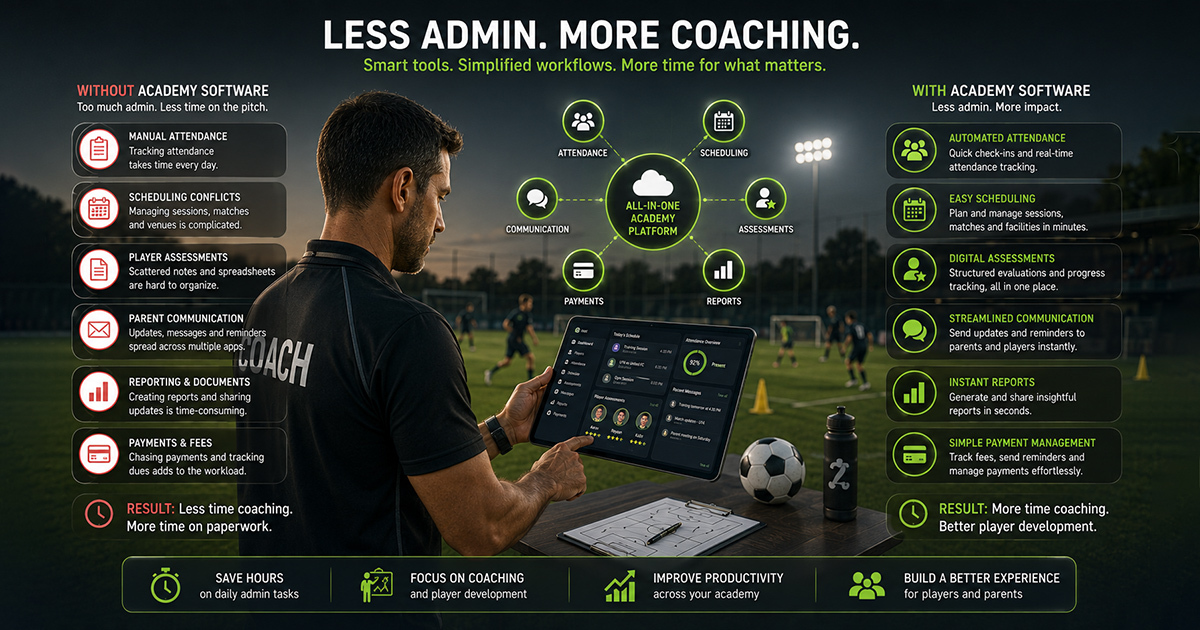 Read More about How Sports Academies Can Reduce Admin Work for Coaches
How Sports Academies Can Reduce Admin Work for Coaches
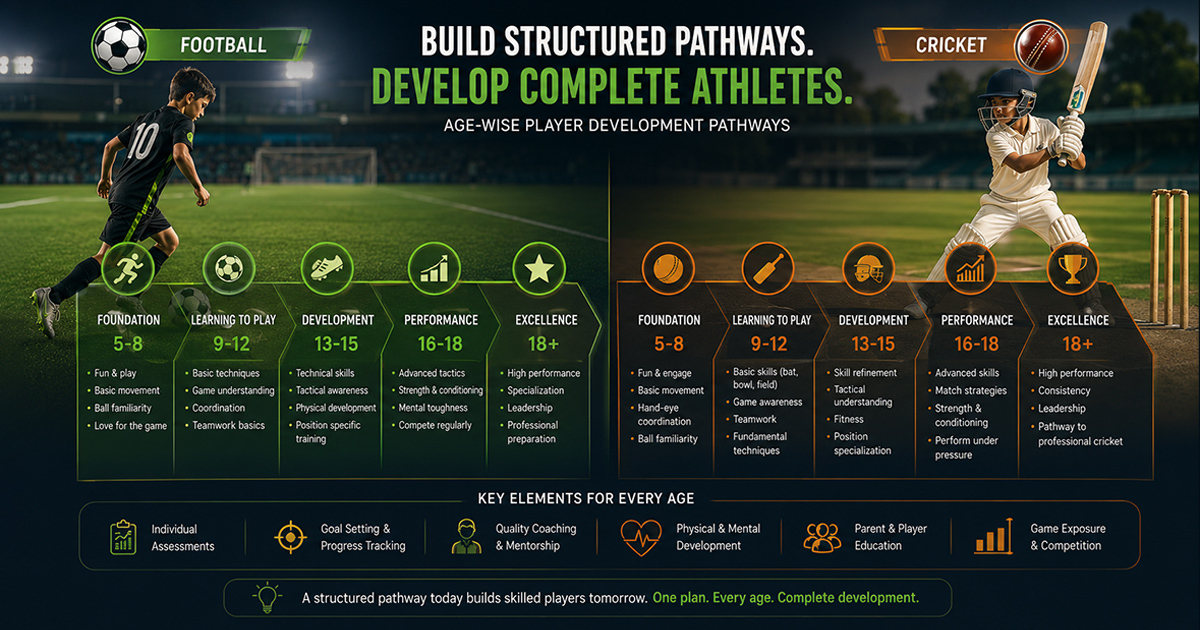 Read More about How to Build Age-Wise Player Development Pathways in Football and Cricket
How to Build Age-Wise Player Development Pathways in Football and Cricket
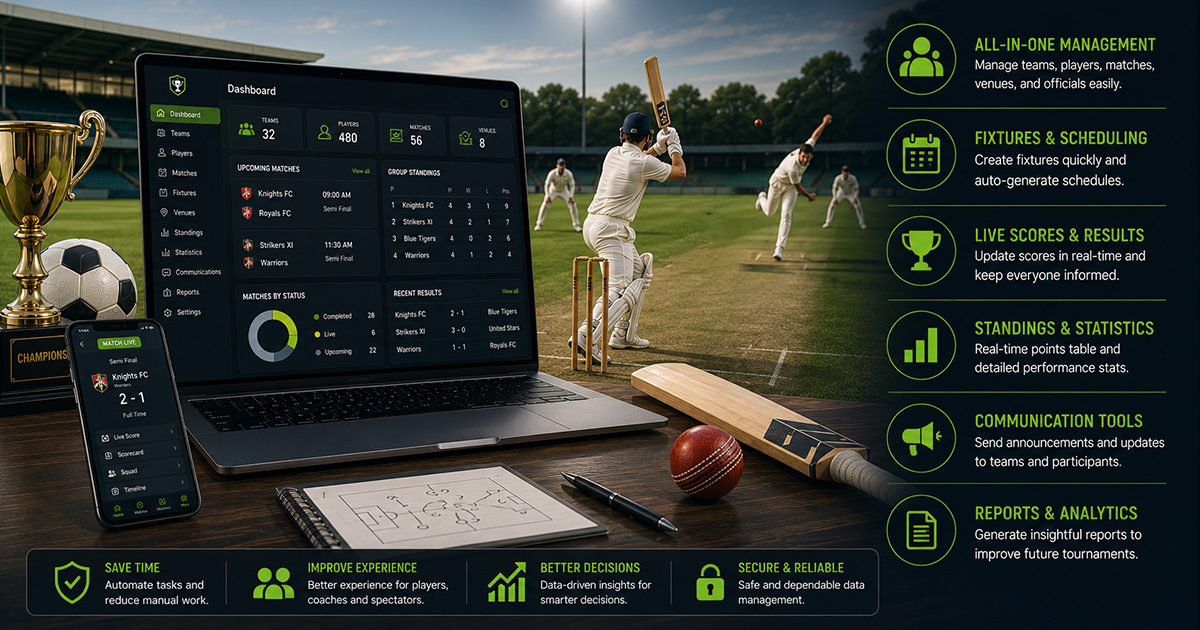 Read More about Tournament Management Software for Football and Cricket Organizers: A Practical Guide
Tournament Management Software for Football and Cricket Organizers: A Practical Guide
Ready to Bring Structure to Your Academy?
Let’s walk through your current setup and show you how 8lete can improve it.


