




How Football Academies Can Build Better Player Development Reports
In grassroots football, detailed and clear football player development reports are essential to accurately track a player's progress and inform future training decisions. Coaches, academies, parents, and players often struggle with inconsistent or vague reporting, which can hinder long-term growth. This article explores how football academies can build better development reports that offer clear insights, encourage structured learning, and create pathways for sustained player improvement.
What Are Football Player Development Reports?
Football player development reports are structured documents that summarize a player's technical, physical, tactical, and psychological progress over time. These reports gather data from training sessions, matches, and fitness assessments to guide coaching interventions and player feedback.
They enable football academies to track consistent improvement, spotlight areas needing attention, and provide parents and players with transparent communication about development pathways.
Key Elements of Effective Development Reports
An effective report combines objective player performance tracking with practical coaching insights. It should contain quantitative data such as fitness test results and match statistics, alongside qualitative evaluations like tactical understanding and attitude.
Integrating football coaching feedback tools allows coaches to provide evidence-based guidance, supporting player self-awareness and focused skill work. This dual approach ensures reports are balanced and actionable.
Why Players Struggle Without Clear Development Reporting
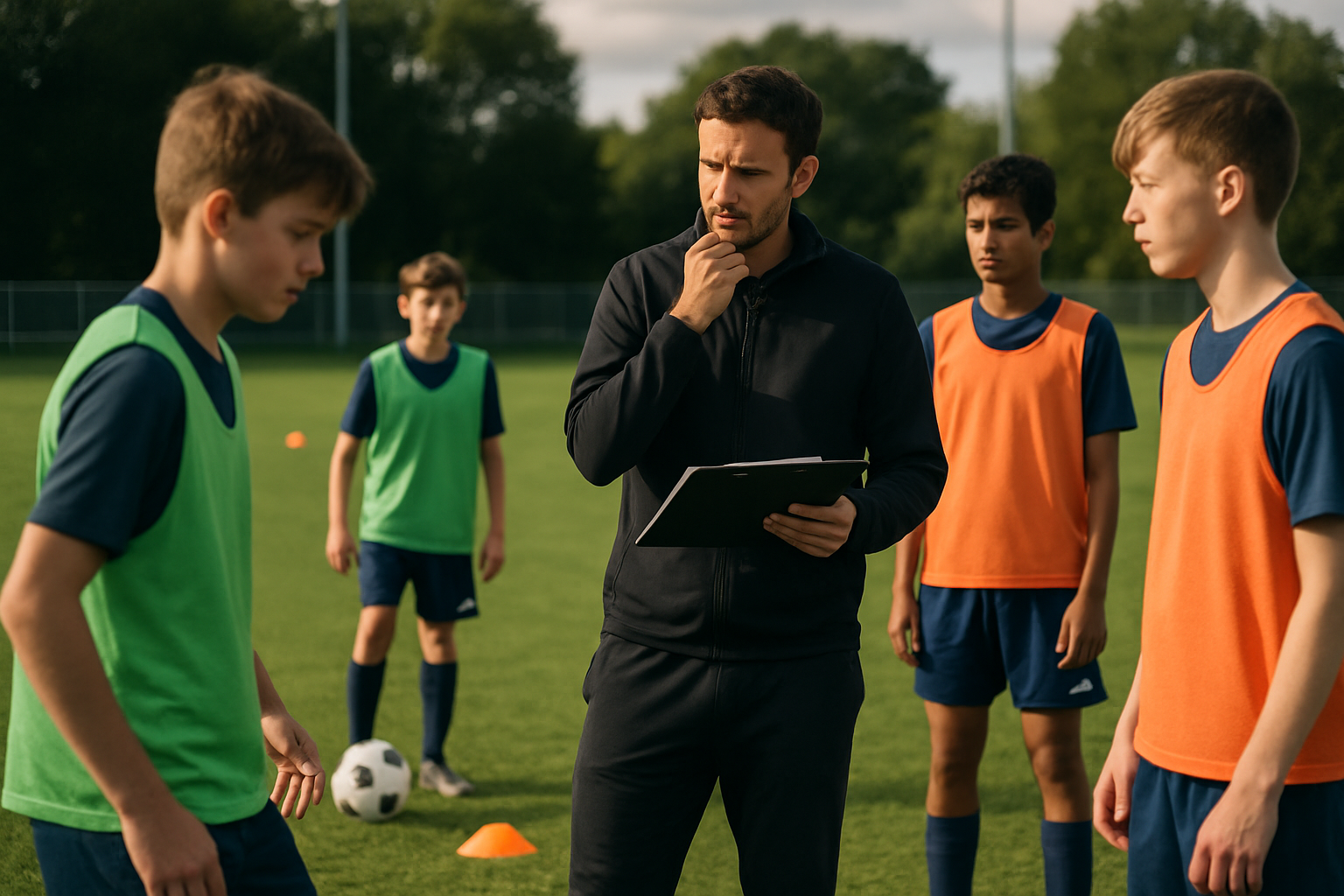
Without consistent and clear documentation, players can feel uncertain about where to improve or how their efforts align with long-term goals. This lack of clarity often leads to frustration or stagnation, especially in youth environments where motivation and guidance vary.
Clear reports bridge this gap by offering a roadmap for development, making expectations transparent and supporting mental growth through structured feedback.
Practical Implementation for Grassroots Clubs
Start with a regular reporting schedule, such as monthly or quarterly reviews, that aligns with academy training cycles. Use simple, standardized templates that capture key metrics: technical skills, physical conditioning, tactical awareness, and psychological factors like decision-making and discipline.
Combine quantitative data with coach observations and player self-assessments. Encourage open dialogue between coaches, parents, and players during review meetings to support shared understanding and motivation.
Clear, consistent feedback in reports directs players toward focused growth and sustained improvement.
Common Development Mistakes
Overemphasizing short-term results or match statistics can skew reports, neglecting the bigger picture of player growth. Failing to integrate qualitative feedback limits understanding of a player's mindset and decision-making under pressure.
Similarly, sporadic reporting or overly complex analytics can overwhelm grassroots settings. The best reports balance detail with clarity, focusing on factors that directly influence structured training and player progression.
How to Improve Football Player Development Reports
Leverage accessible technology for player development analytics and uncomplicated assessment tools to collect consistent data. Use athlete performance data management platforms that suit grassroots academies’ resources to centralize information and track trends over time.
Train coaches on clear and constructive communication methods when writing reports. Emphasize development-first language that encourages players rather than focusing on faults.
Structured Reporting Framework for Football Academies
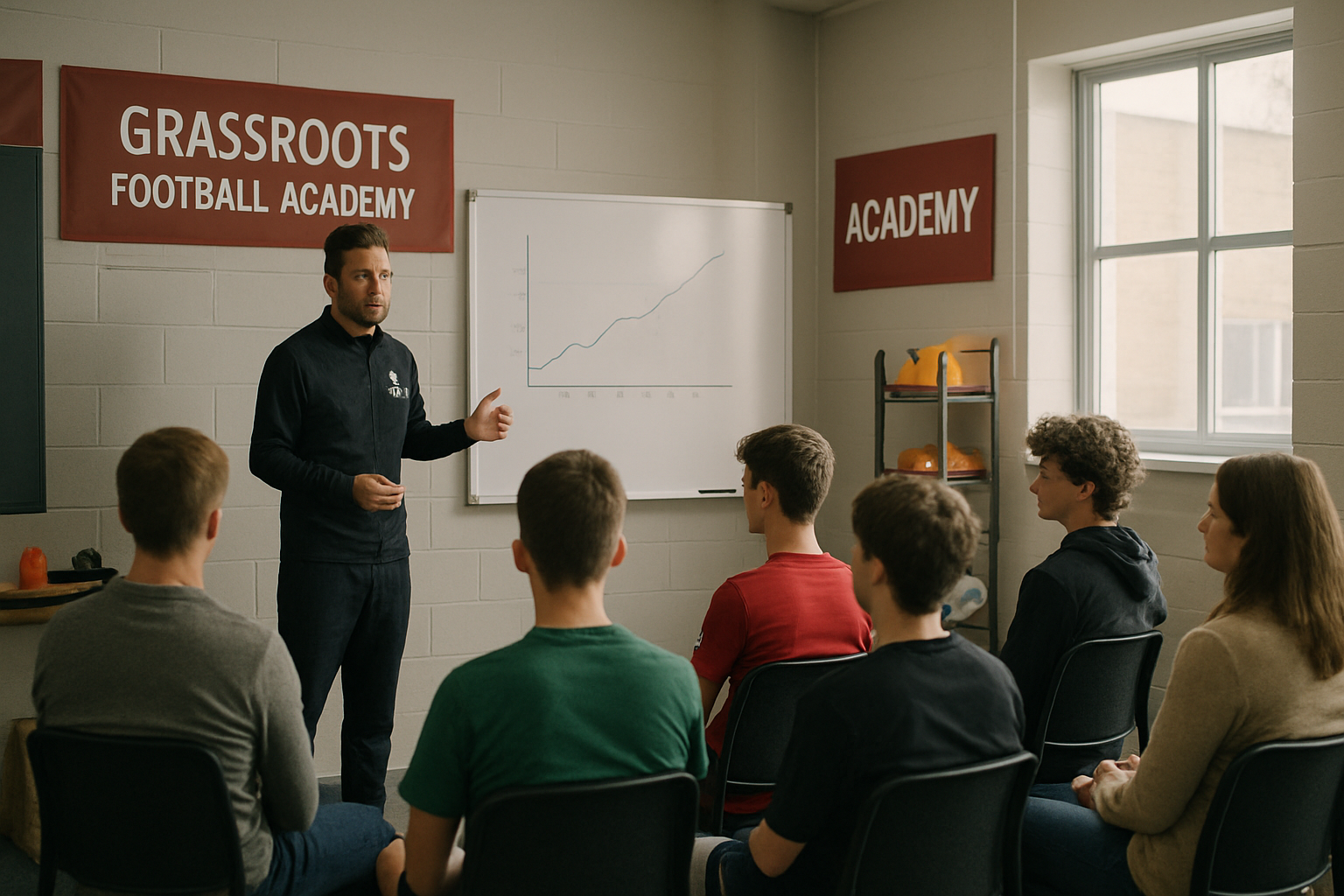
A simple framework to build better reports includes Data Collection → Analysis → Feedback → Development Plan → Progress Tracking. First, gather technical, physical, and mental performance data. Then analyze strengths and areas for improvement followed by clear, actionable coaching feedback. Set achievable development goals and monitor progress regularly.
This cycle fosters continuous learning, transparency, and accountability for all academy stakeholders, enhancing player growth and visibility.
Conclusion
Building better football player development reports requires clubs to embrace consistent data gathering combined with meaningful coaching insights. When reports are clear, balanced, and aligned with long-term development principles, they become invaluable tools for players, coaches, and parents alike. A structured training system thrives on transparent feedback and progress tracking to nurture young talent effectively. By focusing on this approach, academies can create a more supportive environment that guides players through every stage of their growth, improving communication and helping realize potential without pressure or shortcuts.
For football academies looking to professionalize their player tracking and feedback, exploring player development resources can provide added structure to workflows and enhance player visibility in competitive pathways.
What is included in football player development reports?
These reports typically include technical skills, physical fitness results, tactical understanding, and psychological factors like decision-making.
How does player performance tracking help in development?
Tracking performance consistently shows progress trends and highlights areas needing focus, helping coaches tailor training effectively.
How to improve football player development reports for young athletes?
Combine objective data with clear coaching feedback, use simple templates, and involve players and parents in review discussions.
Why am I not improving even with regular training?
Improvement may stall if feedback is unclear or training lacks structure; clear reports and targeted plans can help guide better development.
What is the best way to train for long-term football growth?
Focus on consistent, structured training that develops technical, physical, and mental skills progressively, avoiding short-term result pressure.
Why do players struggle to understand their development?
Without clear, simple reports and communication, players may not see how their efforts relate to progress or future goals.
What is the best age to start using development reports in academies?
Starting development reports around ages 10-12 aligns with foundational learning stages and helps build good habits early.

Related Articles
 Read More about How to Balance School and Football Training Without Burnout for Youth Players
How to Balance School and Football Training Without Burnout for Youth Players
 Read More about Best Football Apps for Players and Coaches in India: Enhancing Grassroots Development
Best Football Apps for Players and Coaches in India: Enhancing Grassroots Development
 Read More about Football Injury Prevention for Young Players: A Simple Guide
Football Injury Prevention for Young Players: A Simple Guide
Latest Articles
 Read More about How Sports Academies Can Reduce Admin Work for Coaches
How Sports Academies Can Reduce Admin Work for Coaches
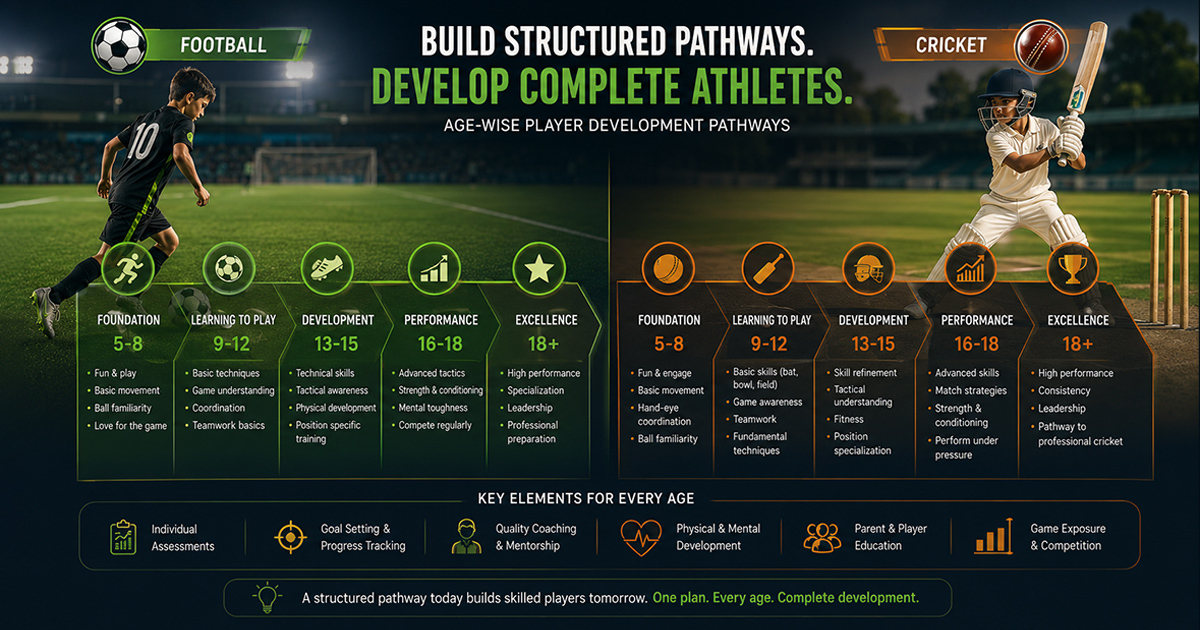 Read More about How to Build Age-Wise Player Development Pathways in Football and Cricket
How to Build Age-Wise Player Development Pathways in Football and Cricket
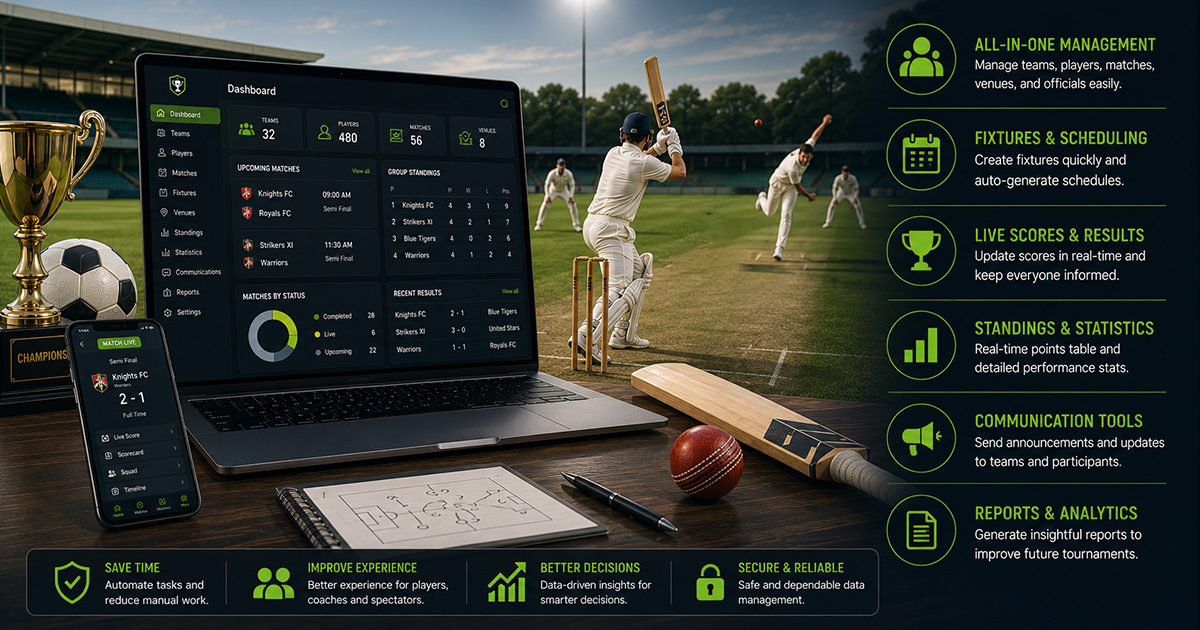 Read More about Tournament Management Software for Football and Cricket Organizers: A Practical Guide
Tournament Management Software for Football and Cricket Organizers: A Practical Guide
Ready to Bring Structure to Your Academy?
Let’s walk through your current setup and show you how 8lete can improve it.


