



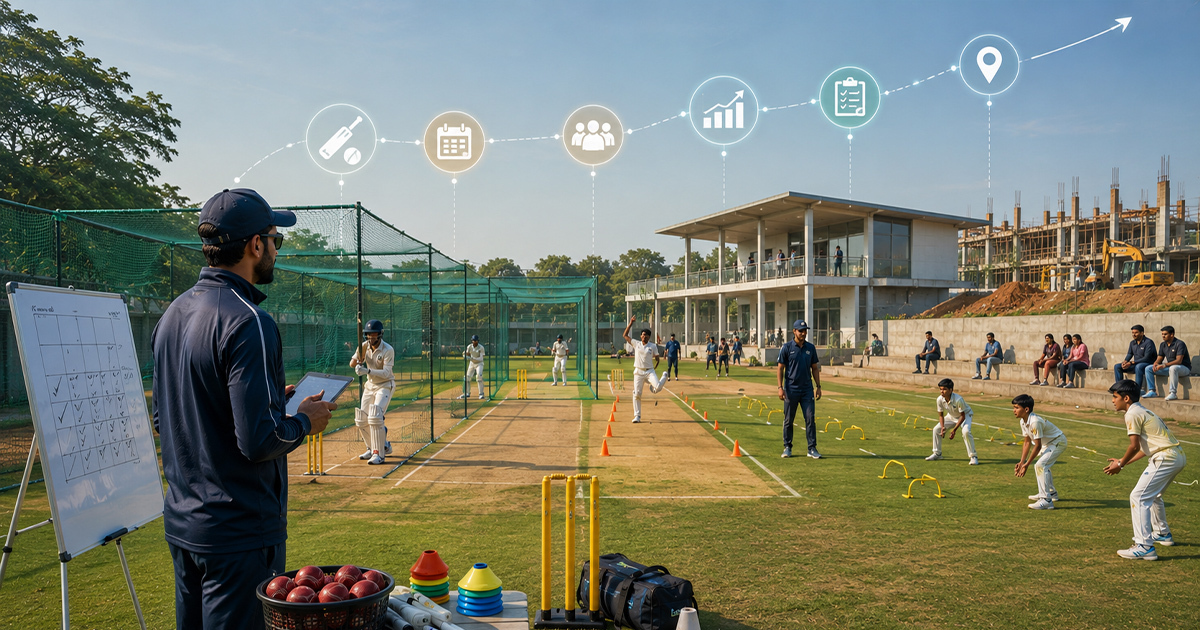
How to Start a Cricket Academy in India: Step-by-Step Guide for Coaches and Club Owners
Starting a cricket academy in India is a rewarding yet complex process that requires careful planning, understanding of local regulations, and a structured approach to player development. Coaches and club owners often face challenges like navigating legal formalities, securing funding, and recruiting players. This guide offers a clear, practical step-by-step overview on how to start a cricket academy in India, focusing on creating a solid foundation for long-term growth and grassroots success.
What is a Cricket Academy Setup Process?
A cricket academy setup process involves establishing an organized space for structured cricket training, focusing on skill development, fitness, and tactical understanding tailored for all age groups, especially youth players.
It includes selecting a suitable location, acquiring necessary equipment, recruiting qualified coaches, and putting in place administrative systems to support training, monitoring, and player progression.
Key Legal Formalities for Sports Academies in India
Registering your cricket academy is a crucial step. You must comply with local business regulations, obtain sports-related licenses, and consider registering as a trust or society for credibility and better funding access. Understanding tax obligations and adhering to safety norms is also vital.
Consulting with a legal expert who understands sports academy regulations can save time and prevent future issues. Keeping your academy legally compliant fosters long-term stability and parental trust.
Coach Qualifications and Staffing Requirements for Cricket Academies
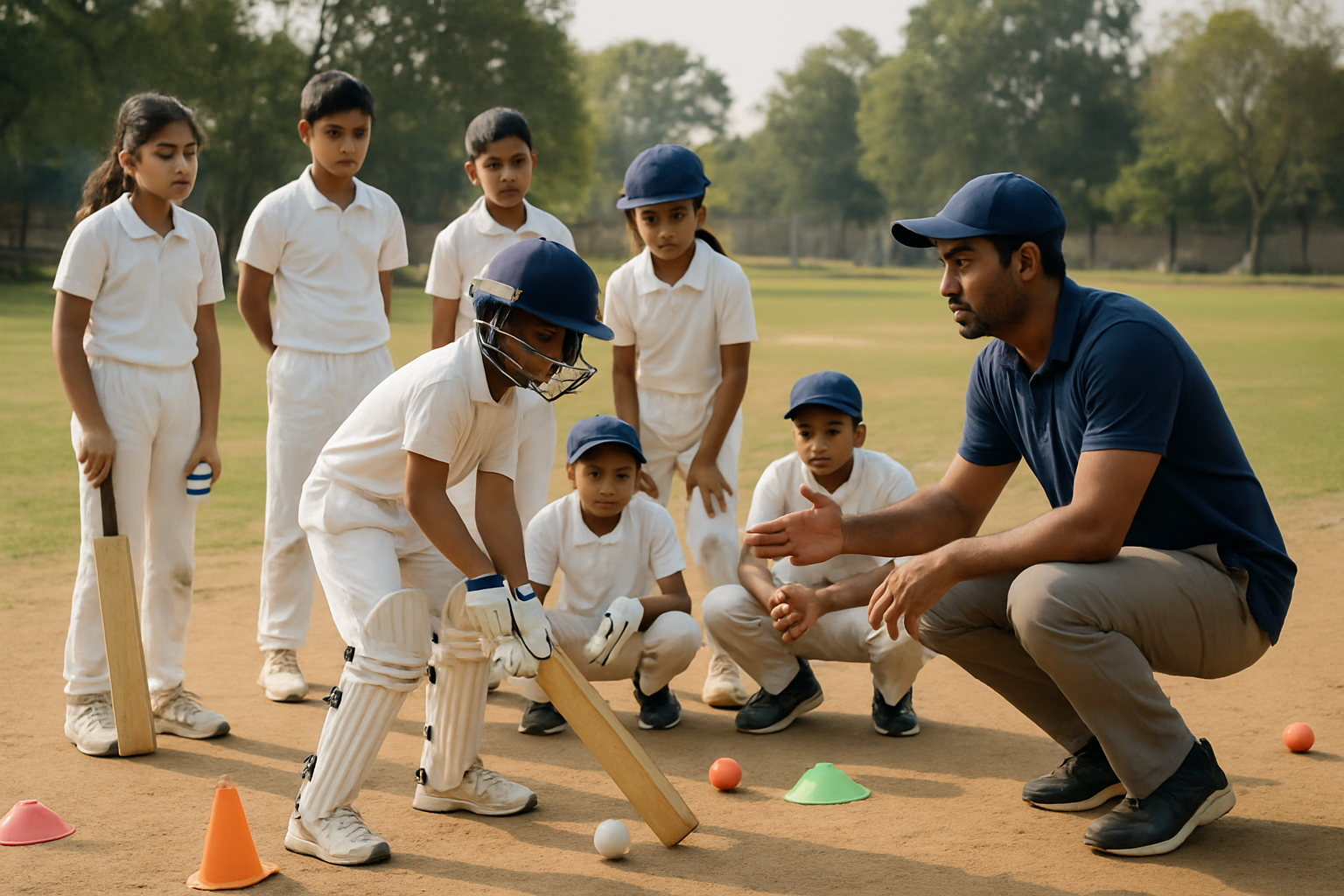
Qualified coaches form the backbone of a successful academy. Coaches should have recognized certifications such as those from the Board of Control for Cricket in India (BCCI) or the National Cricket Academy. Beyond qualifications, look for coaches experienced in youth development who focus on fundamentals, discipline, and structured training.
Besides head coaches, supporting staff like fitness trainers, physiotherapists, and mental conditioning experts help create a holistic environment conducive to long-term player growth.
Funding for Cricket Academies in India: Where to Start
Securing adequate funding is a common hurdle. Initial investment covers ground rental or purchase, equipment, staff salaries, and marketing. Funding sources can include personal investment, local sponsors, government sports schemes, or partnerships with schools and clubs.
A clear financial plan focusing on sustainability rather than quick returns helps the academy remain operational and focused on player development. Offering tiered membership or training packages can also create steady revenue streams.
Effective cricket academies build success through consistency, quality coaching, and clear player development pathways.
Building Your Cricket Academy Equipment List
Starting with quality basic equipment is critical. Essential gear includes bats, balls, protective gear (pads, gloves, helmets), stumps, and training aids like cones and nets. Equipment should reflect different age groups' needs and safety standards.
Investing in basic fitness and recovery tools, such as agility ladders and foam rollers, supports player conditioning. Regular equipment audits help maintain standards and player safety.
Player Recruitment for Cricket Academies: Tips and Strategies
Recruitment is about identifying motivated young players and fostering their potential. Start by networking with local schools, clubs, and community groups. Organizing open trials, free coaching camps, or talent identification sessions can increase visibility and attract committed players.
Keeping parents informed about the academy’s structured development philosophy builds trust and long-term commitment. Player tracking tools help monitor progress and tailor development plans effectively.
Marketing Cricket Academies for Sustainable Growth
Effective marketing highlights your academy’s development-first approach. Use social media channels, community outreach, and partnerships with local sports organizations to communicate your academy’s values and opportunities.
Sharing regular updates on player progress, structured training systems, and match experiences helps build credibility. This approach attracts players and parents who value consistent growth rather than short-term success.
Practical Implementation for Grassroots Clubs
Grassroots clubs should focus on building a clear training schedule with defined goals for each age group. Emphasize repetition, skill progression, and mental growth within a positive learning environment. Incorporate feedback and player development tracking to monitor progress.
A simple framework to guide this is: Training → Feedback → Tracking → Exposure → Progression. This structure ensures players consistently build technical skills and game understanding across training and matches.
Common Development Mistakes in Cricket Academies
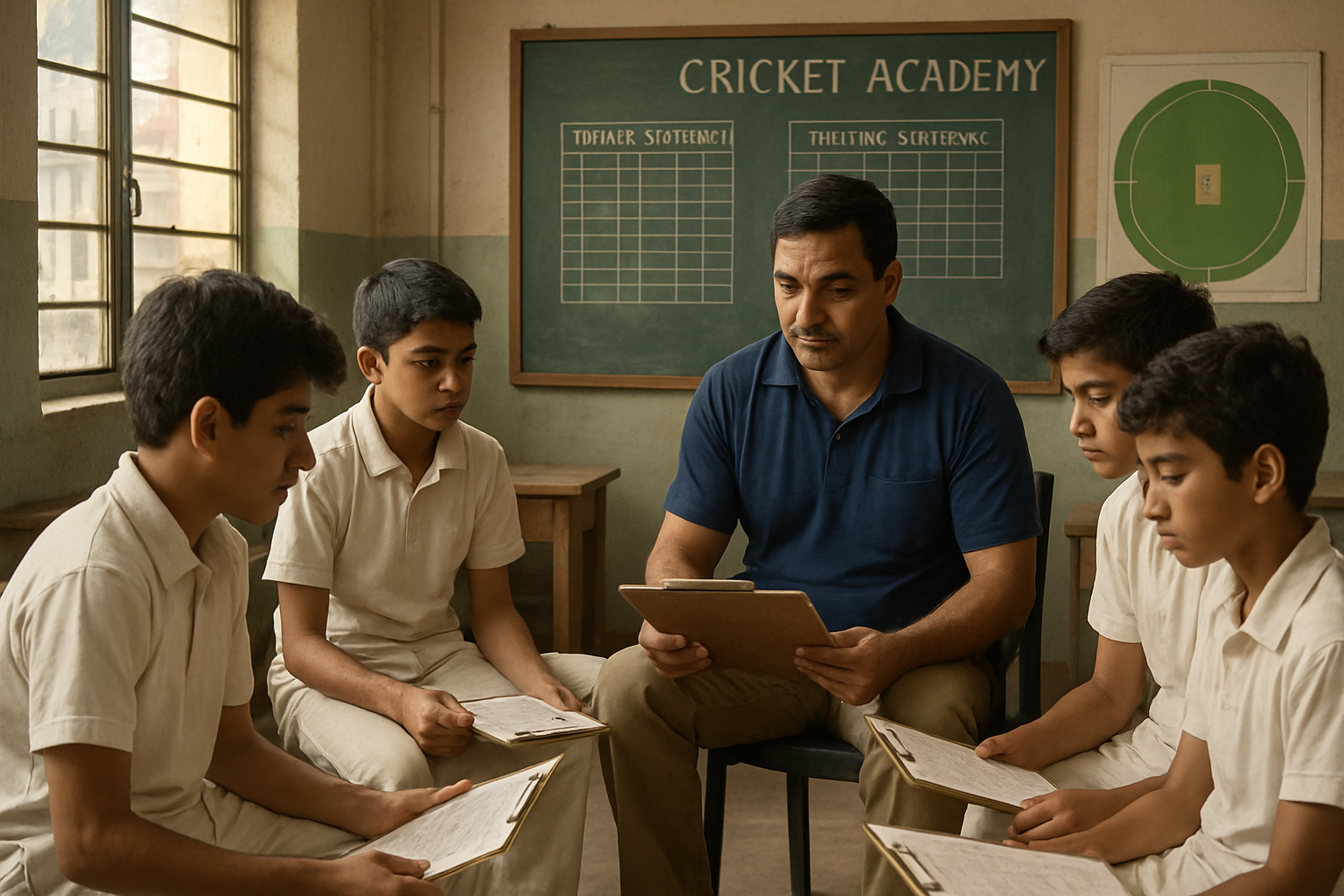
A frequent mistake is prioritizing short-term match results over long-term player development. Overloading young players without adequate recovery can lead to burnout or injury. Inconsistent coaching philosophies and lack of clear progression paths cause confusion and stagnation.
Avoid these by establishing structured training systems, ensuring coach qualifications align with youth development goals, and maintaining communication with parents and players alike.
Conclusion
Starting a cricket academy in India requires a balanced approach that combines thorough preparation, legal compliance, qualified coaching, and sustainable funding. For coaches and club owners dedicated to player progress, focusing on structured environments that promote technical skills, discipline, and mental resilience will create lasting impact. By implementing clear systems for recruitment, training, and development tracking, your academy can become a reliable pathway for young players to grow confidently in cricket. This process may take time, but with commitment and a development-first mindset, your academy can build a strong reputation and support grassroots cricket effectively.
What is the basic process to start a cricket academy in India?
The process includes registering the academy, securing a training space, recruiting qualified coaches, procuring equipment, and setting up player recruitment and training programs.
How to improve player recruitment for cricket academies?
Focus on networking with schools and clubs, hosting open trials, and communicating your academy's structured development approach to attract committed players.
How to train young cricket players effectively?
Use structured training sessions with skill repetition, fitness work, mental conditioning, and regular feedback to support steady improvement.
Why am I not improving despite regular cricket practice?
Improvement requires consistent, focused training with quality coaching and feedback, not just time spent practicing.
What qualifications should coaches have for cricket academies in India?
Coaches should hold certifications from recognized bodies like BCCI or National Cricket Academy and have experience with youth development.
What is the best age to start cricket training at an academy?
Many academies start with children aged 6 to 8, focusing on basic skills and enjoyment to build a strong foundation.

Related Articles
 Read More about Professional Football Academy Standards: What Really Defines Quality in Youth Development
Professional Football Academy Standards: What Really Defines Quality in Youth Development
.jpg) Read More about How to Run Football Trials: A Practical Guide for Coaches and Academies
Read More about How to Run Football Trials: A Practical Guide for Coaches and AcademiesHow to Run Football Trials: A Practical Guide for Coaches and Academies
 Read More about How to Build a Strong Football Academy Community for Sustainable Growth
How to Build a Strong Football Academy Community for Sustainable Growth
Latest Articles
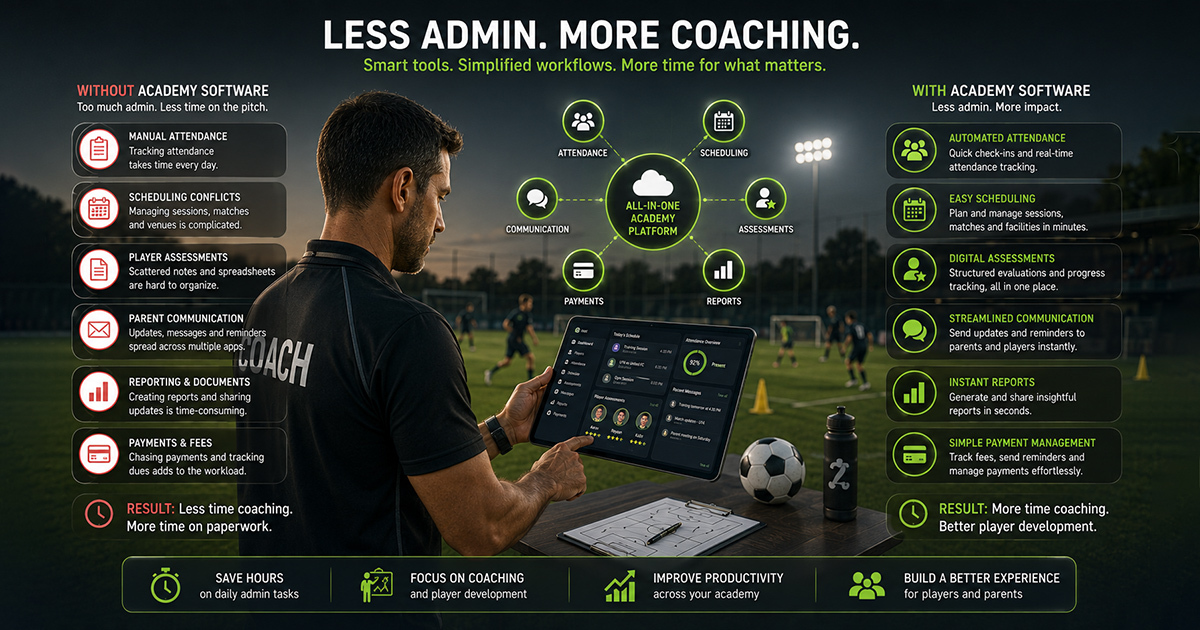 Read More about How Sports Academies Can Reduce Admin Work for Coaches
How Sports Academies Can Reduce Admin Work for Coaches
 Read More about How to Build Age-Wise Player Development Pathways in Football and Cricket
How to Build Age-Wise Player Development Pathways in Football and Cricket
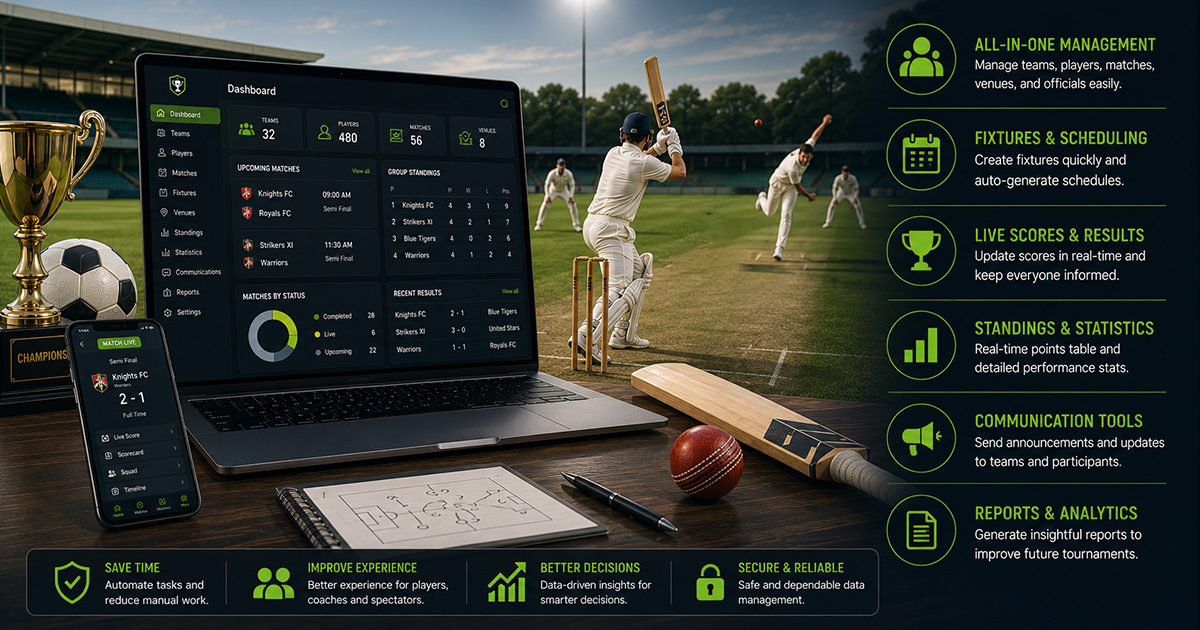 Read More about Tournament Management Software for Football and Cricket Organizers: A Practical Guide
Tournament Management Software for Football and Cricket Organizers: A Practical Guide
Ready to Bring Structure to Your Academy?
Let’s walk through your current setup and show you how 8lete can improve it.


