



.jpg)
How to Run Football Trials: A Practical Guide for Coaches and Academies
Running football trials is a critical challenge for football academies and coaches aiming to identify and recruit the right young players. Many struggle with creating a clear, fair, and development-focused process that benefits not only the club but also the players being assessed. This guide on how to run football trials offers practical recommendations grounded in grassroots realities, helping academies structure trials to maximize insight, fairness, and long-term player growth.
What Is a Football Trial and Why Does it Matter?
A football trial is a structured evaluation session where players are observed on their technical, physical, and mental capabilities. It’s often the first step in recruiting talent to academies or clubs and serves as an opportunity for players to showcase their skills under realistic conditions.
Understanding the purpose of trials helps coaches design them as more than just one-off events––they become part of the broader player recruitment and development system. Successful trials reveal potential beyond immediate skill, including decision-making, attitude, and adaptability.
Setting Clear Objectives for Your Football Trials
Before organizing trials, define what you want to achieve. Do you seek to identify technical skill alone, or are you also evaluating discipline, teamwork, and learning ability? Clear objectives guide the session format and evaluation criteria. This approach aligns recruitment with your academy’s philosophy and long-term player development goals.
Consider these areas for assessment: technical skills, tactical understanding, physical attributes, mental resilience, and coachability. Including multiple criteria ensures a rounded picture of each candidate, avoiding overemphasis on early performance and recognizing growth potential.

Practical Implementation for Grassroots Clubs
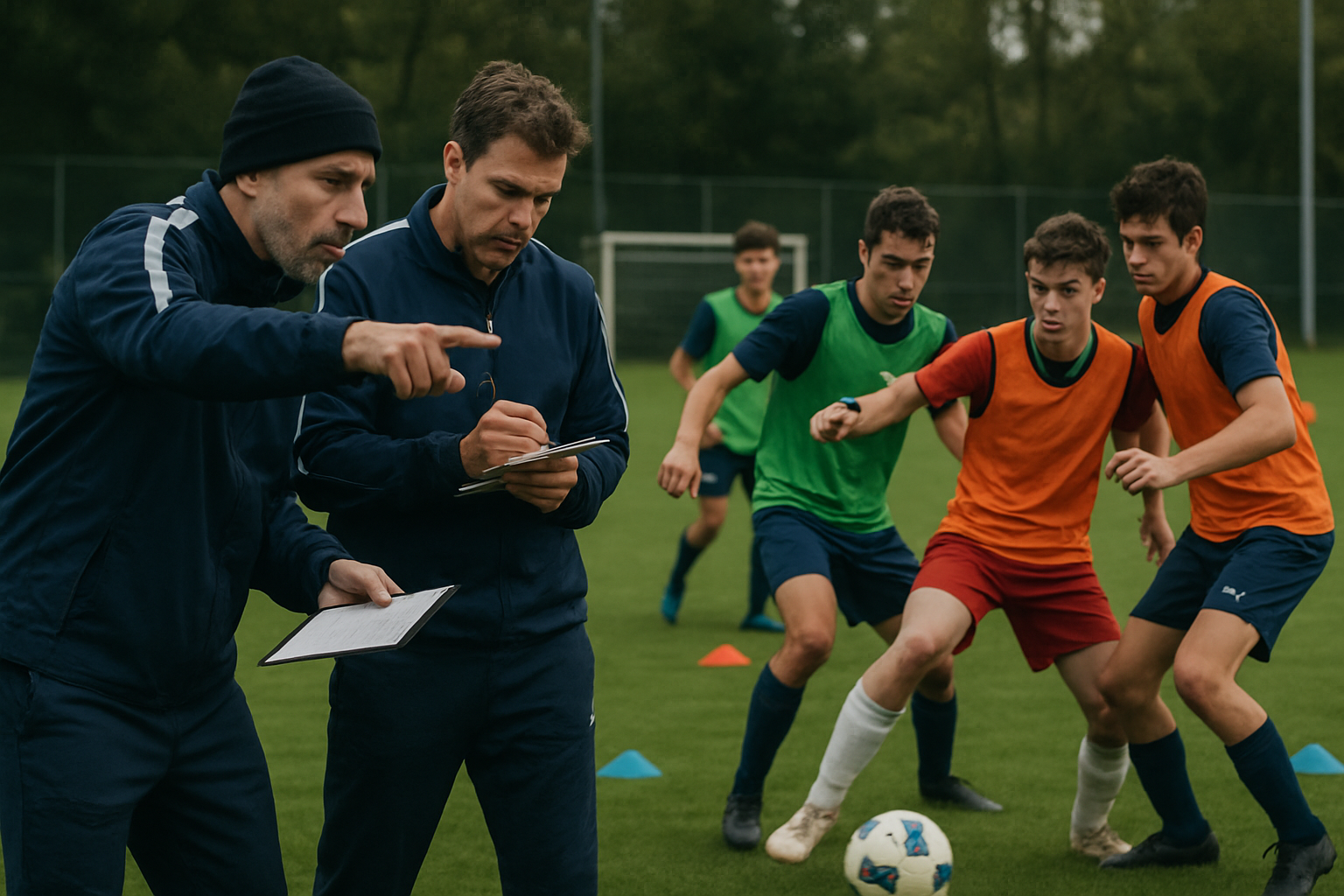
Organizing trials at the grassroots level requires attention to logistics and player well-being. Choose a suitable venue with adequate space and equipment, ideally the academy’s regular training ground to maintain familiarity.
Schedule sessions well in advance and communicate clearly with players and parents about expectations, timings, and necessary gear. Multiple shorter trial sessions can reduce player fatigue and allow coaches to better observe individuals under varying conditions.
Evaluation Criteria and Football Talent Identification Methods
Establish evaluation criteria aligned with your academy’s goals, combining objective measures like passing accuracy with subjective observations such as attitude during drills. Use standardized checklists or rating scales to keep assessments consistent across coaches.
Effective football talent identification looks beyond raw ability. Coach observations of decision-making, movement off the ball, and response to feedback are essential. Including small-sided games during trials provides insight into teamwork and intelligence in match-like environments.
Effective football trials balance clear evaluation with player support to identify true potential.
Why Players Struggle During Football Trials
Players often underperform during trials due to anxiety, unfamiliarity with the format, or pressure to impress. Coaches should consider these factors and create a welcoming atmosphere that encourages natural play and confidence.
Providing clear instructions, allowing warm-up time, and incorporating drills that simulate game conditions can reduce stress and help players demonstrate their true abilities. This approach also benefits parent understanding, helping them manage expectations and support their child’s experience positively.
Best Practices for Football Trials: Structure and Feedback
A well-structured trial flows logically through warm-up, skill drills, tactical exercises, and match scenarios. This provides a comprehensive view of each player’s capabilities in different contexts.
After the trial, providing feedback—whether immediately or during follow-up meetings—is key. This transparency supports player development, helping individuals understand strengths and areas for improvement. It also solidifies your academy’s reputation as a development-focused organization.
Common Development Mistakes
A common pitfall during football trials is overemphasizing immediate talent and neglecting potential for growth. This limits opportunities for players who may develop later with proper coaching.
Another mistake is inconsistent evaluation methods or unclear communication, which can cause confusion and dissatisfaction among players and parents. Structured training systems and player development tracking can help avoid these issues by creating transparent and repeatable trial frameworks.
Planning Football Trials for Academies: A Step-by-Step Framework
Follow this simple framework to plan and execute successful football trials:
- Define trial objectives based on your academy’s values and recruitment goals.
- Set clear evaluation criteria including technical, physical, and mental components.
- Organize logistics: venue, schedule, equipment, and communication with players and parents.
- Prepare structured trial sessions covering warm-up, drills, and small-sided games.
- Use consistent rating systems and have multiple coaches observe to reduce bias.
- Provide constructive feedback and maintain player development tracking post-trial.
- Review and refine your process based on outcomes and observations.
Conclusion
Understanding how to run football trials effectively is essential for academies seeking to build strong, development-focused programs. Structured planning, clear evaluation criteria, and a supportive environment help coaches identify players whose potential aligns with club values. Trials should not just be about quick judgment but about properly assessing growth traits like discipline and decision-making. When combined with transparent feedback and ongoing tracking, trials become a powerful tool in the player development journey, benefiting coaches, players, and parents alike. Integrating these principles into your football academy operations ensures sustainable talent identification and recruitment aligned with long-term success.
What is the purpose of football trials in academies?
Football trials allow academies to observe players’ skills and qualities firsthand, helping identify talent and potential for development.
How does a typical football trial session run?
Trials usually include warm-up, technical drills, small-sided games, and evaluation by coaches, providing a varied assessment environment.
How to improve player evaluation during football trials?
Using clear criteria, multiple coaches’ observations, and standardized rating sheets improves fairness and accuracy in player evaluation.
Why do players struggle to perform well in football trials?
Pressure, nerves, and unfamiliar formats can cause players to underperform; a supportive environment and familiar drills help reduce this.
How to train players to prepare for football trials?
Regular skill practices, game understanding, fitness, and mental preparation help players feel ready and confident for trials.
What are the common mistakes academies make in football trials?
Common errors include unclear objectives, inconsistent evaluations, and over-relying on immediate performance instead of growth potential.
Best age to start attending football trials for young players?
Many academies begin scouting around U10–U12, but starting skill and attitude development early is more important than exact trial age.

Related Articles
 Read More about How to Build a Strong Football Academy Community for Sustainable Growth
How to Build a Strong Football Academy Community for Sustainable Growth
 Read More about Football Academy Revenue Streams: How Clubs Can Earn Sustainably
Football Academy Revenue Streams: How Clubs Can Earn Sustainably
 Read More about Football Academy Player Recruitment Strategies Without Relying on Ads
Football Academy Player Recruitment Strategies Without Relying on Ads
Latest Articles
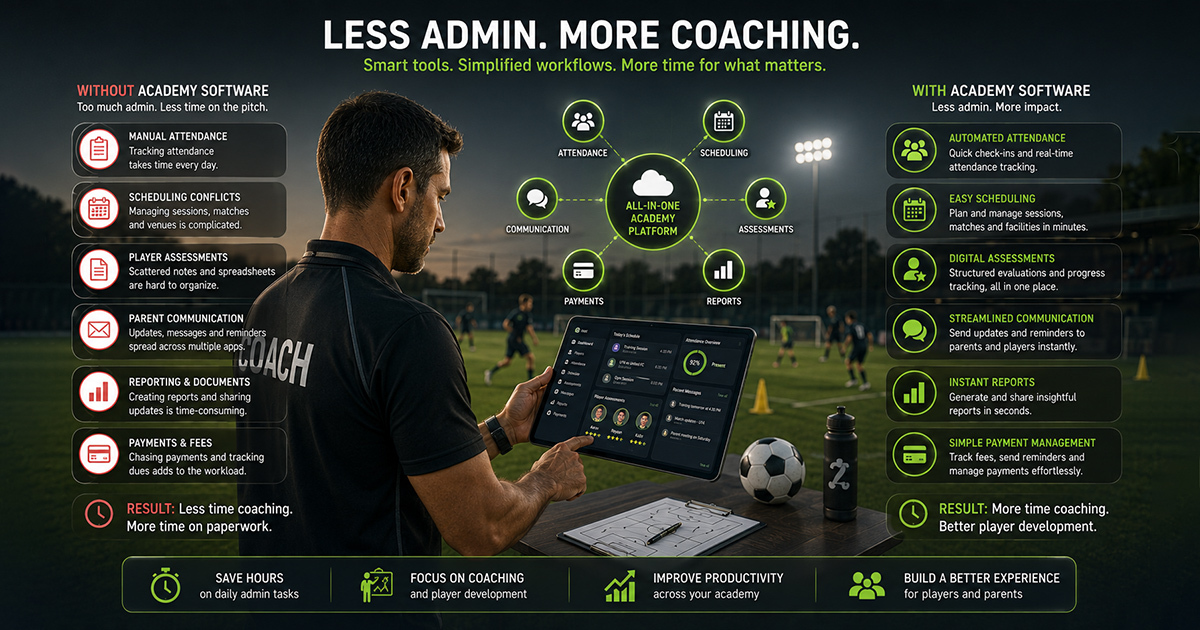 Read More about How Sports Academies Can Reduce Admin Work for Coaches
How Sports Academies Can Reduce Admin Work for Coaches
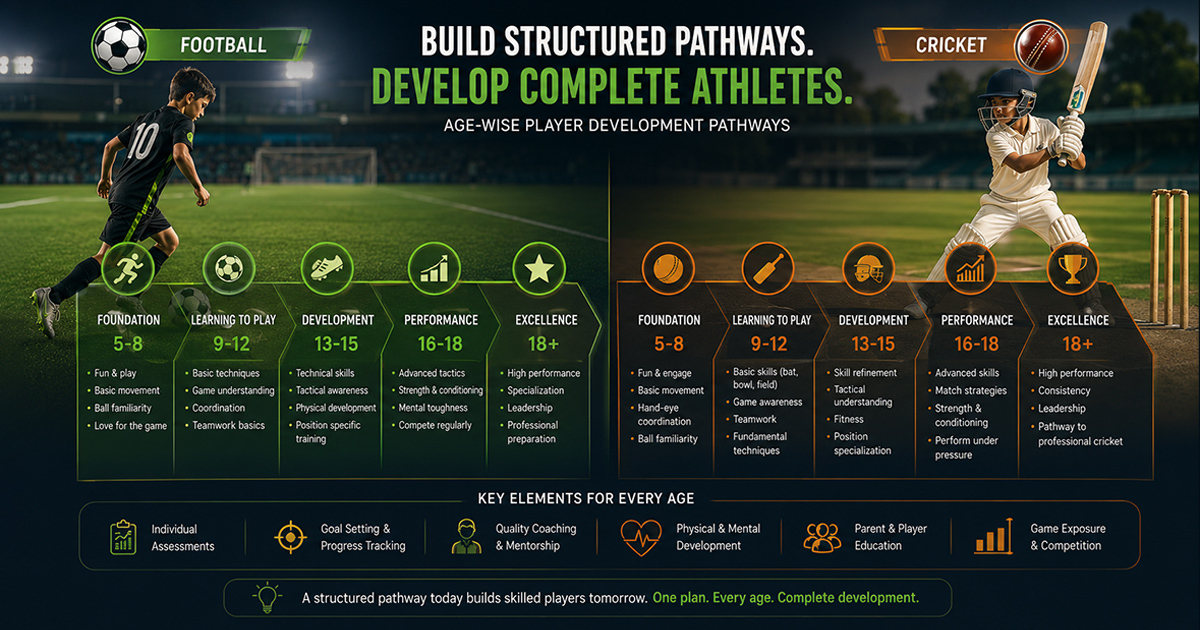 Read More about How to Build Age-Wise Player Development Pathways in Football and Cricket
How to Build Age-Wise Player Development Pathways in Football and Cricket
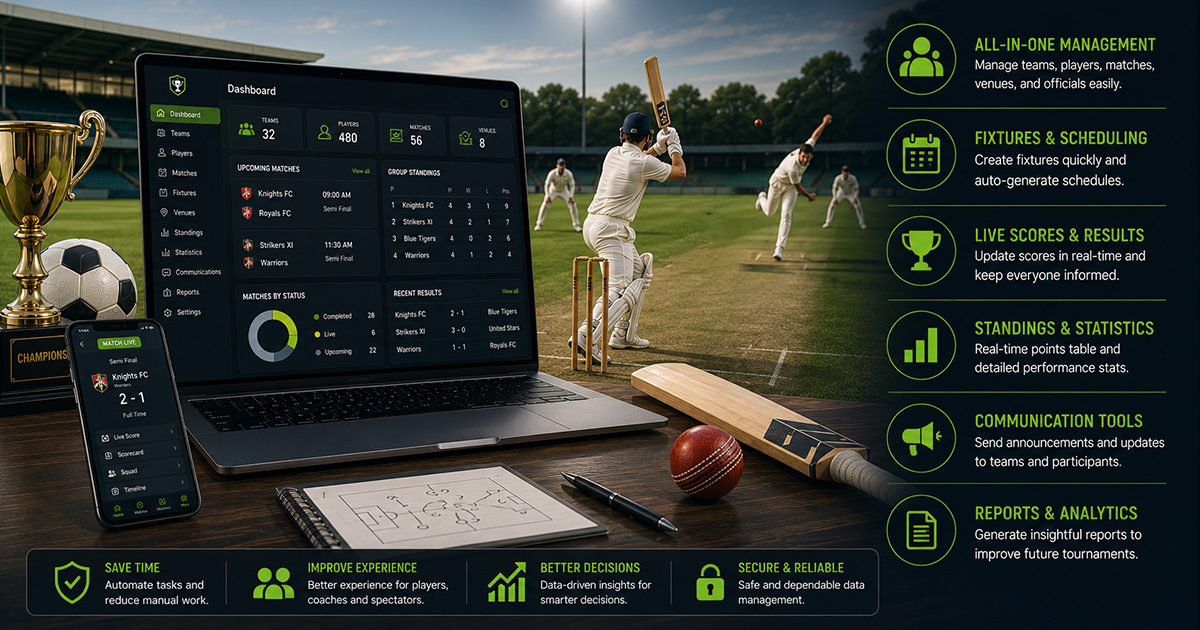 Read More about Tournament Management Software for Football and Cricket Organizers: A Practical Guide
Tournament Management Software for Football and Cricket Organizers: A Practical Guide
Ready to Bring Structure to Your Academy?
Let’s walk through your current setup and show you how 8lete can improve it.


