




How to Build a Strong Football Academy Community for Sustainable Growth
Building a football academy community is a key challenge for many grassroots programs aiming for sustainable growth. Football academies, coaches, and parents often struggle with creating a supportive environment that extends beyond training sessions and matches. This article offers practical insights and strategies for strengthening your football academy community, fostering stronger player-coach-parent relationships, and engaging local supporters for long-term development.
What Is Football Academy Community Building?
Football academy community building refers to the process of establishing a connected and supportive network around your academy involving players, coaches, parents, local fans, and stakeholders. This network creates a positive environment that supports training, player development, academy growth, and visibility.
By developing a strong community, academies foster trust, increase player motivation, enhance coaching effectiveness, and attract sustainable support from local football fans and partners.
How to Improve Football Academy Community Building Effectively
Strengthening your football academy community requires an intentional approach focused on communication, engagement, and shared values. Begin by clearly defining the academy’s vision and culture, emphasizing development-first principles that prioritise long-term player growth over short-term wins.
Develop regular communication channels such as newsletters, social media updates, or parent-coach meetings that keep stakeholders informed about training progress, academy events, and individual player pathways. Consistent transparency builds trust and encourages active involvement from parents and supporters.

Practical Implementation for Grassroots Clubs
Implementing community building starts with maximizing player and parent involvement at every opportunity. Organize open training days, youth tournaments, or community football festivals to bring families, local fans, and potential new players together. These events help raise awareness and create a welcoming culture.
Encourage coaches to engage beyond drills by offering education sessions for parents on topics like youth development stages, nutrition, and recovery. This practical involvement strengthens the trust and respect between the academy staff and families, improving player support systems.
Common Development Mistakes That Hurt Community Growth
One common mistake is focusing solely on team performance or winning at the expense of community relationships. This approach can alienate parents and players who feel overlooked or pressured, decreasing long-term engagement.
Another pitfall involves poor communication or inconsistent messaging. Without transparent updates or clear expectations, misunderstandings arise that weaken coach-parent-player trust. Finally, ignoring local football fans and potential partners limits your academy’s community reach and resource base.
Consistent communication and genuine engagement are the foundation for building a strong football academy community.
Key Football Academy Outreach Strategies
Outreach is the backbone of community building. Collaborate with local schools, clubs, and sports organisations by offering coaching workshops, school visits, or joint events. These connections broaden your academy’s visibility and strengthen relationships in the football ecosystem.
Utilize social media strategically to share player progress, training highlights, and community stories. Showing development journeys fosters stronger emotional connection with local football fans and encourages parent involvement.
Why Players Struggle to Connect Without Community Support
Players often face challenges such as motivation dips, mental fatigue, or uncertainty about their development path when they lack a supportive community. Without encouragement from coaches, parents, and peers, their progress can stall.
An engaged community helps players maintain discipline, confidence, and resilience by providing consistent feedback, emotional support, and recognition. This environment reduces burnout and reinforces their focus on structured training and growth.

Strengthening Academy-Player Relationships for Long-Term Success
Deepening academy-player connections involves personalized development plans, regular progress reviews, and creating safe spaces for open dialogue. These practices promote accountability and align expectations between coaches and players.
Coaches can integrate tools for player development tracking and feedback management to monitor growth more clearly and adjust training accordingly. This structured approach benefits motivation and keeps players on a steady progression path.
Parent Involvement in Football Academies: Practical Tips
Parents play a critical role in sustaining football academy communities. Encourage them to support not just match days but daily development habits including recovery, nutrition, and mental readiness. Providing clear guidelines about their role fosters positive attitudes and reduces pressure on players.
Host regular parent education sessions and informal meetups to deepen trust and alignment on the academy’s development philosophy. This collective understanding strengthens the entire support system surrounding young players.
Conclusion
Football academy community building is a deliberate, ongoing process that requires consistent effort from all stakeholders. By creating structured communication, outreach, and engagement strategies, academies can create an environment that nurtures players’ development both on and off the pitch. Strengthening academy-player relationships and involving parents meaningfully ensures players receive the support they need to thrive. Ultimately, integrating a well-connected community around your academy not only boosts player growth but also secures sustainable pathways for the academy’s success and reputation.
For academies looking to deepen their connections, exploring partnerships with local football clubs within our ecosystem can provide valuable opportunities for expanded growth and resources.
What is football academy community building?
It is creating a supportive network of players, coaches, parents, and local fans around an academy to enhance development and growth.
How to improve football academy community building?
Focus on clear communication, regular engagement events, transparent progress updates, and involving parents and local supporters.
How to get better engagement from parents in football academies?
Offer educational sessions, keep parents informed, clarify their role in player development, and encourage involvement beyond match days.
Why am I not improving despite training regularly in football?
Lack of supportive community, inconsistent feedback, or unclear development plans can limit your progress even with regular training.
Best age to start structured football academy training?
Many academies recommend starting around 8-10 years old to build a foundation of skills and understanding in a structured environment.
Why do players struggle to connect without community support?
Without encouragement and feedback from coaches, parents, and peers, players may face motivation issues and development stalls.
How long does it take to see progress in a football academy?
Progress depends on consistent training, feedback, and support. Typically, noticeable improvements can appear within several months to a year.
.jpg)
Related Articles
 Read More about Football Academy Revenue Streams: How Clubs Can Earn Sustainably
Football Academy Revenue Streams: How Clubs Can Earn Sustainably
 Read More about Football Academy Player Recruitment Strategies Without Relying on Ads
Football Academy Player Recruitment Strategies Without Relying on Ads
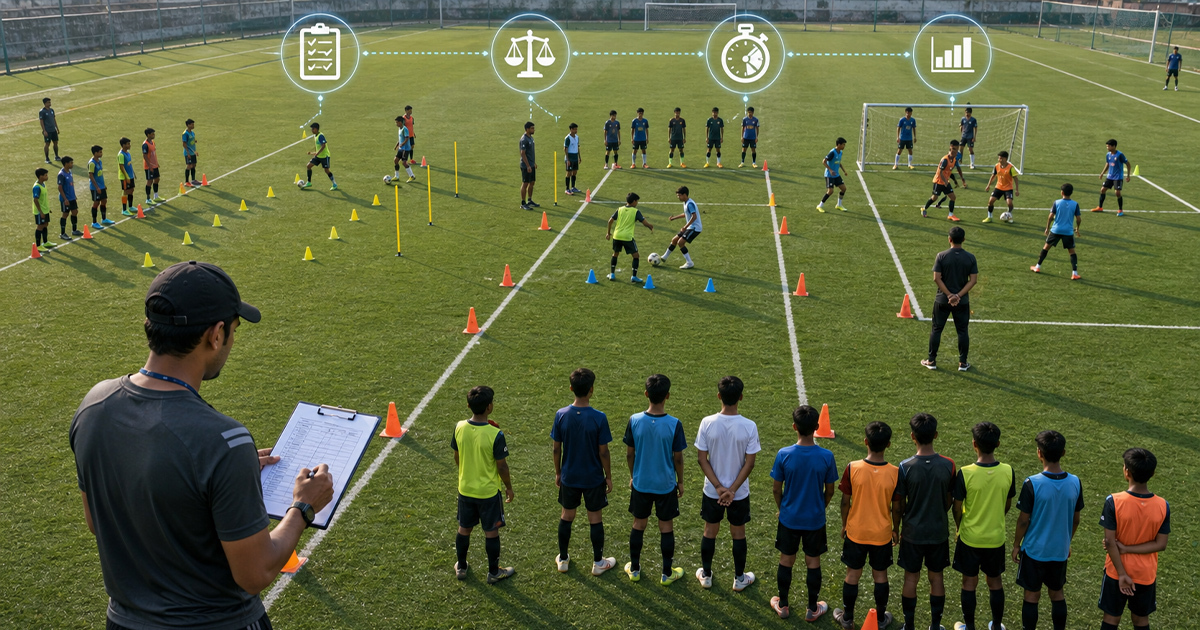 Read More about How to Structure a Fair Football Trial Selection Process in Academies
How to Structure a Fair Football Trial Selection Process in Academies
Latest Articles
 Read More about How Sports Academies Can Reduce Admin Work for Coaches
How Sports Academies Can Reduce Admin Work for Coaches
 Read More about How to Build Age-Wise Player Development Pathways in Football and Cricket
How to Build Age-Wise Player Development Pathways in Football and Cricket
 Read More about Tournament Management Software for Football and Cricket Organizers: A Practical Guide
Tournament Management Software for Football and Cricket Organizers: A Practical Guide
Ready to Bring Structure to Your Academy?
Let’s walk through your current setup and show you how 8lete can improve it.


