




Professional Football Academy Standards: What Really Defines Quality in Youth Development
Running a truly professional football academy goes far beyond flashy marketing or attractive facilities. Professional football academy standards focus on creating an environment built for consistent player development, structured learning, and sustainable growth. For coaches, club owners, and parents alike, understanding what genuinely marks a football academy as professional is fundamental to fostering real progress rather than chasing short-term highlights.
What Are Professional Football Academy Standards?
Professional football academy standards refer to the combination of infrastructure, coaching quality, player development systems, and management approaches that ensure an academy delivers systematic and consistent growth in young players' abilities. These standards prioritize long-term progression, structured training, and clear development pathways over quick success.
Meeting these standards involves integrating quality coaching, robust training facilities, comprehensive player monitoring, and an academy culture that supports mental and physical growth. This creates a solid foundation where players can develop technical skills, decision-making, and resilience in a nurturing, organized environment.
Key Components Defining a Professional Football Academy
A truly professional academy is characterized by several core elements that work together to support player development:
- 1. Football academy infrastructure standards – safe, well-maintained pitches of suitable size, quality locker rooms, medical and recovery facilities, and proper equipment.
- 2. Football academy coaching quality – coaches with certifications, ongoing education, and a clear philosophy focused on developing skills, game understanding, and physical conditioning.
- 3. Player development systems – structured training plans tailored to different age groups, regular performance tracking, and individualized feedback cycles.
- 4. Academy management and operations – organized scheduling, clear communication among staff and families, and consistent adherence to developmental goals.
- 5. Football academy accreditation – recognition by football federations or governing bodies signaling adherence to professional criteria and continuous improvement.
Why Players Struggle Without Professional Standards
Young players often plateau or regress in academies lacking professional standards due to inadequate coaching focus, poor training facilities, and inconsistent development frameworks. Without a structured environment emphasizing disciplined repetition, decision-making, and mental growth, talent alone rarely flourishes.
When coaching quality is inconsistent or unsuitable for the player’s stage, players may receive mixed signals, limiting their ability to progress confidently. Similarly, lack of clear development tracking means players, coaches, and parents struggle to measure improvement or identify areas for focused training.
Practical Implementation for Grassroots Clubs
For grassroots clubs aiming to align with professional football academy standards, the focus must be on developing a structured system that supports long-term player progress. Start by investing in qualified coaches who understand developmental milestones and adapt training accordingly.
Next, develop training plans with clear objectives for technical skill, physical conditioning, and tactical awareness. Integrate regular feedback and tracking mechanisms such as game analysis and player reflection sessions. This structured training ensures players experience consistent, measurable growth.
Effective communication channels between coaches, players, and parents provide clarity on expectations and progress. Clubs can also look towards academy accreditation programs and partnerships to benchmark against recognized quality criteria and improve operations continuously.
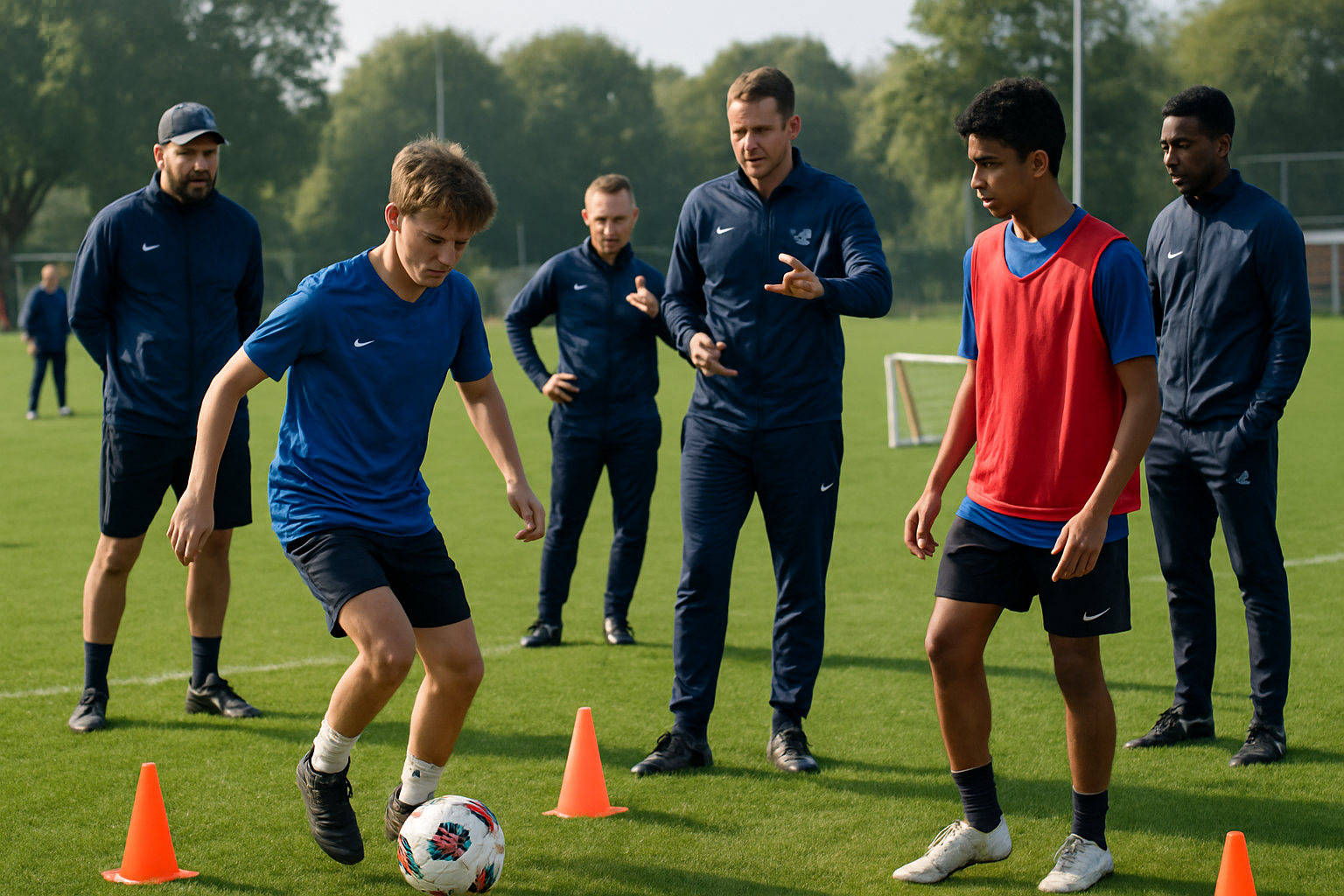
Structured training and clear feedback cycles are essential for consistent player development.
Common Development Mistakes in Football Academies
One common mistake is prioritizing short-term match results or star players over broad player development. This fosters uneven attention and can damage team cohesion and a healthy learning culture. Another issue is neglecting player recovery and mental support, leading to burnout or lost motivation.
Ignoring structured player development tracking limits an academy’s ability to individualize training effectively. Clubs may also overlook the importance of continuous coach education, which is vital in staying updated with best practices and refining delivery methods.
Football Academy Management Tips for Sustained Success
Successful academies balance clear organizational systems with flexibility to adapt player development plans. Use frameworks that loop through Training → Feedback → Tracking → Exposure → Progression, ensuring each player receives ongoing support and development opportunities.
Implementing sports performance analysis tools and structured training systems helps quantify player growth and inform coaching decisions. Strategic planning includes scheduling to avoid overtraining and fostering recovery to build resilience. Also, maintain open communication lines with parents and players to manage goals and progress realistically.
For more effective football academy management tips, coaches can explore effective football academy management tips resources to build workflows tailored to grassroots environments.

Developing a Professional Football Academy Over Time
Developing a professional football academy is not an overnight achievement. It requires commitment to continuous improvement, investment in coaching quality, and regular reviews of infrastructure and player support systems. Fostering a culture that values development over immediate results creates sustainable success.
Grassroots academies can grow their quality by engaging with governing bodies for accreditation and integrating data-driven player development tracking. This reveals individual and team progress clearly, informing coaching adjustments while maintaining focus on holistic player growth.
Conclusion
Achieving professional football academy standards means creating an environment where player development is structured, consistent, and holistic. It requires a blend of quality coaching, appropriate infrastructure, effective management, and a focus on long-term growth over flashy short-term wins. Grassroots clubs can prioritize these aspects by building systems that emphasize skill progression, mental resilience, and recovery, supported by clear communication and regular development tracking. By avoiding common pitfalls such as overemphasis on quick results or neglecting player wellbeing, academies set the stage for sustained success, guiding young athletes through a purposeful journey of growth and learning. This developmental-first approach ultimately benefits players, coaches, and the wider football community alike.
What is a professional football academy standard?
It is a set of criteria covering infrastructure, coaching quality, player development systems, and management that ensure consistent, long-term player progress.
How does a football academy coaching quality affect player development?
High coaching quality ensures training is age-appropriate, skill-focused, and consistent, which helps players improve their technique, decision-making, and physical abilities over time.
How to improve football skills effectively at a youth academy?
Follow structured training plans with clear objectives, practice regularly with feedback, focus on both technical skills and game understanding, and prioritize recovery.
Why am I not improving in my academy despite training hard?
Improvement depends on quality coaching, consistent development systems, recovery, and mental focus. Lack in any area can slow progress.
What are the common mistakes football academies make in player development?
Common mistakes include prioritizing short-term match results, neglecting recovery and mental health, inconsistent coaching, and failing to track player progress.
How long does it take to develop a professional football academy?
Building a professional academy is a multi-year process requiring continuous improvements in coaching, infrastructure, management, and culture.


Related Articles
.jpg) Read More about How to Run Football Trials: A Practical Guide for Coaches and Academies
Read More about How to Run Football Trials: A Practical Guide for Coaches and AcademiesHow to Run Football Trials: A Practical Guide for Coaches and Academies
 Read More about How to Build a Strong Football Academy Community for Sustainable Growth
How to Build a Strong Football Academy Community for Sustainable Growth
 Read More about Football Academy Revenue Streams: How Clubs Can Earn Sustainably
Football Academy Revenue Streams: How Clubs Can Earn Sustainably
Latest Articles
 Read More about How Sports Academies Can Reduce Admin Work for Coaches
How Sports Academies Can Reduce Admin Work for Coaches
 Read More about How to Build Age-Wise Player Development Pathways in Football and Cricket
How to Build Age-Wise Player Development Pathways in Football and Cricket
 Read More about Tournament Management Software for Football and Cricket Organizers: A Practical Guide
Tournament Management Software for Football and Cricket Organizers: A Practical Guide
Ready to Bring Structure to Your Academy?
Let’s walk through your current setup and show you how 8lete can improve it.


