




How to Balance School and Football Training Without Burnout for Youth Players
Balancing school and football training is a common challenge for youth players, parents, and coaches trying to develop well-rounded student athletes. When players struggle to manage academic responsibilities alongside their football commitments, it often leads to stress and burnout — hindering both school performance and sports development. In this article, we explore effective strategies that help young footballers balance their workload, avoid burnout, and sustain long-term growth both as students and athletes.
What Is Balancing School and Football Training?
Balancing school and football training means managing time, energy, and priorities so that a young athlete can meet their academic goals while engaging in structured football development without overwhelming stress. This balance supports continued progress in both areas while maintaining physical and mental well-being.
Finding this balance is key to preventing physical fatigue and mental burnout, allowing players to develop consistent habits that promote discipline and long-term improvement.
Why Players Struggle with Balancing School and Football Training
Youth players often face pressure to excel academically and athletically, sometimes with overlapping schedules and limited recovery time. Poor time management and lack of clear communication between coaches, schools, and parents can contribute to players feeling overwhelmed.
Additionally, some training programs don’t account for the academic demands athletes face, increasing risks of stress-related burnout and reduced motivation. Without structured planning, young athletes may struggle to maintain focus and energy throughout the week.
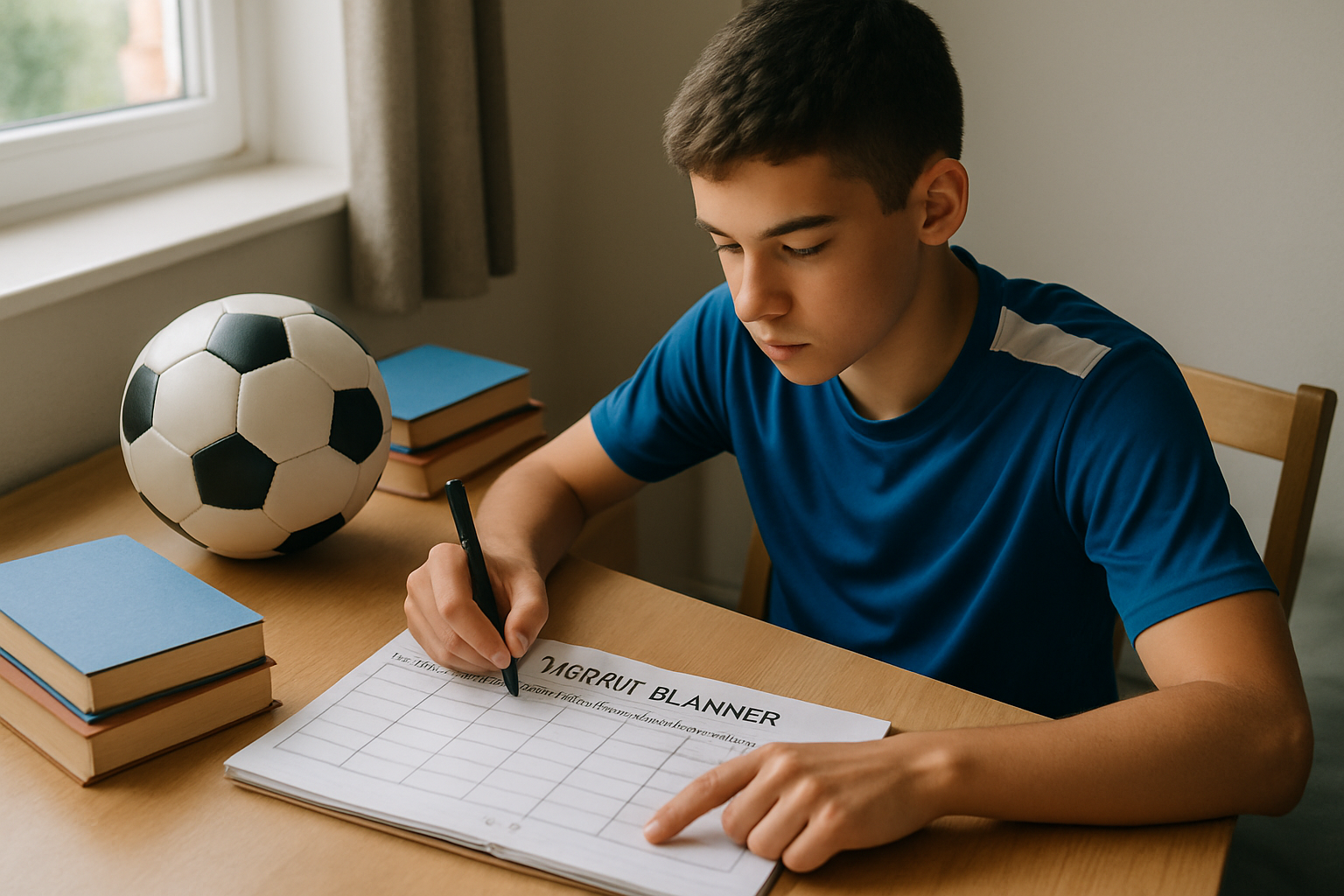
Effective Time Management for Student Footballers
Time management is critical to balancing academic obligations and football training. Players should develop weekly schedules that include fixed study times, consistent training sessions, and sufficient rest. Prioritizing tasks and avoiding distractions during study or recovery windows enables more productive use of available time.
Coaches and parents can support this by encouraging clear communication about exam periods or school projects and adjusting training loads accordingly. Using simple tools such as planners or digital calendars can help players visualize their commitments and reduce last-minute stress.
Practical Implementation for Grassroots Clubs
Grassroots football clubs play a vital role in helping student athletes maintain balance. Structured training systems should be designed with flexibility, integrating recovery days around school assessments or heavy workload periods.
Clubs can also incorporate academic support by coordinating with parents and schools to track player progress both on and off the pitch. Monitoring tools and sports performance analysis can alert coaches to signs of overtraining or fatigue, enabling timely adjustments that foster sustainable development.
Consistent time management and recovery are key to balancing school and football without burnout.
Common Development Mistakes Affecting Balance
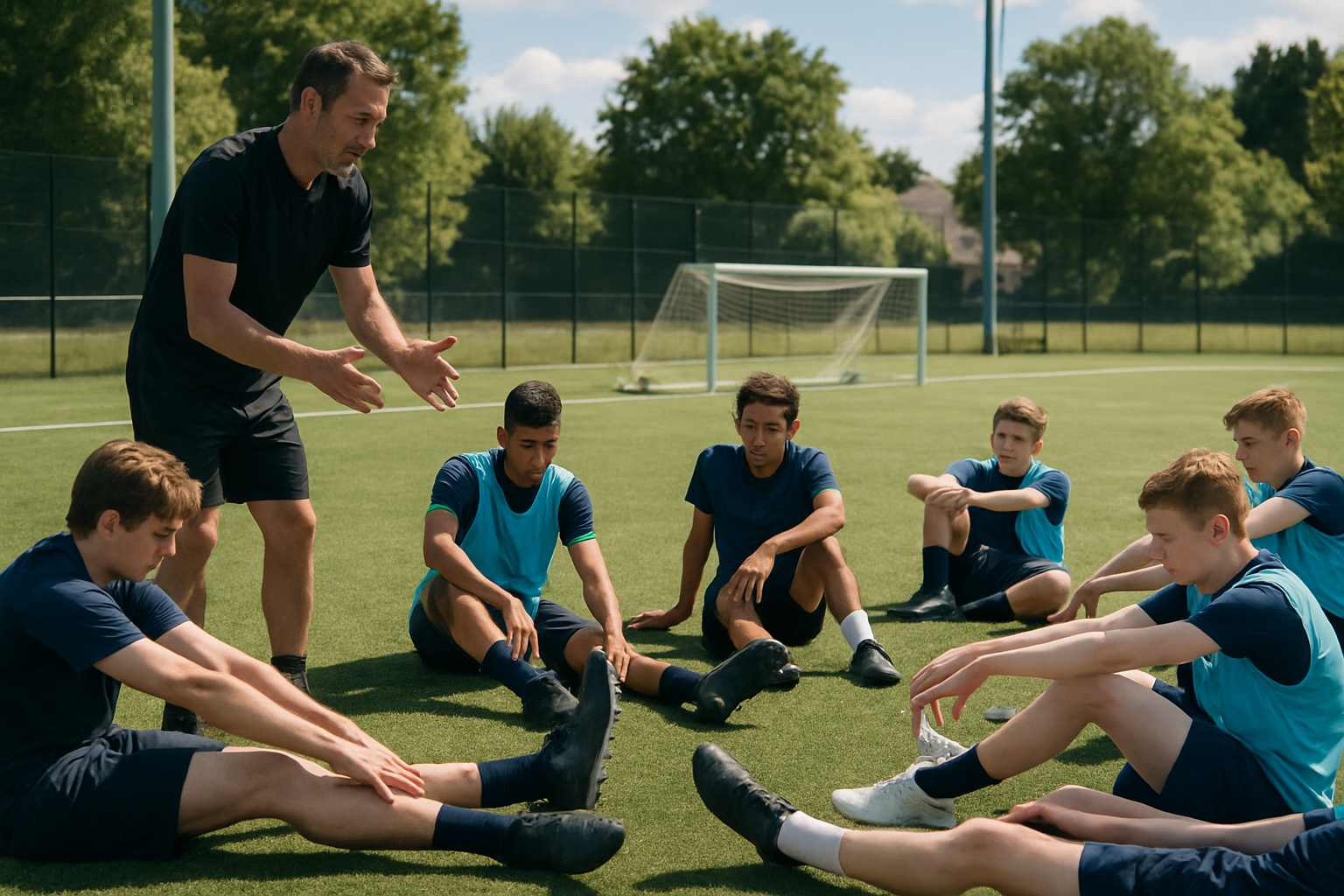
One frequent mistake is neglecting recovery strategies, which can worsen both physical fatigue and mental burnout. Players and coaches must ensure recovery sessions, proper sleep, and nutrition are prioritized as part of the weekly plan.
Another challenge is a rigid or excessive training schedule that doesn’t consider academic pressures. A lack of parental support or poor communication between football and school environments can also exacerbate stress for young athletes.
Maintaining Mental Health in Youth Sports
Mental health is fundamental to performance and enjoyment. Encouraging open conversations about stress or fatigue helps prevent burnout. Parents and coaches should watch for signs of anxiety or loss of motivation and provide the necessary support or professional help if needed.
Including relaxation techniques, mindfulness, and breaks within both school and training schedules helps players manage pressure with resilience and focus.
Nutrition and Recovery Strategies That Support Balance
Good nutrition fuels both study and training demands. Young football players benefit from balanced meals rich in carbohydrates, proteins, and hydration to maintain energy levels.
Effective recovery strategies such as stretching, rest days, and monitoring sleep routines help players avoid overtraining. Consistency in these areas supports ongoing development and reduces injury risk.
Conclusion
Balancing school and football training requires a clear plan, strong communication, and understanding from players, parents, and coaches. Adopting structured time management, prioritizing recovery, and maintaining mental health support sustainable progress without burnout. Grassroots clubs can enhance this balance by implementing flexible training schedules and integrating academic support. With these strategies, young athletes can develop both their skills on the pitch and their academic capabilities, setting a foundation for long-term success in sports and life.
What is balancing school and football training?
Balancing school and football training means managing time and energy so young athletes can meet their academic and sports commitments without excess stress.
How to improve time management for student footballers?
Creating structured weekly schedules that include fixed study and training times, with planned rest, helps student footballers manage their commitments effectively.
Why am I not improving in football while attending school?
Lack of proper recovery, inconsistent training schedules, or insufficient focus on time management can slow progress when balancing school and sports.
How to prevent burnout in young athletes balancing academics and sports?
Prevent burnout by prioritizing rest and recovery, maintaining open communication with coaches and parents, and adjusting training loads during busy school periods.
What are effective recovery strategies in football for students?
Effective recovery includes proper sleep, hydration, stretching, and rest days to ensure physical and mental refreshment for sustained performance.
How long does it take to balance football training and school effectively?
Finding a balance is an ongoing process that improves over weeks or months, requiring regular adjustments and strong support from coaches and parents.

Related Articles
 Read More about Best Football Apps for Players and Coaches in India: Enhancing Grassroots Development
Best Football Apps for Players and Coaches in India: Enhancing Grassroots Development
 Read More about Football Injury Prevention for Young Players: A Simple Guide
Football Injury Prevention for Young Players: A Simple Guide
 Read More about How Technology Is Changing Football Scouting in 2026
How Technology Is Changing Football Scouting in 2026
Latest Articles
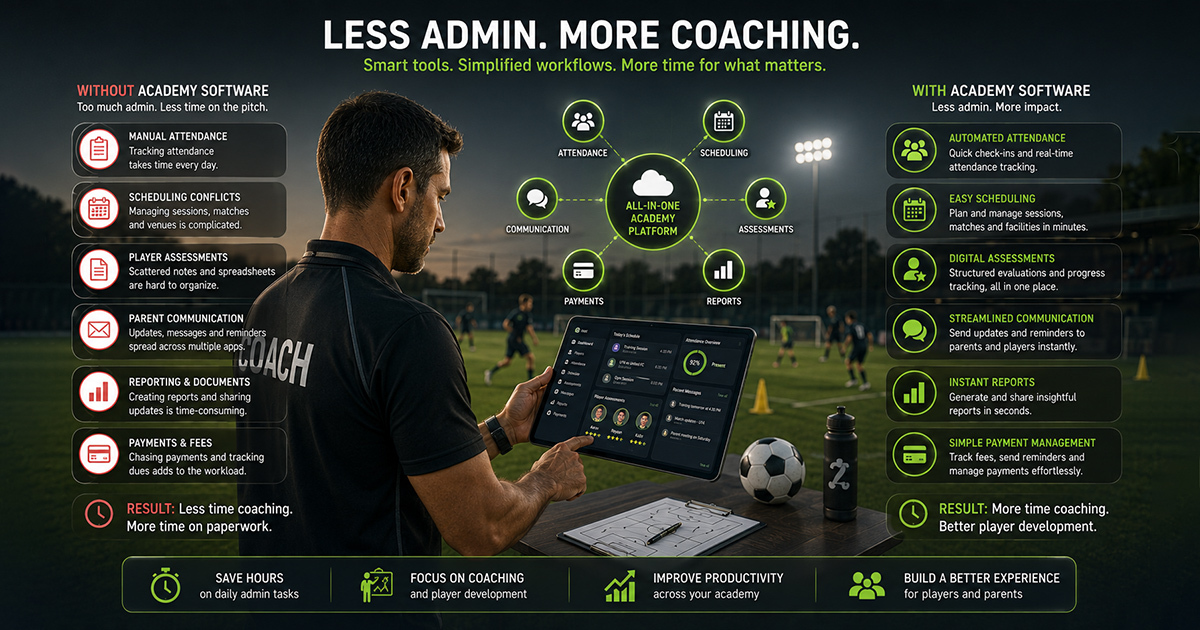 Read More about How Sports Academies Can Reduce Admin Work for Coaches
How Sports Academies Can Reduce Admin Work for Coaches
 Read More about How to Build Age-Wise Player Development Pathways in Football and Cricket
How to Build Age-Wise Player Development Pathways in Football and Cricket
 Read More about Tournament Management Software for Football and Cricket Organizers: A Practical Guide
Tournament Management Software for Football and Cricket Organizers: A Practical Guide
Ready to Bring Structure to Your Academy?
Let’s walk through your current setup and show you how 8lete can improve it.


