



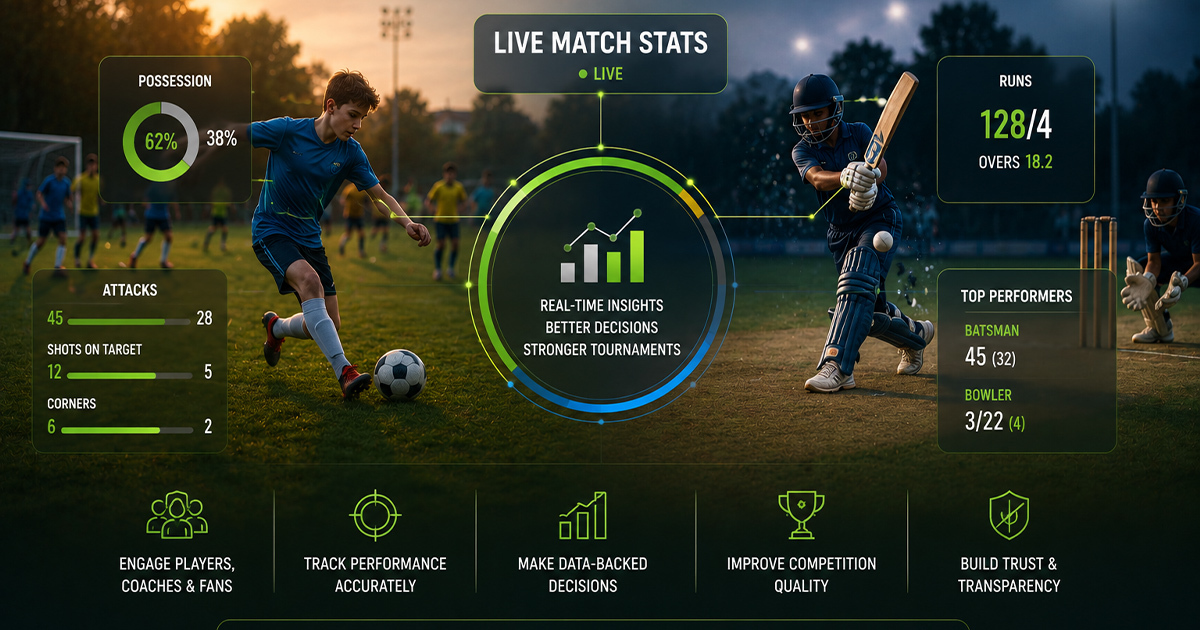
How Live Match Stats Improve Grassroots Football and Cricket Tournaments
Live match stats in grassroots football and cricket refer to the collection and analysis of real-time game data during tournaments to track player actions, team performance, and match events. This approach solves common issues faced by grassroots coaches, players, and academy owners such as limited feedback, subjective learning, and missed development opportunities. Understanding and implementing live match stats ensures better coaching decisions, structured player assessments, and meaningful player reports—all critical for long-term growth beyond just winning matches. This article explores practical frameworks, checklists, and role-specific guidance on how live match stats enhance grassroots tournaments, benefiting every stakeholder from players to club administrators.
What Are Live Match Stats and Why They Matter at Grassroots Level
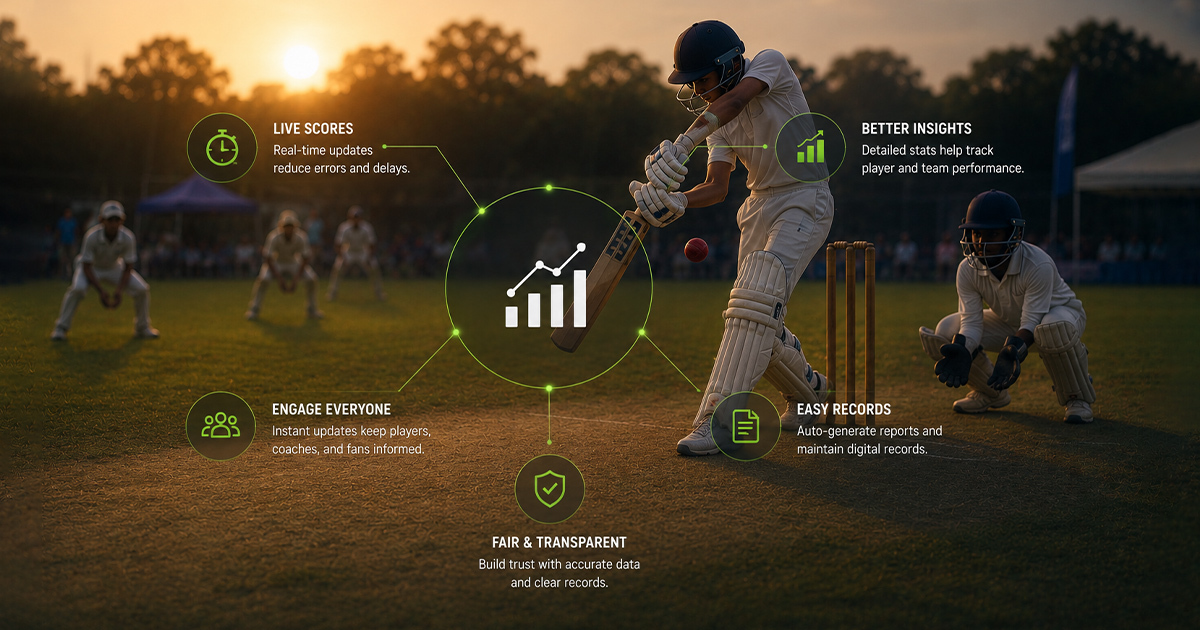
Live match stats are data points collected during a game, including passes completed, shots on goal, bowling accuracy, runs scored, and fielding effectiveness. In grassroots football and cricket, this data provides coaches and players with objective insights into real-time performance rather than relying solely on memory or subjective opinions.
The importance lies in creating structured feedback loops where players receive targeted advice based on actual match events, helping improve decision-making, consistency, and technical execution. It also supports academies with organized record-keeping and enhances scouting visibility for talented players.
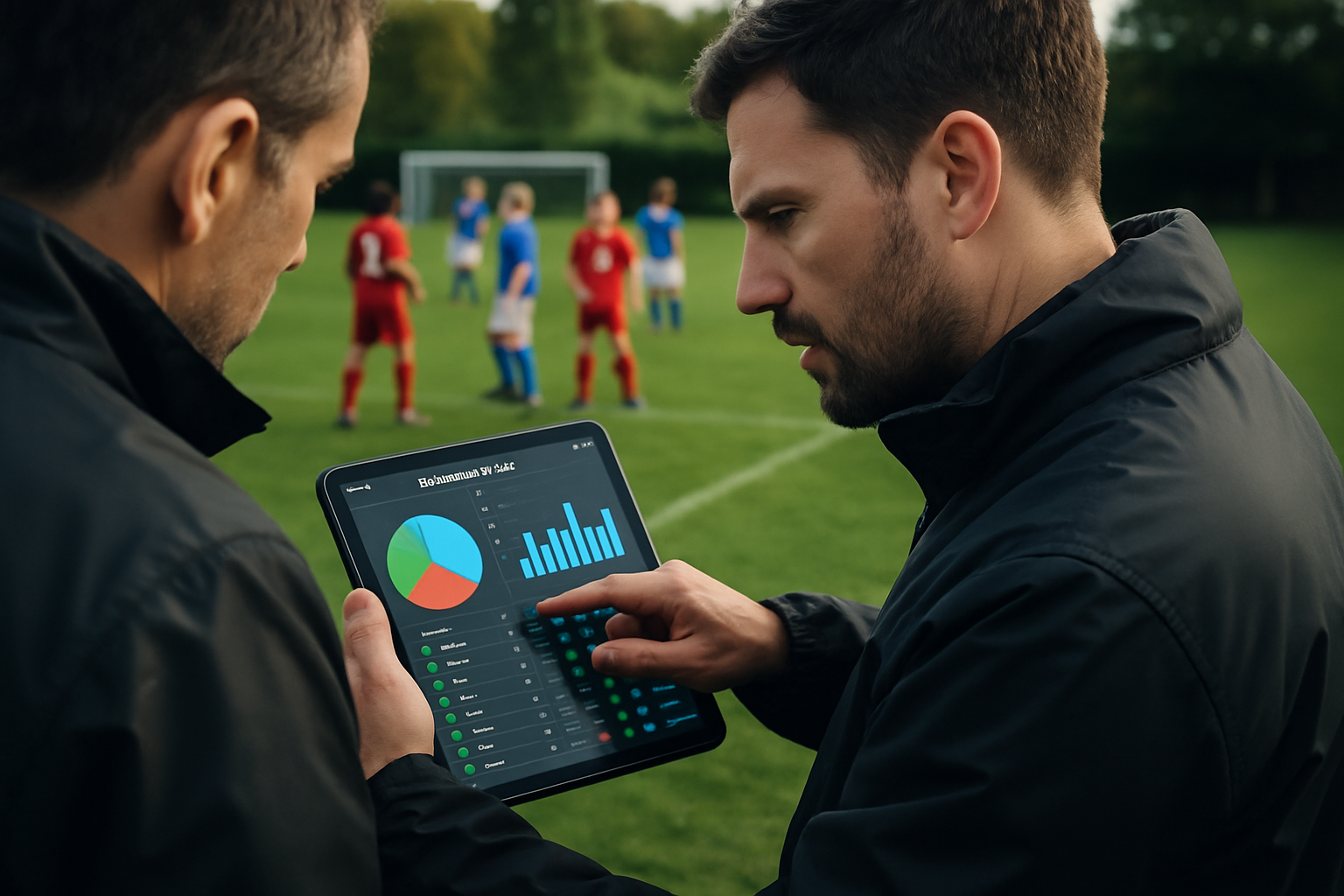
A Practical Framework for Using Live Match Stats in Grassroots Tournaments
Integrating live match stats effectively requires more than data collection. Here's a framework with six stages tailored for grassroots football and cricket tournaments:
1. Match Data Collection: Use affordable technology like tablets or mobile apps for real-time event tracking (passes, shots, runs, wickets).
2. Data Validation: Coaches or statisticians verify the data accuracy during or immediately after matches to avoid errors.
3. Performance Analysis: Translate raw stats into understandable performance indicators such as pass accuracy percentage or bowling consistency.
4. Coach Feedback Integration: Coaches use the stats to deliver specific, actionable feedback aligned with training objectives.
5. Player Awareness: Share match reports with players and parents to foster understanding and encourage self-improvement.
6. Long-Term Tracking: Maintain historic stats to identify trends, strengths, and areas needing focus over multiple tournaments.
This framework creates a cycle of continuous improvement based on objective data rather than assumptions or incomplete feedback.
Role-Wise Impact of Live Match Stats in Grassroots Tournaments
Players gain clearer benchmarks to understand which skills to work on, such as improving passing accuracy or strike rotation. For example, a young cricket batter can spot weaknesses in shot selection by reviewing detailed run rate data.
Coaches can use match analytics to tailor individual and team training. A football coach noticing low pressing success from live stats can focus sessions on recovery runs and positioning. This objectivity helps prioritize limited training time on impactful areas.
Parents receive transparent, data-backed reports explaining player progress, reducing confusion over subjective assessments. This builds trust and helps parents support realistic, development-focused expectations.
Academy owners and managers can track overall tournament quality and player development trends. They can identify coaches excelling in data-driven training or spot batch-level improvements. Efficient use of live match stats ties into attendance and player reports for a full operational view.
Age-Wise Implementation: Using Live Match Stats from U10 to U21
U10–U13: Focus on basic skill tracking like successful passes, shot attempts, or basic bowling control. Live stats help coaches reinforce fundamentals without overwhelming players.
U14–U17: Introduce tactical stats such as positional passing networks or run rates over overs. Players start understanding their role in team dynamics informed by data.
U18–U21: Use in-depth analytics like expected goals (football) or advanced bowling economy to fine-tune higher-level skills. Live match stats aid scouting readiness and professional pathway planning.
Practical checklist
Use this checklist to ensure your grassroots tournament maximizes the potential of live match stats:
- Are you equipped with tools to collect real-time match data efficiently?
- Is there a designated person or team verifying the accuracy of stats?
- Do coaches review stats post-match and prepare personalized feedback?
- Are player reports generated and shared with athletes and parents after games?
- Is match data preserved over time for longitudinal analysis?
- Does the feedback emphasize skill development over only raw stats?
- Are players encouraged to set goals based on live stats insights?
- Is parent communication clear, explaining what the stats mean practically?
- Have coaches been trained to interpret and use live stats for session planning?
- Is attendance tracked alongside match data to relate practice to performance?
Structured live stats transform guesswork into clear, data-driven development decisions for players and coaches alike.
Common mistakes
Mistake 1: Collecting stats without clear purpose. Many grassroots tournaments gather raw data but do not analyze or use it effectively. Fix this by establishing what key insights are needed from the start.
Mistake 2: Overwhelming players with complex metrics. Using too many advanced stats can confuse young players and parents. Provide simplified summaries with clear action points.
Mistake 3: Ignoring data validation. Incorrect live stats damage trust and coaching efforts. Always double-check during or immediately after matches for accuracy.
Mistake 4: Not linking stats to training plans. Data should inform session design and player goals. Coaches must connect numbers to drills and feedback.
Mistake 5: Failing to communicate stats clearly to parents. Parents may misunderstand raw data. Use structured reports with explanations to foster realistic support.
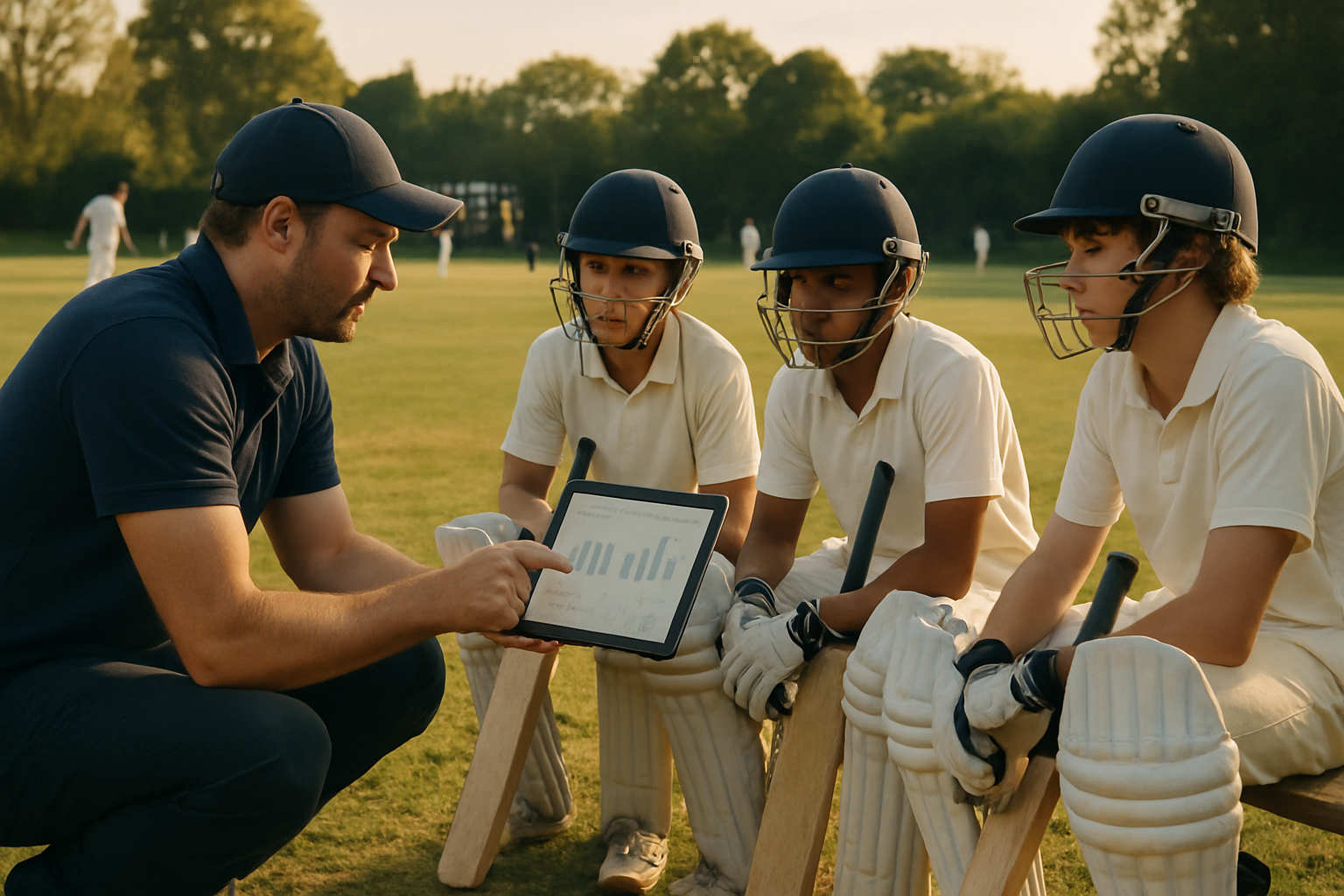
Grassroots Examples of Live Match Stats Impact
1. A grassroots football club used real-time passing accuracy and positional heatmaps during tournaments. Coaches identified midfielders struggling with ball retention and designed targeted ball control drills after matches, improving passing effectiveness by tournament end.
2. In a cricket academy tournament, live bowling stats showed certain bowlers losing consistency after 6 overs. Coaches scheduled recovery and rhythm-focused practice sessions for those players, resulting in better control and fewer extras in following games.
3. A cricket tournament manager used live stats dashboards to track fielding errors and run-outs. Sharing these stats with players motivated them to focus on fielding drills, enhancing overall team performance and reducing preventable runs.
An 8lete-Aligned Workflow for Using Live Match Stats in Your Tournament
An effective workflow integrating live stats with grassroots tournaments can be:
Session → Attendance → Live Match Data Capture → Coach Assessment → Player Report Generation → Parent Communication → Next Training Goals
This ensures sessions focus on development, attendance discipline is tracked, live stats provide objective data, coaches deliver informed assessments, parents receive clear progress reports, and players have actionable goals aligned with their tournament performance.
Frequently Asked Questions
What are live match stats in grassroots football and cricket?
Live match stats are real-time data collected during games, tracking actions like passes, shots, runs, and wickets. They help coaches and players analyze performance objectively, improving feedback and development.
How can coaches improve player development using live match statistics?
Coaches review live stats to identify strengths and weaknesses during matches. They then tailor training sessions focused on those aspects, such as passing accuracy or bowling control, making development more effective and focused.
Why do grassroots tournaments struggle without real-time match data?
Without real-time data, feedback depends on memory and subjective views, which can miss critical performance gaps. This leads to inconsistent coaching, slow player progress, and missed development opportunities.
How to manage live match stats collection effectively in youth tournaments?
Use simple technology like mobile apps and assign trained personnel to capture and validate data immediately. Keep metrics relevant to the age group to avoid overwhelming players and ensure reports are clear.
What is the best age to start using live match stats for player development?
Live match stats can start at U10 with basic metrics like pass completion and runs scored. As players mature, more tactical and detailed statistics can be introduced to deepen understanding and development.
How long does it take to see development results from using live statistics in tournaments?
Consistent use of live match stats integrated with training feedback can show measurable player improvement within a few tournaments, usually 3–6 months, depending on training quality and discipline.

Related Articles
 Read More about Future of Football Development in India: What the Next 5 Years Will Look Like
Future of Football Development in India: What the Next 5 Years Will Look Like
 Read More about AI and Data Analytics in Grassroots Football: What Academies Need to Know
AI and Data Analytics in Grassroots Football: What Academies Need to Know
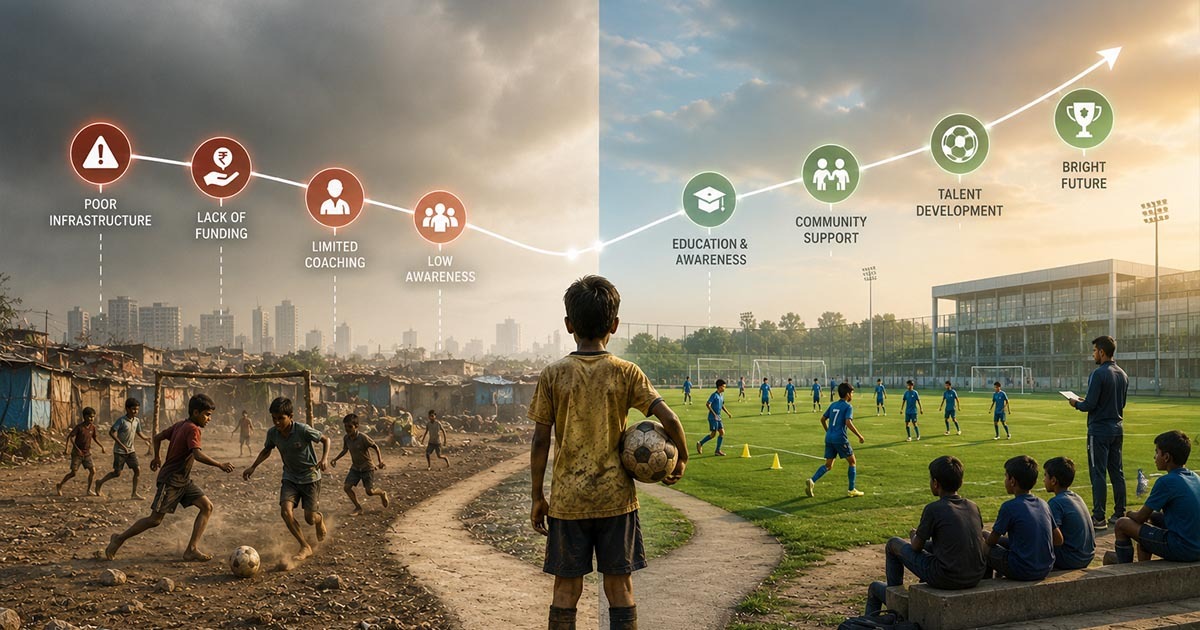 Read More about Grassroots Football Challenges in India: Understanding the Biggest Barriers and Opportunities
Grassroots Football Challenges in India: Understanding the Biggest Barriers and Opportunities
Latest Articles
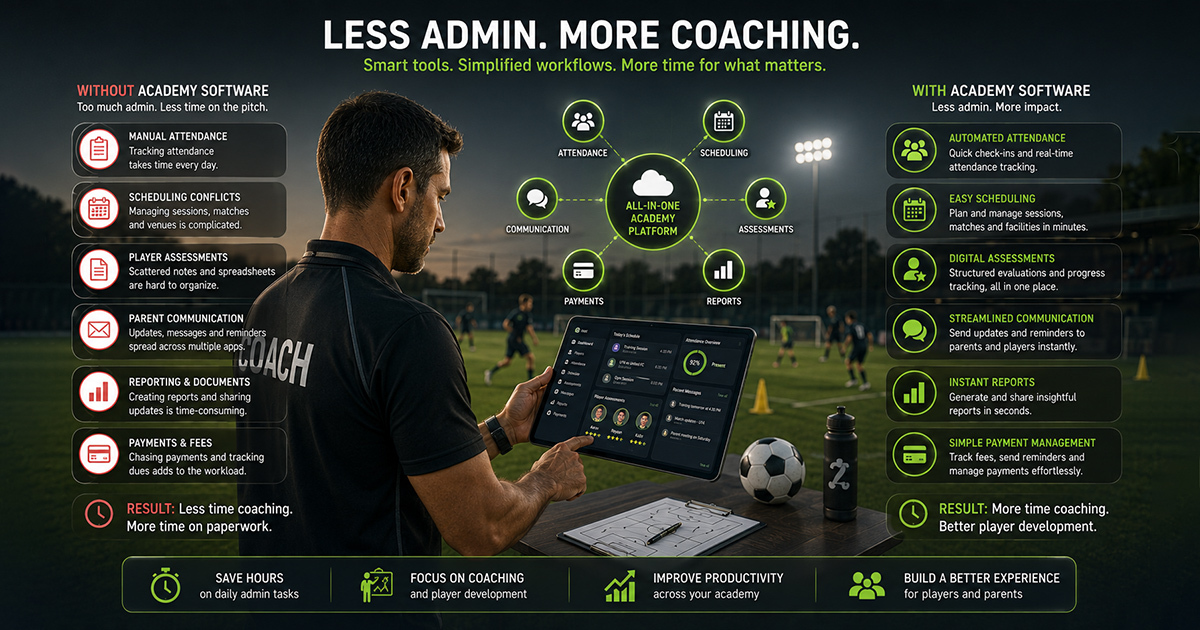 Read More about How Sports Academies Can Reduce Admin Work for Coaches
How Sports Academies Can Reduce Admin Work for Coaches
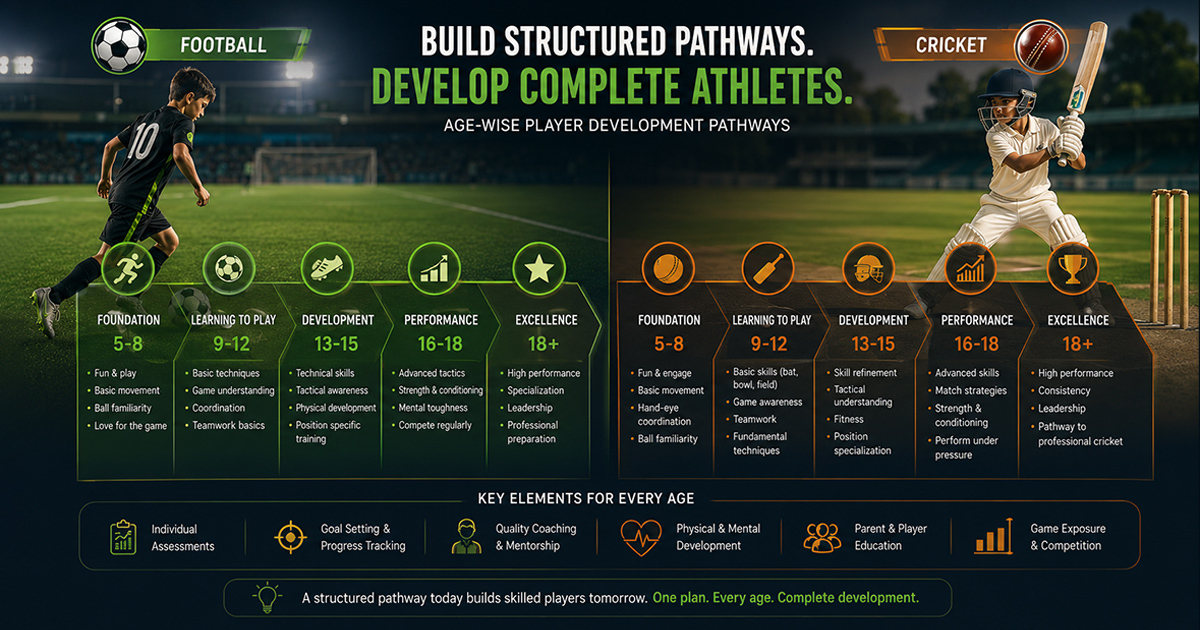 Read More about How to Build Age-Wise Player Development Pathways in Football and Cricket
How to Build Age-Wise Player Development Pathways in Football and Cricket
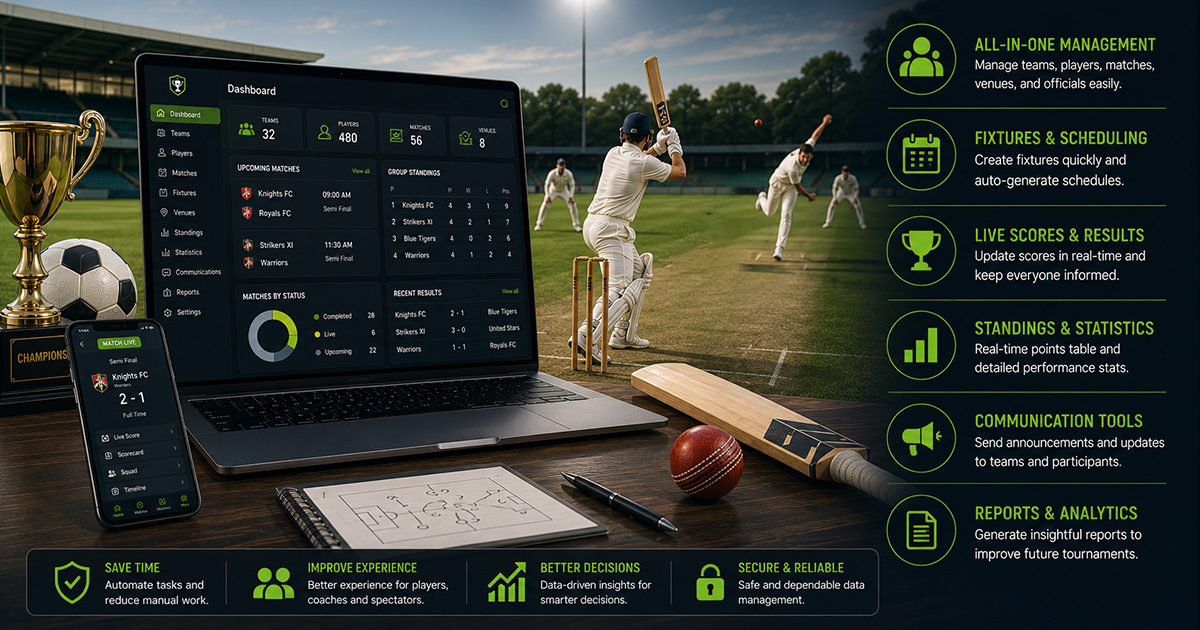 Read More about Tournament Management Software for Football and Cricket Organizers: A Practical Guide
Tournament Management Software for Football and Cricket Organizers: A Practical Guide
Ready to Bring Structure to Your Academy?
Let’s walk through your current setup and show you how 8lete can improve it.


