



How Digital Scorekeeping Can Improve Grassroots Cricket Tournaments
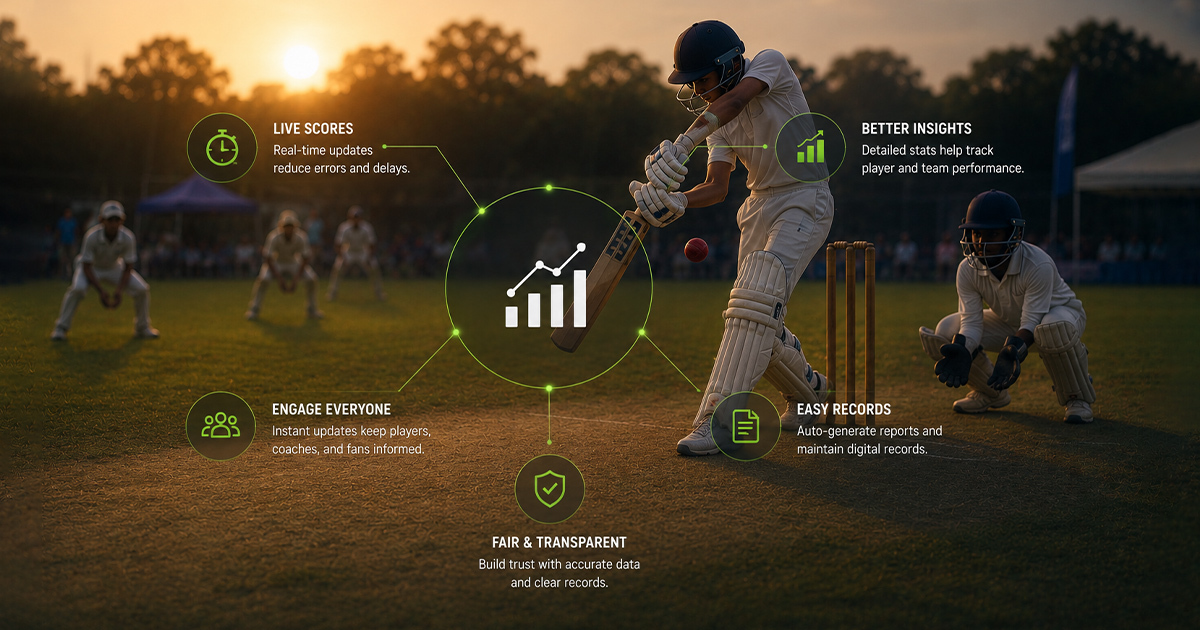
Digital scorekeeping in grassroots cricket refers to the use of technology to record and manage match scores and statistics in real time, replacing manual scoring methods. For grassroots academies and tournament organizers, inaccurate or delayed scoring is a persistent problem that affects player assessments, match analysis, and overall tournament flow. Implementing digital scorekeeping improves match accuracy, speeds up results processing, and supports structured tournament operations—an essential step in modernizing grassroots cricket. This article guides academies and coaches on practical ways to leverage digital scoring for better tournament management and long-term player development.
What Is Digital Scorekeeping in Grassroots Cricket?
Digital scorekeeping in grassroots cricket involves electronic tools and apps that track runs, wickets, overs, player stats, and match events in real time. Unlike manual scorebooks, digital systems instantly update data accessible on phones, tablets, or computers to coaches, parents, and scorers.
This technology ensures more accurate records, reduces human error, and enables detailed post-match performance analysis. For grassroots cricket tournaments, it supports smooth operations from match scheduling and results tracking to scouting and player progress reports.
A Practical Framework for Implementing Digital Scorekeeping
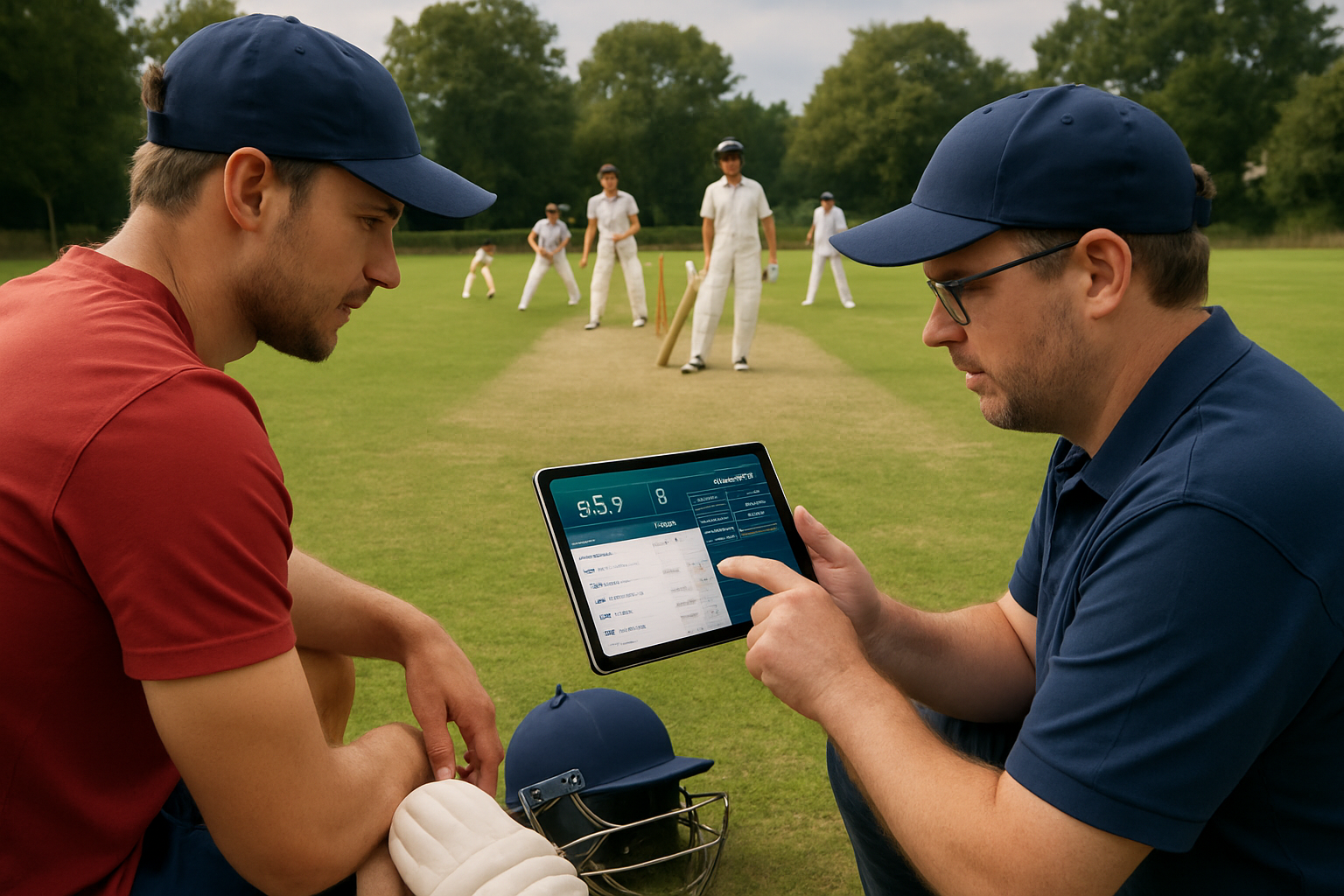
Implementing digital scorekeeping can be structured through the following practical steps:
- Selection of Suitable Software: Choose user-friendly cricket scoring apps designed for grassroots matches with live updates and player stat tracking features.
- Training Scorers and Coaches: Train designated scorers in using digital devices and ensure coaches understand how to access and interpret match data.
- Device Allocation and Setup: Assign tablets or smartphones for official scoring at each ground with checklist-driven setup before matches.
- Real-Time Data Entry: Ensure scorers update every ball, run, wicket, and extras promptly to maintain accurate live match data.
- Integration with Tournament Management: Link score data with broader systems for match scheduling, leaderboards, and player performance reports.
- Parent and Player Accessibility: Provide controlled access to match stats so parents and players receive real-time updates, enhancing transparency and engagement.
- Post-Match Review: Use collected data for coaches’ match analysis sessions and for scouting readiness.
Each step includes realistic training, communication, and consistent habits to ensure smooth digital scorekeeping adoption.
Role-Wise Benefits and Responsibilities
Players: Gain transparent and accurate performance records for self-assessment and motivation without pending manual errors.
Coaches: Rely on precise match data to review player skills, team dynamics, and to plan targeted training interventions based on reliable analytics.
Parents: Receive timely and accurate match updates, reducing guesswork about their child’s participation and performance, increasing trust in academy operations.
Academy Owners and Organizers: Use digital scorekeeping data to streamline tournament management, enable live score broadcasting, and maintain official archives for accountability and future planning.
Age-Wise Implementation for Grassroots Cricket
U10–U12: Introduce basic digital scoring during friendly matches, focusing on simple data like runs and wickets to acclimate scorers and players.
U13–U15: Expand to full digital scoring in academy tournaments, including extras and over tracking, training scorers thoroughly for realtime updates.
U16–U19 and U21: Implement advanced analytics including strike rates, bowling economy, and fielding contributions available immediately for coaches and scouts to evaluate.
This gradual stage-wise adoption builds comfort and accuracy progressively, avoiding technology overwhelm while embedding benefits deeply.
“Consistent digital scoring transforms cricket matches into structured learning and transparent progress for players and coaches.
Consistent digital scoring transforms cricket matches into structured learning and transparent progress for players and coaches.
Practical checklist
Use this checklist to ensure effective digital scorekeeping implementation during grassroots cricket tournaments:
- Have official scorers trained in the selected digital scoring app before the tournament.
- Verify all scoring devices are fully charged and have required software installed.
- Confirm scorer responsibilities and rotation are clearly communicated among staff.
- Ensure match setup screens in the app reflect accurate team and player details.
- Test live scoring features and data sharing permissions with parents and coaches prior to matches.
- Implement a backup manual scoring process in case of technical glitches.
- Collect and review score data immediately after matches for accuracy and feedback.
- Use post-match digital reports for coach review and player performance discussions.
- Communicate with parents regularly about accessing live score updates and match summaries.
- Analyze tournament data collectively to identify areas for scoring improvements and system tweaks.
Common mistakes
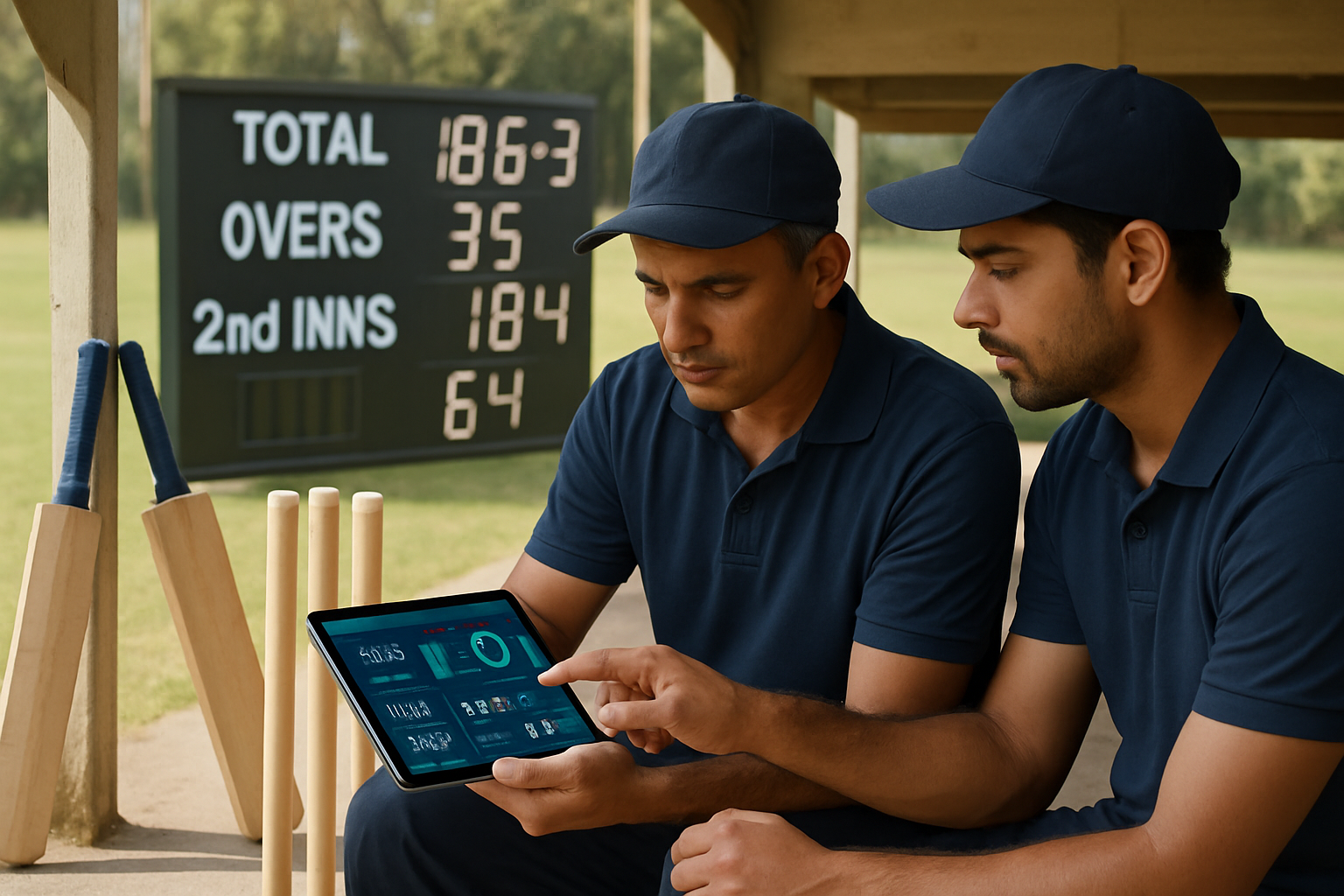
1. Inadequate scorer training: Without thorough training, scorers can miss critical match events or mis-record data. Fix: Schedule dedicated hands-on app tutorials and mock match scoring sessions before official games.
2. Relying solely on one device: Technical failure risks losing live data during matches. Fix: Use multiple devices or maintain a synchronized backup manual scorebook to cross-verify scores.
3. Poor communication with parents and coaches: Not sharing live or post-match data reduces trust and engagement. Fix: Set up simple communication channels with clear instructions on accessing digital reports and score updates.
4. Overcomplicating the scoring process: Trying to track too many metrics during matches can overwhelm scorers. Fix: Focus on essential match data first and add advanced stats after the staff gains confidence.
5. Ignoring data review and feedback: Collecting data but not using it for coaching or tournament improvement wastes the system’s potential. Fix: Schedule regular reviews of scoring data with coaches and organizers for continuous refining.
6. Inefficient device management: Devices running out of battery or missing updates cause disruptions. Fix: Set a checklist to ensure all devices are fully charged and updated before matches.
An 8lete-Aligned Workflow for Grassroots Cricket Tournaments
A practical digital scorekeeping workflow integrates with broader academy operations as follows: Session scheduling → Attendance recording → Digital scorekeeping during matches → Coach note-taking based on live stats → Automated player performance reports → Parent communication with match summaries → Next training goal-setting based on data. This connected approach ensures attendance discipline, structured feedback, and player visibility through transparent, tracked match metrics.
For instance, in a local tournament, official scorers used app-driven score entry while coaches reviewed player strike rates and bowling economy immediately after games. Parents received live notifications, enhancing trust in academy management and inspiring players to focus on consistent progress knowing their performances were recorded accurately.
Grassroots Examples of Digital Scorekeeping Impact
First, a mid-sized academy hosting weekend tournaments improved scoreboard accuracy by switching from paper to a digital app, reducing disputes about scores and overs.
Second, a coaching staff used ball-by-ball digital data to identify young bowlers' inconsistent line and length, tailoring net sessions precisely to correct it.
Third, a tournament organizer leveraged digital scoring to automate team standings, easing fixture planning and ensuring fair play recognition, eliminating delayed manual result compilation.
What is digital scorekeeping in grassroots cricket?
Digital scorekeeping uses apps or software to record cricket match statistics like runs, wickets, and overs in real time, replacing manual scorebooks for greater accuracy and faster data sharing.
How can cricket academies train scorers to use digital scorekeeping effectively?
Academies should conduct hands-on training sessions covering app navigation, real-time data entry, and troubleshooting. Practice during net sessions or friendly matches before official use helps build confidence and reduces errors.
How does digital scorekeeping improve cricket tournament management?
It automates score tracking and results updating, accelerates match turnaround, reduces disputes, supports live leaderboards, and helps organizers plan fixtures and awards efficiently with reliable data.
Why are parents more engaged with digital scorekeeping during grassroots tournaments?
Live access to match scores and player stats through apps or notifications keeps parents informed and involved, building trust in the academy’s transparency and enhancing their support for the player’s development.
What challenges might grassroots cricket tournaments face when adopting digital scoring?
Challenges include scorer training gaps, device technical issues, connectivity problems, and resistance to changing from manual methods. These can be mitigated with preparation, backups, and gradual implementation.
How long does it take to fully integrate digital scorekeeping in a grassroots cricket setup?
Integration typically takes several weeks of training, trial runs, and process adjustments to ensure scorers and staff are comfortable, with gradual scale-up from junior to older age groups over months.

Related Articles
 Read More about Football Club Management Software vs Sports Academy Management Software: A Practical Guide
Football Club Management Software vs Sports Academy Management Software: A Practical Guide
 Read More about Coach Management Software for Sports Academies: Streamlining Football and Cricket Coaching Operations
Coach Management Software for Sports Academies: Streamlining Football and Cricket Coaching Operations
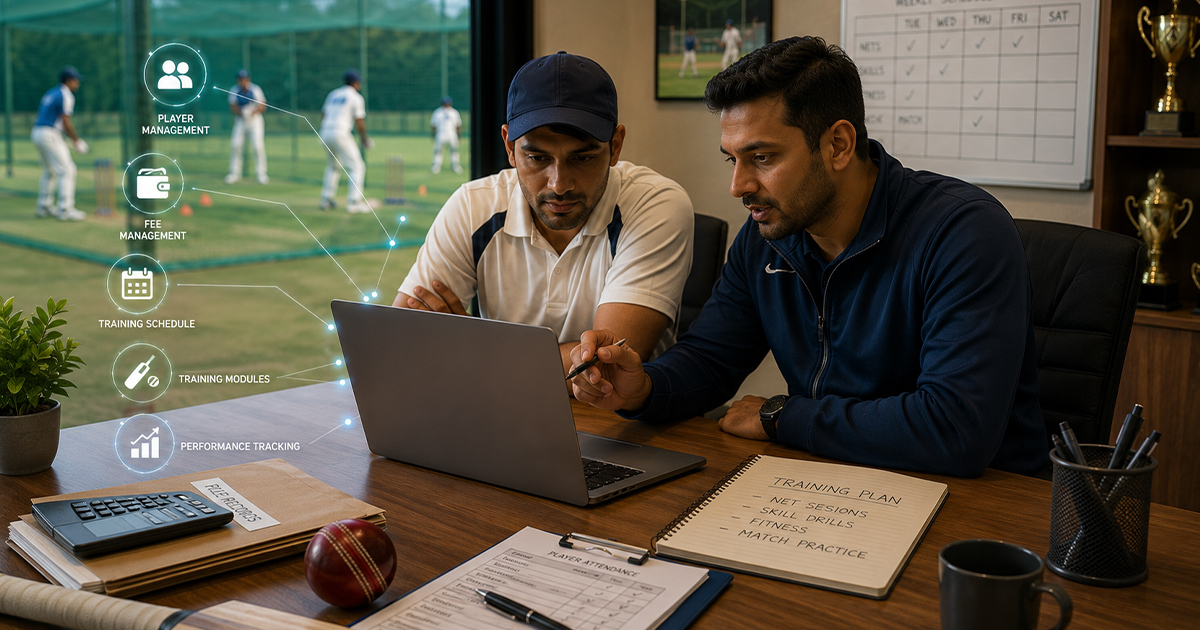 Read More about Cricket Academy Management Software: How to Manage Players, Fees, and Training Effectively
Cricket Academy Management Software: How to Manage Players, Fees, and Training Effectively
Latest Articles
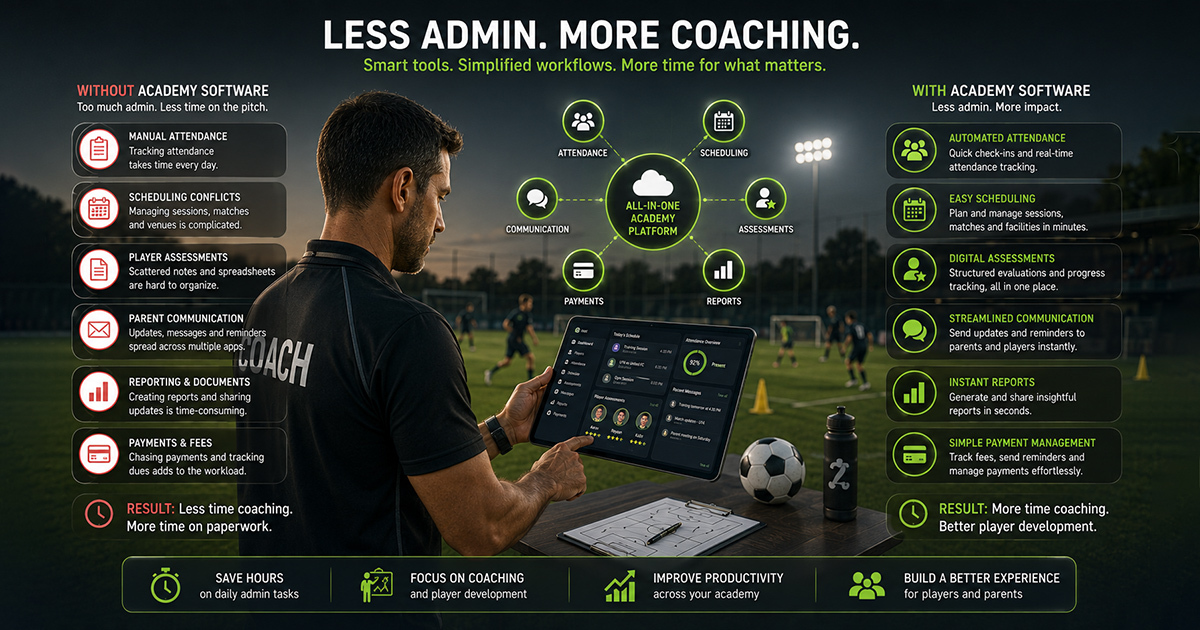 Read More about How Sports Academies Can Reduce Admin Work for Coaches
How Sports Academies Can Reduce Admin Work for Coaches
 Read More about How to Build Age-Wise Player Development Pathways in Football and Cricket
How to Build Age-Wise Player Development Pathways in Football and Cricket
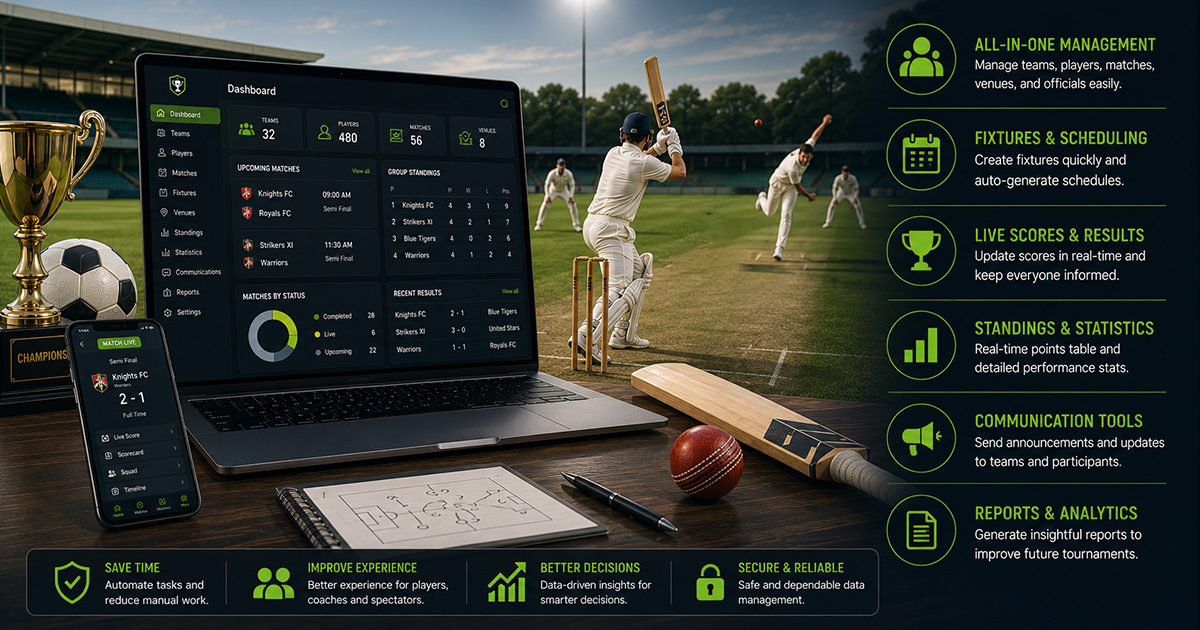 Read More about Tournament Management Software for Football and Cricket Organizers: A Practical Guide
Tournament Management Software for Football and Cricket Organizers: A Practical Guide
Ready to Bring Structure to Your Academy?
Let’s walk through your current setup and show you how 8lete can improve it.


