




Future of Football Development in India: What the Next 5 Years Will Look Like
The future of football development in India is an evolving topic attracting attention from academies, coaches, parents, and young players alike. Many wonder how grassroots football will progress in the next five years, especially given India’s growing football popularity alongside challenges like limited infrastructure and uneven coaching quality. This article sheds light on key trends shaping Indian grassroots football, and what practical developments we can expect that serve long-term player growth.
What is the current state of grassroots football in India?
Grassroots football in India refers to the organized football activities at youth and amateur levels, especially those focusing on skill development and player fundamentals before professional pathways. Efforts include local academy programs, school competitions, and community coaching camps.
Currently, Indian grassroots football presents a mixed picture: while participation numbers are rising, structured development systems vary widely from region to region. Coaching practices and infrastructure remain inconsistent, limiting reliable progression pathways for talented youth.
Key Indian grassroots football trends influencing the future
Several trends are driving change in Indian youth football. These include the rapid growth of football academies tailored to development, integration of technology for performance tracking, and increasing engagement from private clubs and international partnerships. Parents and coaches also show growing commitment to long-term training and disciplined player habits.
Furthermore, the increased visibility of Indian football on global platforms is inspiring young players and attracting investment. These trends collectively build a foundation for improving player development pathways and raising coaching standards over the next five years.

How to improve youth football development in India effectively
Improving youth football demands a structured approach combining quality coaching, infrastructure, and player monitoring. Clubs and academies should adopt progressive training systems focused on skill repetition, decision-making, and mental resilience rather than early results.
Coaches benefit from continuous education about modern training techniques and use of technology to assess player performance reliably. Meanwhile, parents play a crucial role by supporting consistent attendance, recovery habits, and encouraging mindset growth, understanding development takes time.
Understanding the football coaching evolution in India
The evolution of football coaching in India shows a shift from informal training to organized, methodical programs. Coaches increasingly focus on development-first principles, emphasizing player-centered learning rather than rigid tactics.
Innovations like video analysis, individualized feedback, and AI-driven assessments are beginning to influence coaching methodologies, especially in better-funded academies. This evolution improves the quality and consistency of training delivered to young players.
Reliable player tracking and disciplined training routines unlock real growth in young footballers.
Practical implementation for grassroots clubs
Grassroots clubs should focus on creating clear player development pathways grounded in structured training environments. This means establishing consistent training schedules, incorporating multidisciplinary recovery practices, and using performance tracking to tailor individual growth.
Leveraging technology for football performance analysis and adopting organized academy workflows can streamline talent identification and enhance long-term player visibility. Involving parents in this structured environment strengthens the support system around the player.
Common development mistakes holding Indian football back
A frequent mistake is prioritizing short-term match results over long-term player growth. This can lead to neglecting fundamental skills, mental development, and physical conditioning. Uneven coaching qualifications and inconsistent training intensity also disrupt progression.
Overlooking recovery and player wellness, and ignoring structured feedback mechanisms weaken development pathways. Addressing these errors requires a collective commitment to patience, education, and implementing proven development frameworks.
Future football infrastructure in India: What to expect
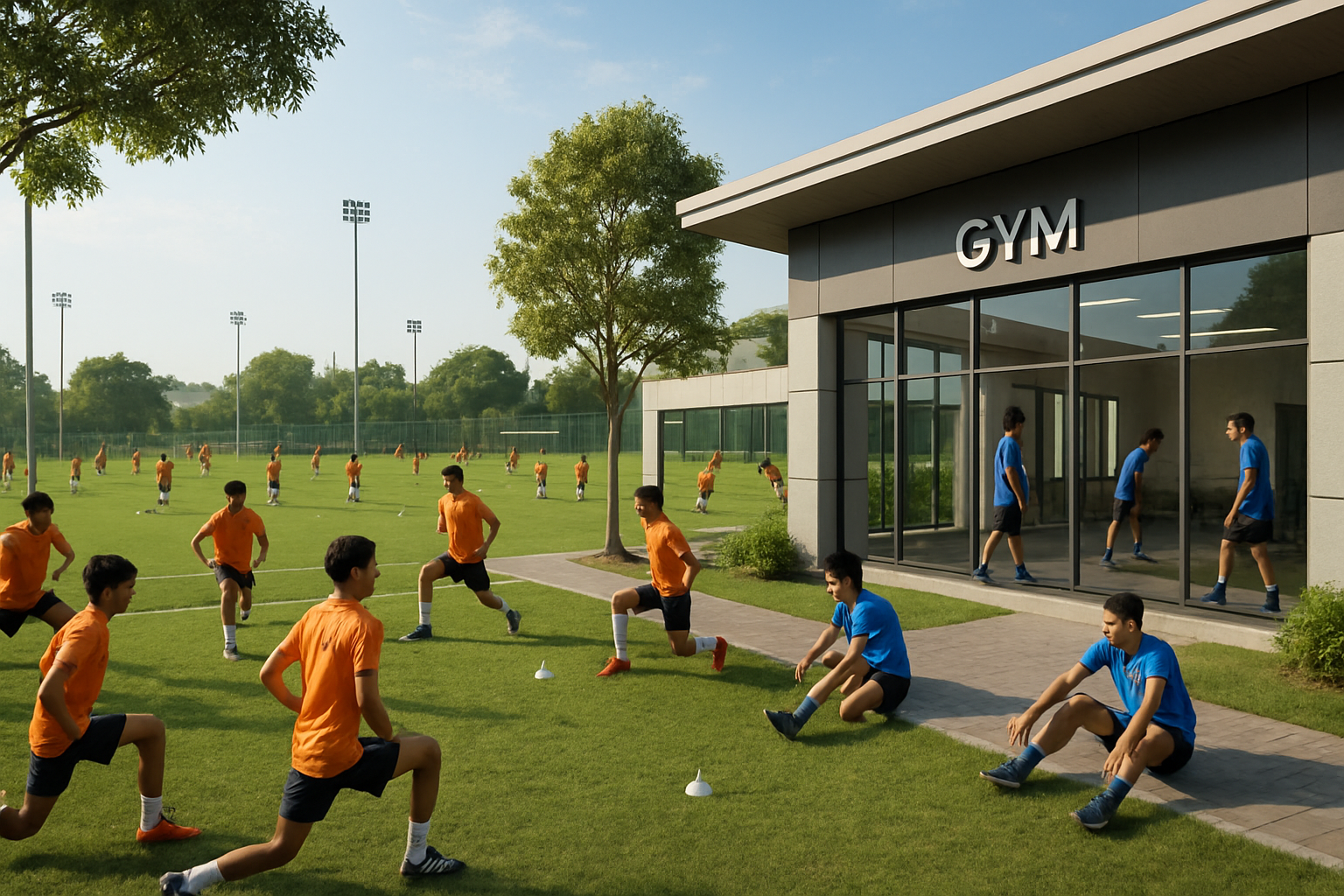
Investment in football facilities is gradually increasing, with dedicated training centers being developed by private clubs and local associations. Over the next five years, expect improved pitch quality, specialized gyms, and medical support tailored for youth players.
Enhanced infrastructure supports safe, year-round training and aids in professionalizing academy environments. This infrastructure growth is crucial for meeting the physical and technical demands of modern football development in India.
Conclusion
The future of football development in India rests on continued evolution in grassroots training, infrastructure, coaching, and technology adoption. Success will depend on unified efforts from academies, coaches, parents, and governing bodies to prioritize structured, long-term player development over immediate results. Embracing disciplined training habits, modern coaching methodologies, and effective player tracking will shape more confident, skilled footballers prepared for higher levels. This measured progress promises a sustainable rise in Indian football quality and popularity, fostering a healthier ecosystem for young players to thrive.
What is grassroots football development in India?
It refers to organized football activities focused on youth skill growth and foundations before professional levels.
How to improve football skills for young players in India?
Consistent training emphasizing fundamentals, decision-making, and mental growth, supported by quality coaching, is key.
Why do some young players struggle to improve in India?
Inconsistent coaching, lack of structured training, and insufficient recovery practices often hinder steady progress.
How to train youth footballers effectively at grassroots level?
Use structured training systems focusing on repetition, feedback, and tailored progression paths suited to player needs.
Best age to start formal football training in India?
Around 8-10 years old is ideal for starting structured training, allowing gradual skill and physical development.
How long does it take to see progress in youth football development?
Meaningful improvement often takes several years of consistent, disciplined training and proper guidance.


Related Articles
 Read More about AI and Data Analytics in Grassroots Football: What Academies Need to Know
AI and Data Analytics in Grassroots Football: What Academies Need to Know
 Read More about Grassroots Football Challenges in India: Understanding the Biggest Barriers and Opportunities
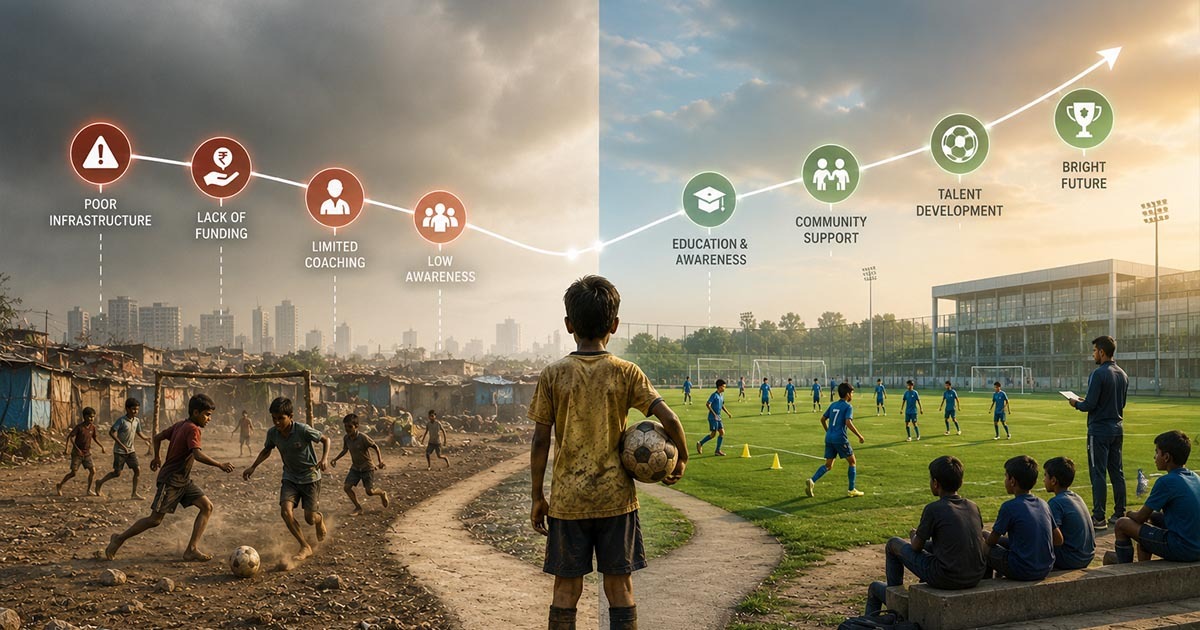
Grassroots Football Challenges in India: Understanding the Biggest Barriers and Opportunities
.jpg) Read More about Challenges for Talented Football Players in India: Understanding the System Problem
Read More about Challenges for Talented Football Players in India: Understanding the System ProblemChallenges for Talented Football Players in India: Understanding the System Problem
Latest Articles
 Read More about How Sports Academies Can Reduce Admin Work for Coaches
How Sports Academies Can Reduce Admin Work for Coaches
 Read More about How to Build Age-Wise Player Development Pathways in Football and Cricket
How to Build Age-Wise Player Development Pathways in Football and Cricket
 Read More about Tournament Management Software for Football and Cricket Organizers: A Practical Guide
Tournament Management Software for Football and Cricket Organizers: A Practical Guide
Ready to Bring Structure to Your Academy?
Let’s walk through your current setup and show you how 8lete can improve it.


