



Grassroots Football Challenges in India: Understanding the Biggest Barriers and Opportunities
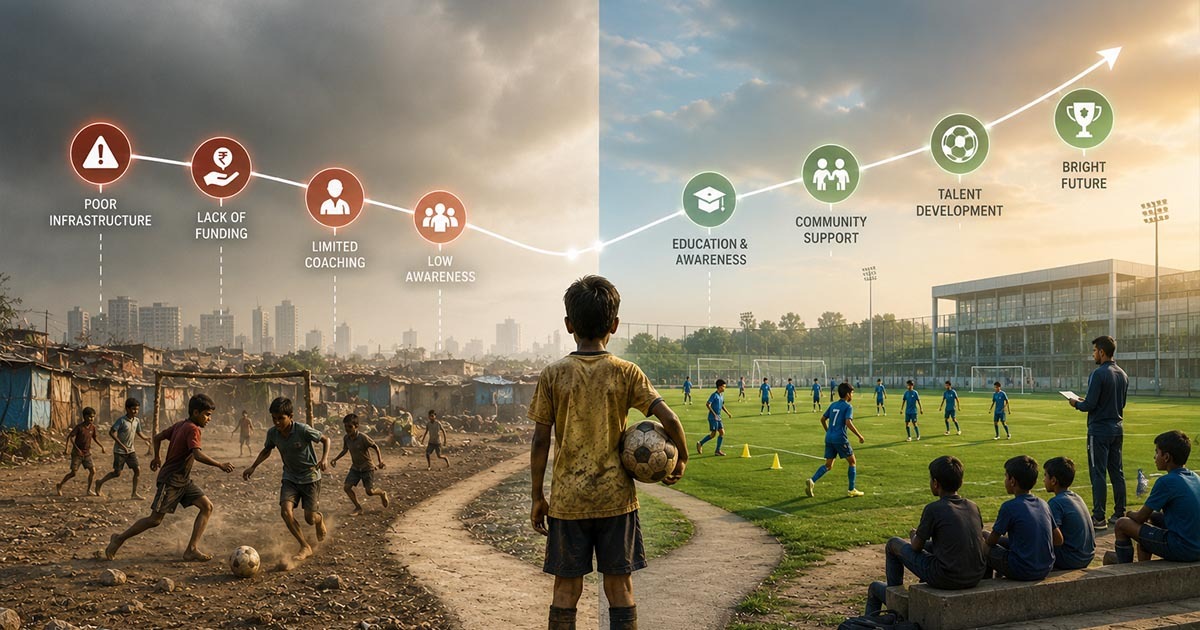
Grassroots football challenges in India remain a critical concern for football academies, coaches, players, and parents striving to develop the sport from the ground up. Many young players face obstacles such as limited infrastructure, inconsistent coaching standards, and lack of clear player development pathways. Understanding these challenges and uncovering tangible opportunities is essential to building a sustainable football ecosystem where talent can flourish through structured training and supportive environments.
What Are the Main Grassroots Football Challenges in India?
Grassroots football challenges in India revolve largely around infrastructure gaps, coaching quality, and inconsistent development models across regions. Most academies and clubs struggle with access to standard playing fields, reliable training equipment, and safe environments conducive to consistent practice. This limits players’ ability to develop essential football skills in a structured way.
Moreover, many coaches lack formal training in youth development, which can result in short-term focus on match outcomes rather than long-term player progression. Without consistent football coaching that emphasizes decision-making, discipline, and technique, young players miss the foundation needed for growth. These challenges interconnect and affect both the quantity and quality of football development opportunities available for youth across India.
Why Players Struggle Without Clear Player Development Pathways India Offers
A significant issue contributing to grassroots football challenges in India is the absence of well-defined player development pathways. Many young players and their families are unsure how to progress from local academies to competitive clubs or state and national levels, leading to dropouts or stagnation.
Structured programs that integrate training, regular feedback, match exposure, and recovery are necessary to help players improve in skill, physical conditioning, and mental resilience. Without visibility into these steps and support systems such as parental guidance and coaching mentorship, players often struggle to navigate the complexities of football development.

Common Development Mistakes Holding Back Indian Youth Football
One common mistake in Indian grassroots football is overemphasizing early competition results at the expense of foundational skill-building. While winning is motivational, a development-first approach demands patience with repetitive training drills that reinforce technique, tactical awareness, and physical conditioning over time.
Another obstacle is underestimating the role of parental support in youth football. Parents unaware of the long-term nature of skill development may push for immediate success, which adds pressure on young players and can cause burnout. Educating parents on realistic expectations and the structured progression systems can help create a healthier environment for player growth.
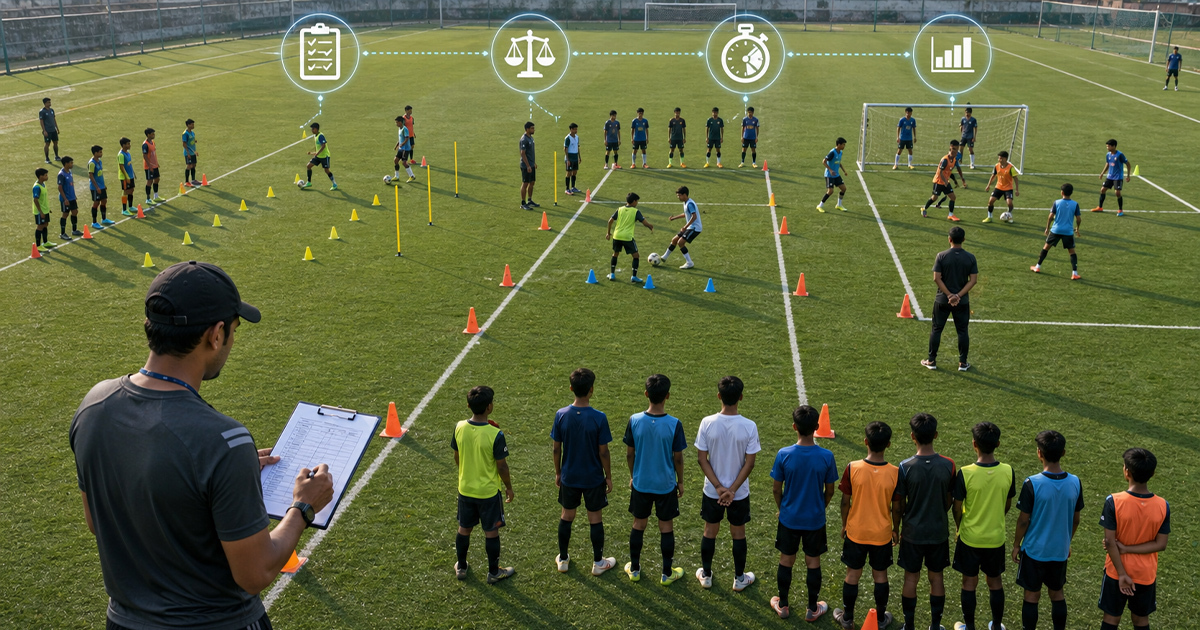
Effective player development relies on consistent feedback, structured training, and supportive environments.
Practical Implementation for Grassroots Clubs in India
Grassroots clubs and academies should focus on building consistent training frameworks that prioritize player development tracking and structured feedback. This includes designing age-appropriate drills, focusing on gradual skill progression, and fostering decision-making through game-like practices rather than isolating skills.
Clubs can also benefit from incorporating digital tools for performance analysis to support coaches in personalizing training and monitoring progress. Facilitating parental workshops to better communicate player development objectives reinforces the support system essential for young footballers’ mental and physical growth.
Grassroots Football Opportunities in India
Despite the challenges, the growing interest in football presents several opportunities for India’s grassroots development. Investment in youth football infrastructure is gradually increasing, and more academies are adopting international coaching methodologies aligned with global best practices. This enhances the quality of training and improves player exposure to competitive environments.
Moreover, formats like age-group tournaments and scouting platforms are creating clearer pathways for young talents. The rise of AI-powered assessment tools and structured training systems can also help overcome resource and knowledge gaps, making football development more data-driven and personalized.

Best Way to Support Young Players: The Role of Parents and Coaches
Parents committed to their child’s football journey should focus on patience, encouragement, and understanding the long-term nature of development. This includes supporting consistent training attendance, recovery habits, and creating a positive atmosphere free from undue pressure.
Coaches, meanwhile, must prioritize education — continuing to improve their understanding of youth football dynamics and incorporating best practices in structured training and player assessment. Their role is crucial in setting realistic goals, fostering mental resilience, and guiding player decision-making on and off the pitch.
Conclusion
Grassroots football challenges in India are complex but not insurmountable. The path forward depends on a collaborative and structured approach involving academies, coaches, players, and parents working together. By addressing infrastructure gaps, emphasizing long-term player development over immediate results, and establishing clear development pathways, Indian youth can access the opportunities essential for growth. Investing in coach education, parental support, and tracking systems builds a solid foundation aligned with global football principles. Only through disciplined, patient, and consistent effort can India’s grassroots football rise to meet its true potential, delivering not just players who succeed individually but a thriving, sustainable football ecosystem for the future.
What are the biggest grassroots football challenges in India?
The main challenges include limited infrastructure, inconsistent coaching quality, and unclear player development pathways.
How does football development in India impact young players?
Effective development creates structured learning environments that improve skills, decision-making, and long-term growth opportunities.
How to improve football skills at home for grassroots players?
Focus on basic drills, ball control, passing repetition, and fitness exercises regularly, even without organized sessions.
Why am I not getting selected in football trials for youth academies?
Selection depends on consistent skill development, tactical understanding, physical fitness, and mental readiness, not just singular performance.
What is the best training routine for young footballers in grassroots clubs?
A balanced routine includes technical drills, small-sided games, physical conditioning, and recovery, adjusted for age and development stage.
Why do players struggle with football coaching challenges in India?
Many coaches lack formal youth development training, which limits their ability to deliver structured and development-focused sessions.
What is the best age to start organized football training in India?
Starting organized training between ages 6 and 8 helps build fundamental skills early, with a focus on enjoyment and gradual progression.

Related Articles
.jpg) Read More about Challenges for Talented Football Players in India: Understanding the System Problem
Read More about Challenges for Talented Football Players in India: Understanding the System ProblemChallenges for Talented Football Players in India: Understanding the System Problem
.jpg) Read More about Football Career Options in India: Realistic Paths Beyond Playing
Read More about Football Career Options in India: Realistic Paths Beyond PlayingFootball Career Options in India: Realistic Paths Beyond Playing
 Read More about How to Find Football Trials in India Without Getting Scammed
How to Find Football Trials in India Without Getting Scammed
Latest Articles
 Read More about How Sports Academies Can Reduce Admin Work for Coaches
How Sports Academies Can Reduce Admin Work for Coaches
 Read More about How to Build Age-Wise Player Development Pathways in Football and Cricket
How to Build Age-Wise Player Development Pathways in Football and Cricket
 Read More about Tournament Management Software for Football and Cricket Organizers: A Practical Guide
Tournament Management Software for Football and Cricket Organizers: A Practical Guide
Ready to Bring Structure to Your Academy?
Let’s walk through your current setup and show you how 8lete can improve it.


