




Cricket Academy Selection for Children: A Parent’s Practical Checklist
Choosing the right cricket academy for your child is a challenge many parents face, especially with the growing options available at grassroots levels. The core issue is finding a place that not only teaches cricket skills but also supports your child’s long-term development, discipline, and love for the game. This article offers a clear cricket academy selection for children checklist to help parents evaluate programs based on coaching quality, training structure, and overall environment.
What is cricket academy selection for children?
Cricket academy selection for children means assessing and choosing a youth cricket training program that offers the best balance of technical coaching, physical development, structured practice, and holistic support suitable for your child’s age and skill level.
Parents are often unsure how to evaluate cricket academies beyond basic location or reputation. Understanding what makes a quality academy helps in making an informed decision that aligns with your child’s growth and future aspirations.
Key factors to consider in cricket academy selection for children
When reviewing youth cricket training programs, focus on coaching expertise, training schedules, player development philosophy, and facilities. The best cricket academies for kids combine all these elements, emphasizing consistent skill-building and mental growth.
Look for academies that follow structured training systems and offer clear progress tracking. This approach ensures that players develop through stages designed for their biological and psychological growth, not just short-term performance gains.
How to evaluate cricket coaching within an academy
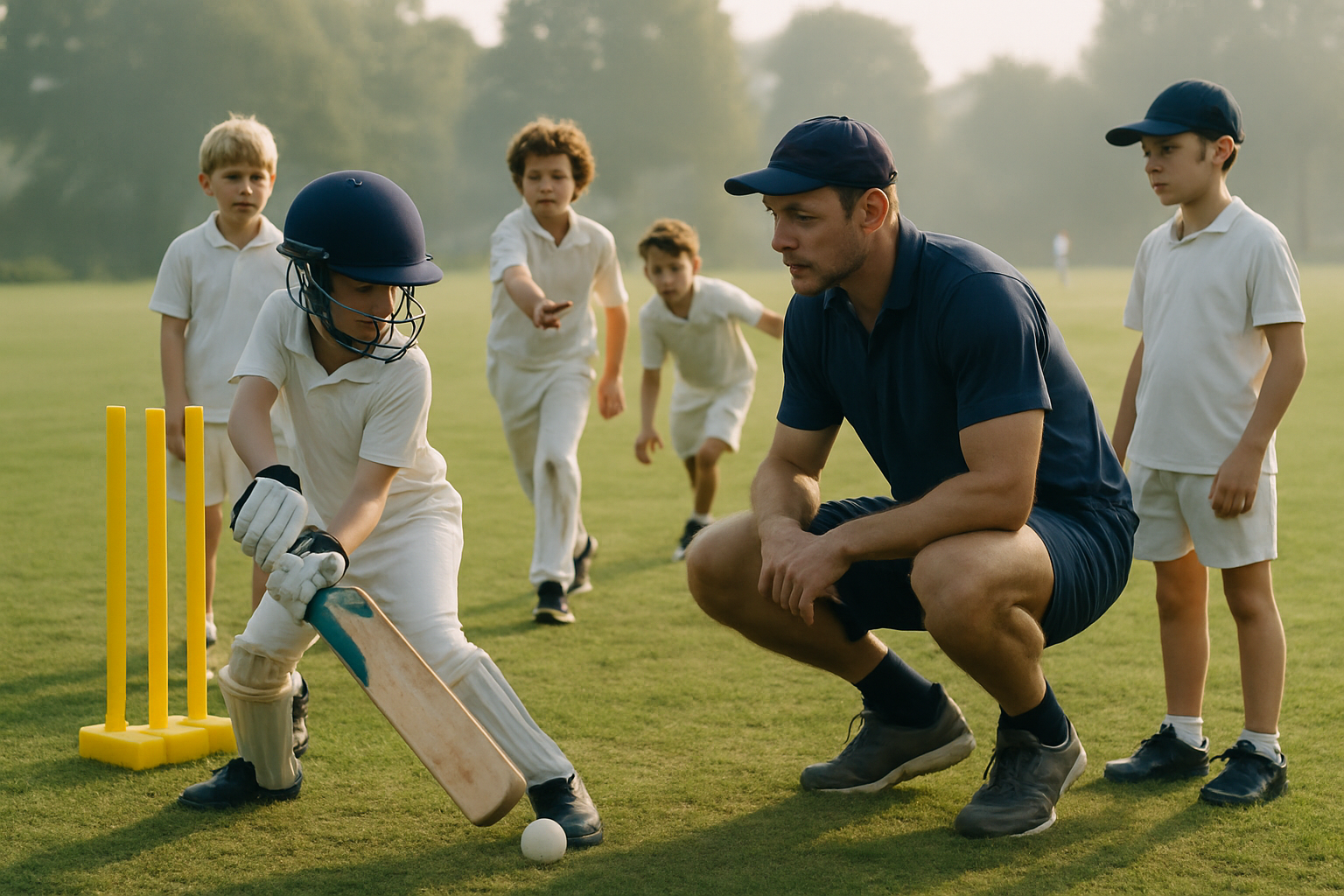
Effective coaching is the cornerstone of any good cricket academy. Evaluate coaches not only on their qualifications but their ability to communicate clearly, foster discipline, and support decision-making skills in young players.
Observe training sessions if possible, noting the balance between technical drills, game-scenario learning, and positive feedback. Coaches should encourage repetition but also allow players to make and learn from mistakes constructively.
Practical implementation for grassroots clubs
Grassroots clubs aiming to attract and retain young players must build a culture rooted in structured training systems, player development tracking, and consistent feedback loops. Setting clear expectations for player progression and involving parents in the journey fosters trust and accountability.
For parents, understanding these systems helps in assessing whether a cricket academy prioritizes long-term growth over short-term wins. This perspective is essential for sustained player development in cricket.
Quality coaching and structured feedback enable children to develop confidence and skill steadily.
Common development mistakes in choosing cricket academies
Parents sometimes prioritize flashy facilities or academy size over coaching quality and training structure. This oversight can lead to frustration and stalled player progress.
Another common error is selecting an academy without verifying how well it caters to your child’s age group or personal development needs. A mismatch here can negatively impact motivation and skill acquisition.
Why players struggle in some cricket academies
Players often struggle when training environments lack structured progression or fail to balance drill repetition with match-like scenarios. Overemphasis on competition rather than skill-building can cause burnout or loss of confidence in young cricketers.
Academies that do not provide regular feedback or use player development tracking may leave players and parents unclear about progress, reducing motivation.
Best way to assess cricket academy facilities checklist
Facilities matter but should be evaluated for how well they support safe, focused training. Key elements include quality nets, pitch variety, fitness areas, and recovery resources suitable for youth athletes.
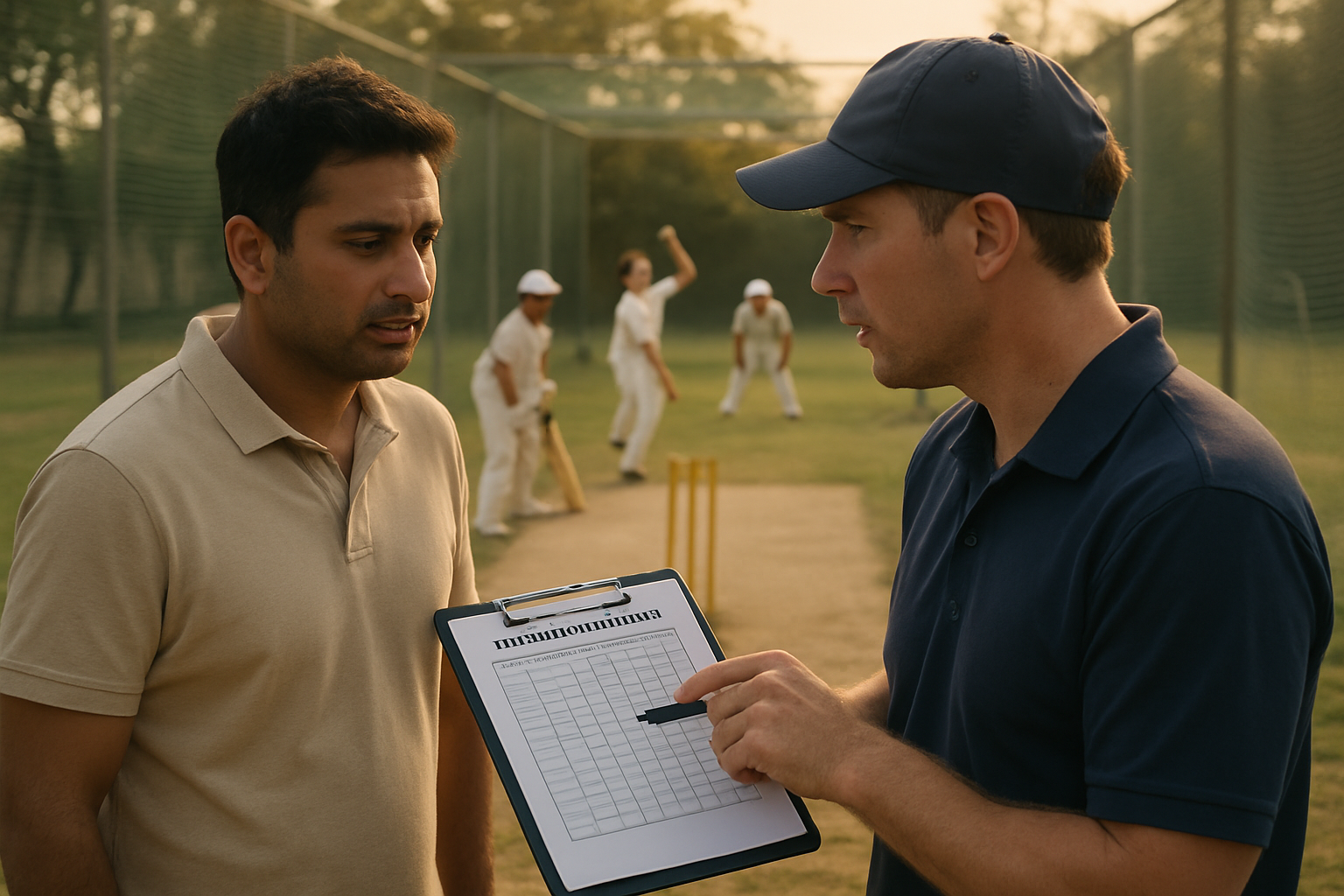
Children’s comfort and safety in the environment is essential. Visit the academy to see how sessions are organized and how well coaches manage groups and equipment.
Conclusion
Choosing the right cricket academy for your child requires balanced evaluation of coaching quality, training philosophy, facilities, and long-term development pathways. Parents should focus on programs that promote structured player development, clear progress tracking, and a supportive environment where children can develop discipline, decision-making, and cricket skills progressively. Avoid rushing decisions based on short-term factors like fancy facilities or academy size. Instead, prioritize academies that emphasize consistent, age-appropriate training and embrace a holistic approach to the child’s growth as a cricketer and person. By using a comprehensive checklist rooted in grassroots cricket coaching principles, parents can confidently invest in an academy that nurtures their child’s passion and potential sustainably.
What is the best age to start training at a cricket academy?
Most children can start basic cricket training around age 7 or 8 when they develop enough coordination and focus for structured sessions.
How to evaluate cricket coaching quality in youth academies?
Look for qualified coaches who communicate clearly, use age-appropriate drills, and balance technical training with game understanding.
How to improve sports skills at home for young cricketers?
Practice basic batting and bowling drills focusing on technique, hand-eye coordination, and fitness, while maintaining regular practice routines.
Why am I not getting selected in cricket trials despite training hard?
Selection depends on multiple factors including technique, attitude, match sense, and physical readiness. Structured feedback helps identify improvement areas.
What is the best training routine for young cricket players?
A mix of skill drills, fitness work, and match play with rest and recovery periods tailored to the child’s age and ability is ideal.
Why do players struggle with consistent progress in cricket academies?
Lack of structured training plans, inconsistent coaching, or focus on competition over development often hinders progress.
How long does it take for a child to see development in cricket skills?
With regular, structured training, noticeable improvements usually appear within 6 to 12 months, depending on individual effort and coaching.


Related Articles
 Read More about Football Academy Fees in India 2026: What Parents Should Expect
Football Academy Fees in India 2026: What Parents Should Expect
.jpg) Read More about How to Choose the Best Football Academy in Your City: A Practical Checklist Guide
Read More about How to Choose the Best Football Academy in Your City: A Practical Checklist GuideHow to Choose the Best Football Academy in Your City: A Practical Checklist Guide
 Read More about Best Age to Start Football Training: A Realistic Guide for Parents
Best Age to Start Football Training: A Realistic Guide for Parents
Latest Articles
 Read More about How Sports Academies Can Reduce Admin Work for Coaches
How Sports Academies Can Reduce Admin Work for Coaches
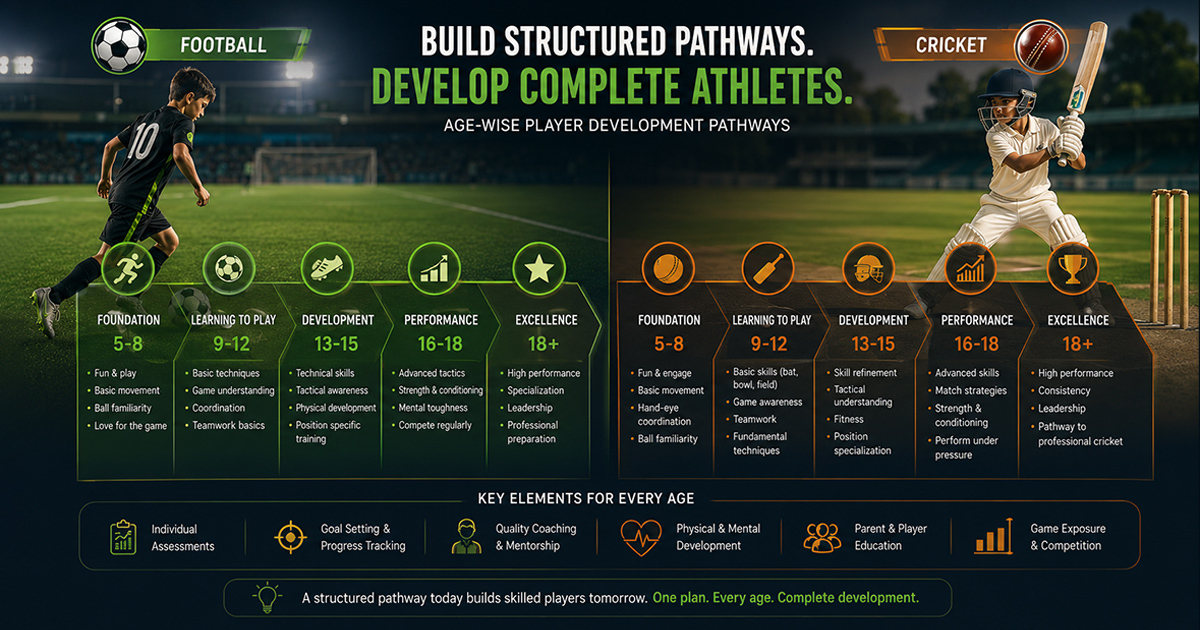 Read More about How to Build Age-Wise Player Development Pathways in Football and Cricket
How to Build Age-Wise Player Development Pathways in Football and Cricket
 Read More about Tournament Management Software for Football and Cricket Organizers: A Practical Guide
Tournament Management Software for Football and Cricket Organizers: A Practical Guide
Ready to Bring Structure to Your Academy?
Let’s walk through your current setup and show you how 8lete can improve it.


