



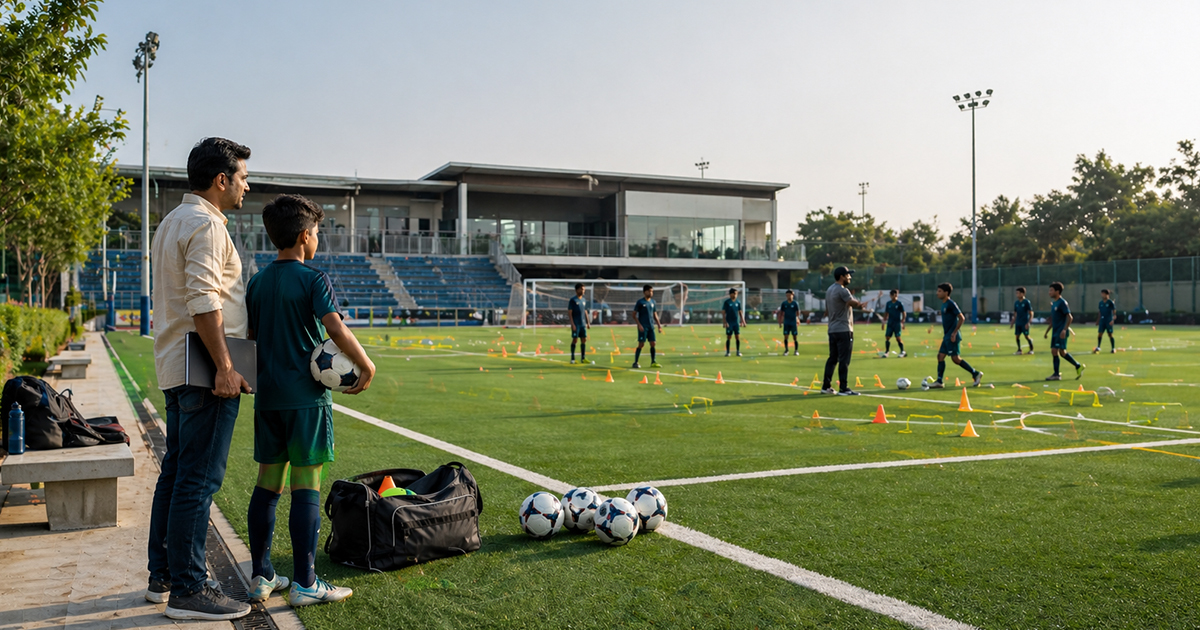
Football Academy Fees in India 2026: What Parents Should Expect
When parents consider enrolling their child in a football academy, understanding the football academy fees in India 2026 is crucial to proper planning. Many parents struggle with unclear or unexpected costs associated with grassroots football training, which can affect their ability to support their young player's growth. This article clarifies the typical fee structures, highlights common expenses, and advises parents on what to anticipate and how to manage football academy costs effectively.
What Are Football Academy Fees in India 2026?
Football academy fees typically include registration, training, equipment, and sometimes match participation charges. In 2026, these costs vary by region, academy reputation, and the level of structured development offered. Fees cover not only coaching but often include access to facilities, sports science support, and sometimes nutrition guidance.
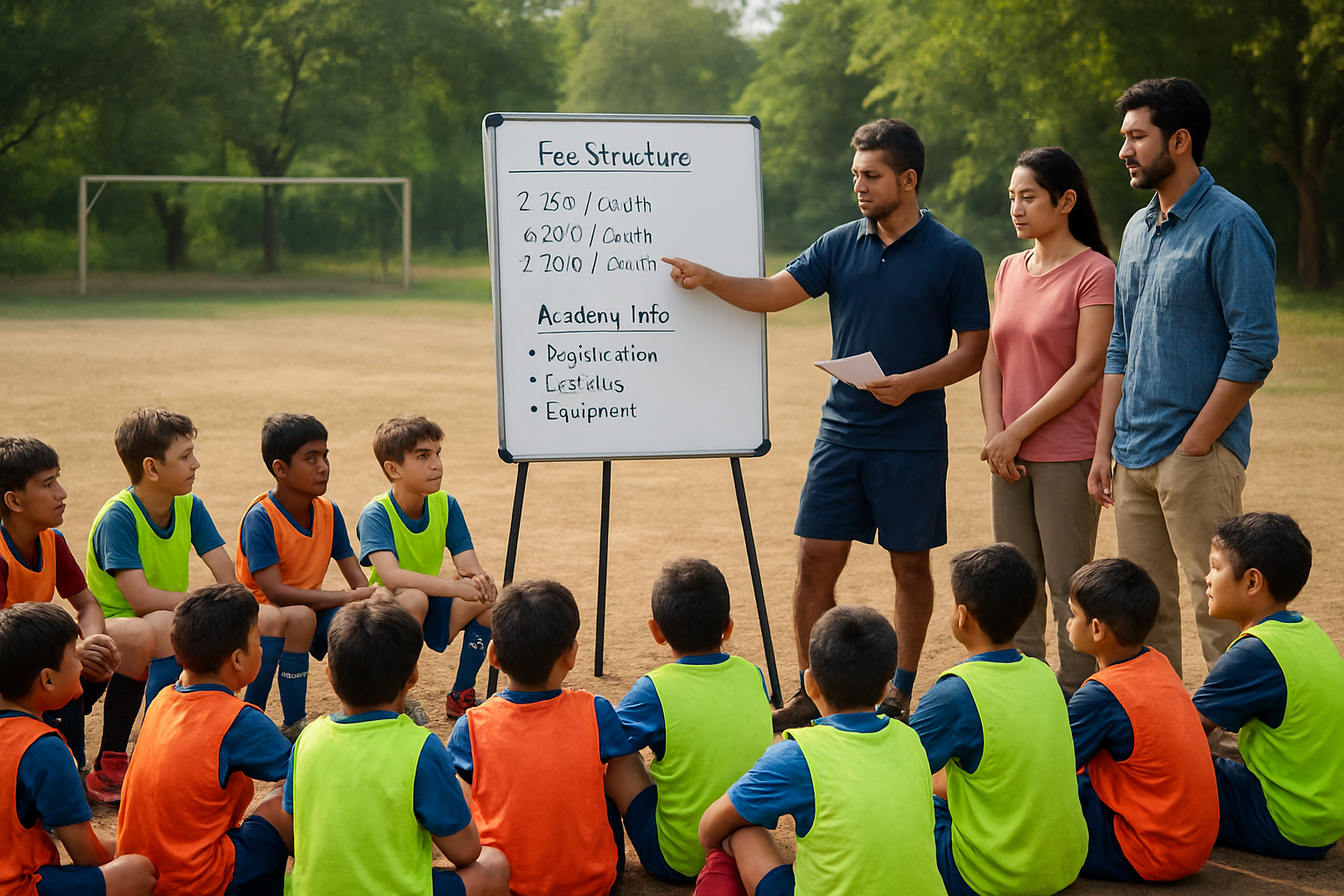
It's important for parents to understand the academy fee structure in Indian football is rarely a flat rate; many academies apply tiered fees based on age groups, intensity of training, or squad level. Parents should expect a transparent breakdown to avoid unforeseen expenses.
How to Improve Planning for Football Academy Costs
For parents, the key challenge is balancing a child's football development ambitions with realistic financial planning. Understanding football training expenses for kids helps establish a sustainable commitment. Key factors include upfront membership fees, monthly training charges, and additional costs like gear and tournament travel.
Parents should create a budget that includes these typical expenses, anticipate periodic payments (quarterly or annual), and inquire about any discount schemes or sibling policies. This foresight ensures steady support, especially as players progress through age groups with increasing demands.
What Parents Should Know About Football Fees
Parents must recognize that football academy membership fees often cover essential training but may exclude costs like tournaments, special camps, or recovery programs. Transparent communication from academies about these expectations is vital for trust and smooth partnership.
Parents should also evaluate academies not just on fees but on the quality of coaching staff, training structure, and player development pathways. Lower fees can sometimes mean limited training hours or fewer competitive opportunities, affecting long-term growth.
Understanding Affordable Football Academies in India
Finding affordable football academies in India requires careful research. Many grassroots programs offer structured training at reasonable costs without compromising essential development values such as discipline, repetition, and decision-making.
Parents should look for academies that emphasize long-term player development tracking and have systems in place for progression rather than short-term success. Such academies often manage costs efficiently while delivering consistent technical, physical, and mental growth experiences.
Transparent fee structures and consistent communication keep player development on track and families prepared.
Common Development Mistakes Related to Academy Fees
One common mistake is prioritizing low fees over training quality, which can stall player progression. Some parents underestimate total expenses, especially when extra costs like tournaments or travel emerge later in the season.
Another issue is inconsistency in fee payments, which can disrupt access to structured training and player visibility. Establishing a clear payment plan and discussing any challenges with the academy supports continuous development without interruption.
Practical Implementation for Grassroots Clubs
Grassroots clubs can support families by creating transparent and flexible academy fee structures in Indian football with clear communication on what each fee covers. Offering breakdowns helps parents understand the value beyond just the coaching sessions.
Using structured training systems and player development tracking helps justify fees through visible progress reports. Clubs should also explore phased payment options, scholarship programs, and family packages to increase accessibility while maintaining financial sustainability.
Best Way to Navigate Football Academy Fees in India 2026
Parents should approach fees as an investment in long-term player development, balancing cost with quality and structured exposure. Comparing multiple academies with a focus on development pathways rather than just price helps ensure a well-rounded football education.
Additionally, parents and coaches working together to track progress can make informed decisions about continuing or adjusting commitments based on development milestones, which align naturally with costs and expectations.

Conclusion
In understanding football academy fees in India 2026, parents playing an active role in budgeting and research sets the foundation for successful, stress-free support of their child's football journey. Transparent fee structures and clear communication between academies and families are essential for managing expectations and ensuring access to quality training environments. By focusing on structured development, disciplined progression, and informed planning, parents and clubs can together foster not only football skills but also the overall growth and confidence of young players. Ultimately, the best approach balances affordability with quality, supporting talent through consistent training and visible progress within a sustainable financial framework.
What is the typical cost of football training in India for kids?
Costs vary widely by academy but usually range from moderate monthly fees covering training sessions, plus additional expenses for equipment and tournaments.
How does the football academy membership fee structure work in India?
Most academies charge an initial registration fee and then monthly or quarterly fees based on training frequency, age group, and development level.
How to improve planning for football academy costs as a parent?
Create a budget including regular fees, additional expenses like travel and gear, and ask the academy for a full cost breakdown early on for better financial planning.
Why do some players struggle with football training expenses?
Unexpected extra costs like tournament fees or inconsistent payments can disrupt steady training and lead to missed development opportunities.
What is the best age to start in a football academy in India?
Many academies accept players as young as 6, but focused development often begins around 8–10 years old when structured training and repetition benefit skills growth.
How long does it typically take to see progress from football academy training?
With consistent training, players usually show noticeable improvement within 6 to 12 months, depending on age, training quality, and commitment.

Related Articles
.jpg) Read More about How to Choose the Best Football Academy in Your City: A Practical Checklist Guide
Read More about How to Choose the Best Football Academy in Your City: A Practical Checklist GuideHow to Choose the Best Football Academy in Your City: A Practical Checklist Guide
 Read More about Best Age to Start Football Training: A Realistic Guide for Parents
Best Age to Start Football Training: A Realistic Guide for Parents
 Read More about How to Choose the Right Football Academy for Your Child: A Parent’s Guide
How to Choose the Right Football Academy for Your Child: A Parent’s Guide
Latest Articles
 Read More about How Sports Academies Can Reduce Admin Work for Coaches
How Sports Academies Can Reduce Admin Work for Coaches
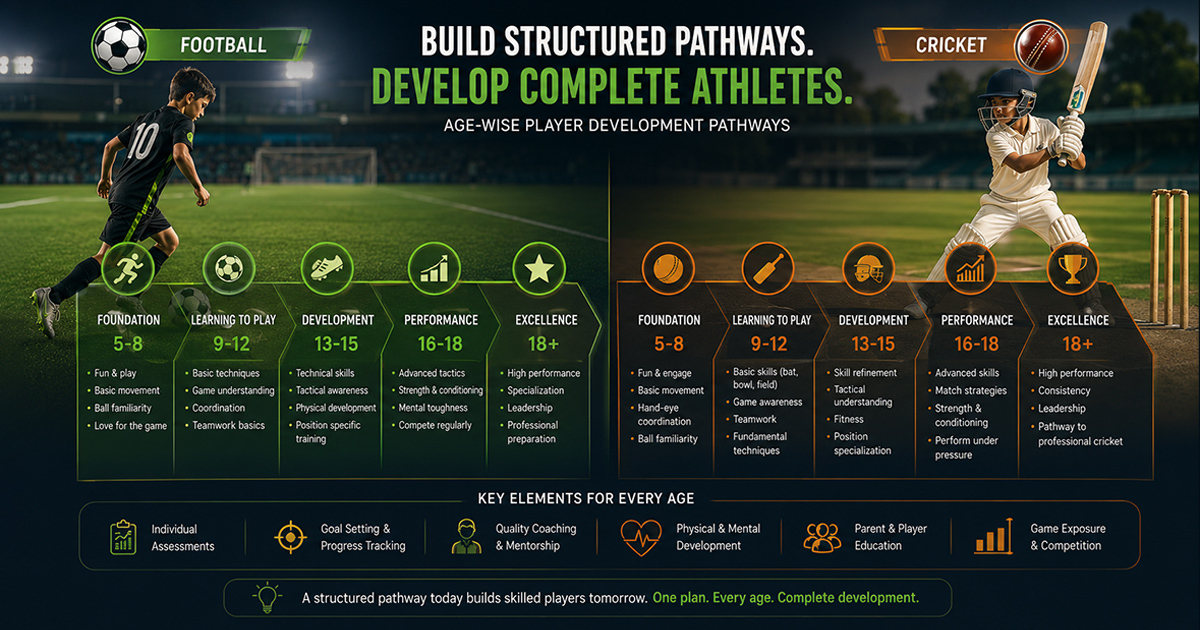 Read More about How to Build Age-Wise Player Development Pathways in Football and Cricket
How to Build Age-Wise Player Development Pathways in Football and Cricket
 Read More about Tournament Management Software for Football and Cricket Organizers: A Practical Guide
Tournament Management Software for Football and Cricket Organizers: A Practical Guide
Ready to Bring Structure to Your Academy?
Let’s walk through your current setup and show you how 8lete can improve it.


