



Best Age to Start Football Training: A Realistic Guide for Parents
Deciding on the best age to start football training is a common question parents face when their child shows early interest in the sport. Parents want to know when it’s safe and developmentally appropriate to introduce football without rushing or risking injury. This guide breaks down realistic age considerations, practical signs your child is ready, and how to start football training safely, helping families foster a strong, long-term football foundation.
What Is the Best Age to Start Football Training?
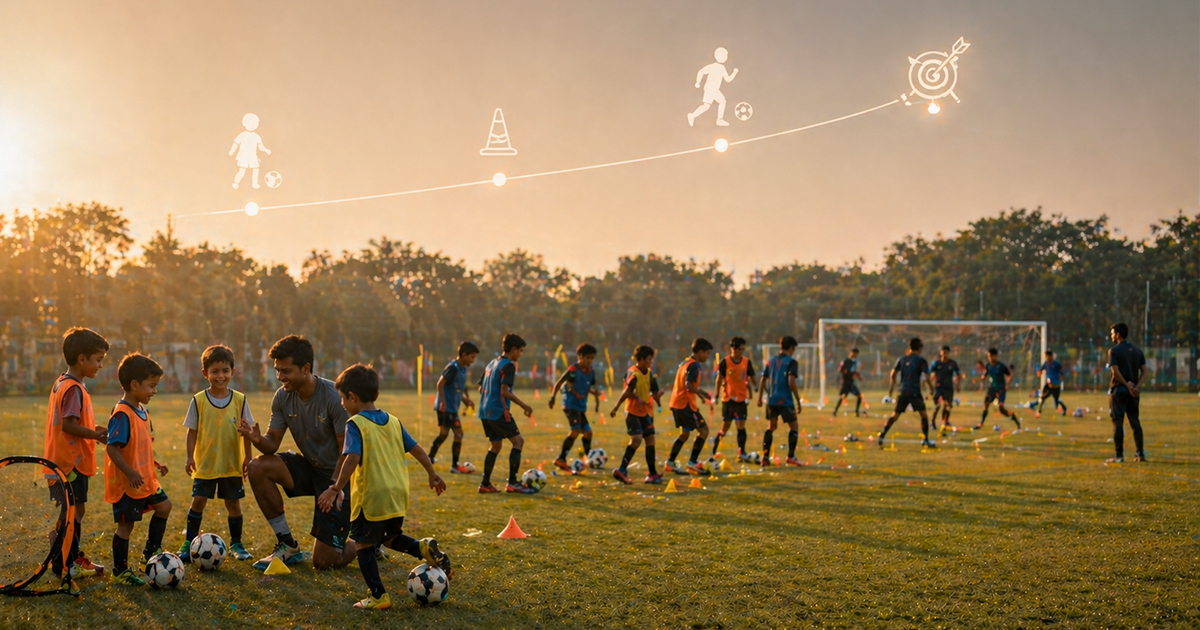
Football training for beginners typically starts between the ages of 5 and 7, when children can begin developing basic movement skills and a simple understanding of the game. At this stage, training focuses on fun, coordination, and social interaction rather than tactics or competitiveness.
Introducing football too early can lead to frustration or burnout, while starting too late may miss opportunities to build essential motor skills. Finding the right starting point aligns with a child’s physical, cognitive, and emotional readiness.
Early Football Training Benefits for Young Children
Beginning football training at an appropriate age supports basic motor skill development, improves balance, spatial awareness, and introduces teamwork in a structured but playful environment. These early benefits set a foundation for more complex football skills later.
In grassroots settings, coaches focus on exercises that develop agility and ball familiarity through simple drills and games—encouraging positive relationships with the sport and teammates. This gradual introduction prioritizes long-term youth football development stages over short-term performance results.
Signs Your Child Is Ready for Football Training
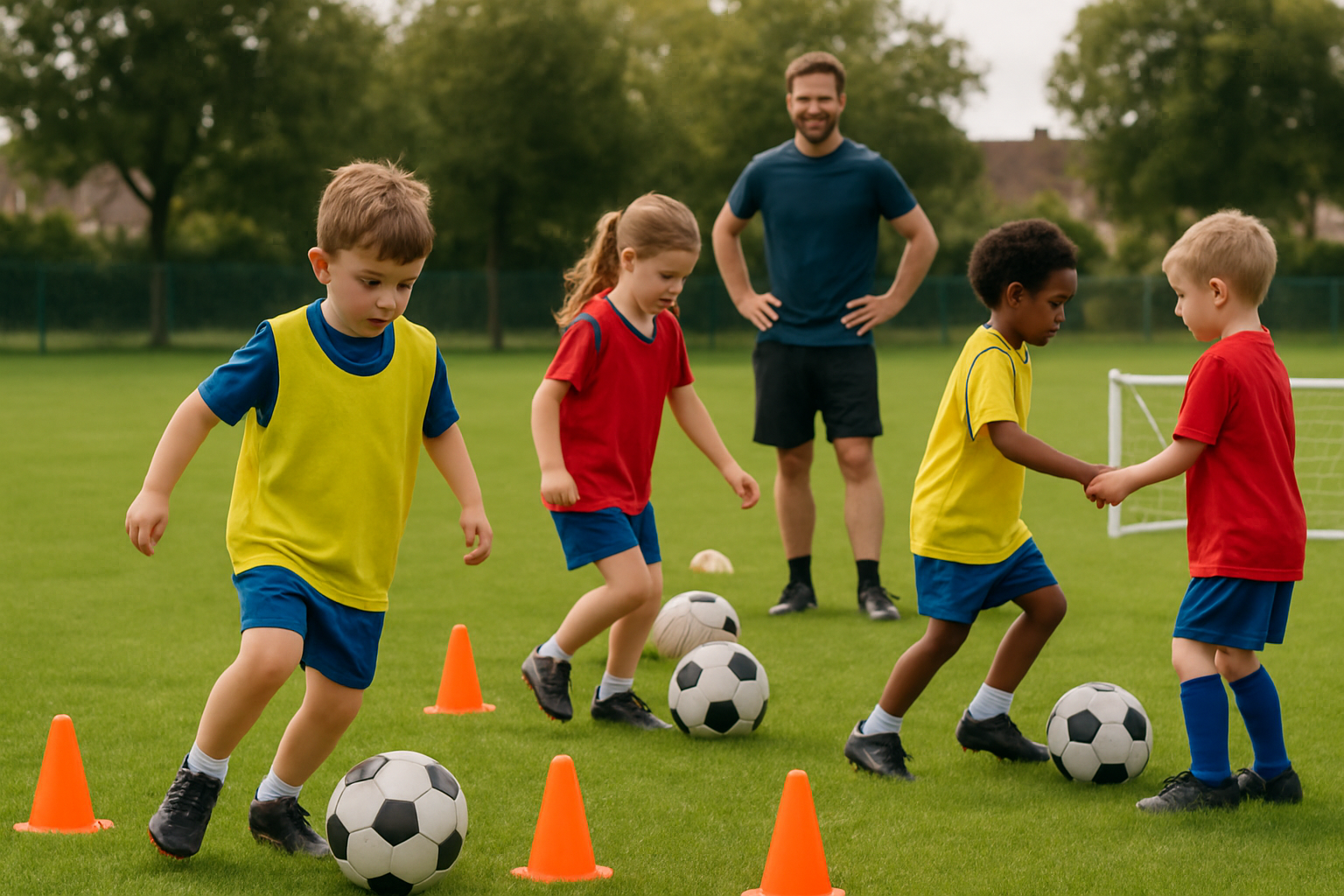
Parents and coaches should look for encouraging signs like sustained interest, basic coordination, and the ability to follow simple instructions. A child who enjoys running, kicking, and playing with peers is generally ready to explore football training more formally.
Emotional readiness matters too—children need patience and resilience to engage in group sessions and manage wins or mistakes. Recognizing these signs ensures football introduction is a positive, structured step aligned with individual development.
How to Introduce Football to Kids Safely and Effectively
Start with short, non-pressured sessions focusing on fun and fundamental skills such as dribbling, passing, and balancing. Grassroots coaches recommend using age-appropriate balls and adapting drills to keep children engaged and confident.
Parents can support by encouraging regular, playful touch on the ball outside formal training and maintaining a balance between football and general physical activity to avoid early specialization injuries.
Effective youth football starts with readiness, patience, and age-appropriate, skill-focused practice.
Why Players Struggle with Starting Football Training Too Early or Too Late
Starting too early can overwhelm young children with structured demands they aren’t prepared for, causing loss of interest or burnout. Conversely, beginning too late may restrict crucial periods of motor skill and coordination development linked to the optimal age for football skills development.
Grassroots clubs that understand these challenges create flexible entry points tailored to individual readiness, emphasizing learning over competition to prevent common early development mistakes.
Practical Implementation for Grassroots Clubs
Clubs should offer football training programs segmented by age and development stage, with a focus on skill progression rather than immediate results. Structured training systems help track deliberate practice, reinforcing repetition and feedback cycles that nurture fundamental competencies.
Involving parents through education sessions and sharing development tracking encourages consistency between formal training and home practice. Using modern tools can assist clubs in optimizing these workflows and improving player development visibility.
Common Development Mistakes
Rushing into competitive matches before mastering basic skills, neglecting individual readiness, and inflexible coaching approaches are common pitfalls. These mistakes can hinder confidence, limit enjoyment, and disrupt progression.
Parents wanting to support their child’s football journey should focus on consistent skill-building, patience, and ensuring the learning environment is supportive and age-appropriate.
Conclusion
The best age to start football training depends on a child’s unique readiness, balancing their physical, emotional, and cognitive development. Starting football training safely at around ages 5 to 7 offers meaningful early benefits without pressure, setting up a lasting love for the sport. For parents, understanding the signs of readiness and supporting a structured, enjoyable introduction protects against burnout and maximizes long-term growth. Grassroots clubs and coaches play a vital role by providing tailored programmes that prioritize skill development and fun over early results. A gradual, patient approach that integrates both training and playful learning creates the most effective foundation for lifelong football engagement and progress.
What is the best age to start football training for kids?
Most children can start football training safely between 5 and 7 years old, focusing on fun and basic skills.
How does early football training benefit young players?
Early training helps develop motor skills, coordination, social interaction, and a positive relationship with football.
How to improve football skills for beginners?
Focus on regular practice of basic ball control, dribbling, and passing through age-appropriate drills and games.
Why am I not improving in football despite training?
Improvement may stall if training lacks structure, variety, or doesn't match your current development stage.
How to train a child safely when starting football?
Use age-appropriate activities, keep sessions short and fun, and encourage gradual skill building rather than competition.
Why do players struggle with starting football training too early?
Too early starts can overwhelm kids, reduce enjoyment, and increase risk of burnout or injury.
What is the best age to specialize in football training?
Specialization is typically recommended later in adolescence, after a broad base of motor skill development.


Related Articles
 Read More about How to Choose the Right Football Academy for Your Child: A Parent’s Guide
How to Choose the Right Football Academy for Your Child: A Parent’s Guide
 Read More about Signs Your Child Is Serious About Football and How to Support Them Properly
Signs Your Child Is Serious About Football and How to Support Them Properly
 Read More about How to Communicate Effectively with Parents in Football Academies
How to Communicate Effectively with Parents in Football Academies
Latest Articles
 Read More about How Sports Academies Can Reduce Admin Work for Coaches
How Sports Academies Can Reduce Admin Work for Coaches
 Read More about How to Build Age-Wise Player Development Pathways in Football and Cricket
How to Build Age-Wise Player Development Pathways in Football and Cricket
 Read More about Tournament Management Software for Football and Cricket Organizers: A Practical Guide
Tournament Management Software for Football and Cricket Organizers: A Practical Guide
Ready to Bring Structure to Your Academy?
Let’s walk through your current setup and show you how 8lete can improve it.


