




Why Your Child Loves Football But Is Not Improving (And What to Do)
It’s a familiar scenario for many parents and coaches: a young player who loves football but seems stuck, unable to improve despite enthusiasm and effort. This ongoing challenge of improving youth football skills can be frustrating and confusing. Why does a child passionate about the game sometimes plateau or show little progress? This article explores the common reasons behind this issue, practical ways to overcome skill stagnation, and how parents and coaches can foster long-term growth in young players.
What Is Holding Back Youth Football Development?
Improving youth football skills requires consistent, targeted practice combined with a supportive environment. However, young players often encounter obstacles such as insufficient technical foundation, lack of structured training, or motivational dips. Common youth football development issues include inconsistent practice habits, unclear goals, and inadequate feedback.
Recognizing these barriers early helps parents, coaches, and players address the root causes effectively. Without proper structure, even the most motivated players can struggle to advance, as football skill building relies on repetition, decision-making, and mental development over time.

Why Players Struggle to Improve Despite Passion
Passion provides the energy to stay involved, but it doesn’t guarantee progress. Many young players face a plateau because their training lacks focus or they experience poor recovery and burnout. Sometimes the problem lies in repeating the wrong habits during practice or playing without reflecting on mistakes.
Additionally, inconsistencies in training quality, excessive pressure to perform, or absence of personal development plans can hinder improvement. Understanding this distinction between loving football and developing football skills is key for effective support.
How to Improve Youth Football Skills: Practical Steps for Parents and Players
Improvement starts with structure and deliberate practice. Children need consistent opportunities to train technical skills, improve decision-making, and build physical abilities in a supportive setting. Parents can encourage steady engagement by focusing on incremental gains rather than quick results.
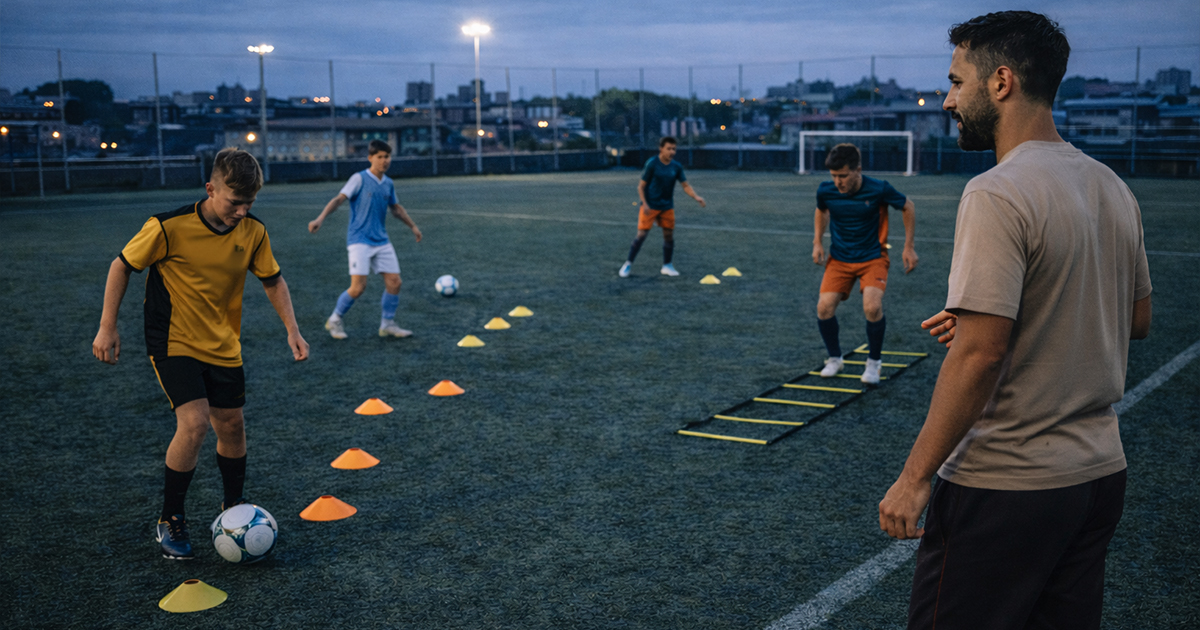
Coaches should design training sessions that balance skill drills with game-like scenarios, helping players translate practice into match performance. Use clear, positive feedback to build confidence and highlight small successes.
Key football training tips for kids include breaking down skills into manageable parts, emphasizing correct technique, and encouraging independent thinking on the pitch. Tracking progress through simple assessments can also motivate young players and allow tailored adjustments.
Consistent, focused practice with positive feedback drives steady improvement in young players.
Common Development Mistakes That Limit Growth
One frequent mistake is overloading young players with repetitive drills that lack variety or challenge. This often leads to boredom or plateaus. Another is prioritizing match results over individual skill growth, which can create pressure and undermine motivation.
Parents sometimes unintentionally contribute by pushing for early success rather than focusing on long-term development factors such as recovery, mental resilience, and tactical understanding. Avoiding these pitfalls requires education and patience from all parties involved.
Practical Implementation for Grassroots Clubs
Grassroots clubs play a vital role in nurturing developing players. Implementing structured training systems with clear developmental milestones helps manage common youth football development issues efficiently. Clubs can support coaches with ongoing education around best practices in youth training and mental support.
Creating an environment where players feel safe to experiment and learn from mistakes enhances progress. Encouraging parent involvement through education sessions on parent support in football development fosters consistency at home and in training.
Additionally, integrating player development tracking tools and performance analysis at this level can expose areas needing attention and provide motivation through visible growth. Parents and players looking to take proactive steps should also explore our platform for young players to find structured pathways and resources.
Overcoming Skill Plateaus in Football
Plateaus are a normal part of skill development but overcoming them requires targeted changes. Vary training intensity and content by mixing technical, tactical, and physical exercises. Encourage reflective learning where players analyze their performance and set achievable goals.
Incorporate recovery and mental rest periods to prevent burnout. Building confidence in young players through manageable challenges helps maintain motivation and resilience during periods of slow progress.

Building Confidence and Motivation in Young Players
Confidence fuels improvement and enjoyment in football. Coaches should emphasize effort and attitude over results, making sure each player feels valued and recognized. Positive reinforcement tied to skill acquisition encourages continued engagement.
Parents can support this by celebrating progress rather than outcomes and helping children set realistic, incremental goals. This approach nurtures internal motivation rather than reliance on external validation.
Conclusion
In grassroots football, the gap between loving the game and improving youth football skills often comes down to training structure, patience, and support. Young players need consistent, focused, and varied practice designed to build technical and mental abilities over time. Common development mistakes such as overemphasis on match results or repetitive unchallenging drills must be avoided. Both parents and coaches have a critical role in managing motivation and confidence through realistic goal-setting and positive feedback.
For clubs, establishing clear developmental frameworks, integrating player development tracking, and educating families helps create an environment where passion translates into progress. With deliberate, patient, and practical approaches, players can break through plateaus and enjoy sustainable growth on their football journey. Ultimately, effective parent support in football development combined with structured, feedback-driven training methods unlocks the potential passion alone cannot reach.
What is the main reason young players stop improving in football?
Young players often stop improving due to lack of structured training, inconsistent practice, or repeating incorrect techniques.
How does parent support affect a child's football development?
Positive parent support promotes confidence and motivation, helping children stay engaged and consistent in their training.
How to improve football skills at home for young players?
Focus on simple technical drills, consistent practice, and encouraging decision-making during small-sided games or informal play.
Why am I not improving my football skills despite training hard?
Improvement plateaus can result from training with poor technique, lack of feedback, or insufficient variety in practice.
What is the best training routine for young footballers to develop skills?
A balanced routine includes technical drills, tactical understanding, physical fitness, and recovery, practiced regularly with feedback.
Why do players struggle to get selected in football trials?
Players may struggle due to lack of game intelligence, inconsistent performance, or not demonstrating key skills during trials.
What is the best age to start focused football training?
Focused training usually begins around age 7–8 when fundamental movement skills are developed and attention spans improve.

Related Articles
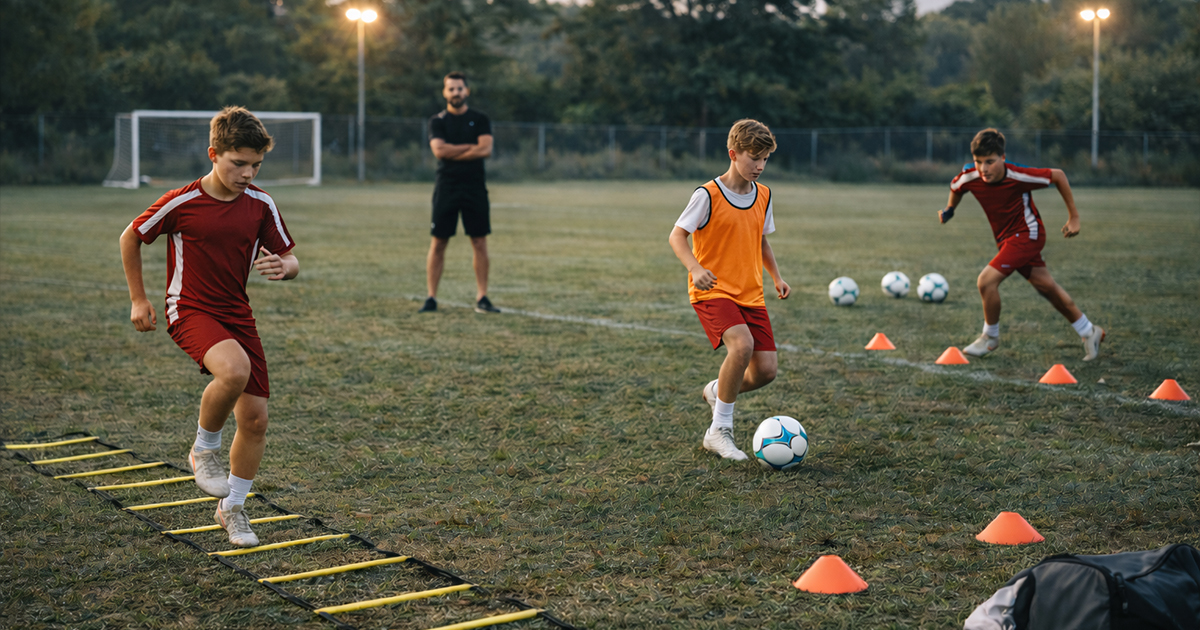 Read More about Best Warm-Up Routines for Young Football Players to Prevent Injuries and Boost Performance
Best Warm-Up Routines for Young Football Players to Prevent Injuries and Boost Performance
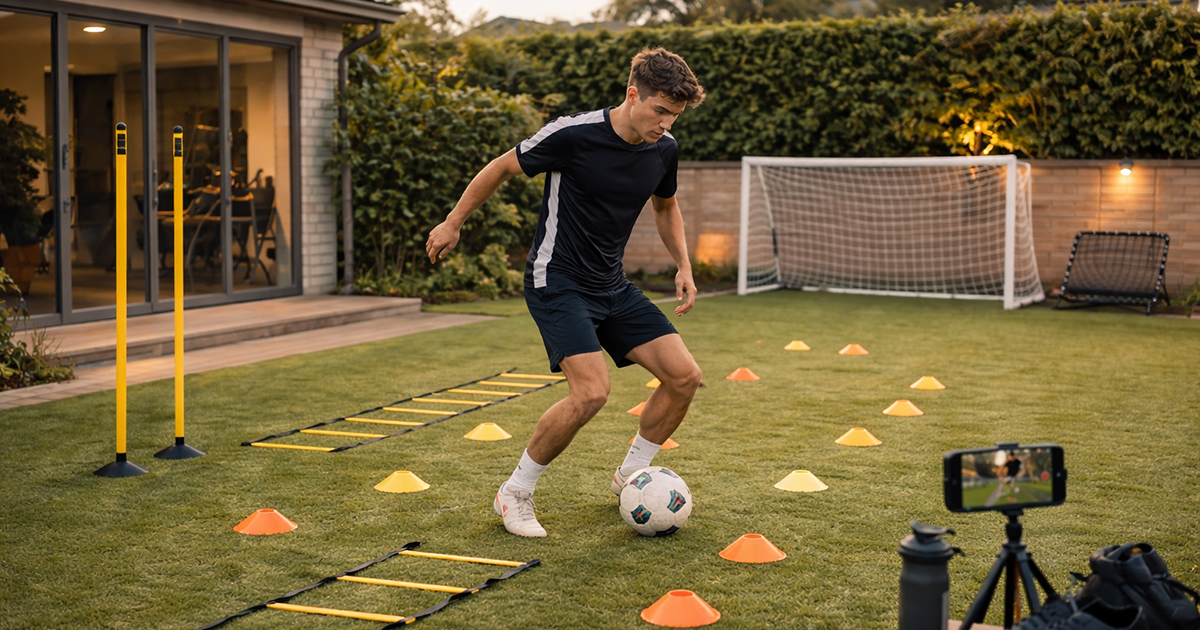 Read More about Best Solo Football Training Drills at Home: Boost Your Skills Without a Coach
Best Solo Football Training Drills at Home: Boost Your Skills Without a Coach
 Read More about Midfielder Positioning Improvement: How to Control the Game Better
Midfielder Positioning Improvement: How to Control the Game Better
Latest Articles
 Read More about How Sports Academies Can Reduce Admin Work for Coaches
How Sports Academies Can Reduce Admin Work for Coaches
 Read More about How to Build Age-Wise Player Development Pathways in Football and Cricket
How to Build Age-Wise Player Development Pathways in Football and Cricket
 Read More about Tournament Management Software for Football and Cricket Organizers: A Practical Guide
Tournament Management Software for Football and Cricket Organizers: A Practical Guide
Ready to Bring Structure to Your Academy?
Let’s walk through your current setup and show you how 8lete can improve it.


