




Managing Mixed Skill Levels in Youth Football Teams: A Practical Guide for Coaches
Managing mixed skill levels in youth football teams is one of the most common and challenging issues grassroots coaches face. When players in the same team have vastly different abilities, it can create difficulties in training progression, motivation, and fair playing opportunities. This article offers practical insights on how to effectively handle these challenges by using inclusive coaching techniques and structured methods that respect every player’s development journey.
What is managing mixed skill levels in youth football teams?
Managing mixed skill levels in youth football teams means creating and applying coaching approaches that accommodate players with varying technical, physical, and tactical abilities within the same team environment. The goal is to ensure each player receives appropriate challenges and support to develop progressively, without compromising the overall team dynamics.
This approach balances fairness, motivation, and learning, knowing that uniform drills or game time can be ineffective or disheartening for some players. Successful management requires a combination of adapted drills for different skill levels, clear communication, and a growth-focused environment.
Why players struggle in mixed ability teams
Players with lower skill levels may feel overshadowed or demotivated if they are not given personalized attention or adjusted challenges. On the other hand, more advanced players can become bored or unchallenged if training lacks progression tailored to their needs. Coaches often face tension trying to maintain high team standards while nurturing each player’s unique pace of learning.
This situation worsens if the training environment is unstructured, leading to inconsistent player development and frustrated parents. Understanding these dynamics helps coaches prioritize long-term growth rather than short-term results.

Practical implementation for grassroots clubs
Coaches must design training sessions that address various skill levels without dividing the team excessively. Start by assessing each player’s current ability honestly and setting achievable yet progressive goals. Use station-based training where players rotate through drills matched to their level but remain within the team framework to maintain cohesion.
Examples include simplified technical exercises for developing players alongside more complex decision-making drills for advanced players. Encouraging peer learning creates motivation and respect across skill groups, while regular feedback and tracking help maintain clarity on individual progress. Clubs benefit from structured coaching plans and player development tracking systems that document growth and guide training adaptation.
Motivation techniques for all skill levels
A key to managing mixed ability teams is ensuring every player feels valued and capable of improving. Motivation can be supported by recognizing small achievements publicly, setting individualized challenges, and fostering a culture where mistakes are learning opportunities. Coaches should emphasize effort and progress over immediate results to maintain engagement.
Additionally, using varied coaching methods such as visual demonstrations, positive reinforcement, and classroom-style explanations helps cater to different learning styles. This inclusive approach benefits both players and parents by promoting transparent and structured development pathways.
Effective coaching adapts to each player’s level while keeping the team united in learning and effort.
Common development mistakes
One frequent error is using one-size-fits-all drills, ignoring the range of abilities within the team. This often leads to disengagement or overreliance on natural talent rather than skill development. Another issue is neglecting the mental and emotional side of player growth, which is essential when skill gaps exist.
Focusing too heavily on match performance instead of training quality also limits progress. Coaches must resist pressure to emphasize short-term wins and instead nurture disciplined repetition, decision-making, and learning environments that support all players.
Training framework for managing mixed skill levels
Implementing a clear framework keeps sessions organized and productive. A suggested flow is:
- 1. Warm-up with general movement and ball skills suitable for all levels
- 2. Split into stations with drills adjusted by skill (technical, tactical, physical)
- 3. Regroup for small-sided games emphasizing teamwork and decision-making
- 4. Group reflection and individual feedback focusing on progress and next steps
This cycle allows continuous adaptation and encourages players to learn from each other, building team cohesion and individual development simultaneously.
Balancing skill levels during matches
During competitive play, balancing skill levels requires tactical substitutions and role adjustments to give all players meaningful involvement. Coaches should promote flexible formations where players can operate in familiar roles but also be rotated to experience different positions and responsibilities.
Ensuring match exposure supports player development means valuing learning opportunities above immediate results. This approach benefits player confidence and increases visibility for future scouting or academy advancement.

Inclusive football coaching techniques
Techniques such as differentiated coaching, peer mentoring, and incorporating games that allow varying skill contributions help create an inclusive environment. Coaches should encourage communication among players, fostering respect and understanding across the team.
Using technology like video feedback or AI football assessment tools integrated into academy workflows can enhance individual learning and provide objective performance insights.
Conclusion
Managing mixed skill levels in youth football teams requires deliberate planning, patience, and adaptable coaching methods. Grounded in structured training and clear development tracking, coaches can create environments where every player advances according to their potential. Success comes from balancing skill challenges with motivation and inclusivity, ensuring football remains enjoyable and developmental. Grassroots clubs that embrace these principles improve their long-term player retention and success while fostering positive team dynamics that benefit all involved.
What is managing mixed skill levels in youth football teams?
It means using coaching approaches that address different ability levels within the same team to support all players’ development.
How to improve football skills in mixed ability teams?
Use adapted drills tailored to each skill level, encourage peer learning, and provide individual feedback focused on progress.
Why do players struggle in mixed ability teams?
Players may feel unchallenged or overwhelmed if training doesn’t match their skill level or if communication and motivation are lacking.
How to train mixed skill level teams effectively?
Structure training with stations or group activities that offer varied complexity and maintain team cohesion through shared exercises.
Why am I not improving despite training in a mixed skill team?
Lack of personalized challenges or inadequate feedback can slow progress; discussing goals with your coach helps tailor training better.
What is the best age to start focused player development?
Focused development benefits all ages but becomes especially effective when started between 8 and 12 years old, emphasizing fun and fundamentals.
How long does it take to see improvement in youth football skills?
Improvement varies, but with consistent, structured training and proper feedback, players often see progress within a few months.


Related Articles
 Read More about How to Plan Weekly Football Training Sessions: A Simple Structure That Works
How to Plan Weekly Football Training Sessions: A Simple Structure That Works
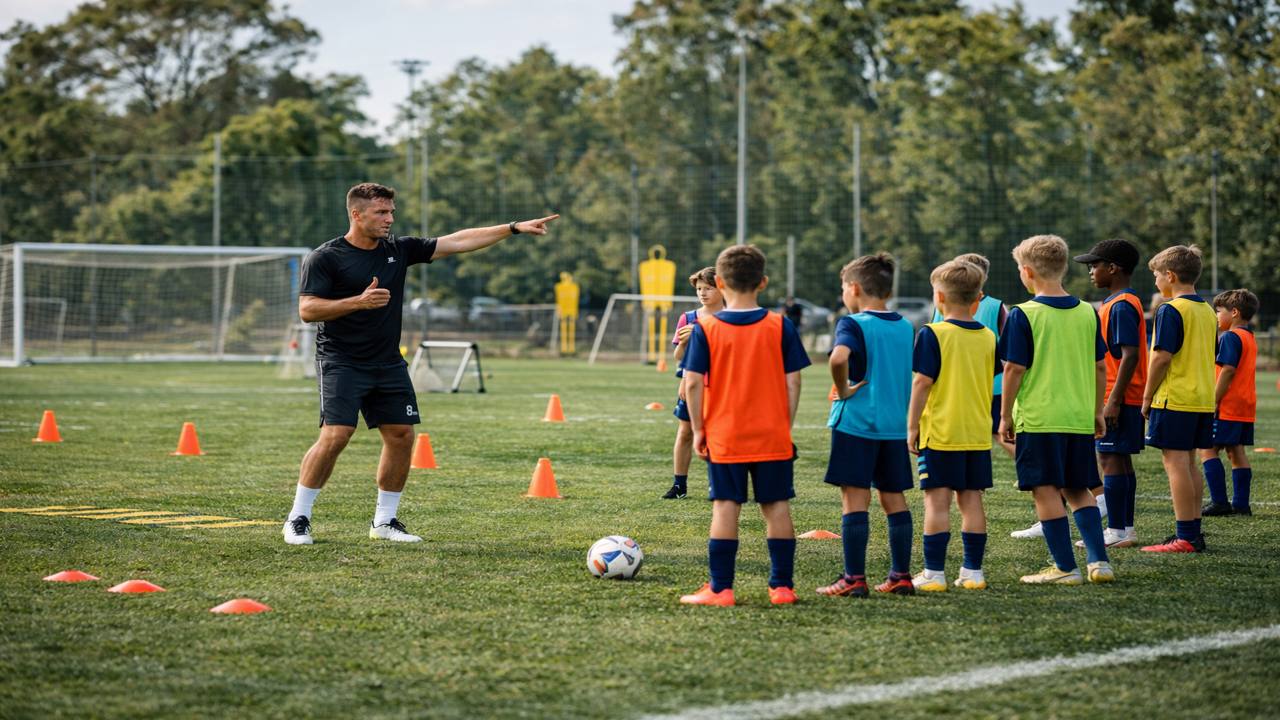 Read More about How to Run Structured Football Training Sessions for Youth Teams
How to Run Structured Football Training Sessions for Youth Teams
Latest Articles
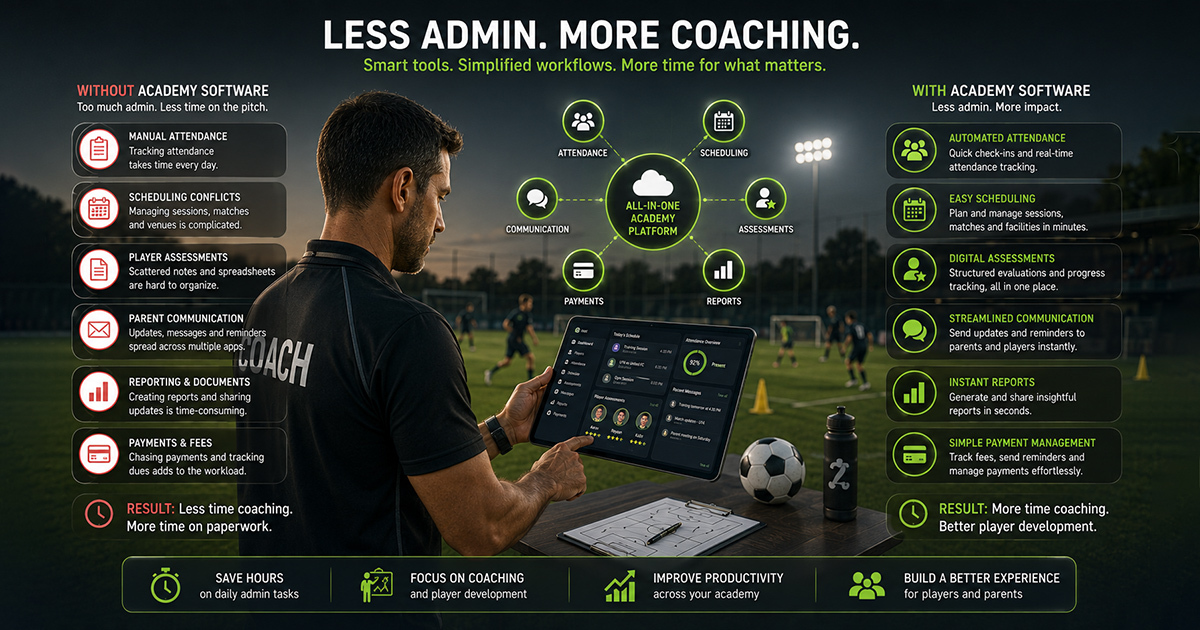 Read More about How Sports Academies Can Reduce Admin Work for Coaches
How Sports Academies Can Reduce Admin Work for Coaches
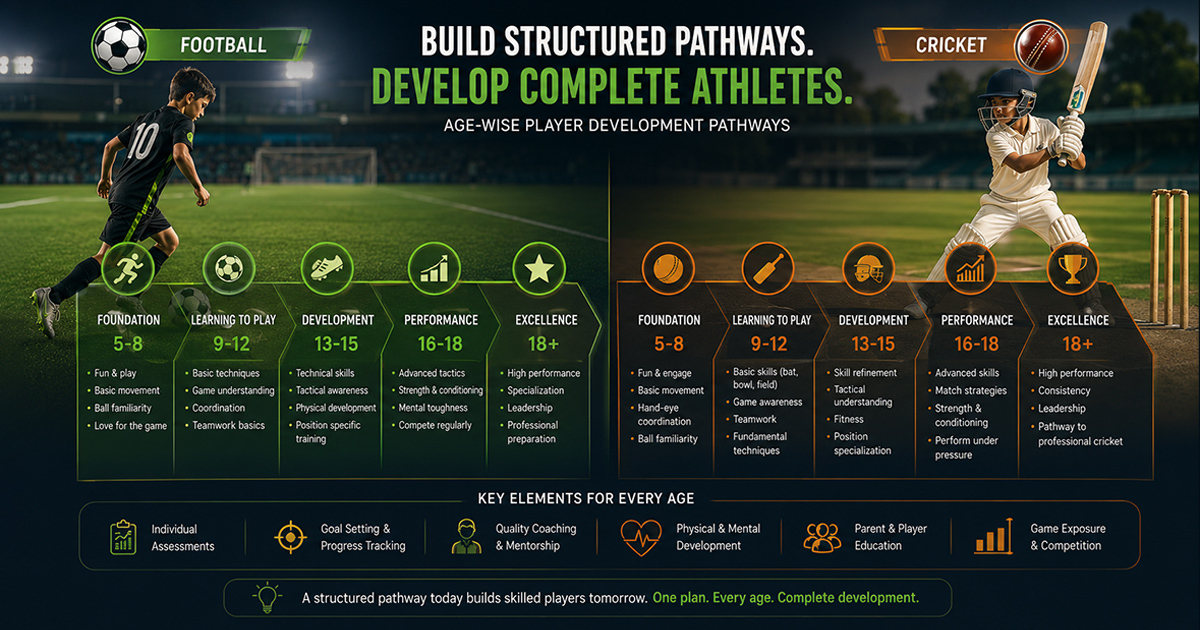 Read More about How to Build Age-Wise Player Development Pathways in Football and Cricket
How to Build Age-Wise Player Development Pathways in Football and Cricket
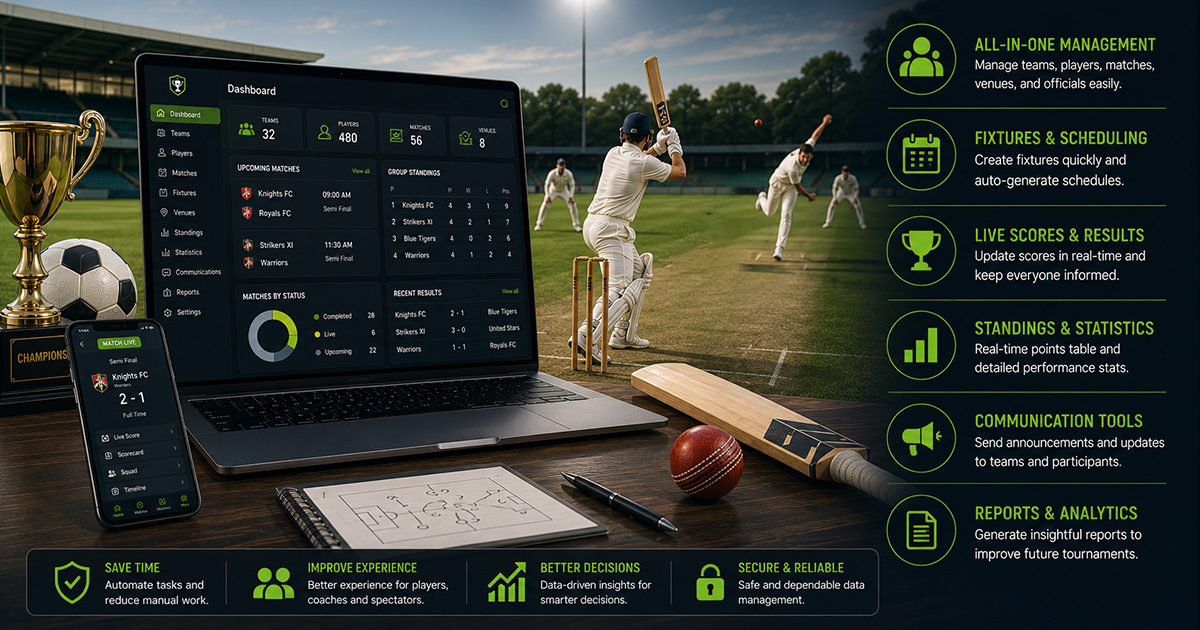 Read More about Tournament Management Software for Football and Cricket Organizers: A Practical Guide
Tournament Management Software for Football and Cricket Organizers: A Practical Guide
Ready to Bring Structure to Your Academy?
Let’s walk through your current setup and show you how 8lete can improve it.


