



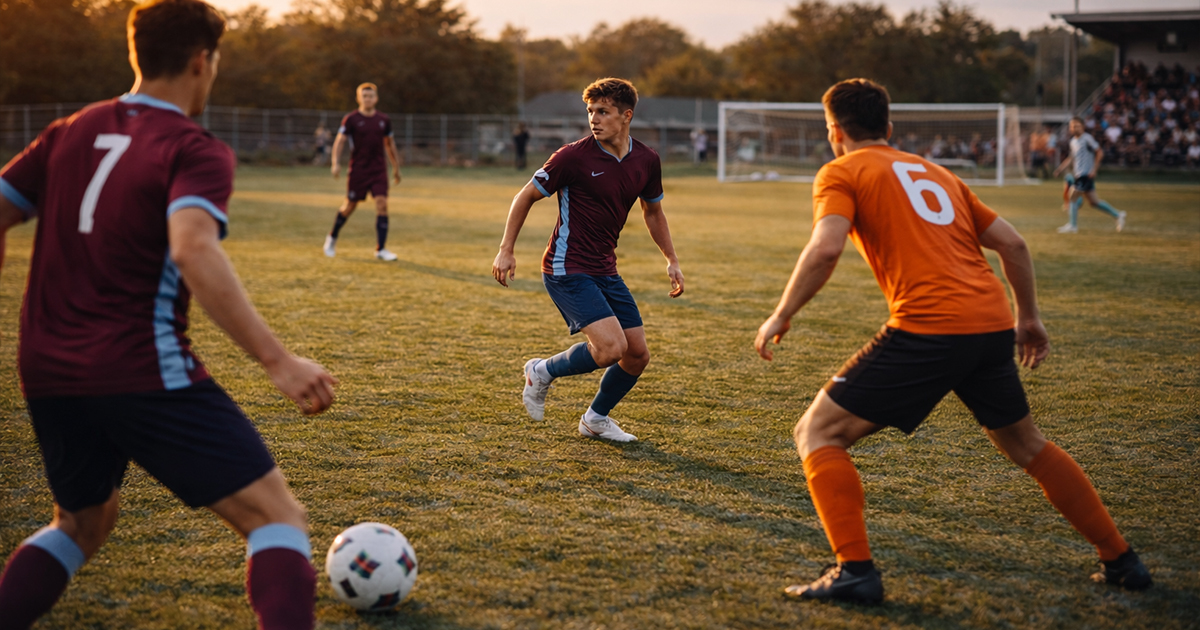
Midfielder Positioning Improvement: How to Control the Game Better
Improving midfielder positioning is often a crucial challenge for young players and parents working together to develop effective game control. Many midfielders struggle with knowing exactly where to be on the pitch to influence play, maintain team shape, and connect defense with attack. This article dives into practical, grassroots-friendly methods to enhance positioning, boost tactical awareness, and ultimately help midfielders control the game better through consistent development and structured training.
What Is Midfielder Positioning Improvement?
Midfielder positioning improvement refers to a player’s ability to occupy the right spaces at the right moments during a match to support both offensive and defensive phases effectively. It involves understanding movement patterns, reading the game context, and making smart decisions to influence play centrally.
Improving this skill helps midfielders maintain balance, keep passing options open, intercept opposition plays, and create opportunities for their teammates. It is a foundational part of midfield game control and tactical awareness.
Why Players Struggle with Midfielder Positioning
Many young midfielders find it difficult to position themselves correctly because they are still developing their understanding of the game flow and spatial awareness. Without experience, players often cluster around the ball, leave gaps in midfield, or lose track of their defensive responsibilities.
In grassroots football environments, this confusion can result from unclear coaching instructions, lack of structured training drills focused on positioning, or pressure to perform that diverts attention from long-term learning. Parents and coaches should emphasize patience, repetition, and gradual exposure to in-game decision-making.
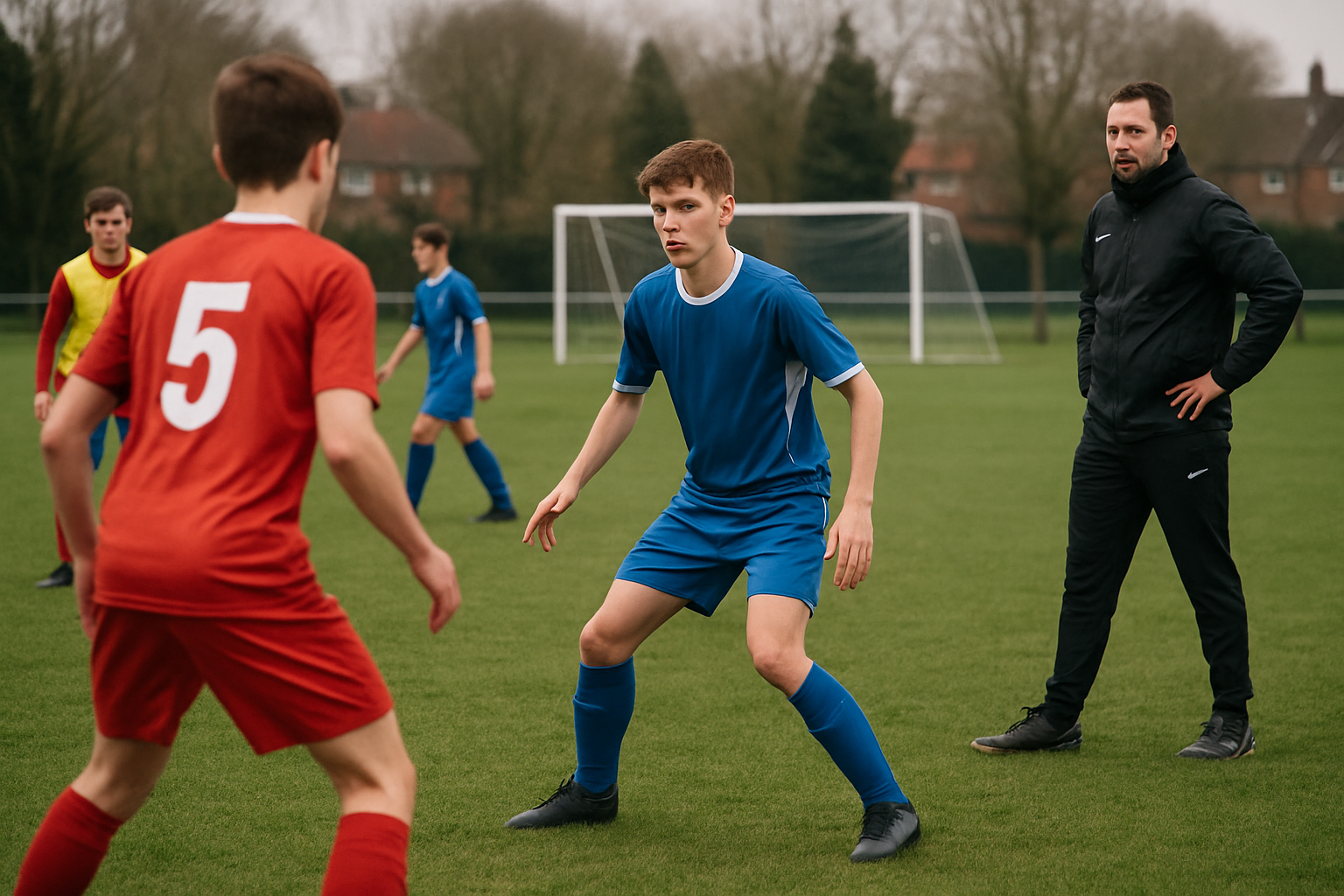
How to Improve Midfielder Positioning: Structured Steps
Improving midfielder positioning requires a blend of tactical understanding, physical preparation, and consistent practice. Follow this simple framework to guide development:
- Coach Guided Training: Use drills emphasizing positioning relative to the ball, teammates, and opponents. Small-sided games are valuable for increasing spatial awareness.
- Game Understanding: Study basic roles of midfield positions; central midfielders act as connectors, while wide midfielders focus on width and support.
- Movement Patterns: Practice moving to create passing lanes, support attacks, and recover defensively. Emphasize constant scanning of the field.
- Decision-Making: Encourage quick, smart choices by playing in varied scenarios, leading to better anticipation and positioning instinct.
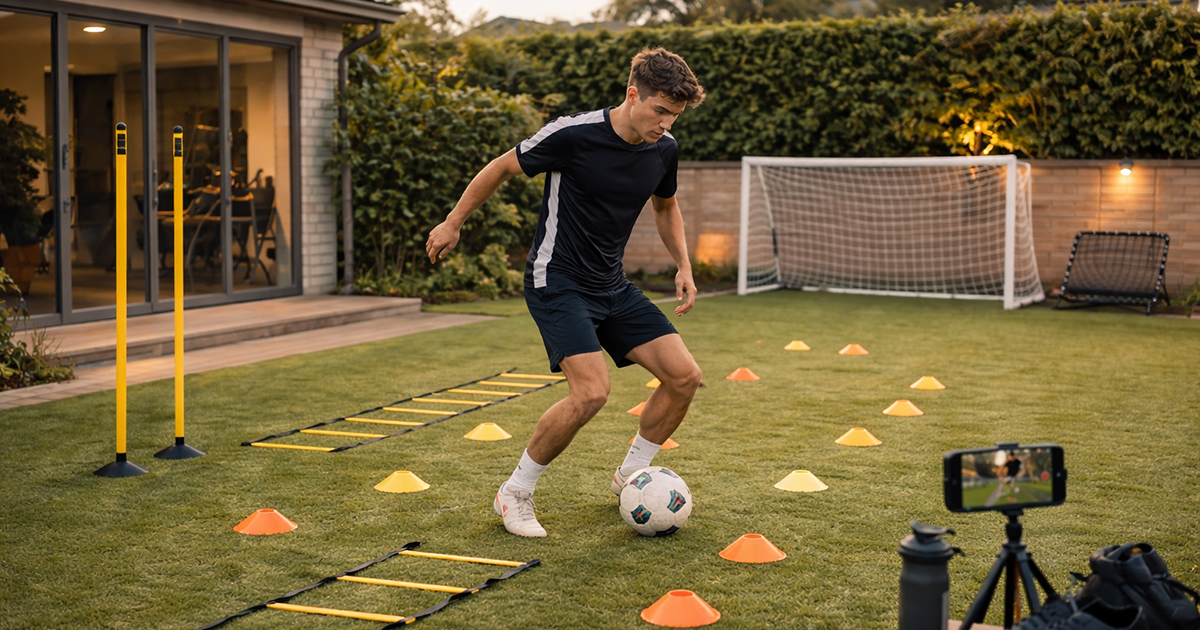
- Feedback and Review: Use video or coach feedback to reflect on positioning decisions and areas to improve during games or training.
Integrating these steps in a structured way aligns with coaching methods focusing on midfield tactical skills and helps players develop a deeper, more intuitive sense of space.
Common Development Mistakes in Midfielder Positioning
A frequent error is neglecting the balance between supporting attack and maintaining defensive responsibilities. Young midfielders can either push too far forward and leave the team exposed or sit too deep and limit their impact on the game.
Another pitfall is failing to develop consistent scanning habits. Without looking around regularly, players miss important cues like open teammates, opposition runs, or ball movement changes. Training should emphasize awareness drills and repetition to build these habits.
Consistent positioning practice builds the foundation for controlling the game as a midfielder.
Practical Implementation for Grassroots Clubs
Grassroots clubs and academies should embed positioning drills into regular sessions. Focus on areas such as positional rotation, midfield spacing, and movement without the ball through small groups and controlled scrimmages.
Structured training systems that track player progress and provide consistent feedback are essential. Using player development resources effectively, coaches can tailor drills to individual needs and build awareness progressively.
Best Way to Control the Game as a Midfielder
Controlling the game as a midfielder goes beyond physical presence; it requires mastering movement patterns that keep the team shape intact while enabling quick transitions. Players should learn to position themselves in spaces where they can connect defense and attack smoothly.
Drills that simulate game pressure and require quick positional adjustments help bridge training to match conditions. This approach supports both improving technical skills and tactical thinking important for game control.
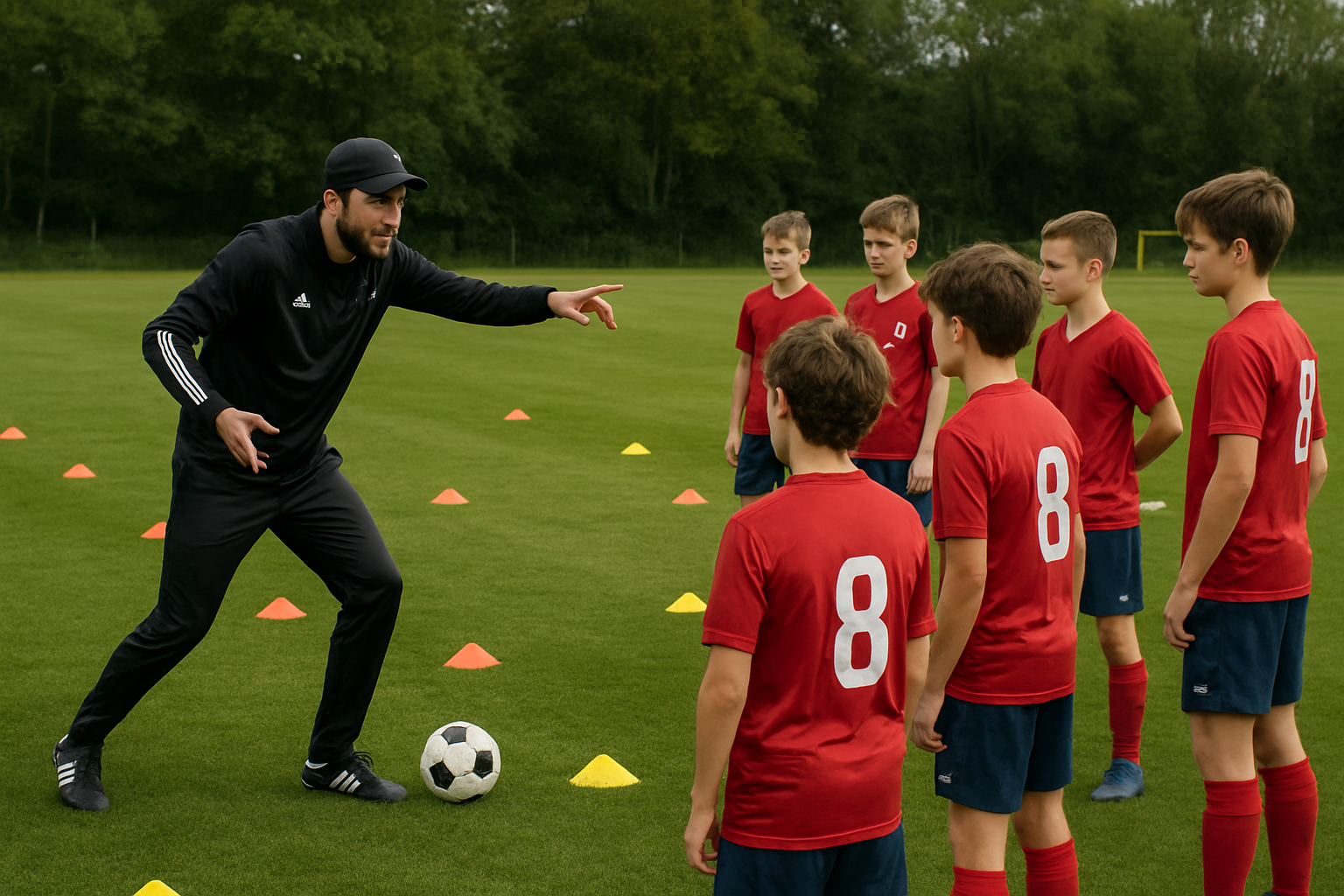
Football Midfielder Training Drills to Enhance Positioning
Incorporating drills like rondos, shadow play, and positional games helps improve midfielder movement patterns and situational awareness. These exercises sharpen passing accuracy, scanning, and spatial decision-making.
Coaches should emphasize repetition and gradual challenge increases, allowing players to develop confidence in holding positions, balancing offense and defense, and executing tactical roles effectively.
Conclusion
Improving midfielder positioning is a long-term process rooted in repetition, feedback, and tactical understanding. Grassroots players benefit from a structured approach that balances technical drills with game-like scenarios, encouraging continual improvement. Parents and coaches should focus on developing the player's awareness and decision-making rather than immediate results. By fostering a clear learning environment with practical drills and progressive feedback, midfielders naturally gain the confidence and skills needed to control the game more effectively. This measured development helps build solid foundations key to success throughout a football journey.
What is midfielder positioning in football?
Midfielder positioning is how a player places themselves on the pitch to support the team’s attack and defense effectively.
How does improving midfield awareness help control the game?
Better awareness helps midfielders anticipate play, create passing options, and maintain team balance, allowing greater game control.
How to improve football skills for midfielder positioning at home?
Practice controlled passing, movement off the ball, and vision exercises like scanning the field to improve positioning outside formal training.
Why am I not getting better at positioning despite regular training?
Improvement may be slow if training lacks focus on game understanding, patience, or repetition of specific positioning drills.
How to train midfield tactical skills in youth football?
Use small-sided games and drills emphasizing space, movement, and quick decisions to build tactical skills gradually.
Why do young players struggle with positioning as midfielders?
It’s often due to limited game experience, lack of spatial awareness, and not receiving clear coaching on positional roles.
What is the best age to start focusing on midfielder positioning in football?
Around U12 to U14 is a good stage to introduce structured positioning concepts as players develop better understanding and discipline.
Related Articles
 Read More about How to Improve Shooting Accuracy in Football: Techniques and Drills for Grassroots Players
How to Improve Shooting Accuracy in Football: Techniques and Drills for Grassroots Players
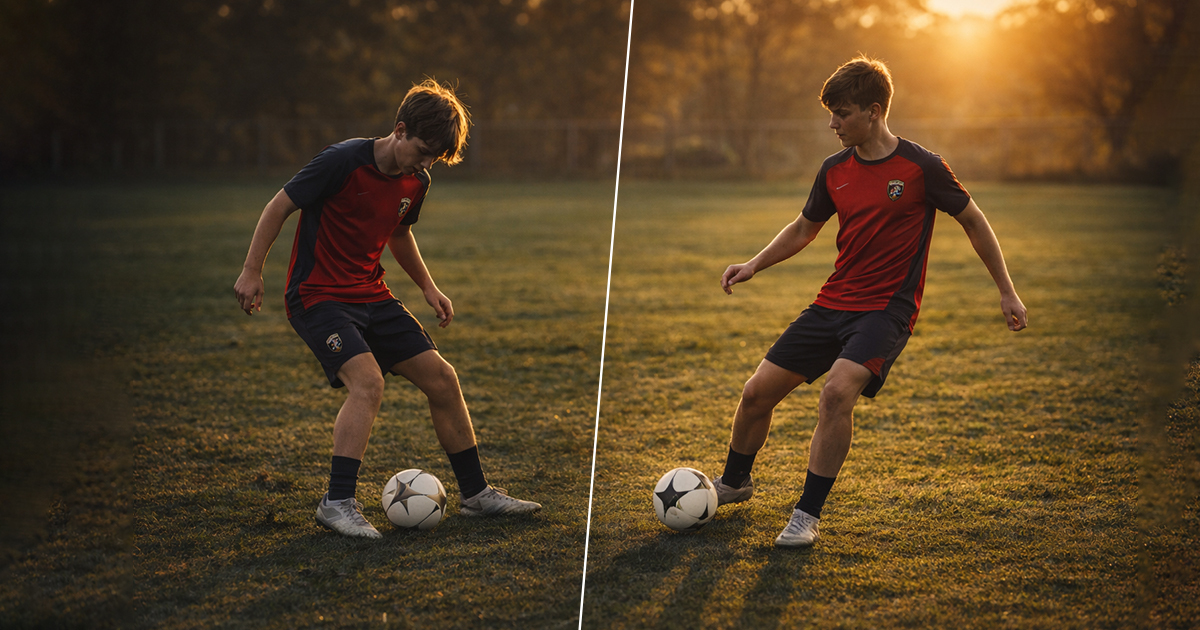 Read More about Common Football Mistakes Young Players Make (And How to Fix Them Early)
Common Football Mistakes Young Players Make (And How to Fix Them Early)
 Read More about Football Training Recovery Tips: How to Recover Properly After Football Training
Football Training Recovery Tips: How to Recover Properly After Football Training
Latest Articles
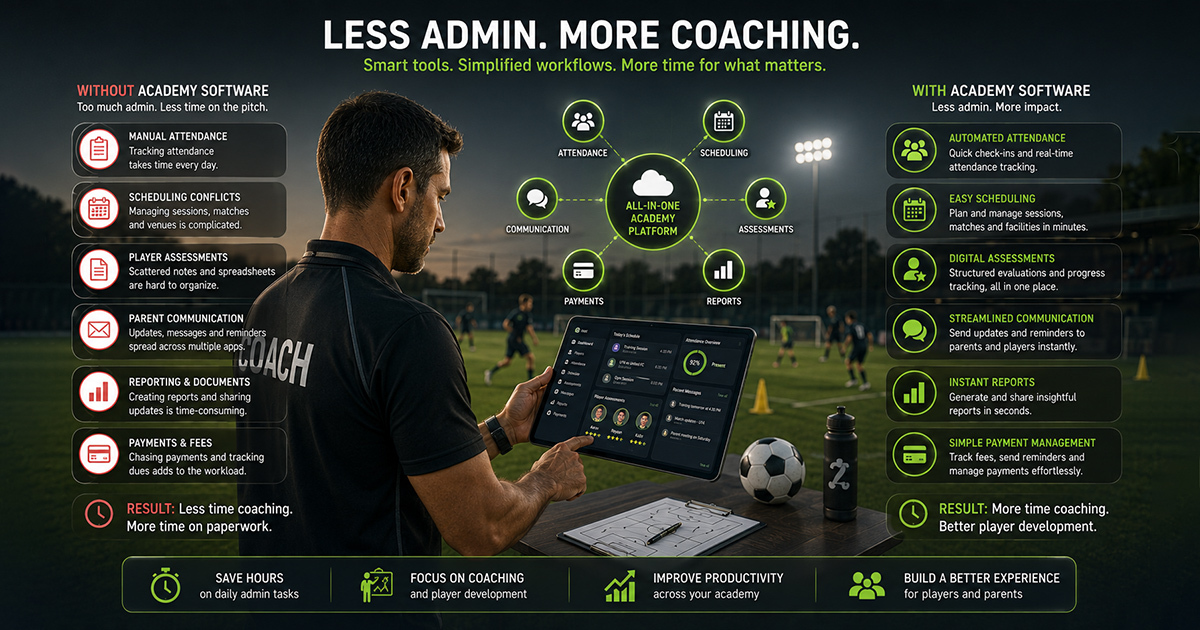 Read More about How Sports Academies Can Reduce Admin Work for Coaches
How Sports Academies Can Reduce Admin Work for Coaches
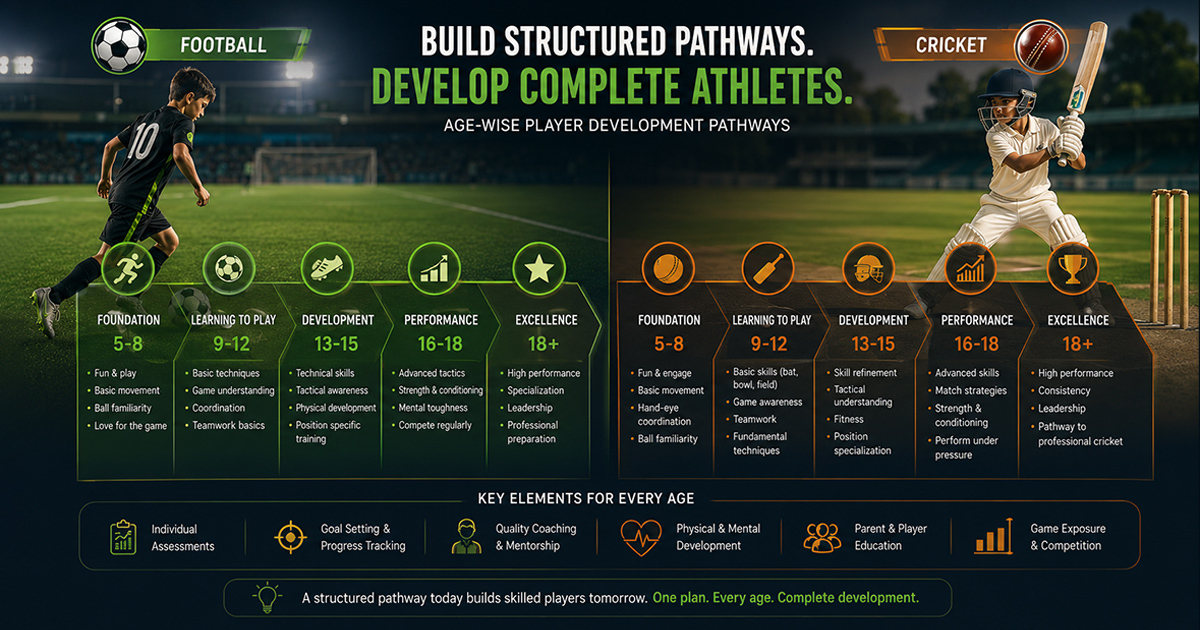 Read More about How to Build Age-Wise Player Development Pathways in Football and Cricket
How to Build Age-Wise Player Development Pathways in Football and Cricket
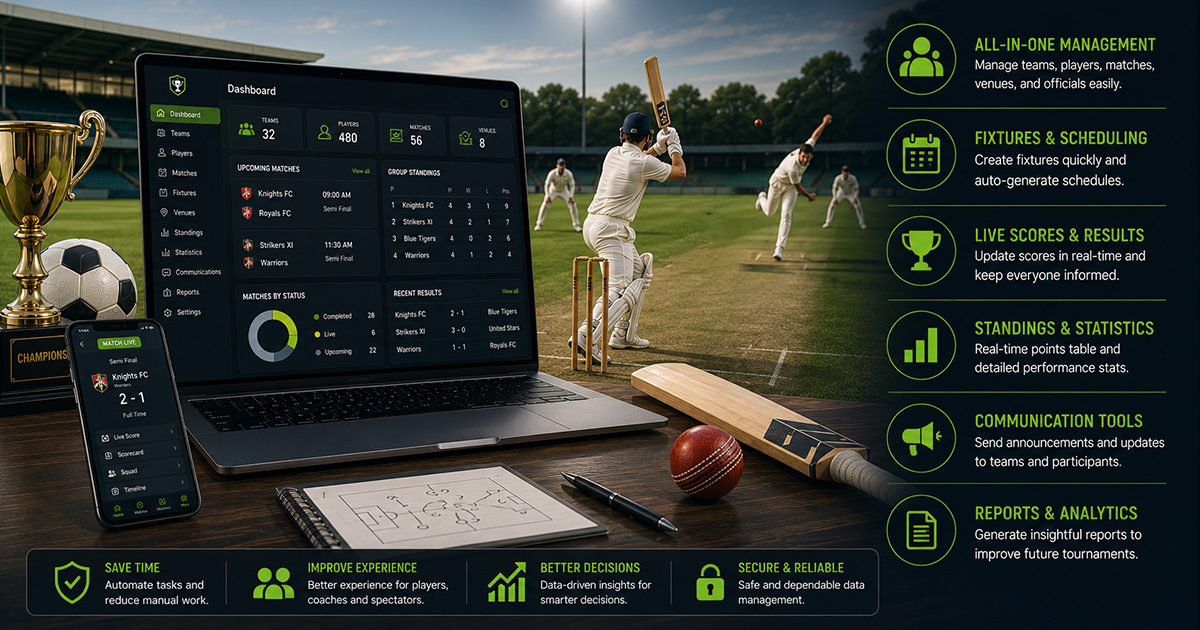 Read More about Tournament Management Software for Football and Cricket Organizers: A Practical Guide
Tournament Management Software for Football and Cricket Organizers: A Practical Guide
Ready to Bring Structure to Your Academy?
Let’s walk through your current setup and show you how 8lete can improve it.


