




Football Training Recovery Tips: How to Recover Properly After Football Training
Proper football training recovery is essential for young players aiming to improve consistently and avoid injuries. Players, parents, and coaches often see progress stall or setbacks from fatigue and strains after intense sessions. This article offers clear, practical football training recovery tips to help the grassroots community develop healthy habits, protect bodies, and accelerate learning in a structured environment.
What Is Football Training Recovery?
Football training recovery is the set of activities and strategies a player uses after a training session or match to restore the body’s energy, repair muscle damage, and reduce injury risk. It ensures players remain fit for their next session and supports long-term development.
Recovery involves more than resting; it integrates nutrition, hydration, stretching, and mental decompression. For players under 21 in grassroots environments, this process builds resilience and maintains consistent improvement over months and years.
Key Components of Effective Post-Training Recovery Football
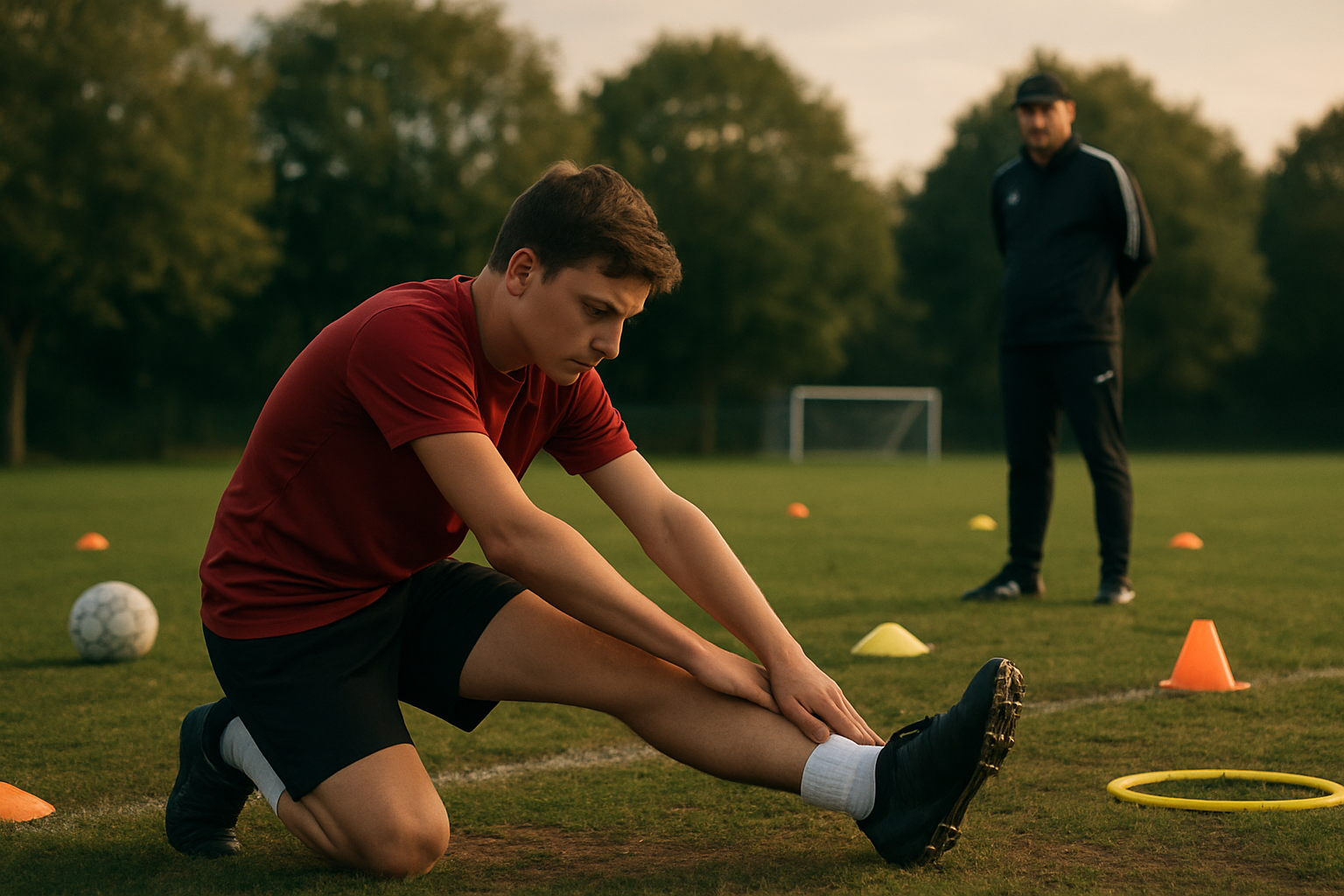
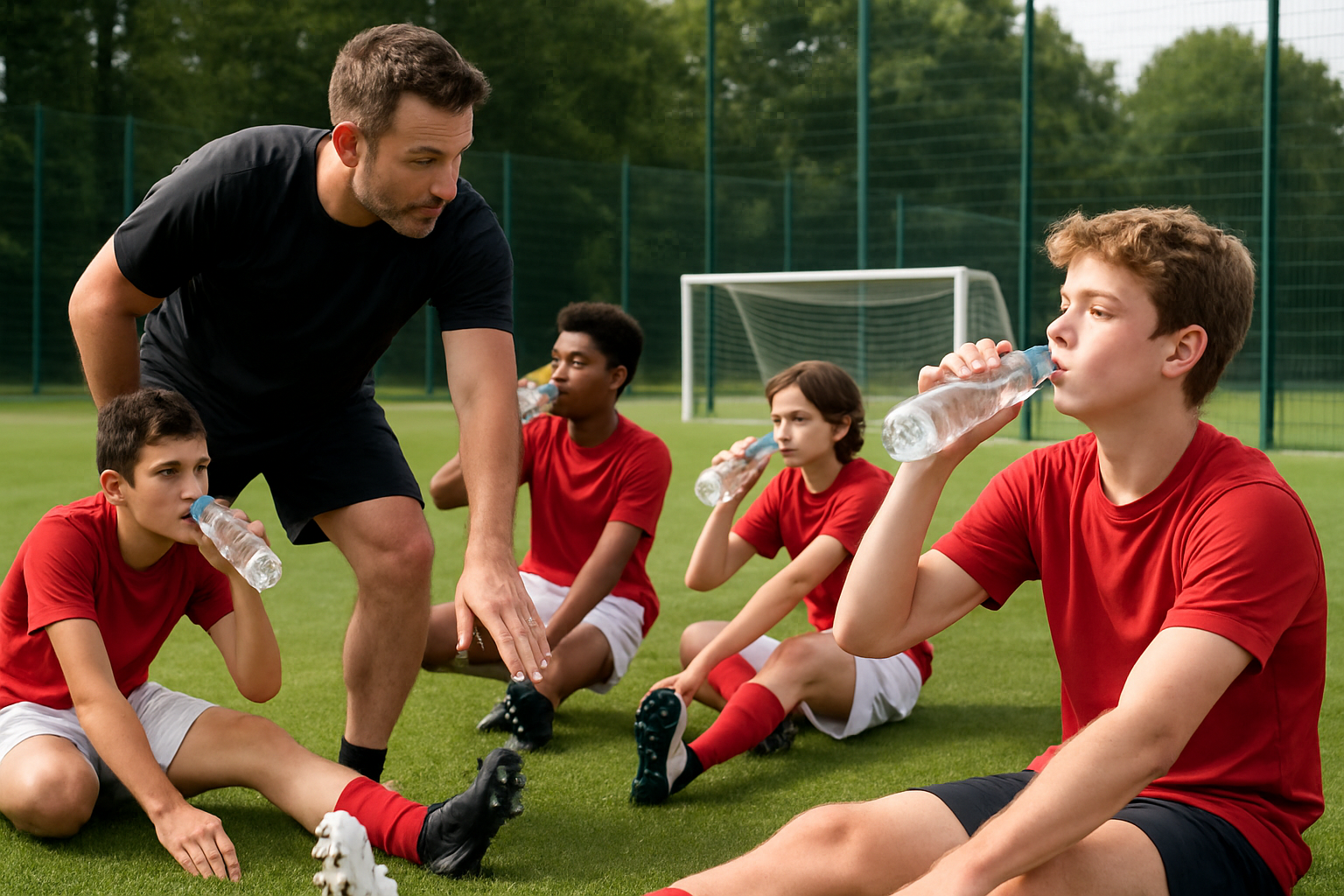
Successful recovery blends physical and mental practices. Immediate post-training activities should focus on rehydration and gentle cooldowns including stretching after football training. This aids muscle relaxation, improves circulation, and reduces stiffness.
Nutrition plays a crucial role. Encouraging players and parents to understand nutrition for football recovery promotes intake of carbohydrates for energy replenishment, protein for muscle repair, and fluids to replace sweat losses.
Why Players Struggle with Injuries Without Proper Recovery
Injuries often result from repeated training without adequate rest and recovery for football players. Fatigue reduces coordination and reaction time, increasing the chance of strains or impact injuries common in youth football. Coaches and parents must recognize signs of overtraining and emphasize recovery as part of development.
Consistent neglect of recovery weakens players physically and mentally, eroding confidence and resulting in erratic performance. Structured programs that incorporate documented recovery schedules help monitor workloads and guide appropriate rest periods.
Practical Recovery Techniques for Grassroots Players
Simple recovery techniques accessible to grassroots players include:
- Active recovery with low-intensity exercises like walking or gentle cycling the day after training
- Focused stretching routines targeting major muscle groups involved in football
- Cold water immersion or ice packs on sore areas to reduce inflammation
- Structured sleep hygiene, ensuring 8-10 hours of quality rest
- Hydration strategies throughout the day, not just during training
These techniques, when regularly applied, support faster repair and prepare the player physically and mentally for the next session.
Consistent recovery routines build the foundation for long-term football improvement and injury prevention.
Practical Implementation for Grassroots Clubs
Clubs and academies can embed best practices for football recovery through education and routine. Coaches should schedule cooldown periods and integrate basic stretching post-session. Offering workshops on recovery importance helps parents support their child’s progress from home.
Tracking individual player recovery activities within academy workflows, combined with monitoring training loads, creates a structured environment that promotes health and sustainable growth. Using simple player development tracking tools, clubs can flag players who need extra rest or altered workloads.
Common Development Mistakes in Football Training Recovery
One of the most frequent errors is skipping cooldowns or ignoring hydration needs after sessions. Another mistake is returning too quickly to high-intensity training after fatigue or minor injuries, which prolongs recovery or causes setbacks.
Parents and coaches sometimes focus too heavily on training volume rather than quality of recovery, slowing long-term development. Teaching players disciplined recovery habits early reinforces good decision-making around health and performance.
How to Improve Recovery Habits as a Player or Parent
Improving recovery begins with awareness and consistency. Players can benefit from simple routines like daily stretching and scheduled hydration breaks. Parents can encourage balanced nutrition and prioritize bedtime routines to aid quality rest.
Open communication with coaches regarding fatigue or soreness helps adjust workloads and avoid injury. Using resources for football player development that offer guidance on recovery practices supports a holistic approach to improvement.
Conclusion
Effective football training recovery tips are a cornerstone for young players who want consistent improvement and injury prevention. Recovery is a deliberate part of the training cycle that involves physical measures like hydration, stretching, and rest alongside good nutrition and mental relaxation. Coaches, parents, and players are partners in building habits centered on recovery, not just work ethic. A structured and patient approach to recovery creates a stronger foundation for long-term development and helps sustain enthusiasm for the game. Understanding and applying these fundamental principles will ultimately support players’ progression, health, and confidence over time.
What is football training recovery?
Football training recovery is the process players use after sessions to restore energy, repair muscles, and reduce injury risk.
How to improve football skills at home through recovery?
Improve by combining proper rest, nutrition, stretching, and hydration to prepare your body for skill training.
How to get better at recovering after football training?
Establish routines including cooldowns, balanced nutrition, active recovery days, and regular sleep schedules.
Why am I not improving despite training hard?
Lack of proper recovery can cause fatigue, making your body less efficient at adapting to training loads.
Why do players struggle with injury prevention in football training?
Ignoring recovery practices and pushing through fatigue increase the risk of strains and other injuries.
Best age to start learning recovery habits for football players?
Recovery habits should begin early, from around 10 years old, to build discipline and awareness from youth stages.

Related Articles
 Read More about How Many Hours Should You Train Football Daily? An Age-Wise Guide for Young Players
How Many Hours Should You Train Football Daily? An Age-Wise Guide for Young Players
 Read More about How to Handle Pressure in Football Matches: Perform When It Matters Most
How to Handle Pressure in Football Matches: Perform When It Matters Most
 Read More about Why Some Football Players Improve Faster Than Others (And How to Catch Up)
Why Some Football Players Improve Faster Than Others (And How to Catch Up)
Latest Articles
 Read More about How Sports Academies Can Reduce Admin Work for Coaches
How Sports Academies Can Reduce Admin Work for Coaches
 Read More about How to Build Age-Wise Player Development Pathways in Football and Cricket
How to Build Age-Wise Player Development Pathways in Football and Cricket
 Read More about Tournament Management Software for Football and Cricket Organizers: A Practical Guide
Tournament Management Software for Football and Cricket Organizers: A Practical Guide
Ready to Bring Structure to Your Academy?
Let’s walk through your current setup and show you how 8lete can improve it.


