




Why Some Football Players Improve Faster Than Others (And How to Catch Up)
Football player improvement tips are crucial for understanding why some young players advance faster than others and how every player can accelerate their development. Parents and players often wonder why talent alone doesn’t guarantee faster progress or why some teammates seem to improve overnight. This article breaks down the real factors behind faster football growth and provides practical advice to help players catch up and keep progressing, grounded in everyday grassroots football environments.
What is the Key to Football Player Improvement?
Football player improvement refers to the ongoing process of developing technical skills, physical fitness, mental understanding, and tactical awareness over time. Improvement depends not only on natural ability but on consistent, deliberate practice combined with strong learning environments and mental resilience.
Players often ask, "How to improve football skills fast?" The answer involves more than just extra training time. It’s about the quality of training, recovery, and structured practice routines focused on meaningful skill acquisition for youth players.
Why Players Improve at Different Rates
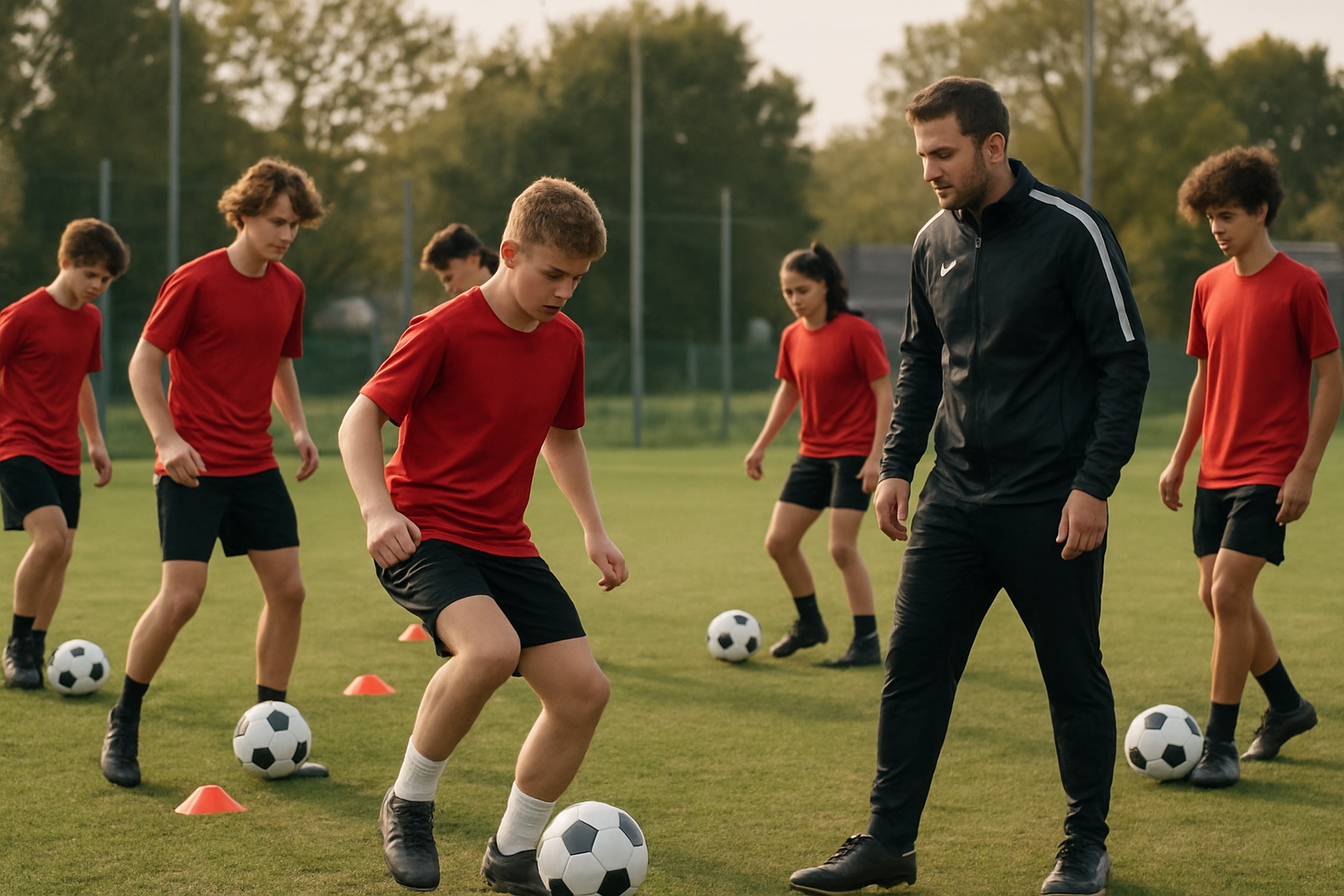
Several factors explain why some footballers develop faster, including variations in training quality, mental approach, physical conditioning, and support systems. Players with structured training that includes feedback and tracking often have a clearer development path. Meanwhile, those facing plateaus might lack adequate recovery or varied training methods to keep progressing.
Coaches and parents should understand these differences to tailor support. Mental training for football players—like focus and resilience—is equally vital as physical drills and match experience. This holistic approach prevents burnout and speeds up football skill acquisition sustainably.
How to Improve Football Skills Fast: Practical Steps
Players wanting to improve quickly should focus on deliberate practice rather than volume alone. Structured football practice routines for youth players maximize effectiveness by targeting weak points and reinforcing strengths. Here’s a simple framework to follow:
- Technical training: Daily drills emphasizing ball control, passing, and shooting under varying pressures.
- Physical conditioning: Regular fitness work to build stamina and agility, essential for lasting performance.
- Mental preparation: Training focus, confidence building, and decision-making through match simulation and reflection.
- Feedback and tracking: Using coach insights and self-review to measure progress and adjust training accordingly.
- Recovery and rest: Ensuring proper rest and nutrition to allow the body and mind to rebuild.
This structured approach aligns with the principles of a strong football player development ecosystem, allowing players and coaches to monitor growth effectively.
Consistent, focused practice backed by mental and physical balance leads to the most reliable football improvement.
Common Development Mistakes Slowing Progress
Many players struggle with plateaus because of inconsistent training or focusing solely on match play rather than structured drills. Overtraining without recovery can cause fatigue and injury, halting improvement. Another common mistake is neglecting mental training, which impacts confidence and decision-making on the pitch.
Parents and coaches can help by encouraging balanced routines that prioritize quality over quantity and integrate physical, technical, and mental work. Avoiding shortcuts and focusing on long-term development ensures steady football player improvement.
Practical Implementation for Grassroots Clubs
Grassroots clubs should build structured training programs that emphasize progressive learning stages supported by regular feedback and player development tracking. Coaches can use simple assessment tools to identify player strengths and areas needing more focus, adapting sessions to meet individual needs within team environments.
Parents play a key role by providing support for mental and physical recovery, encouraging good nutrition and sleep habits outside of training. Clubs that foster clear communication between players, coaches, and families build a collaborative culture that accelerates development.
Speeding Up Football Skill Acquisition Through Mental Training
Mental training is often overlooked but critically influences how fast players learn and adapt. Simple techniques like visualization, goal setting, and mindful breathing enhance focus during training and matches. Coaches should integrate mental exercises into sessions to boost concentration and reduce performance anxiety.
Players developing mental strength tend to react faster and make smarter decisions, directly speeding up skill acquisition. Combining this with a consistent physical and technical program creates a well-rounded training regimen.
Building Football Stamina and Fitness for Long-Term Growth
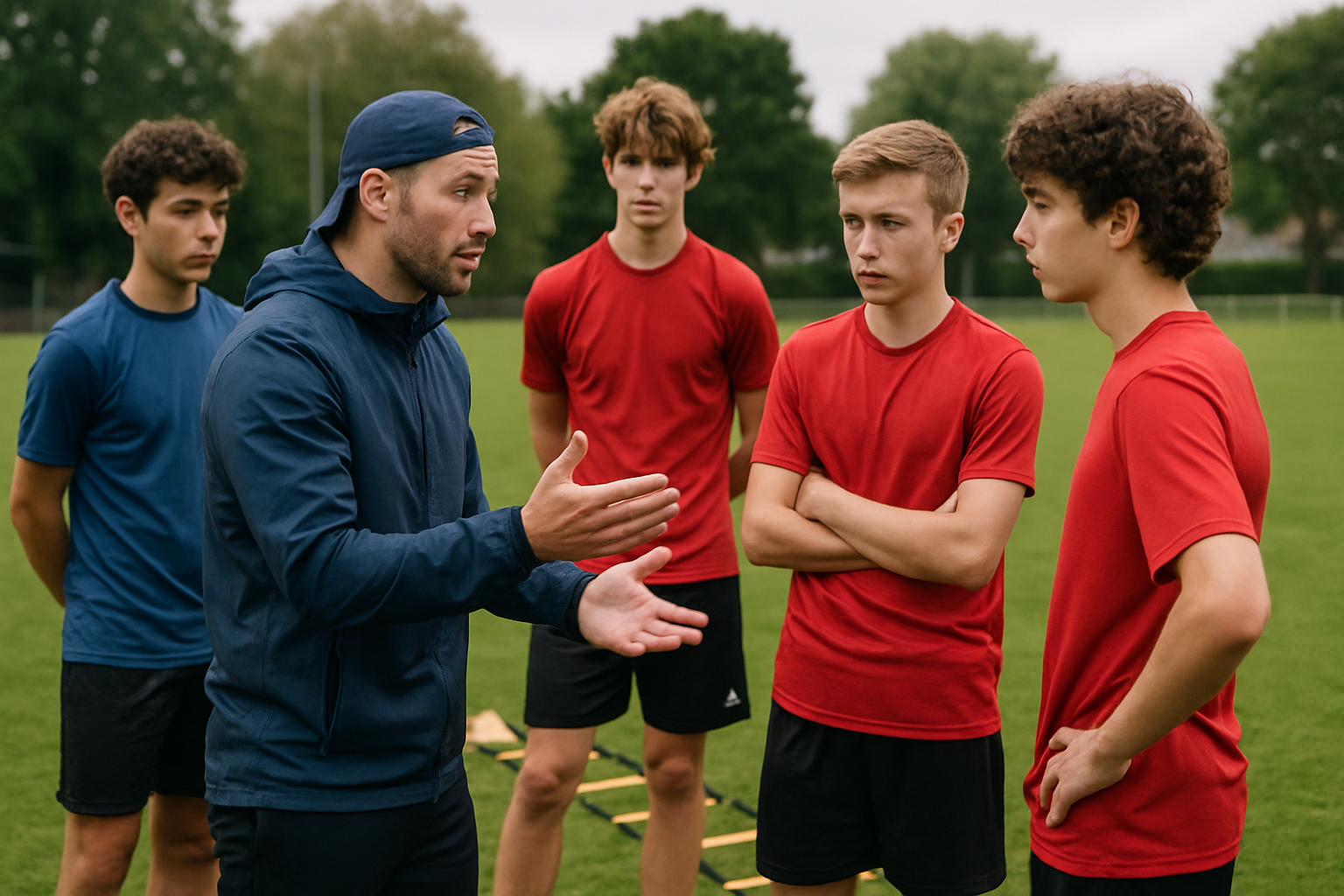
Physical fitness underpins all skill development. Regular conditioning boosts stamina, speed, and agility—key to executing techniques effectively during matches. Grassroots players benefit most from age-appropriate fitness drills combined with rest phases that respect developmental stages.
Clubs should design training schedules that gradually increase intensity, preventing burnout and injury. Parents can support this by encouraging active lifestyles outside formal sessions.
Conclusion
Football player improvement varies because of multiple intertwined factors from technical training to mental resilience and structured support. Players, parents, and coaches must work together, focusing on long-term, balanced development rather than quick fixes. Following well-structured football training techniques for players, including deliberate practice, mental training, fitness, and recovery, creates the environment for steady progress. For players feeling behind, understanding these fundamentals and implementing consistent, targeted routines will help catch up effectively. Grasping this holistic approach aligns with advanced ideas like player development tracking and feedback, making improvement realistic and measurable in grassroots settings.
What is football player improvement?
Football player improvement is the process of developing technical skills, physical fitness, mental toughness, and tactical understanding over time through consistent training.
How does mental training help football players improve?
Mental training enhances focus, confidence, and decision-making, allowing players to perform better during training and matches and speed up skill learning.
How to improve football skills fast at grassroots level?
Focus on deliberate practice targeting specific skills, combined with physical conditioning, mental exercises, proper recovery, and consistent feedback from coaches.
Why am I not improving despite regular practice?
Improvement may stall due to overtraining, lack of varied drills, insufficient recovery, or missing mental focus in your routine.
How to overcome player development plateaus?
Change training routines periodically, include mental skills training, seek feedback, and ensure balanced rest and recovery to break through plateaus.
What are the best football training techniques for youth players?
Techniques focusing on ball control, passing, shooting under pressure, combined with fitness drills and mental exercises, create a balanced development environment.
What is the best age to start structured football training?
Structured training can begin around age 7–8, focusing on basic skills, gradually increasing complexity as players mature physically and mentally.

Related Articles
.jpg) Read More about Why Young Footballers Lose Confidence (And How to Rebuild It Step by Step)
Read More about Why Young Footballers Lose Confidence (And How to Rebuild It Step by Step)Why Young Footballers Lose Confidence (And How to Rebuild It Step by Step)
 Read More about Grassroots Football Talent Identification: What Actually Matters for Long-Term Development
Grassroots Football Talent Identification: What Actually Matters for Long-Term Development
 Read More about How to Measure Football Player Improvement Beyond Just Matches
How to Measure Football Player Improvement Beyond Just Matches
Latest Articles
 Read More about How Sports Academies Can Reduce Admin Work for Coaches
How Sports Academies Can Reduce Admin Work for Coaches
 Read More about How to Build Age-Wise Player Development Pathways in Football and Cricket
How to Build Age-Wise Player Development Pathways in Football and Cricket
 Read More about Tournament Management Software for Football and Cricket Organizers: A Practical Guide
Tournament Management Software for Football and Cricket Organizers: A Practical Guide
Ready to Bring Structure to Your Academy?
Let’s walk through your current setup and show you how 8lete can improve it.


