



How to Measure Football Player Improvement Beyond Just Matches
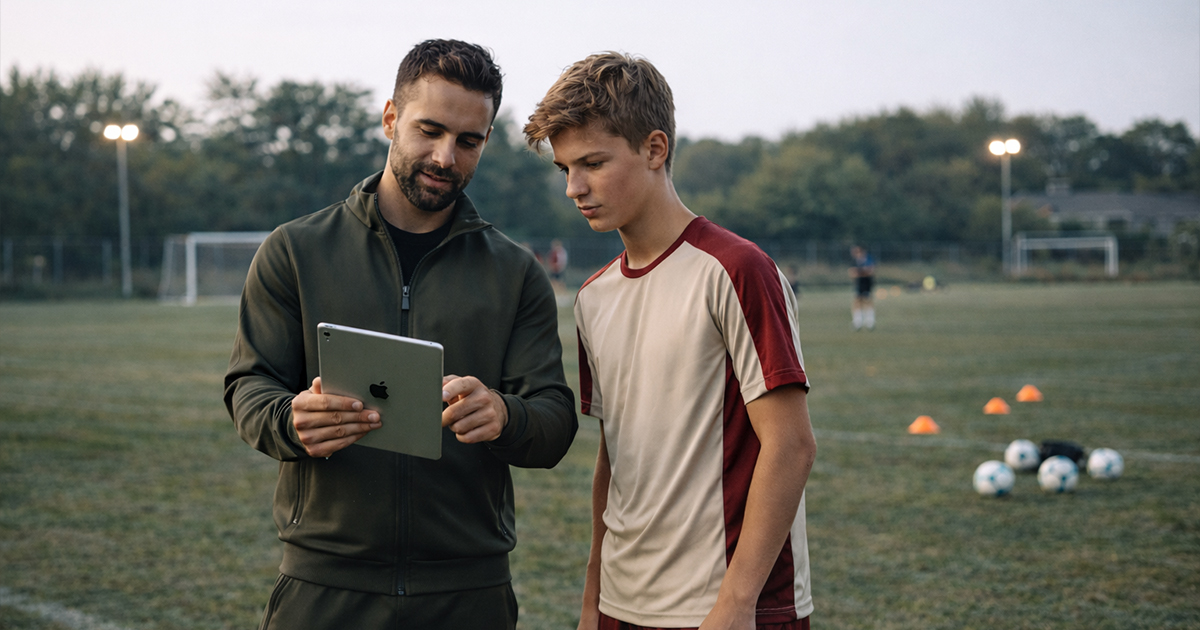
Measuring football player improvement is a challenge many coaches, parents, and players face, especially in grassroots environments where match results alone don’t tell the whole story. Relying solely on match performance overlooks vital progress in skills, decision-making, and physical development. This article explores how to evaluate player growth beyond matches using practical, structured methods that serve long-term player development.
What Is Measuring Football Player Improvement?
Measuring football player improvement means tracking changes in a player’s skills, physical abilities, tactical understanding, and mindset over time through diverse methods beyond just match outcomes.
It focuses on consistent development using objective measures such as training drills results, skill assessments, and feedback to understand how a player is progressing in all aspects of the game.
Why Relying Only on Matches Limits Player Evaluation
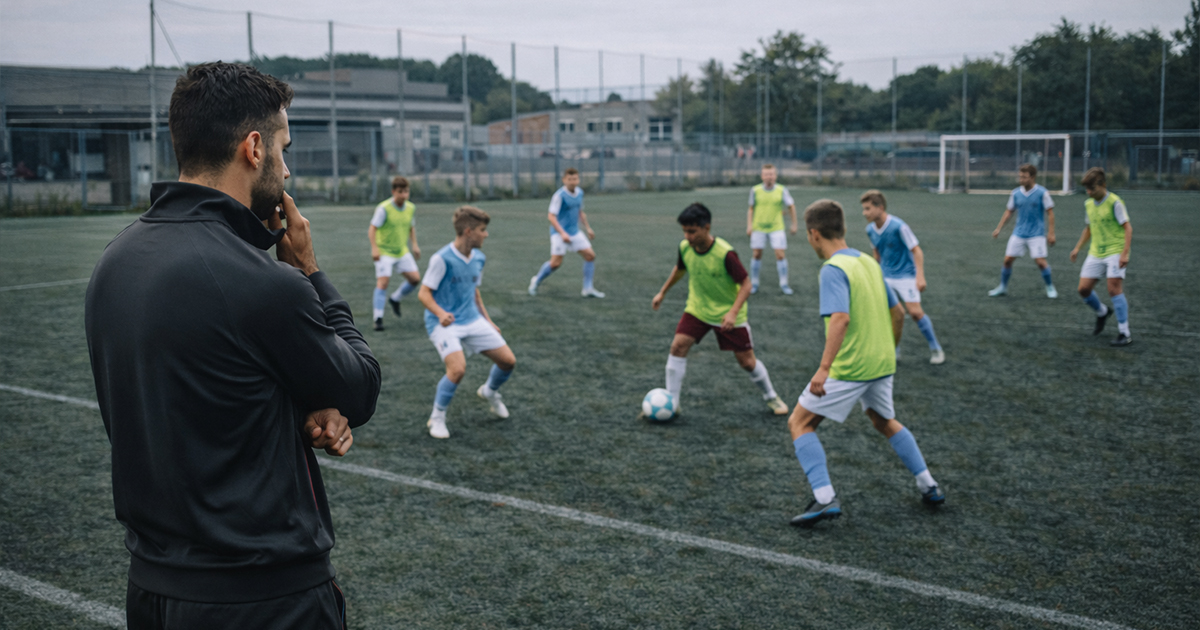
Matches reflect how a player performs under pressure but can be misleading if used alone. Factors like team tactics, opposition strength, or match day conditions affect performance and don’t always highlight individual growth.
For coaches and parents, this narrow focus can cause frustration, hiding real progress made during training or in less obvious skill areas such as decision-making, positioning, and mental resilience.
Key Football Player Performance Metrics Beyond Matches
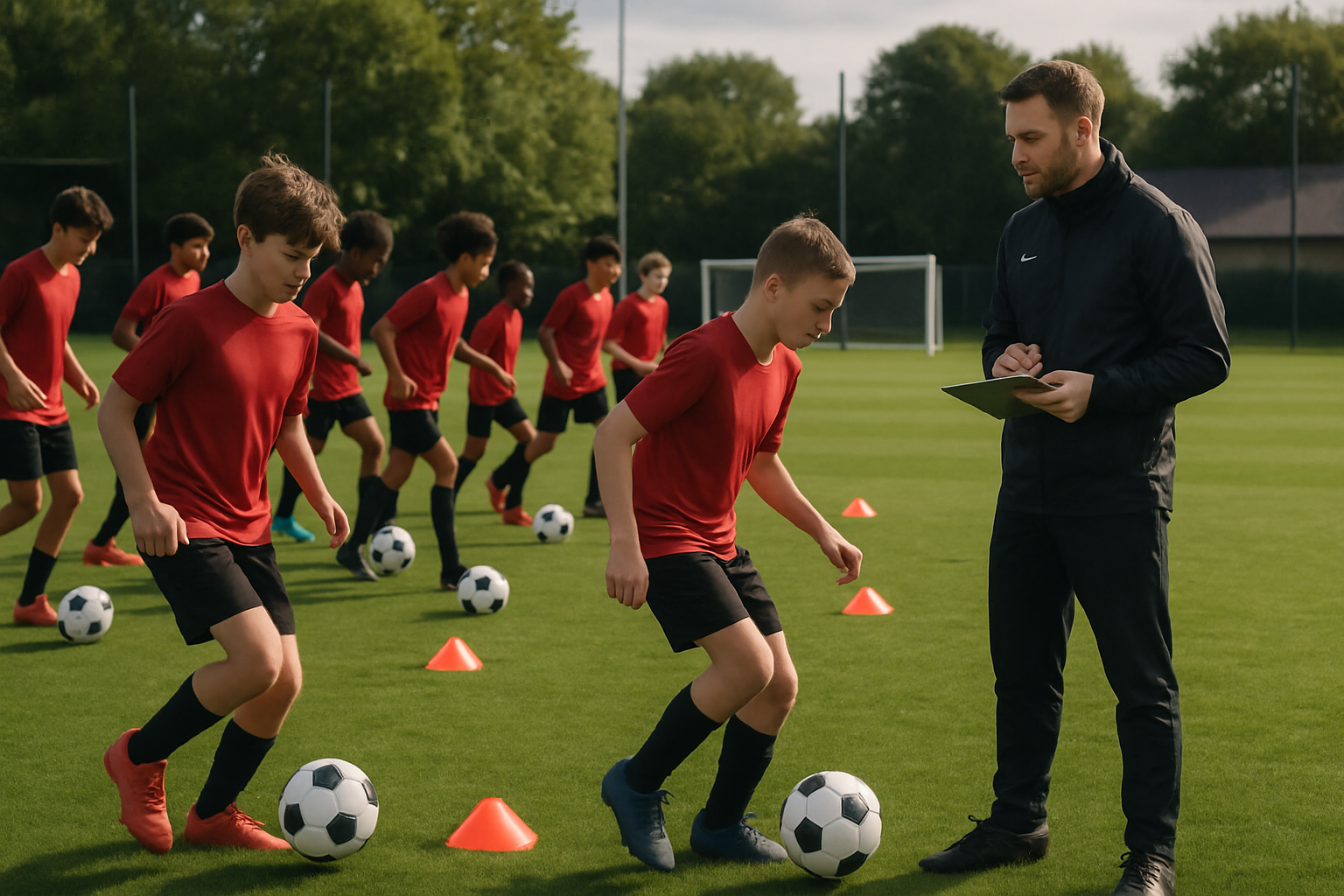
To get a fuller picture, coaches should use metrics that cover physical, technical, and mental aspects. These include:
- Technical skill consistency in passing, shooting, dribbling during drills
- Physical attributes like speed, agility, endurance measured in controlled tests
- Decision-making and tactical awareness in training scenarios
- Work rate and focus during sessions tracked by coaches
- Mental and emotional responses to challenges and recovery routines
Tracking these metrics regularly builds a clearer development profile that supports structured long-term growth.
Practical Implementation for Grassroots Clubs
For clubs and academies, setting up routines around non-match evaluation techniques is essential. Begin with:
- Regular technical drills targeting passing accuracy, ball control, dribbling under pressure
- Physical fitness tests adapted to age and development stage
- Scenario-based training to assess tactical decisions
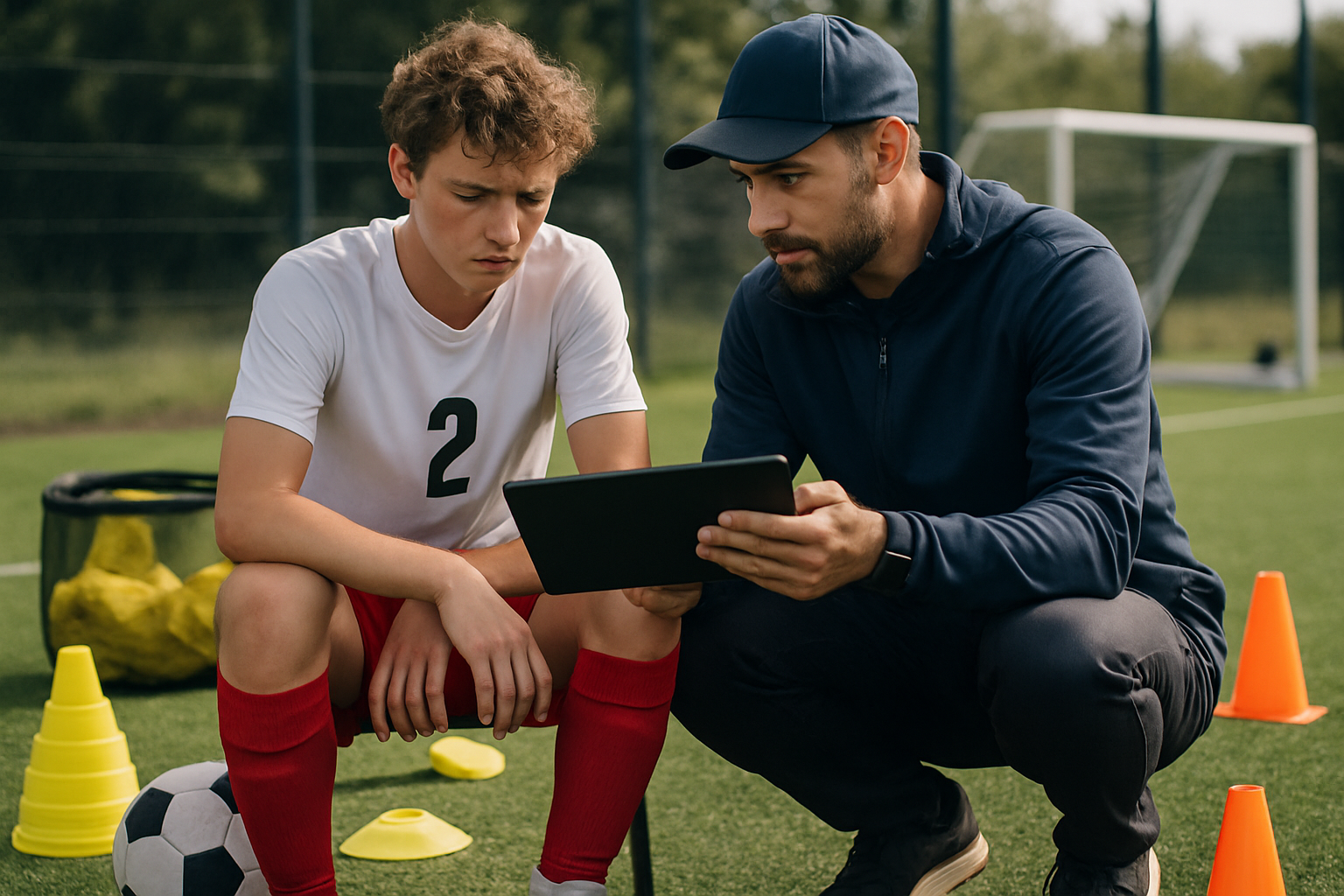
- Consistent video or live feedback sessions where coaches highlight improvement areas
- Use of simple performance analysis tools to track individual player habits and progress over weeks and months
Balance these training insights with match observations to support well-rounded player evaluation.
Consistent tracking of skills and fitness in training provides a clearer view of player improvement than match results alone.
Common Development Mistakes in Player Evaluation
A typical mistake is overemphasizing flashy match moments while ignoring steady progress in training drills or mental development. Other errors include:
- Neglecting to measure improvements outside of games, such as learning new skills or recovery habits
- Relying on subjective judgment rather than objective data from drills or fitness tests
- Failing to track progress consistently, missing patterns over time
- Ignoring player self-assessment and reflection, which helps mental growth
Addressing these mistakes ensures more effective player development tracking and clearer communication with players and parents.
How to Use Training Drills for Player Development Assessment
Structured training drills are excellent for evaluating specific skills and identifying development areas. For example:
- Passing drills that measure accuracy and speed
- Dribbling exercises with increasing difficulty and pressure
- Small-sided games that simulate match situations focusing on decision-making
- Physical challenges oriented around sprint and agility tests
Documentation of performance in these drills helps coaches provide targeted feedback and track improvements over time.
Implementing Long Term Player Development Tracking Systems
To maintain a clear picture of player growth, academies can adopt structured tracking workflows involving:
- Baseline assessments at the start of each development phase
- Regular check-ins combining physical, technical, and mental evaluations
- Use of performance analysis tools with visual feedback for players
- Incorporating player self-reflection components
- Sharing reports with parents and coaches to maintain transparency
This approach encourages continuous learning and supports planning of individualized training programs.
Conclusion
Measuring football player improvement beyond matches is vital for meaningful, long-term development. Coaches, academies, parents, and players should focus on holistic progress using structured training drills, performance metrics, and consistent tracking. Relying solely on match results misses critical facets like skill refinement, physical growth, and mental resilience. Implementing regular skill assessments, scenario-based evaluations, and player feedback loops ensures a clear growth path that benefits every player in grassroots football. This comprehensive evaluation approach, connected to the wider player ecosystem, supports more informed decisions and fosters a culture grounded in real player progression rather than short-term outcomes.
What is measuring football player improvement?
It means tracking a player’s skills, physical abilities, tactical understanding, and mindset over time using methods beyond just match results.
How does evaluating player progress beyond matches help development?
It shows growth in technical skills, decision-making, and physical fitness that matches alone might not reveal, enabling targeted training.
How to improve football skills using training drills at home or in sessions?
Focus on drills for passing, dribbling, and control, gradually increasing difficulty and pressure, and seek regular feedback on technique.
Why do players struggle to improve if they only focus on game performance?
Because match play is unpredictable and doesn’t consistently develop individual skills or physical attributes without focused practice.
What is the best training routine for young footballers to show consistent progress?
A balanced routine with technical drills, physical conditioning, tactical learning, and mental recovery, repeated regularly over time.
Why am I not getting selected in football trials despite training hard?
Selection depends on multiple factors including tactical awareness, physical preparedness, and consistency shown in training, not only effort.
How long does it take to see measurable improvement in football skills through structured training?
Visible progress can take several weeks to months, depending on training consistency, age, and focus on all development areas.
Related Articles
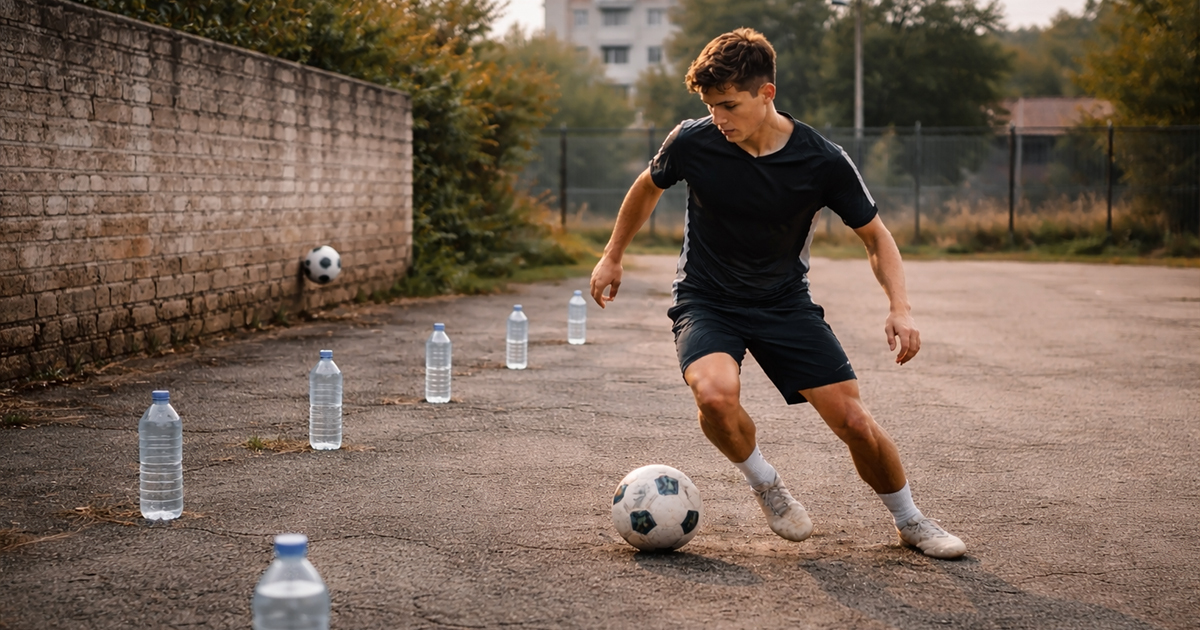 Read More about How to Train Football Independently: A Guide for Players and Parents
How to Train Football Independently: A Guide for Players and Parents
 Read More about How to Improve Dribbling in Football for Beginners: Simple Drills That Work
How to Improve Dribbling in Football for Beginners: Simple Drills That Work
 Read More about Overcoming Football Skill Plateaus: What to Do When Your Progress Feels Stuck
Overcoming Football Skill Plateaus: What to Do When Your Progress Feels Stuck
Latest Articles
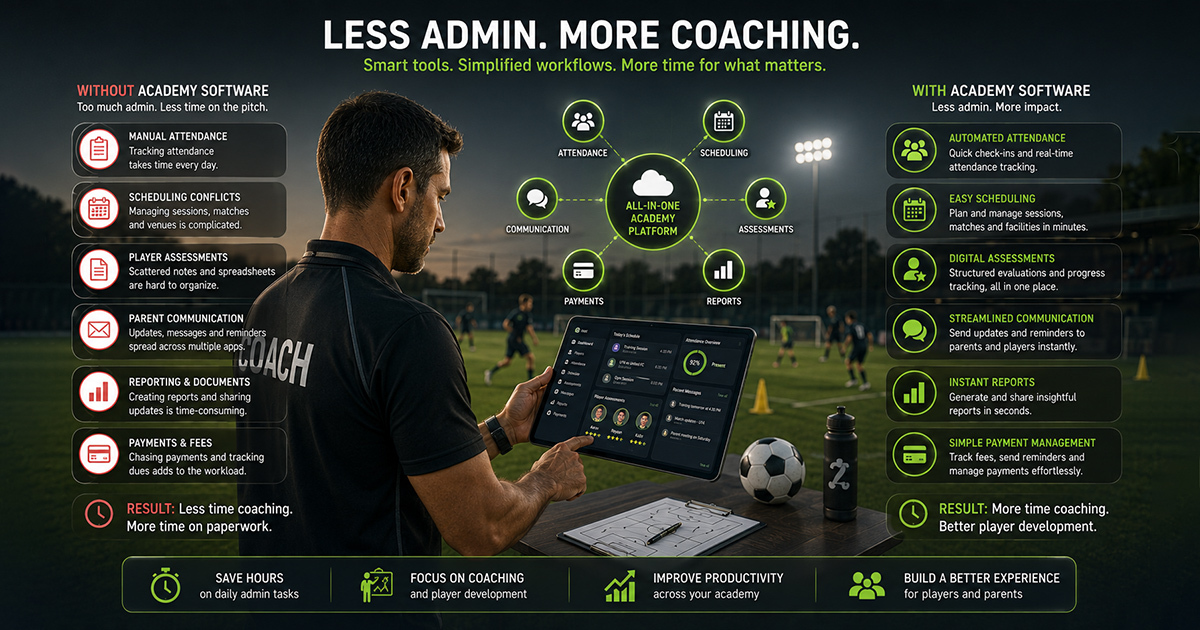 Read More about How Sports Academies Can Reduce Admin Work for Coaches
How Sports Academies Can Reduce Admin Work for Coaches
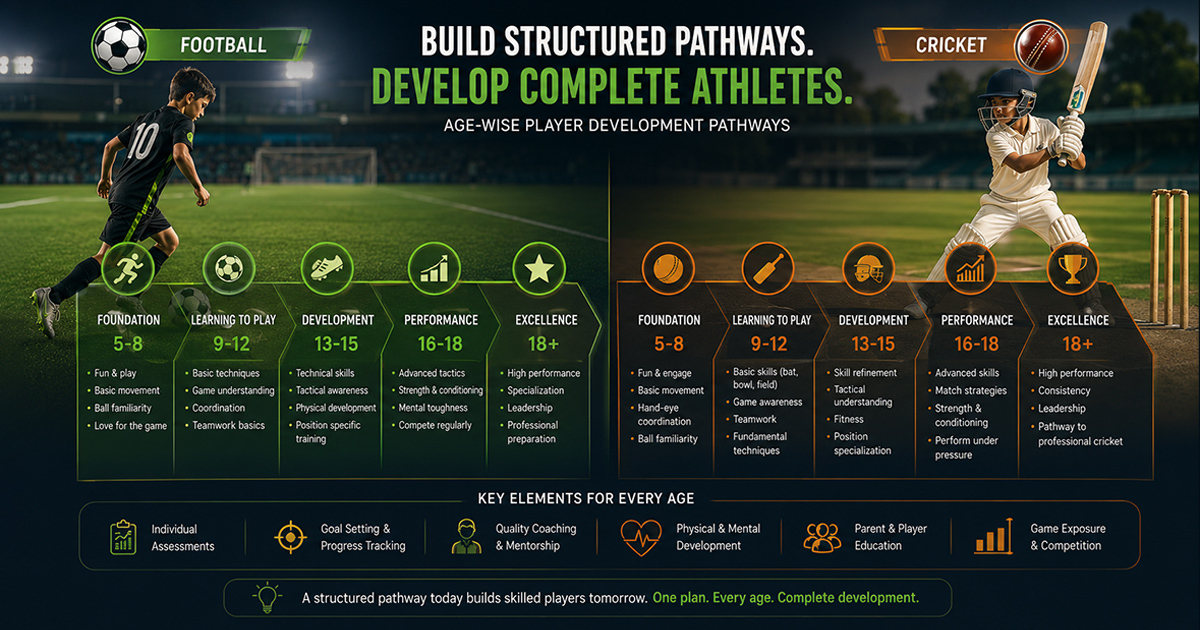 Read More about How to Build Age-Wise Player Development Pathways in Football and Cricket
How to Build Age-Wise Player Development Pathways in Football and Cricket
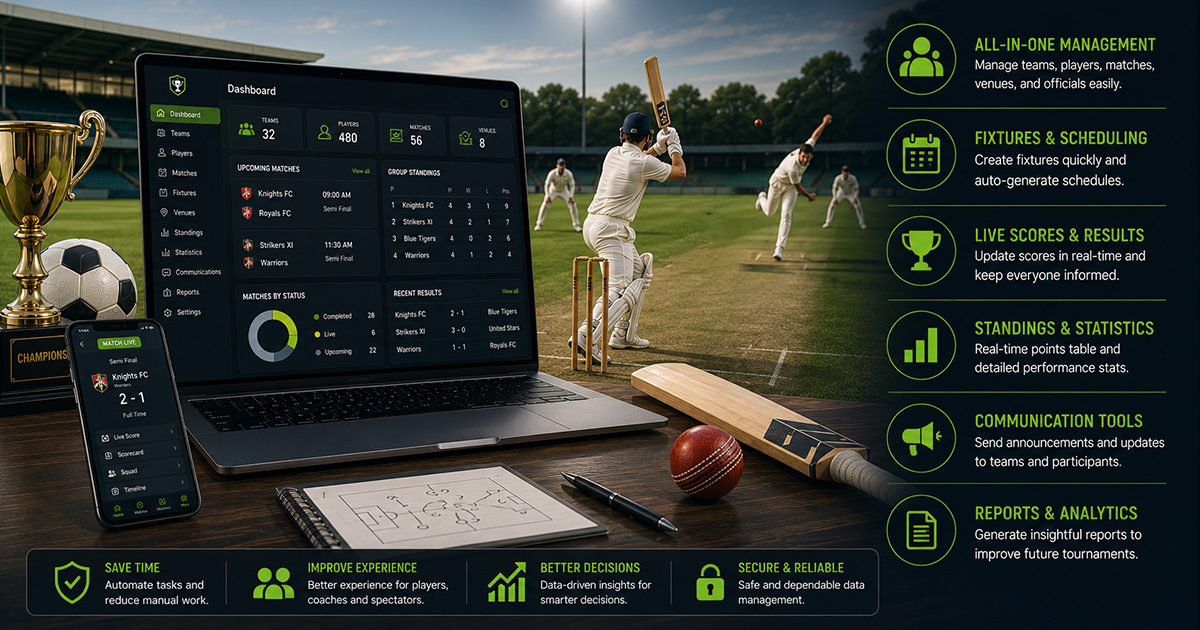 Read More about Tournament Management Software for Football and Cricket Organizers: A Practical Guide
Tournament Management Software for Football and Cricket Organizers: A Practical Guide
Ready to Bring Structure to Your Academy?
Let’s walk through your current setup and show you how 8lete can improve it.


