




Overcoming Football Skill Plateaus: What to Do When Your Progress Feels Stuck
Feeling stuck in your football progress, despite regular training, is a common challenge for young players and parents invested in development. Overcoming football skill plateaus requires a clear understanding of what causes these stalls and practical steps to push beyond them. This article breaks down realistic approaches to regaining momentum in skill growth, spotlighting both mental and physical strategies accessible to grassroots players and coaches.
What Is Overcoming Football Skill Plateaus?
Overcoming football skill plateaus means actively identifying when progress in skill development stalls and using targeted methods to renew improvement. Plateaus often occur after initial rapid growth phases, where further gains feel harder to achieve despite continued effort.
Recognising this phase helps players, parents, and coaches adjust training focus and expectations, enabling more sustainable and structured growth in long-term football development.
Common Reasons for Stalled Football Progress
Many young players face plateaus due to factors like repetitive, unvaried training routines, lack of mental focus, or insufficient challenge. Sometimes, physical growth phases impact coordination temporarily, and inadequate recovery can hinder improvement.
Coaches and parents should also consider the learning environment. Without clear feedback or measurable goals, players may lose direction or motivation, slowing progress despite effort.
How to Improve Football Skills When Feeling Stuck
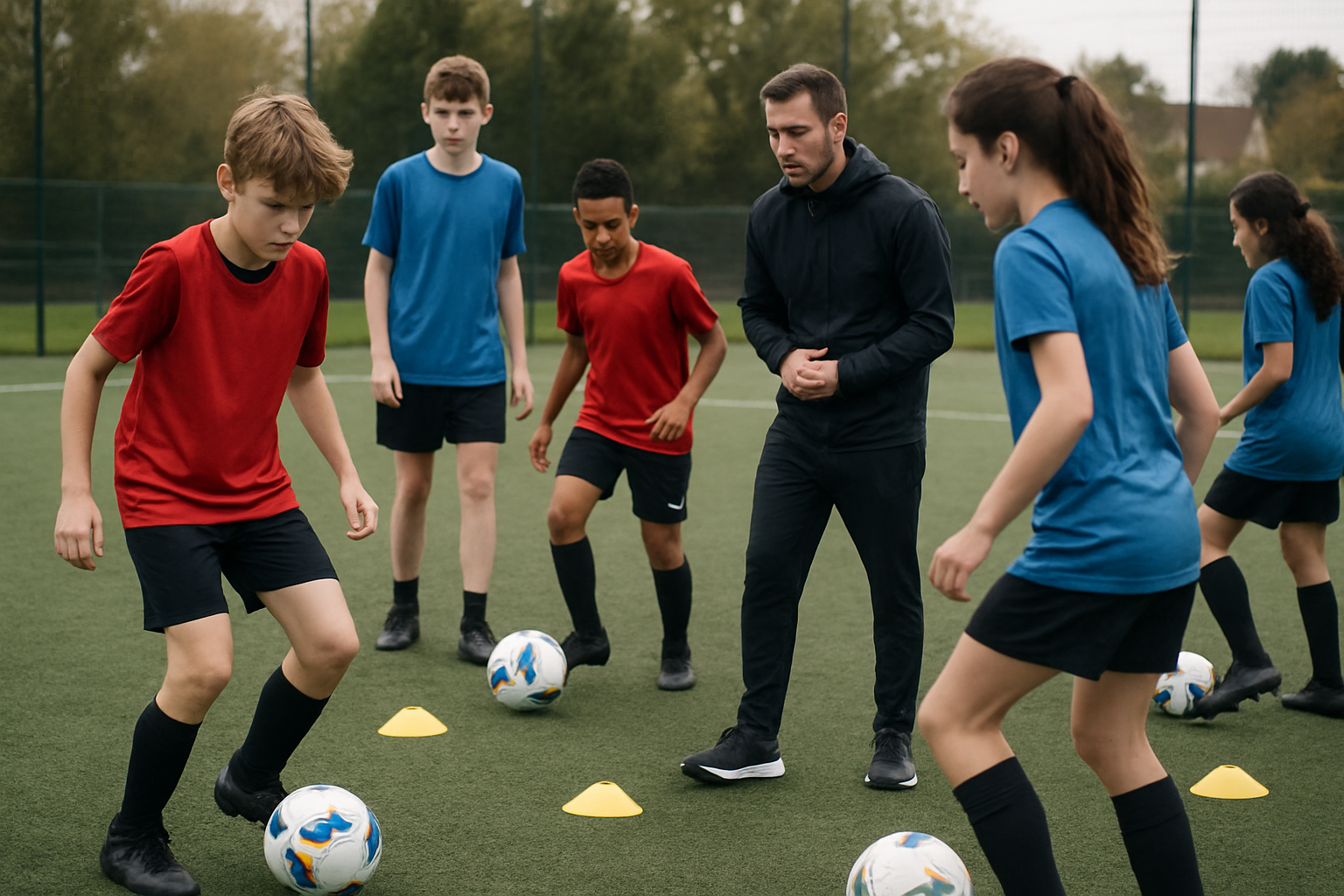
Breaking through football development plateaus starts with adjusting training habits. Introducing varied and progressively challenging drills can re-engage physical skills and decision-making. Structured football practice routines should balance repetition with novel scenarios to develop adaptability.
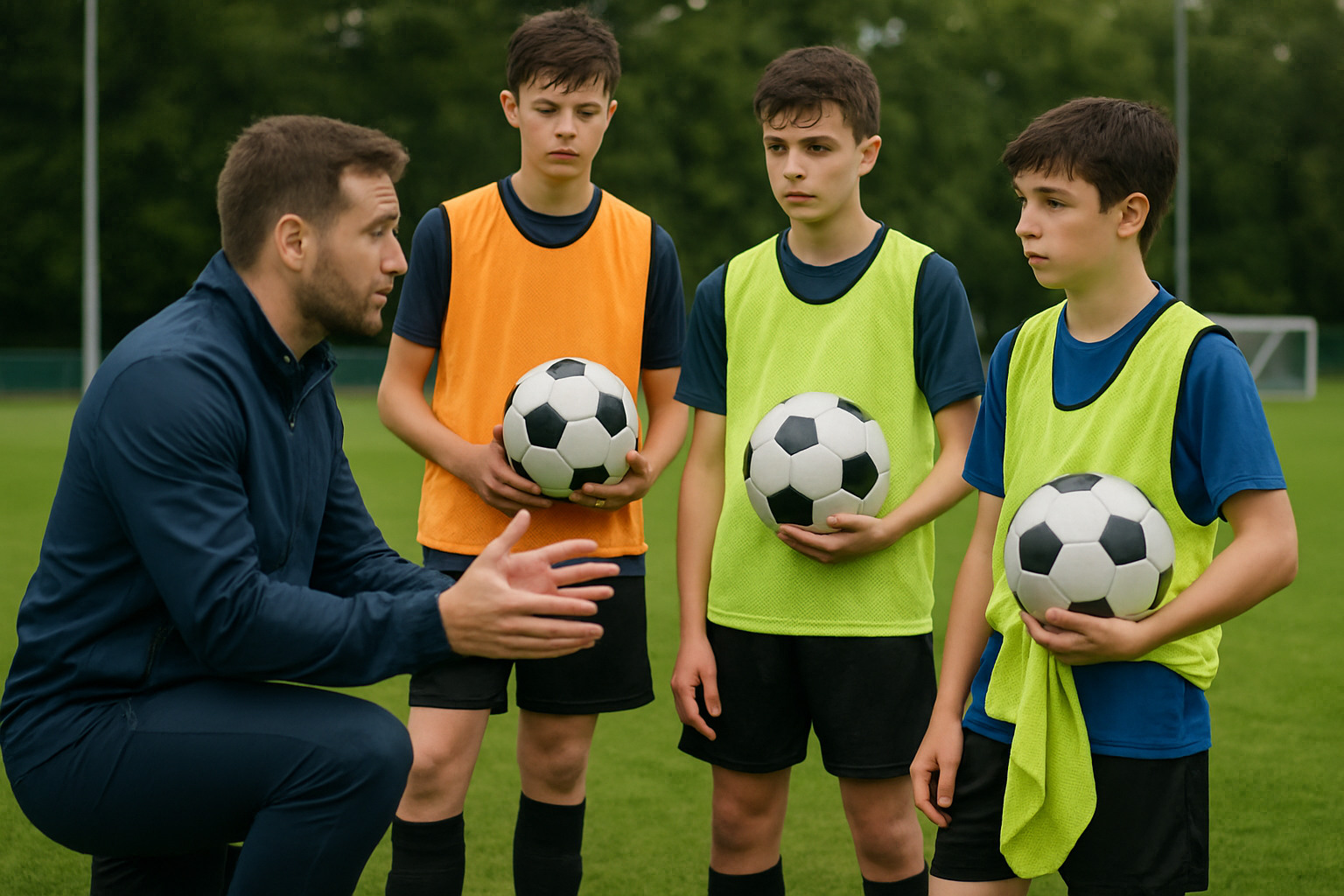
Mental strategies also play a vital role. Encouraging reflective sessions after training or matches helps players identify specific areas needing attention and track subtle improvements. Regular feedback combined with realistic goal-setting enhances motivation and focus.
Practical Implementation for Grassroots Clubs
At the club or academy level, overcoming plateaus benefits from structured training systems that track player progress consistently. Coaches should create individualized development plans that address physical, technical, and mental growth aspects while keeping communication with parents transparent.
Incorporating tools for player development tracking enables more precise assessment of skill plateaus and targeted intervention. This approach ensures that players receive the right balance of challenge and support aligned with their development stage.
Consistent feedback and small goals help players move past skill plateaus effectively.
Common Development Mistakes to Avoid
Relying too heavily on repetitive drills without variation can lead to boredom and physical stagnation. Similarly, overlooking mental aspects such as player motivation or recovery needs can stall progress unnoticed.
Pressure to perform or unrealistic expectations from parents and coaches may also lead to frustration. Maintaining a long-term development mindset focused on small, consistent improvements helps prevent these setbacks.
Mental Strategies for Football Improvement
Developing resilience and patience is key when facing plateaus. Integrating goal-setting frameworks like short-term technical targets combined with visualisation or mindfulness techniques can sharpen focus and reduce performance anxiety.
Parents and coaches should reinforce positive progress feedback, helping players stay motivated and confident. Creating a supportive atmosphere encourages healthy risk-taking and learning from mistakes.
Structured Framework to Break Through Plateaus
A practical framework for overcoming football skill plateaus includes 4 key steps: Training → Feedback → Tracking → Progression. Start by introducing targeted training activities, follow with detailed feedback focusing on specific skills, track improvements consistently, and adjust the program progressively.
This cycle encourages continuous reflection and adjustment, essential for sustained player growth across grassroots levels.
Conclusion
Overcoming football skill plateaus is a challenge that every young player encounters at some point. It requires a patient, structured approach combining varied training, mental strategies, consistent feedback, and goal-oriented tracking. Coaches and parents play a crucial role in creating environments where players feel supported and motivated to persevere. By focusing on these practical steps and understanding the underlying causes of stalled progress, players can regain momentum and continue their long-term development journey. Encouraging steady progress over quick fixes fosters resilience and deeper learning, essential qualities for lasting success on the football field and beyond.
What is a football skill plateau and why does it happen?
A football skill plateau is a period where progress slows or stops despite continued training. It happens due to repetitive routines, physical growth phases, or mental fatigue.
How to improve football skills when feeling stuck?
Introduce varied drills, focus on mental reflection, set specific goals, and ensure balanced physical recovery to break through plateaus.
Why am I not improving even though I train regularly?
Stalled progress often results from lack of challenge in training, poor recovery, or insufficient feedback to guide improvements.
How to train effectively to avoid skill plateaus?
Use structured training routines with progressive difficulty, incorporate new challenges regularly, and track progress with feedback.
What are mental strategies for football improvement?
Mental strategies include goal-setting, visualization, mindfulness, and maintaining motivation through positive reinforcement.
Why do players struggle to maintain motivation in football development?
Players may lose motivation due to unclear goals, repeated training without variation, or pressure to perform quickly.
What is the best age to start structured football training?
Structured training can begin around age 8–10, focusing on fundamental skills with gradual complexity as the player grows.

Related Articles
.jpg) Read More about How to Improve Football IQ for Young Players: Practical Steps for Development
Read More about How to Improve Football IQ for Young Players: Practical Steps for DevelopmentHow to Improve Football IQ for Young Players: Practical Steps for Development
 Read More about Why Players Perform Well in Training But Fail in Matches (And How to Fix It)
Why Players Perform Well in Training But Fail in Matches (And How to Fix It)
 Read More about How to Build Discipline in Young Football Players: Habits That Last
How to Build Discipline in Young Football Players: Habits That Last
Latest Articles
 Read More about How Sports Academies Can Reduce Admin Work for Coaches
How Sports Academies Can Reduce Admin Work for Coaches
 Read More about How to Build Age-Wise Player Development Pathways in Football and Cricket
How to Build Age-Wise Player Development Pathways in Football and Cricket
 Read More about Tournament Management Software for Football and Cricket Organizers: A Practical Guide
Tournament Management Software for Football and Cricket Organizers: A Practical Guide
Ready to Bring Structure to Your Academy?
Let’s walk through your current setup and show you how 8lete can improve it.


