



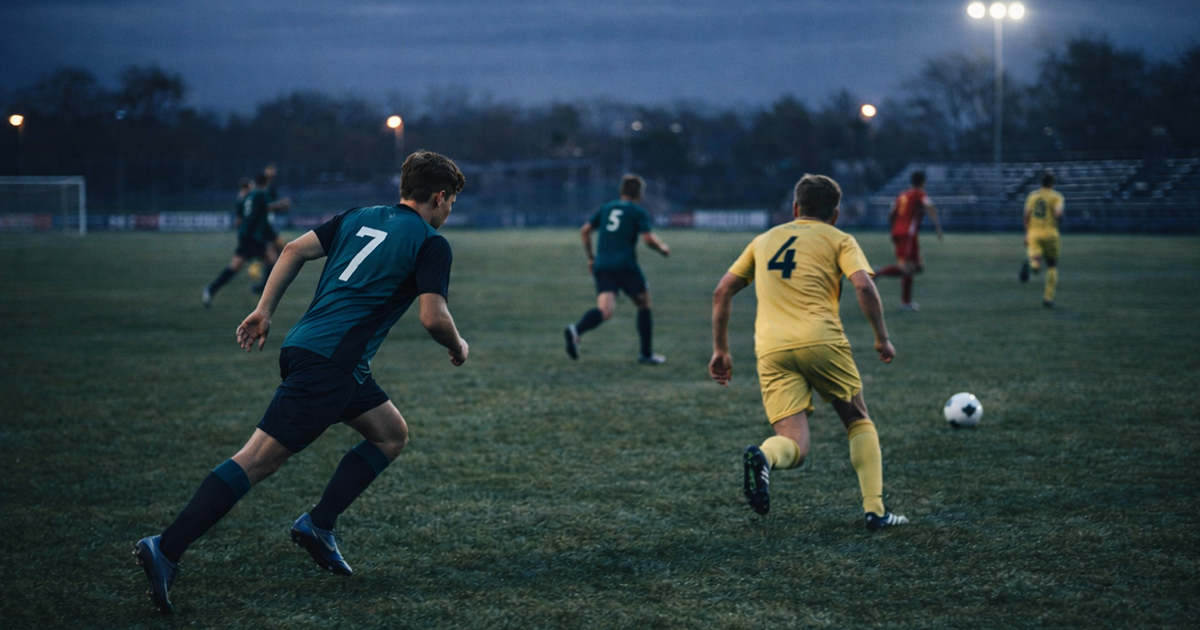
Why Players Perform Well in Training But Fail in Matches (And How to Fix It)
Many youth football players show excellent skills and confidence during training sessions yet struggle to perform with the same quality in actual matches. This gap between training and match day is a common challenge that frustrates players, coaches, and parents alike. Improving match performance in youth football means understanding not just physical readiness but also mental and emotional factors that come into play during competition. This article explores why this discrepancy happens and offers practical steps to help players deliver consistent performances where it counts most.
What is the Gap Between Training and Match Performance?
Bridging training and match performance means helping players transfer the technical skills and tactical understanding gained in training into the unpredictable, pressure-filled environment of a match. While training sessions focus on repetition, controlled situations, and learning specific drills, matches present dynamic challenges including opposition pressure, crowd influence, refereeing, and the player's own emotional response.
The mismatch often occurs because players are less mentally prepared for the game’s intensity and decision-making demands. Additionally, anxiety and confidence can affect how comfortable a player feels executing skills under pressure. Understanding the psychological factors affecting football players is as important as physical training for consistent match impact.
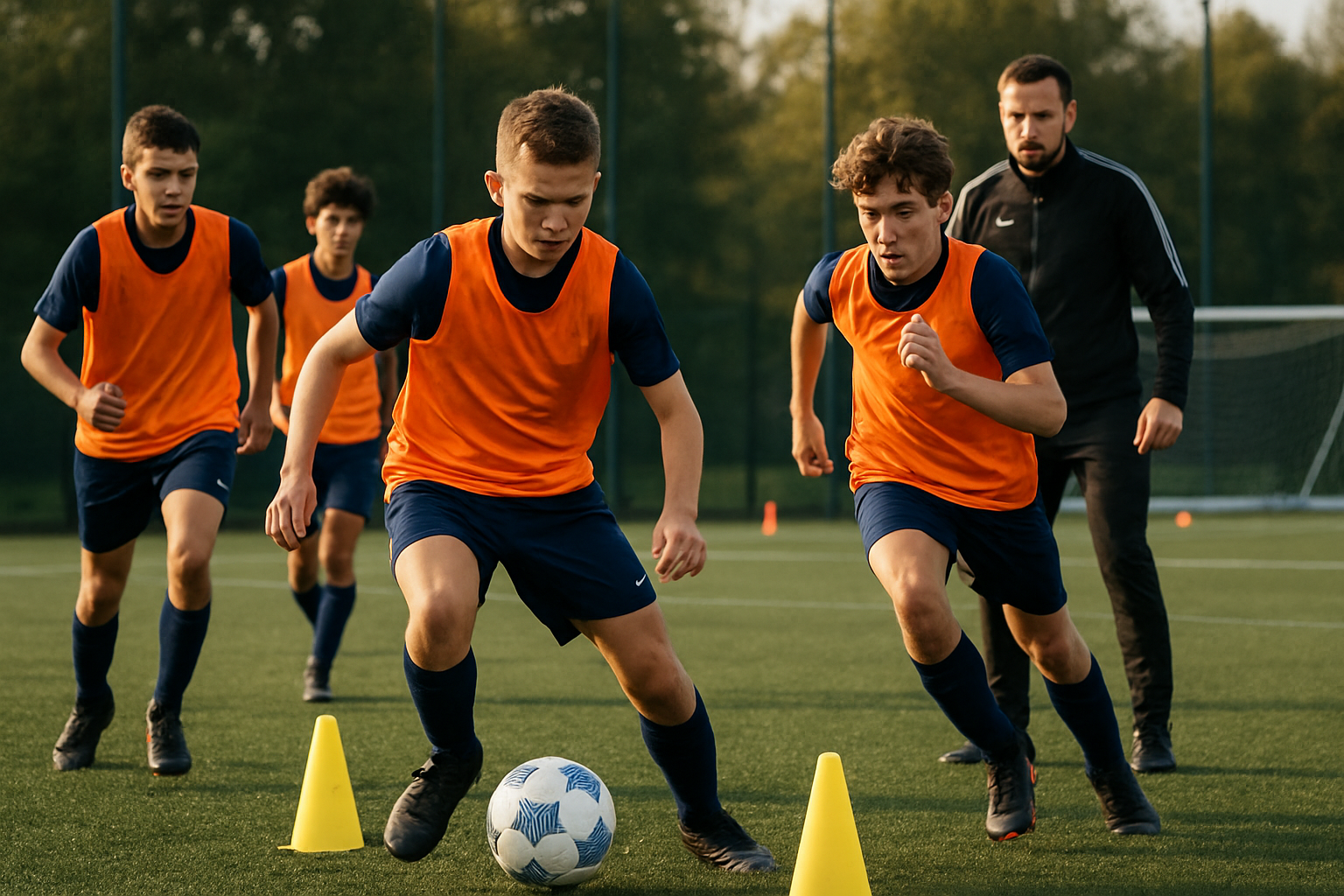
Common Reasons for Match Anxiety in Players
Players often face anxiety due to fear of failure, losing spots in starting line-ups, or parental and coaching expectations. This worry can reduce their natural play instincts, causing hesitation and mistakes. Additionally, matches are less predictable than training, which may overwhelm players used to structured practice environments.
Younger players especially benefit from clear communication about realistic expectations and support during matches. Parents can contribute positively by encouraging progress over results and focusing on effort and learning first.
How to Improve Match Performance in Youth Football
Practical tips to perform under match pressure begin with mental preparation integrated into training. Simple routines such as visualization, breathing exercises, and small-sided games simulating match intensity can prepare players mentally and physically.
It is essential to gradually expose players to match-like conditions in training drills. This includes playing with varying pressure, unpredictability, and realistic decision-making situations. Coaches should create a supportive environment where mistakes are treated as learning opportunities to reduce fear.
The Role of Coaching Strategies to Boost Player Confidence
Confidence is key to translating training success into games. Coaches can use positive feedback, individualized coaching, and clear progress tracking to build each player's belief in their abilities. Structured training systems that include player development tracking tools help identify areas to reinforce and provide consistent motivation based on objective progress.
Repetition under varied scenarios, combined with feedback loops, gradually strengthens a player’s readiness to perform under pressure. This structured approach balances skills development and psychological resilience, essential for long-term growth.
Building confidence through realistic training scenarios is key to consistent match performance.
Practical Implementation for Grassroots Clubs
Clubs aiming to close the gap between training and matches can incorporate a training framework focused on mental and physical readiness. This includes a cycle of:
- Training sessions with pressure simulation and decision-making
- Consistent feedback from coaches on performance and mindset
- Tracking progress using player assessments and development tools
- Exposure to varied match situations through small-sided games and friendly matches
- Progression plans tailored to individual player needs
Such a framework helps replicate match intensity in training, builds player confidence, and creates a clear development pathway. Parents also play a role by understanding and reinforcing these principles at home.
To support growth further, clubs can explore our player development resources which encourage systematic approaches to player performance and visibility.
Common Development Mistakes
One major mistake is focusing solely on physical skills without addressing mental and emotional readiness. Overloading young players with technical drills without game-context can limit their ability to apply skills under pressure. Additionally, penalizing mistakes harshly in training or matches can increase anxiety, reducing confidence and growth.
Another common error is expecting instant transfer of training improvements to match performance. Development requires time, appropriate feedback, and repeated exposure to competitive scenarios.
Why Players Struggle to Perform Under Match Pressure
The unpredictable nature of matches naturally raises stress and decision pressure. Players lacking experience or mental preparation become overwhelmed, affecting concentration and technical execution. Sometimes, inadequate warm-up routines or unfamiliar roles during matches also contribute to performance dips.
Parents and coaches should recognize that emotional and psychological support is crucial to developing match resilience. Teaching young players to focus on controllable factors — like effort, positioning, and communication — reduces the negative impact of nerves.
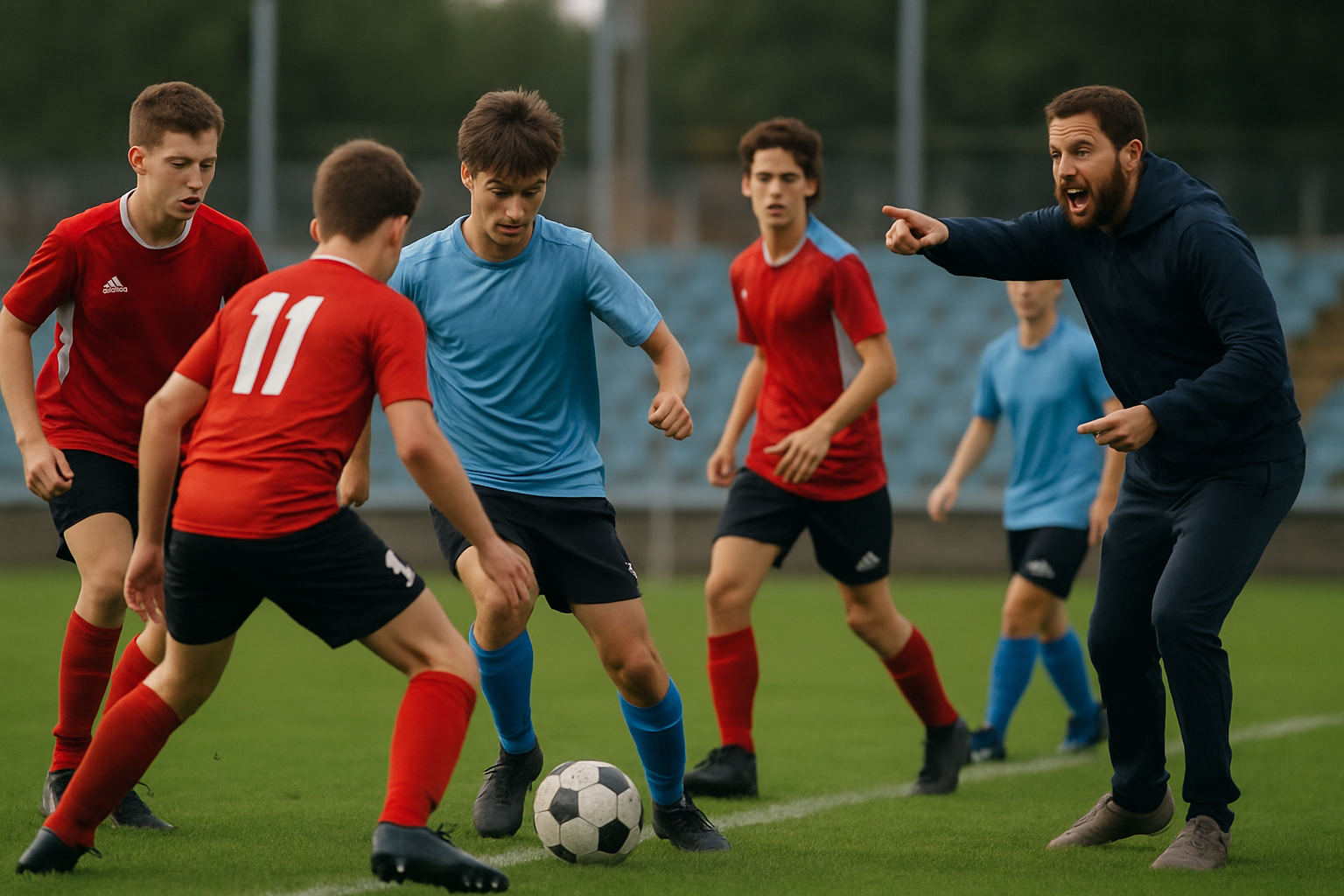
Training Drills for Game Readiness
Effective training drills to bridge training and match performance involve realistic pressure and unpredictability. Drills emphasizing quick decision-making, small-group drills with defenders, and condition-based games foster game awareness and confidence.
For example, incorporating competitive elements like limited touches or timed sequences simulates match stress and helps players adapt their skills in real-time. Such methods develop not only technical abilities but also psychological readiness — a key to improving match performance in youth football.
Conclusion
Improving match performance in youth football requires more than technical skill development. It calls for a structured blend of physical training, mental preparation, and emotional support to help players consistently replicate their best performances when it truly matters. Clubs, coaches, parents, and players must work together to create environments where learning from mistakes is encouraged, match intensity is mimicked in training, and confidence is steadily built. With patience and practical strategies, young players progress to deliver under pressure, paving the way for long-term growth and enjoyment in the game.
What is the main reason players perform better in training than matches?
Players often perform better in training because matches involve unpredictable pressure, anxiety, and decision-making challenges that aren't fully replicated in practice.
How does mental preparation help improve match performance in youth football?
Mental preparation builds confidence, reduces anxiety, and helps players stay focused during matches, enabling them to execute skills learned in training more consistently.
How to improve football skills at home for better match readiness?
Practicing ball control, passing drills, and simulated game situations at home can develop skills and decision-making, supporting better performance during matches.
Why am I not getting selected in football trials despite good training?
Selection often depends on performing under pressure in match-like conditions. Lack of mental readiness or confidence during trials might limit selection despite training skills.
Best training routine for young footballers to handle match pressure?
A routine combining technical drills with pressure simulation, mental exercises like visualization, and small-sided games helps young players adapt to match demands.
Why do players struggle with anxiety during important matches?
Anxiety stems from fear of failure, high expectations, and unfamiliar match intensity. Without coping strategies, this reduces their natural performance ability.
What is the best age to start focusing on mental preparation in youth football?
Mental preparation techniques can be introduced from around age 10, building gradually alongside physical and technical training to support long-term development.

.jpg)
Related Articles
 Read More about How to Build Discipline in Young Football Players: Habits That Last
How to Build Discipline in Young Football Players: Habits That Last
.jpg) Read More about How to Improve Defensive Football Skills: Positioning, Tackling, and Awareness Guide
Read More about How to Improve Defensive Football Skills: Positioning, Tackling, and Awareness GuideHow to Improve Defensive Football Skills: Positioning, Tackling, and Awareness Guide
.png) Read More about How to Improve Speed and Acceleration in Football: Train Like an Athlete
Read More about How to Improve Speed and Acceleration in Football: Train Like an AthleteHow to Improve Speed and Acceleration in Football: Train Like an Athlete
Latest Articles
 Read More about How Sports Academies Can Reduce Admin Work for Coaches
How Sports Academies Can Reduce Admin Work for Coaches
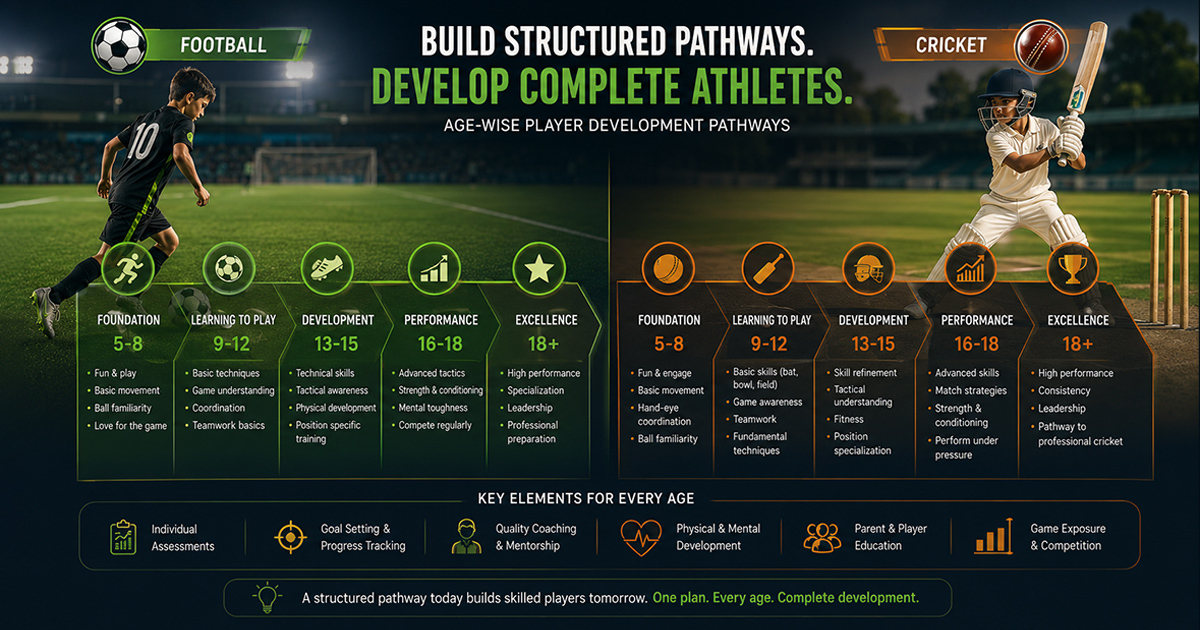 Read More about How to Build Age-Wise Player Development Pathways in Football and Cricket
How to Build Age-Wise Player Development Pathways in Football and Cricket
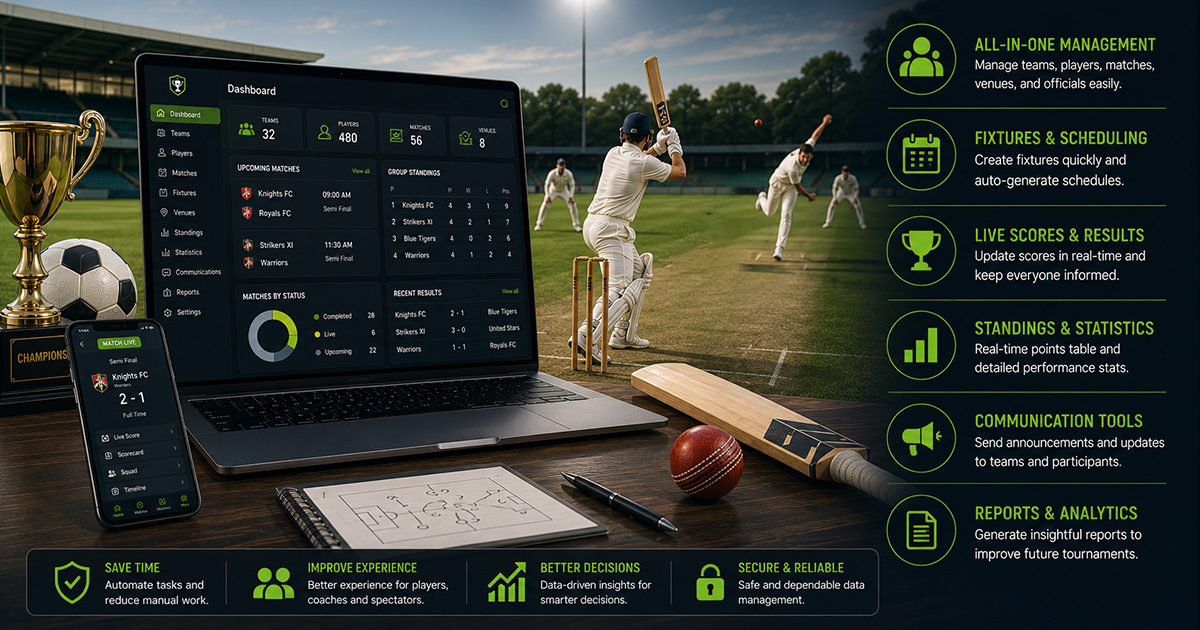 Read More about Tournament Management Software for Football and Cricket Organizers: A Practical Guide
Tournament Management Software for Football and Cricket Organizers: A Practical Guide
Ready to Bring Structure to Your Academy?
Let’s walk through your current setup and show you how 8lete can improve it.


