




How to Communicate Effectively with Parents in Football Academies
Effective communication with parents in football academies is often a critical challenge for coaches and clubs working with young players. Parents want to support their child's progress but can sometimes misunderstand development priorities or feel disconnected from the academy's structured approach. This article provides practical guidance on clear, respectful, and consistent communication that nurtures trust, aligns expectations, and strengthens the player development environment.
What is Effective Communication with Parents in Football Academies?
Effective communication in this context means clear, timely, and empathetic exchanges between coaches, club staff, and parents that promote understanding about a player's development journey. It involves listening actively to parent concerns, sharing insights about progress and challenges, and managing expectations around training, matches, and growth timelines.
For academies, this communication forms the foundation of a partnership where everyone – coaches, parents, and players – works toward structured, long-term improvement rather than short-term success.
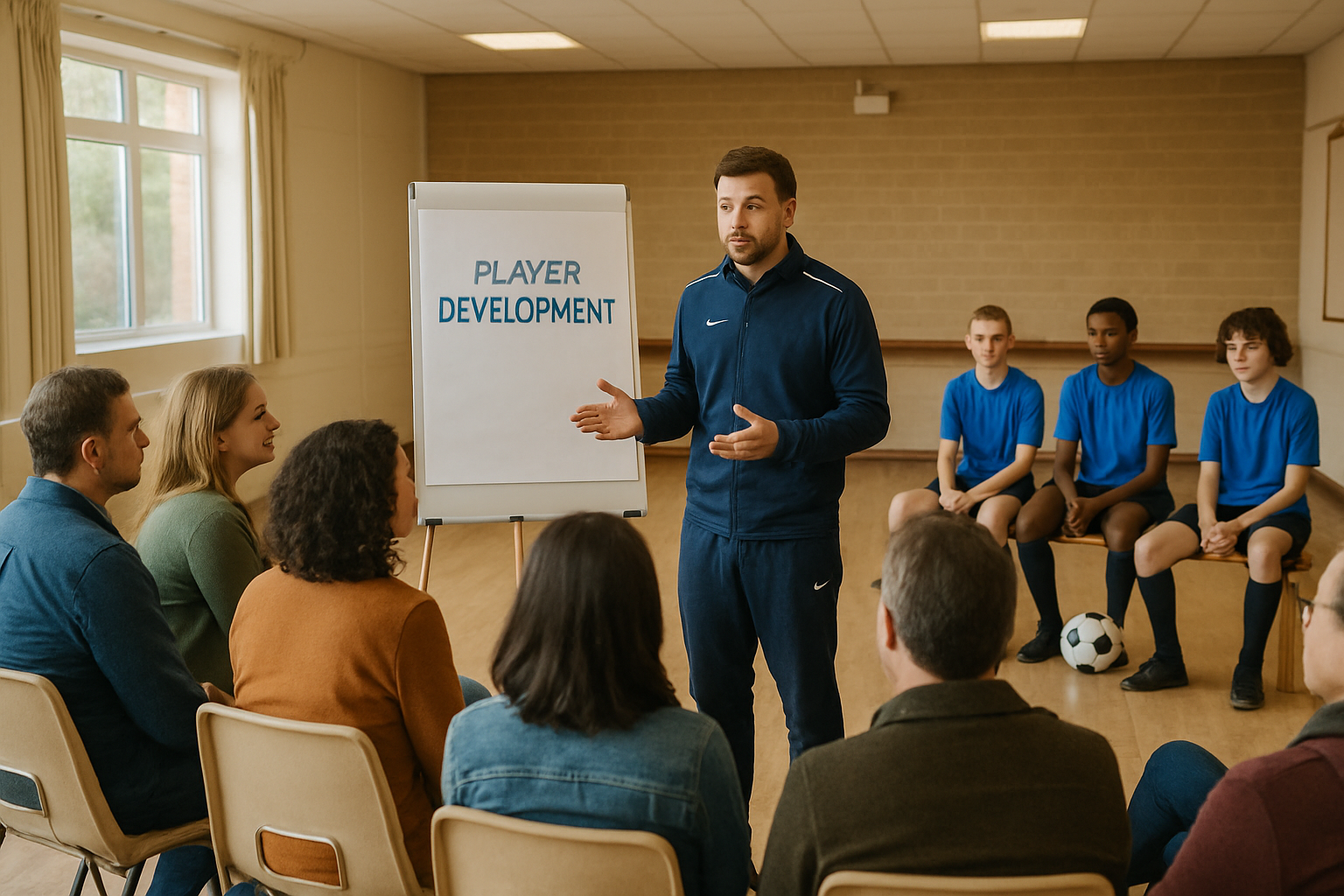
Why Players Struggle When Parent-Coach Communication Breaks Down
Misaligned expectations or lack of clarity often leave players caught between parental pressure and coaching guidance. This tension can affect a player's confidence, motivation, and willingness to embrace the learning process. Without effective communication, parents may focus mainly on match results rather than progress in technical skills, decision-making, or psychological growth.
For young players, understanding that development is gradual and sometimes non-linear is essential. Coaches and parents must collaborate to provide consistent messages that reinforce patience, discipline, and resilience.
Parent-Coach Communication Tips for Football Academies
Engaging parents effectively requires structure and empathy. First, schedule regular formal meetings, such as football academy parent meetings, to discuss progress based on observations and data rather than assumptions. Sharing player development tracking and feedback reports helps make these conversations objective and focused on growth areas.
Second, use clear language avoiding technical jargon. Parents come with varying levels of football understanding, so clarity and patience are key. Third, embrace active listening to validate parental concerns while gently explaining the academy's approach. This builds trust and opens a positive two-way dialogue.
Clear, respectful communication builds trust and supports long-term player development.
Managing Parent Expectations in Academies
A common challenge is managing parent expectations around playing time, positions, or immediate success. Coaches should proactively communicate the academy’s player pathway philosophy, emphasizing long-term development milestones, physical recovery, and mental growth phases.
Setting this framework early and reinforcing it during routine updates can reduce conflicts and misunderstandings. Using consistent updates tied to player progress rather than outcomes creates realistic expectations that reflect a player’s individual pace.
Practical Implementation for Grassroots Clubs
Grassroots clubs should establish a communication workflow that integrates structured training systems and performance analysis tools. For example, coaches can share highlights from training sessions or development metrics tracked by AI football assessment platforms. This informs parents about strengths and areas to improve in a structured way, enhancing transparency.
Holding introductory sessions to explain the club’s philosophy and development timeline will prepare parents to engage productively from the start. Additionally, providing guidance on how parents can support training habits and recovery routines at home strengthens on- and off-field development synergy.
Common Development Mistakes
A frequent error is reacting only when problems arise, often during conflicts over playing decisions or training intensity. Waiting for issues to surface hinders trust-building and wastes opportunities for corrective dialogue.
Another mistake is mixing emotional responses with development facts. Coaches and parents must separate momentary frustrations from the longer-term learning process. Lastly, under-communicating about the broader player pathway—such as recovery phases or role rotations—can leave parents confused and disengaged.
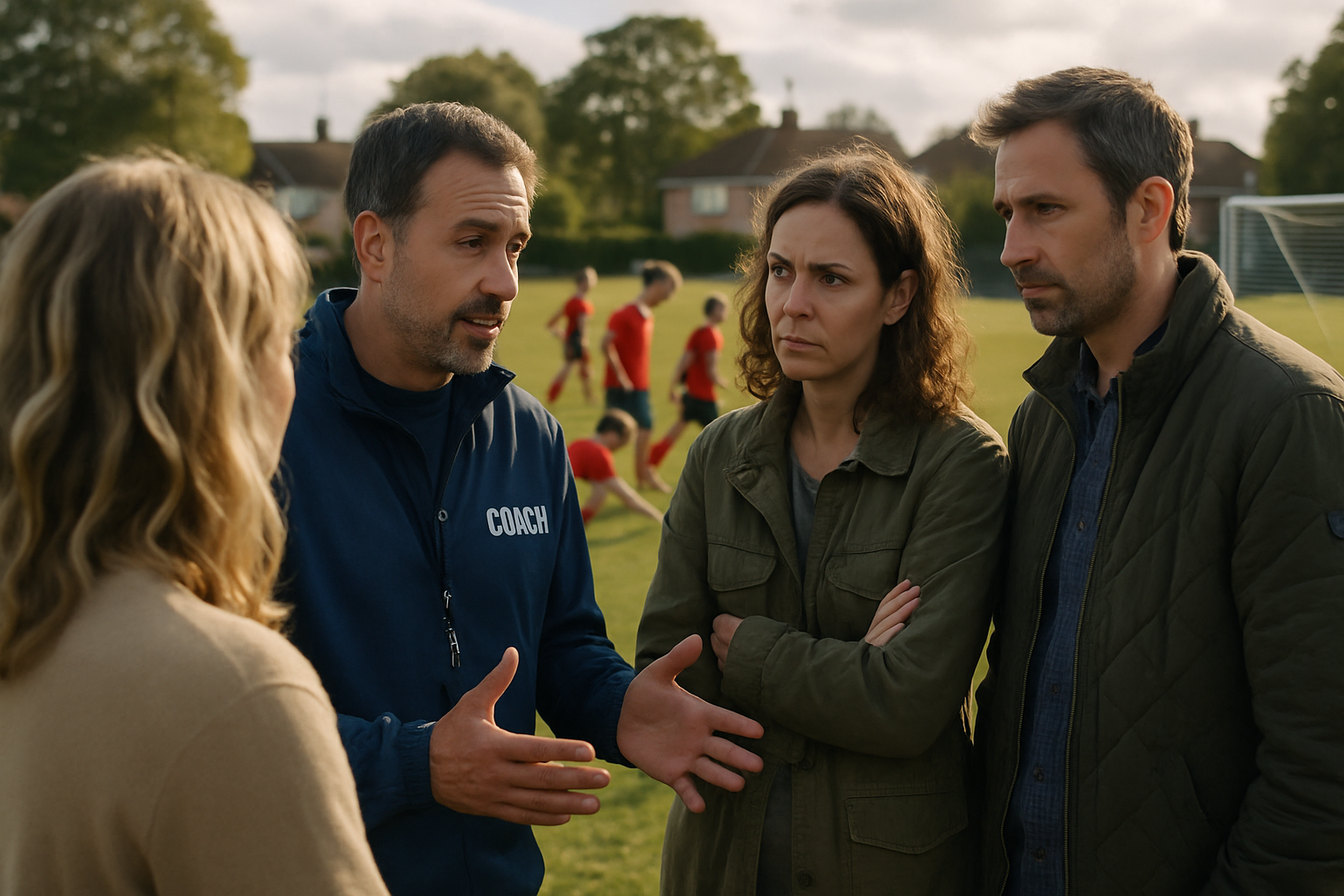
Building Trust with Football Parents Through Conflict Resolution
Conflicts are natural but can be opportunities to strengthen relationships. Implementing best practices for parent communication includes acknowledging concerns respectfully, using data to back up decisions, and inviting parents to share their views in neutral settings.
Conflict resolution should focus on shared goals: the player’s well-being and growth. This approach sustains collaboration and models healthy problem-solving skills that players themselves can learn from.
Conclusion
Effective communication with parents in football academies is not just about exchanging information but about building a partnership founded on trust, transparency, and shared development goals. Coaches who establish regular, clear, and respectful dialogues help parents understand why patience, structured training, and holistic development matter. This aligned relationship reduces misunderstandings, supports players through the ups and downs of growth, and ultimately creates a healthier football environment. For grassroots clubs aiming to sustain success beyond results, investing time and effort in mastering parent communication is as critical as any training session or match day tactic. Embracing consistent communication strategies for football academies and nurturing these connections offers long-term rewards for players, staff, and families alike.
What is effective communication with parents in football academies?
It means clear, respectful, and consistent exchange of information between coaches and parents that supports a player's development journey.
How to improve parent-coach communication in youth football?
Schedule regular meetings, use clear language, listen actively, and share player progress updates based on observations and data.
Why am I not improving even though I train regularly?
Improvement depends on factors like consistent feedback, structured training, recovery, and clear communication from your coaches and parents.
How to manage parent expectations in a football academy?
Communicate the long-term development philosophy early and provide regular updates emphasizing growth milestones over immediate results.
What are the best practices for resolving conflicts with football parents?
Acknowledge concerns respectfully, share objective data, invite open dialogue, and focus on the player’s well-being and shared goals.
How long does it take for effective communication to impact a player's development?
Building trust and clear communication is ongoing but noticeable positive effects often appear within a few months with consistent effort.


Related Articles
.jpg) Read More about How to Choose a Football Academy: What Parents Need to Know
Read More about How to Choose a Football Academy: What Parents Need to KnowHow to Choose a Football Academy: What Parents Need to Know
Latest Articles
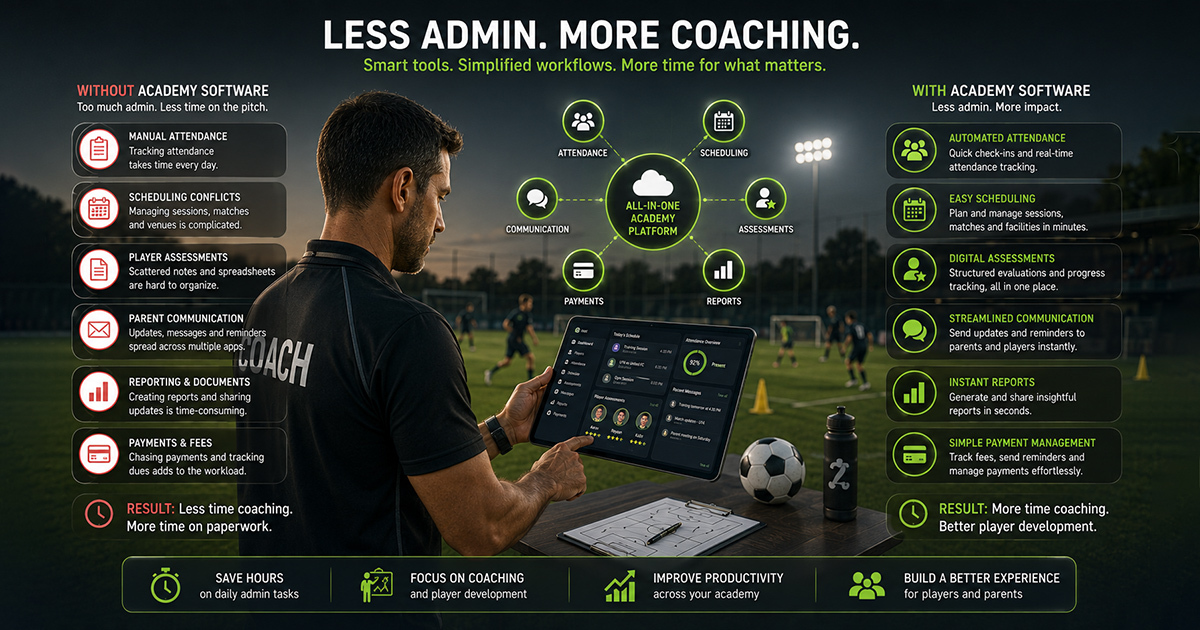 Read More about How Sports Academies Can Reduce Admin Work for Coaches
How Sports Academies Can Reduce Admin Work for Coaches
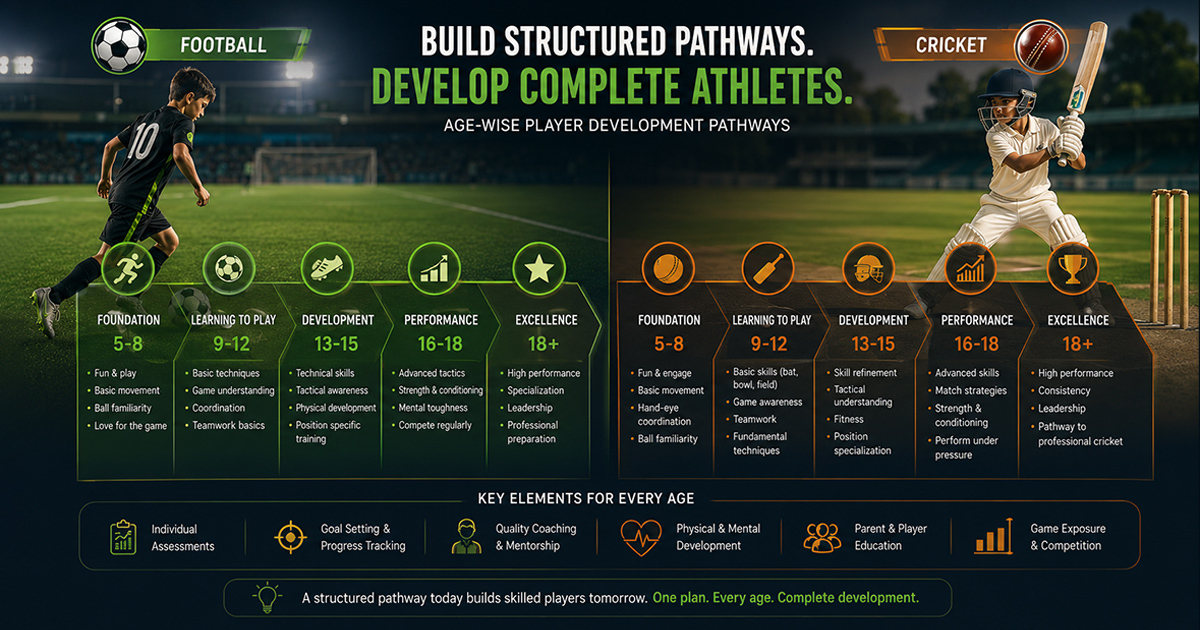 Read More about How to Build Age-Wise Player Development Pathways in Football and Cricket
How to Build Age-Wise Player Development Pathways in Football and Cricket
 Read More about Tournament Management Software for Football and Cricket Organizers: A Practical Guide
Tournament Management Software for Football and Cricket Organizers: A Practical Guide
Ready to Bring Structure to Your Academy?
Let’s walk through your current setup and show you how 8lete can improve it.


