



.jpg)
How to Choose a Football Academy: What Parents Need to Know
Choosing the right football academy for a young player can be challenging for parents who want to ensure their child's development is supported effectively. Understanding how to choose a football academy involves more than just picking the most prestigious or closest option. Parents often struggle with identifying what truly matters for their child's growth and long-term progress. This article provides clear insights into what parents actually look for when selecting a football academy, focusing on practical, development-first factors.
What Is a Football Academy and Why It Matters
A football academy is a structured training environment designed to develop young players' skills, understanding, and physical capabilities over time. It offers regular training sessions, coaching support, and opportunities to play competitive matches in a way that prioritizes progressive learning.
Choosing the right academy is critical because it shapes a player's confidence, decision-making, and technical abilities. For parents, knowing what to assess can make the difference between a positive, growth-focused experience and one that stalls progress.
Key Factors to Consider When Selecting a Football Academy
Parents should evaluate several practical areas beyond just reputation. These include the quality of youth football training, availability and condition of facilities and programs, coaching staff expertise, and the academy’s approach to development-focused training.
Another critical aspect is how the academy integrates parental involvement and communicates progress. Structured feedback systems and opportunities for parents to engage in the development process support transparency and long-term commitment.
How to Improve Your Evaluation Process as a Parent
When visiting academies or speaking with coaches, parents should ask about the training philosophy, player progression tracking, and how the academy handles individual development plans. It is essential to ensure the environment focuses on teaching fundamentals, decision-making, and consistent feedback rather than short-term results or solely winning games.
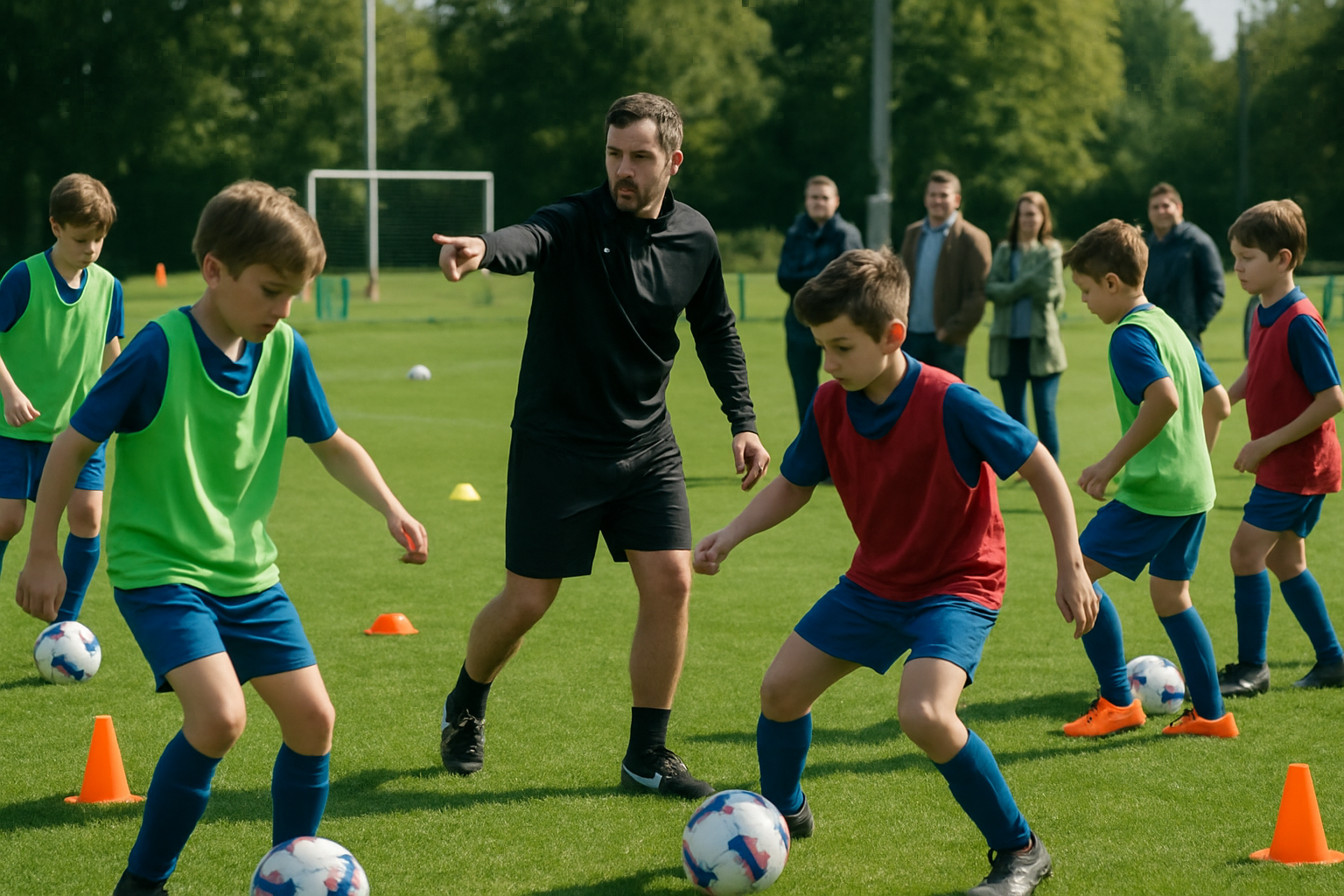
Observing training sessions can reveal how coaches interact with players and promote discipline, confidence, and structured learning. Quality coaching staff who show a clear plan for youth growth and adapts to different ability levels are valuable indicators.
Common Development Mistakes Parents Should Avoid
One frequent mistake is prioritizing fame or academy size over the actual quality of development offered. Large academies may have resources but not always maintain personalized attention. Another issue is focusing too much on immediate performance or match results rather than long-term progression through structured training.
Parents should also avoid neglecting the costs and time commitments involved, ensuring the academy’s schedule and fees fit realistically with family commitments and the player’s balance between training, school, and recovery.
Quality football development happens through consistent, focused training rather than quick fixes or shortcuts.
Practical Implementation for Grassroots Clubs
Grassroots clubs can support parents by providing clear communication channels about training methods, development goals, and expected outcomes. Demonstrating a commitment to player development tracking and structured coaching systems builds trust with families seeking long-term growth.
Offering trial sessions or open days where parents witness coaching and player engagement firsthand allows informed decisions. Clubs should highlight how they balance technical training, physical preparation, and player well-being through structured programs aligned with best development practices.
Why Players Struggle When Academy Expectations Don’t Align
Players often struggle when the academy's emphasis is different from what parents and players expect. For instance, if an academy prioritizes competition results over individual learning, it can hinder creative freedom and decision development. Unrealistic expectations about rapid progress can also create pressure that affects confidence and enjoyment.
Understanding the academy’s philosophy before committing helps avoid mismatches. Parents and players should seek environments that foster steady progress, promote resilience, and adapt training to individual needs instead of a one-size-fits-all approach.
Evaluating Football Academies for Young Players: A Simple Framework
Parents can use this four-step framework to evaluate football academies effectively:
- Visit and Observe: Attend training sessions to see coaching quality and player engagement.
- Ask Targeted Questions: Inquire about player development tracking, coaching qualifications, and progression plans.
- Assess Facilities and Programs: Evaluate the training environment, equipment quality, and support services.
- Review Costs and Commitment: Understand fee structures, training schedule, and parental involvement expectations.
This structured approach helps parents balance practical needs with developmental priorities, ensuring the chosen academy matches the player’s aspirations and family capacity.

Conclusion
How to choose a football academy demands thoughtful consideration grounded in a clear understanding of what truly supports a young player's growth. Parents should focus on the overall quality of training, coaching staff expertise, suitability of facilities, and open communication rather than external prestige or quick results. The right environment fosters consistent development, decision-making skills, and discipline while valuing the player's long-term well-being. Transparent progress tracking and parental involvement are vital parts of this journey. In the grassroots landscape, academies that balance structure, visibility, and nurturing atmospheres create the best conditions for talent to evolve effectively and sustainably, helping players enjoy football as a lifelong sport.
What is a football academy and how does it help young players?
A football academy is a structured program that develops young players' skills, understanding, and physical fitness through regular coaching and matches focused on long-term growth.
How to improve football skills at home before joining an academy?
Players can improve by practicing basic skills like passing, dribbling, and shooting regularly, focusing on repetition and learning from feedback, even outside formal training.
Why am I not getting selected in football trials at academies?
Not getting selected often relates to gaps in technical skills, match awareness, or physical readiness. Consistent training and focusing on fundamentals can improve trial outcomes over time.
How to choose a football academy that matches a player's needs?
Evaluate coaching quality, training philosophy, facilities, and communication. Visit academies to observe sessions and ask about player development approaches.
Why do players struggle with inconsistent training at academies?
Inconsistent training limits skill progression and confidence. Structured schedules and development tracking help players build habits and maintain steady improvement.
Best age to start attending a football academy?
Many players benefit from starting formal academy training between 8 and 12 years old when foundational skills and understanding begin to take shape.
.jpg)

Latest Articles
 Read More about How Sports Academies Can Reduce Admin Work for Coaches
How Sports Academies Can Reduce Admin Work for Coaches
 Read More about How to Build Age-Wise Player Development Pathways in Football and Cricket
How to Build Age-Wise Player Development Pathways in Football and Cricket
 Read More about Tournament Management Software for Football and Cricket Organizers: A Practical Guide
Tournament Management Software for Football and Cricket Organizers: A Practical Guide
Ready to Bring Structure to Your Academy?
Let’s walk through your current setup and show you how 8lete can improve it.


