




How to Improve Player Retention in Football Academies: Practical Strategies to Reduce Dropouts
Player retention in football academies is a common challenge for coaches, club owners, and parents invested in youth football. When young players drop out early, it disrupts not only their personal development but also the academy's long-term progress. Understanding why players leave and how to keep them engaged can transform an academy from just a training centre into a thriving development hub. This article explores practical strategies to reduce dropouts and improve player commitment by addressing real challenges faced in grassroots football academies.
What is Player Retention in Football Academies?
Player retention in football academies refers to the ability of the academy to keep young footballers actively involved and participating over time. It is measured by how many players remain committed through different development stages without prematurely quitting. Retention is crucial because consistent training, match experience, and feedback are the foundation of long-term player development.
Academies with strong retention strategies focus on player engagement, motivation, and support systems to create an environment where players feel valued, challenged, and encouraged to progress.
Why Players Struggle to Stay Committed and Causes of Dropouts
Players often leave football academies due to a mix of physical, emotional, and environmental factors. Common issues include lack of motivation, unclear development paths, poor communication, and mismatched expectations between players, coaches, and parents. Young players can feel overwhelmed by pressure or lose interest if training feels repetitive or not challenging enough.
Academies also face challenges like inconsistent coaching, limited player feedback, and insufficient support outside training, which all contribute to dropout risks. Recognising these root causes helps academies tailor their player retention strategies effectively.

How to Improve Player Retention in Football Academies: Key Strategies
Engaging players consistently requires a holistic approach addressing motivation, development clarity, and support. Here are foundational steps academies can take:
- Set clear, realistic goals: Regularly communicate individual development targets to players and parents to build shared commitment.
- Personalise training loads: Adapt sessions to player needs and recovery to avoid burnout or boredom.
- Practice structured feedback: Use performance tracking and AI assessment tools to give players concrete progress insights.
- Promote mental and emotional support: Foster a positive environment where players can express concerns and receive guidance.
- Encourage consistent playing time: Meaningful match experience sustains interest and practical skill growth.
Applying these steps alongside effective football academy management practices creates a framework that improves player commitment and reduces dropouts.
Common Development Mistakes That Hurt Player Retention
Even well-intentioned programs can unintentionally push players away. Frequent mistakes include overly rigid training plans that ignore player individuality, focusing too much on winning instead of growth, and limited opportunities for players to influence their development journey.
Ignoring mental fatigue, failing to balance training and recovery, and lacking open communication channels between coaches, players, and parents are additional issues. Addressing these errors by creating more flexible, player-centred environments boosts long-term retention effectively.
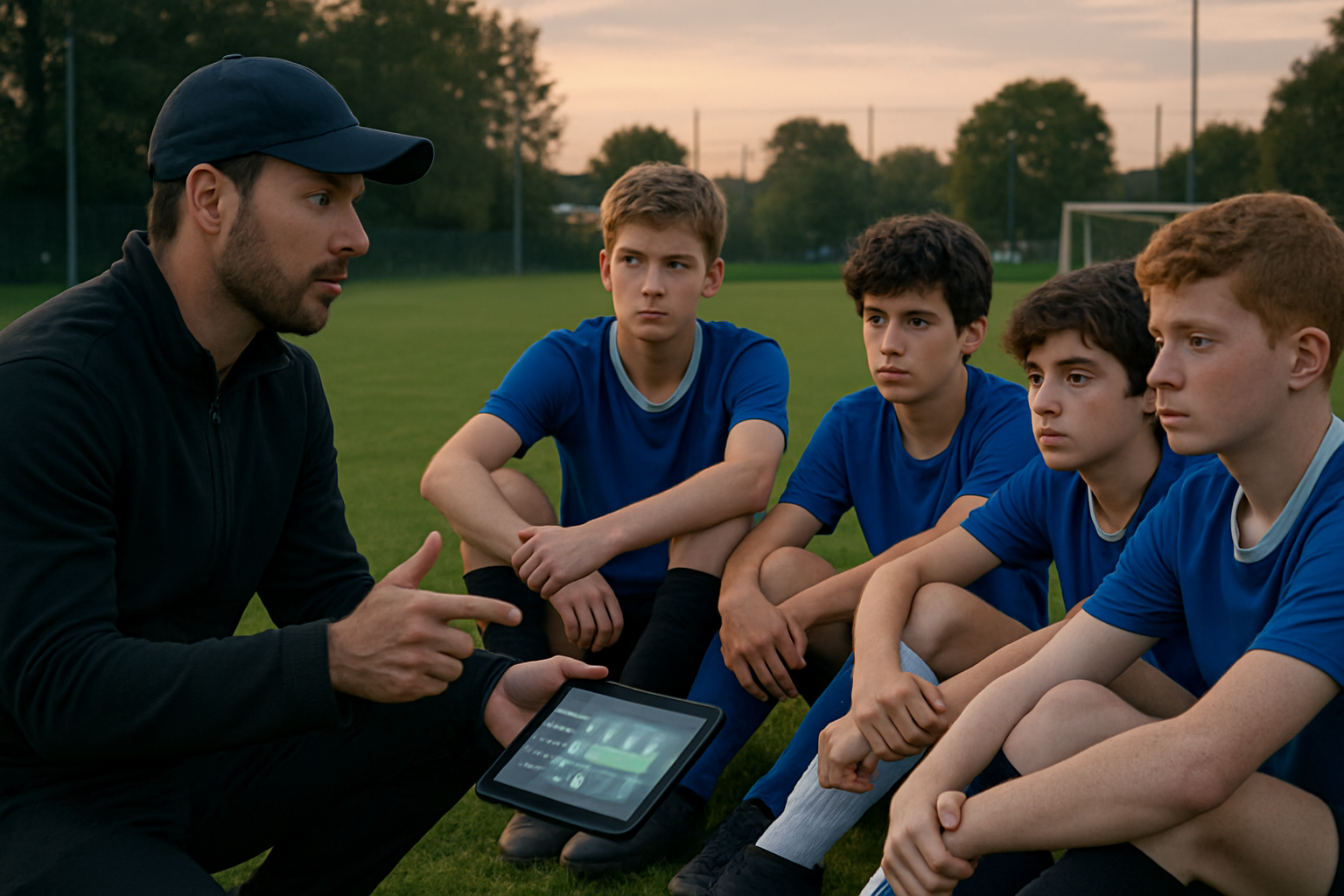
Consistent communication and personalised feedback are key to keeping young players engaged and motivated.
Practical Implementation for Grassroots Clubs
Grassroots clubs can enhance player retention by embedding structured player development tracking systems that map individual progress. Using simple technologies or regular coach-led reviews keeps players informed and motivated. Additionally, clubs should establish consistent communication routines involving coaches, players, and parents to align expectations and support needs.
Incorporate varied training methods that challenge both physical and mental aspects of player growth, while respecting the young athlete’s well-being. Regularly revisiting development frameworks and adapting to player feedback ensures the academy remains an engaging and supportive space.
Football Academy Player Support: Building a Supportive Environment
A strong support system is critical for motivation and retention in football academies. This includes psychological support, mentoring, and nutritional advice adapted to youth athletes. Coaches should be trained to identify early signs of dropout risks and provide encouragement or intervention swiftly.
Families also play a crucial role. Educating parents about the phases of player development helps create realistic expectations and emotional resilience within the player’s wider support network.
Long-Term Player Development in Academies: Retention as a Foundation
Retaining players is not merely about numbers. It’s about ensuring continuous learning, skill progression, and emotional growth. Academies that emphasise structured training systems with clear milestones give players a visible pathway to success, nurturing commitment over time.
Consider a simple framework: Training → Feedback → Tracking → Exposure → Progression. This cycle guarantees that players understand their journey, receive support at every stage, and stay engaged because their development feels tangible and meaningful.
Conclusion
Improving player retention in football academies demands a practical, development-focused approach. Academies must prioritise creating a supportive and motivating environment tailored to individual players’ needs while maintaining clear communication with families and coaches. By addressing common pitfalls and implementing structured player engagement and tracking, academies not only reduce dropouts but also foster long-term player development and sustained commitment. This benefits everyone involved—players grow into more confident, skilled athletes, coaches see better progression, and academies build a reputation as places where youth football thrives.
What is player retention in football academies?
Player retention in football academies means keeping young players actively training and competing over time without quitting prematurely.
How to improve football skills at home to stay committed?
Focusing on regular practice with clear goals, taking small skill-building steps, and maintaining discipline helps players stay engaged and motivated.
Why am I not getting selected in football trials?
Selection depends on consistent performance, attitude, and physical readiness. Players often miss out due to lack of practice, mental preparation, or fitness.
How to get better at football in an academy setting?
Stay committed by following personalised training plans, seeking feedback, listening to coaches, and balancing recovery and effort.
Why do players struggle with commitment in football academies?
Players often struggle due to unclear goals, lack of motivation, unsuitable training intensity, or insufficient support from coaches and parents.
What is the best age to start structured football training?
Many academies suggest starting formal structured training between 8 and 10 years old when players are ready to handle regular practice.


Related Articles
.jpg) Read More about How to Start a Football Academy in India: A Step-by-Step Guide
Read More about How to Start a Football Academy in India: A Step-by-Step GuideHow to Start a Football Academy in India: A Step-by-Step Guide
 Read More about How to Get Sponsorship in Grassroots Football for Players and Academies
How to Get Sponsorship in Grassroots Football for Players and Academies
 Read More about How Data Analytics in Football Academies Is Transforming Player Development and Operations
How Data Analytics in Football Academies Is Transforming Player Development and Operations
Latest Articles
 Read More about How Sports Academies Can Reduce Admin Work for Coaches
How Sports Academies Can Reduce Admin Work for Coaches
 Read More about How to Build Age-Wise Player Development Pathways in Football and Cricket
How to Build Age-Wise Player Development Pathways in Football and Cricket
 Read More about Tournament Management Software for Football and Cricket Organizers: A Practical Guide
Tournament Management Software for Football and Cricket Organizers: A Practical Guide
Ready to Bring Structure to Your Academy?
Let’s walk through your current setup and show you how 8lete can improve it.


