




How to Build Discipline in Young Football Players: Habits That Last
Discipline in young football players is often a sticking point for coaches and parents trying to nurture talent and a strong work ethic from an early stage. Without the foundation of discipline, players can struggle with consistency, motivation, and progressing steadily through developmental pathways. This article explores practical strategies for building discipline in young football players by creating lasting habits that support long-term growth, balancing the expectations of coaches, the perspective of parents, and the player’s own development journey.
What is Building Discipline in Young Football Players?
Building discipline means developing reliable habits and mental attitudes in young players that encourage consistency, responsibility, and focus both on and off the pitch. It involves more than just punctuality or training attendance; it incorporates mental toughness, structured routines, and a willingness to follow a development roadmap.
For coaches and parents, understanding that discipline is a learned process—not an innate trait—is fundamental. Young players need supportive environments that teach how to set goals, manage distractions, and bounce back from setbacks. This foundational discipline helps shape habits that last through their youth football journey and beyond.
Why Players Struggle with Discipline in Youth Football
It’s common for young players to struggle with discipline due to inconsistent routines, external distractions, or unclear expectations. Without clear guidance from coaches and parents on what discipline looks like in practice, players may lack the internal drive to maintain focus during training or recovery.
Additionally, mental fatigue and burnout can affect motivation, with some youth players feeling overwhelmed by demands or pressured by short-term results. This is why a balanced approach emphasizing structured development and patience is essential for sustaining discipline.
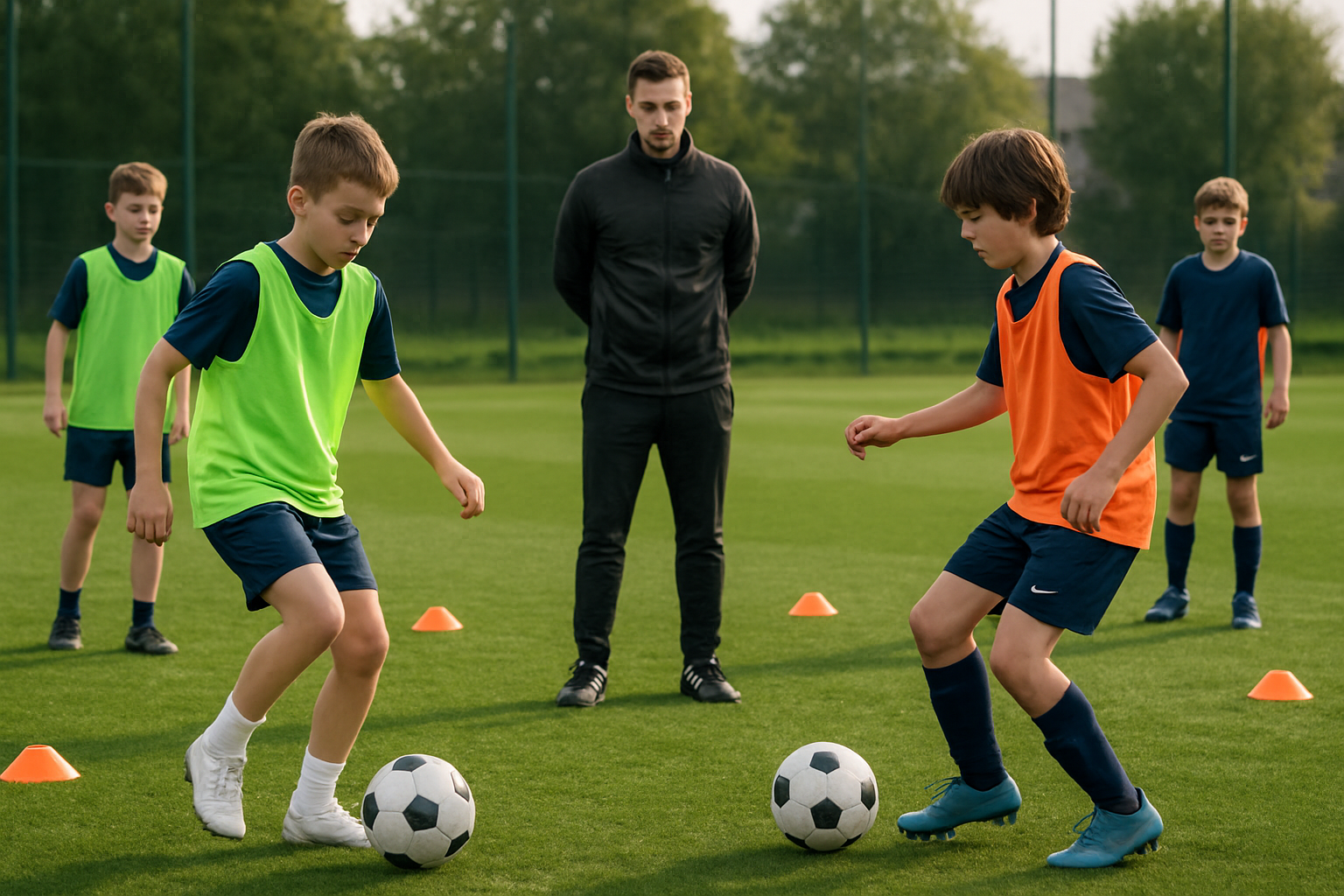
How to Improve Discipline in Young Footballers: Key Habits for Lasting Growth
Building discipline starts with simple, repeatable habits that become part of a player’s daily routine. These habits encourage autonomy and responsibility, making discipline less about rules and more about personal growth.
Practical habits to develop include consistent arrival times at training, structured warm-up routines, focused ball skills practice at home, and planned rest periods. Coaches can encourage players to track small achievements, providing visible signs of progress that reinforce positive behaviour.
Discipline grows when players understand its purpose, not just its rules.
Football Coaching Discipline Techniques for Youth Development
Coaches play a critical role in modeling and reinforcing discipline through clear, consistent communication and by designing training environments that promote focus and respect. Techniques such as setting clear session goals, using structured drills tailored to players’ levels, and providing constructive feedback encourage discipline naturally.
Encouraging players to take ownership of their learning, including reflection moments after training and match days, supports mental toughness and prepares them better for challenges. Integrating tools like player development tracking and football performance analysis enhances this process by making progress tangible.
Practical Implementation for Grassroots Clubs
Grassroots clubs can build discipline cultures by creating consistent routines around training and match days that all players and parents understand. Establishing youth sports discipline strategies like punctuality policies, warm-up procedures, and recovery protocols ensures that discipline becomes embedded into the club’s identity.
Educating parents on realistic expectations about progress and the importance of supporting structured training outside sessions fosters alignment across the player support system. Utilizing available resources on player development can help clubs integrate these discipline habits with wider program goals.
Common Development Mistakes Affecting Discipline
One common mistake is focusing too much on short-term results rather than long-term growth, which can lead to rushed training and neglect of foundational discipline habits. Another is inconsistency in enforcing rules or expectations, confusing young players about what discipline really means.
Over-coaching or excessive pressure can also harm mental toughness and cause burnout, reducing a player’s natural motivation to stick to disciplined habits. Balancing encouragement with autonomy is essential for sustainable development.
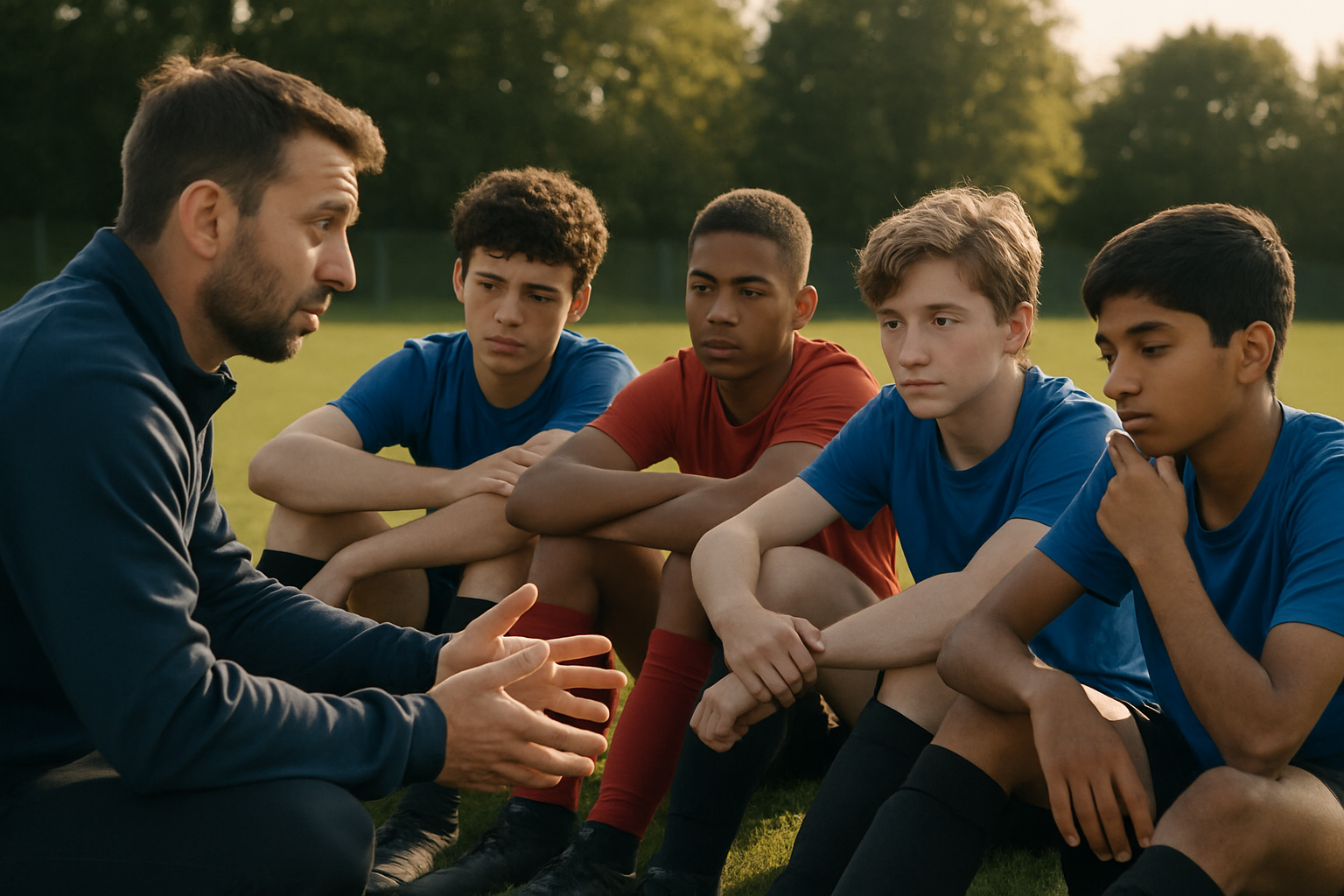
Developing Consistency and Mental Toughness in Young Players
Consistency is the backbone of discipline. When players learn that showing up with focus daily improves their skills, they build mental toughness—an ability to handle setbacks and maintain effort during challenges. Coaches can support this by progressively increasing training demands while celebrating small wins.
Encouraging a mindset that views mistakes as learning opportunities rather than failures helps young players sustain motivation. Structured training systems that include regular feedback and goal-setting sessions also reinforce this growth mindset and consistent performance.
Conclusion
Building discipline in young football players requires patience, clarity, and a focus on long-term habits supported by both coaches and parents. Establishing structured routines, reinforcing mental toughness, and promoting consistent effort create an environment where players can thrive. Recognizing that discipline is a process—not a singular trait—enables development pathways that respect each player’s pace and potential. By avoiding common pitfalls and fostering autonomy, grassroots clubs and families play a pivotal role in nurturing players who embrace responsibility on and off the pitch, laying foundations for lasting success throughout their football journey and life beyond.
What is building discipline in young football players?
Building discipline is developing consistent habits and attitudes that help young players stay focused, responsible, and motivated in training and matches.
How to improve football skills at home for young players?
Young players can improve skills at home by practicing ball control routines, following structured drills, and maintaining a regular practice schedule.
Why do players struggle with discipline in youth football?
Players may struggle due to unclear expectations, inconsistent routines, distractions, or pressure that lead to decreased motivation and focus.
How to get better mental toughness in youth football?
Mental toughness improves by facing challenges gradually, learning from mistakes, setting clear goals, and receiving constructive feedback consistently.
Best training routine for young footballers to develop consistency?
A training routine that balances skill work, physical conditioning, and rest with regular goal reviews helps build consistent performance.
Why am I not getting selected in football trials?
Lack of consistent discipline, unclear understanding of trial expectations, or insufficient preparation can reduce chances of selection.
What is the best age to start building discipline in young football players?
Discipline should begin early, around ages 8–10, when players can understand routines and start developing focus and responsibility.

Related Articles
.jpg) Read More about How to Improve Defensive Football Skills: Positioning, Tackling, and Awareness Guide
Read More about How to Improve Defensive Football Skills: Positioning, Tackling, and Awareness GuideHow to Improve Defensive Football Skills: Positioning, Tackling, and Awareness Guide
.png) Read More about How to Improve Speed and Acceleration in Football: Train Like an Athlete
Read More about How to Improve Speed and Acceleration in Football: Train Like an AthleteHow to Improve Speed and Acceleration in Football: Train Like an Athlete
 Read More about How to Become a Consistent Football Player: Train Like Top Performers
How to Become a Consistent Football Player: Train Like Top Performers
Latest Articles
 Read More about How Sports Academies Can Reduce Admin Work for Coaches
How Sports Academies Can Reduce Admin Work for Coaches
 Read More about How to Build Age-Wise Player Development Pathways in Football and Cricket
How to Build Age-Wise Player Development Pathways in Football and Cricket
 Read More about Tournament Management Software for Football and Cricket Organizers: A Practical Guide
Tournament Management Software for Football and Cricket Organizers: A Practical Guide
Ready to Bring Structure to Your Academy?
Let’s walk through your current setup and show you how 8lete can improve it.


