



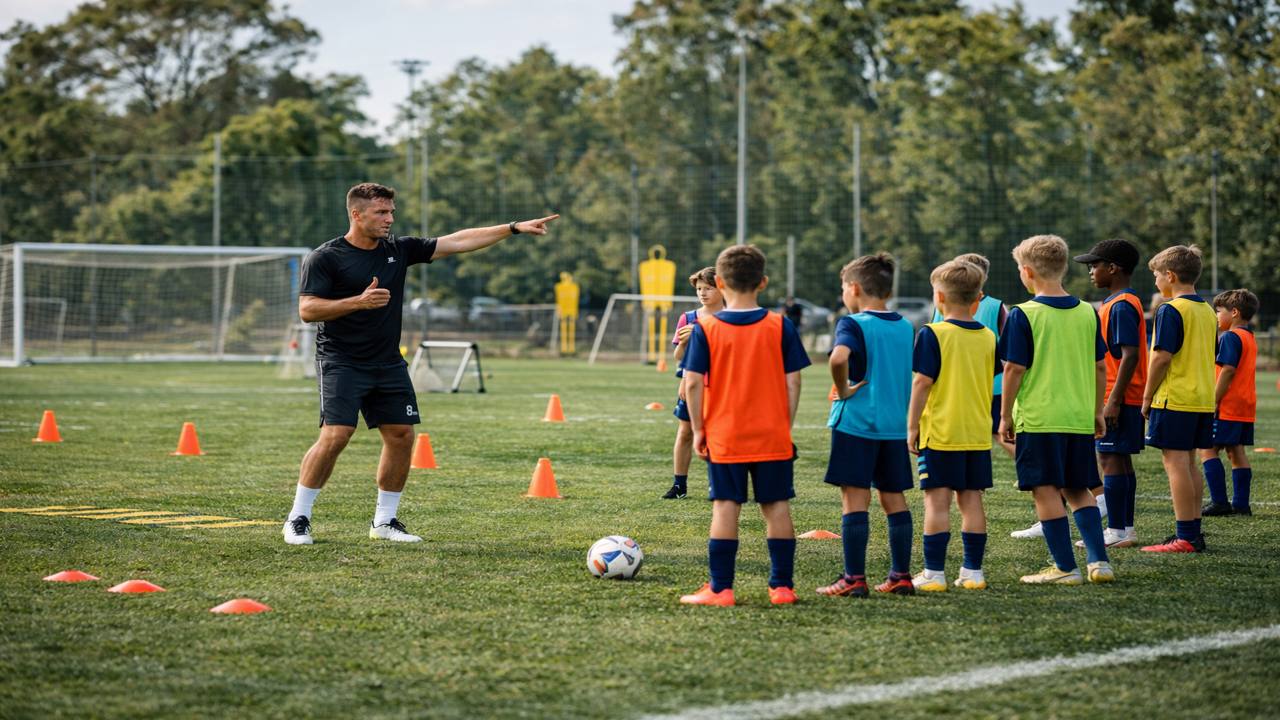
How to Run Structured Football Training Sessions for Youth Teams
Conducting structured football training sessions for youth teams is a challenge many coaches and academies face. Coaches often struggle with organizing sessions that balance skill development, teamwork, and engagement while fitting the particular needs of young players. This article offers clear guidance on how to design and implement well-structured training that supports progressive player growth and academy goals.
What Are Structured Football Training Sessions for Youth Teams?
Structured football training sessions are planned and organized practice periods where each activity is designed with clear objectives to develop specific football skills and teamwork in young players. The focus extends beyond simply playing games and includes targeted drills, feedback, and tactical understanding.
A structured session ensures repetition, progression, and variety, all of which are critical for long-term development of players aged U10 to U21. It also supports the coach in managing time effectively and creating a learning environment that encourages discipline and confidence on and off the pitch.
Key Components of Effective Session Planning for Youth Football
Planning begins with defining clear aims for each session based on the players’ age, skill level, and current needs. Effective training includes a warm-up, focused drills for technical and tactical development, team-oriented exercises, and a cool-down period. Each part must be timed thoughtfully to maintain energy and attention.
Using youth football training drills that promote basic skills such as passing, dribbling, and shooting while also integrating decision-making exercises helps players improve comprehensively. Progression should be gradual, allowing players to build confidence through achievable challenges.
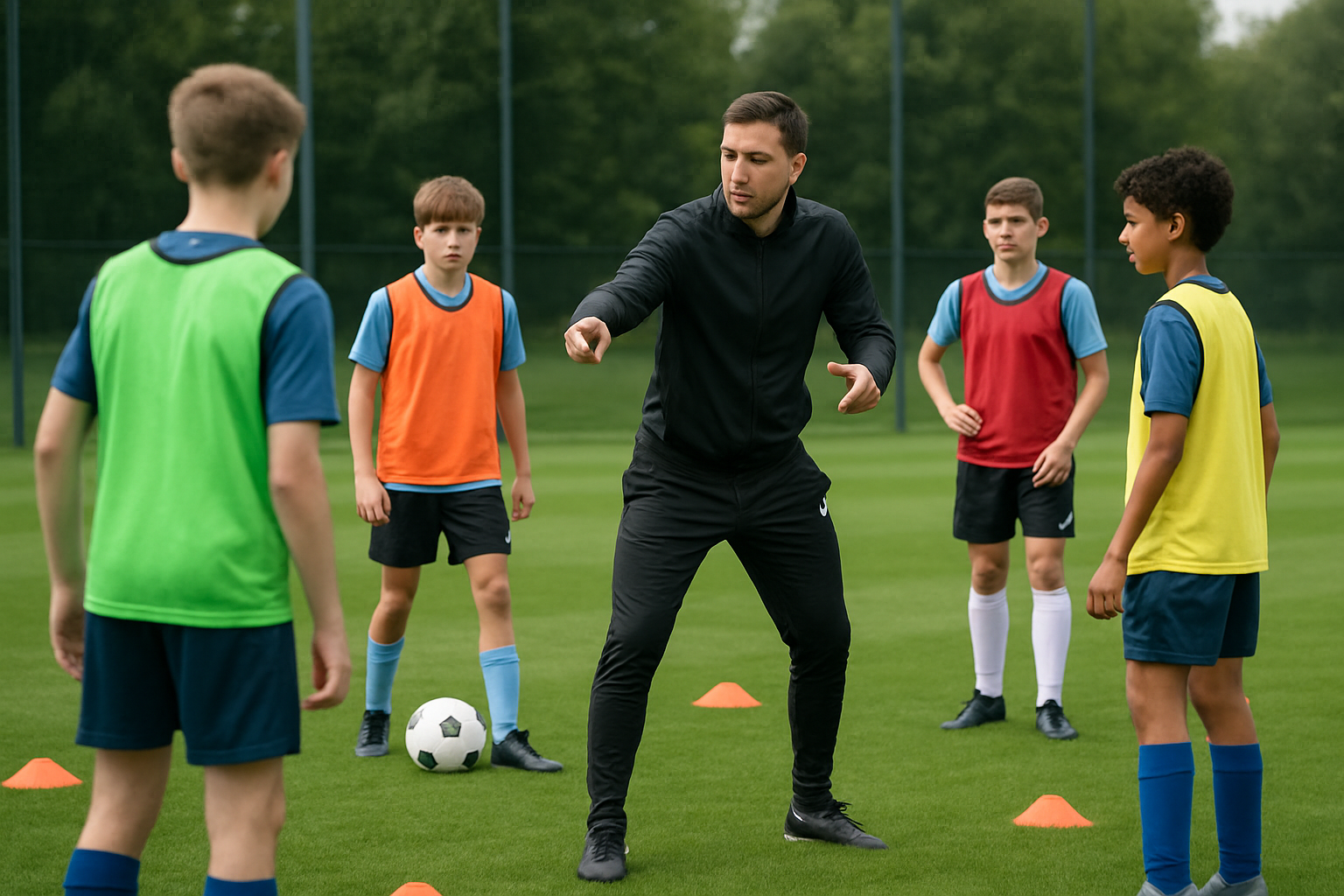
How to Improve Session Structure to Develop Football Skills in Young Players
To improve the effectiveness of your sessions, focus on consistency and variety in training. Structured routines like quick passing games, possession drills, and small-sided practices help players apply skills in realistic situations. Incorporate feedback loops where coaches observe, correct, and encourage players actively.
Developing football skills in young players also means balancing individual skill work with teamwork-focused activities. Building teamwork in youth football is crucial for collective success and player growth; exercises involving communication and positional awareness prepare players for match environments.
Clear objectives and consistent feedback are the foundation of effective youth football training sessions.
Practical Implementation for Grassroots Clubs
Grassroots clubs can implement structured sessions by starting with small, manageable plans that prioritize player engagement and progression. Coaches should document session goals and outcomes to track player development over weeks and months, aligning with broader academy workflows.
Using available football academy management tools can improve organization, attendance tracking, and communication between coaches, parents, and players. Integrating consistent training routines supports not only skill mastery but also discipline and mental resilience among young athletes.
Common Development Mistakes
One common mistake is rushing through drills without clearly defined objectives, which leaves players confused and limits learning. Another is focusing too heavily on match-style play during training without building foundational skills systematically.
Neglecting the importance of rest and mental recovery can also hinder progress. Structured training sessions should build in variety, controlled intensity, and time for reflection to foster sustainable player development and reduce burnout risks.
Building a Training Framework for Consistent Youth Team Practice Routines
Effective youth team practice follows a simple framework: Training → Feedback → Tracking → Exposure → Progression. Start with focused drills, provide clear and practical feedback, track individual and group progress, create opportunities for players to apply skills in games or tournaments, and refine training based on observations.
Such a cycle encourages continuous growth and helps maintain motivation among players by showing tangible development steps. It also aligns with football coaching methods for kids that emphasize patience and consistent effort rather than quick fixes.

Why Players Struggle with Structured Training and How to Address It
Players, especially younger ones, may struggle with structured training due to limited focus, fear of making mistakes, or inconsistent coaching methods. To address this, sessions must be age-appropriate, gradually increasing complexity while ensuring players understand the purpose behind each drill.
Encouraging a positive learning atmosphere and connecting training tasks to real match situations help players feel more engaged and less pressured. Transparent communication with parents about session goals also supports player confidence and buy-in.
Conclusion
Running structured football training sessions for youth teams is essential for fostering long-term development in grassroots football. By thoughtfully planning sessions with clear objectives, mixing technical skills with teamwork exercises, providing continuous feedback, and tracking progress, coaches and academies create an environment where young players can thrive. Implementing a simple training framework helps maintain consistency and supports the mental and physical growth necessary for football progression. Understanding common pitfalls allows coaches to adapt and improve their methods effectively, ensuring every player benefits from their football journey within a supportive, structured setup. For academies, using reliable football academy management tools further enhances organization and player visibility, which is crucial for sustained results at the grassroots level.
What is a structured football training session for youth teams?
It is a well-planned training period with clear objectives to develop technical skills, teamwork, and understanding suited to young players' needs.
How does session planning improve youth football training?
Planning ensures training is balanced, focused, and progressive, helping players develop skills systematically and stay engaged.
How to improve football skills at home for young players?
Practice basic drills like passing, dribbling, and shooting regularly, focusing on technique, control, and repetition.
How to get better at football during youth team practice routines?
Focus on technical drills, teamwork exercises, listen to coach feedback, and apply skills during small-sided games.
Why am I not improving despite training regularly?
Improvement may stall if training lacks structure, clear goals, or sufficient feedback; varied drills and rest are also important.
Best age to start structured football training for long-term development?
Structured training can begin around 8–10 years old, focusing on fun and basic skills, gradually increasing complexity with age.
Why do players struggle with structured football training sessions?
Challenges include attention span, fear of failure, and unclear instructions. Age-appropriate drills and positive coaching help overcome this.
.jpg)

Latest Articles
 Read More about How Sports Academies Can Reduce Admin Work for Coaches
How Sports Academies Can Reduce Admin Work for Coaches
 Read More about How to Build Age-Wise Player Development Pathways in Football and Cricket
How to Build Age-Wise Player Development Pathways in Football and Cricket
 Read More about Tournament Management Software for Football and Cricket Organizers: A Practical Guide
Tournament Management Software for Football and Cricket Organizers: A Practical Guide
Ready to Bring Structure to Your Academy?
Let’s walk through your current setup and show you how 8lete can improve it.


