



.jpg)
How to Improve Defensive Football Skills: Positioning, Tackling, and Awareness Guide
Developing strong defensive football skills is a common challenge for many young players and their parents. Defense demands more than just physical effort—it requires understanding positioning, mastering tackling techniques, and sharpening awareness on the pitch. This article breaks down practical methods for players, coaches, and parents to systematically improve defensive football skills in grassroots football environments, ensuring growth over time instead of quick fixes.
What Is Defensive Football Skills?
Defensive football skills refer to the ability of a player to prevent the opposing team from creating chances or scoring. These skills include positioning to limit space, tackling to regain possession safely, and maintaining awareness to anticipate opponent movements and support teammates effectively.
By focusing on these core elements, young players can become more reliable defenders and contribute greatly to their team’s stability, all while nurturing decision-making and discipline essential for long-term growth.
Why Players Struggle to Improve Defensive Football Skills
Many young footballers find defensive roles challenging because they often focus on flashy offensive skills, leaving defense seen as less attractive or rewarding. Additionally, defenders must develop both physical and mental aspects simultaneously, which demands consistency, patience, and specific training. Parents and coaches may also overlook structured drills that prioritize defense, which hinders steady improvement.
Understanding the need for repetitive, game-relevant practice paired with clear feedback can help players avoid common frustrations and stagnation in defensive development.
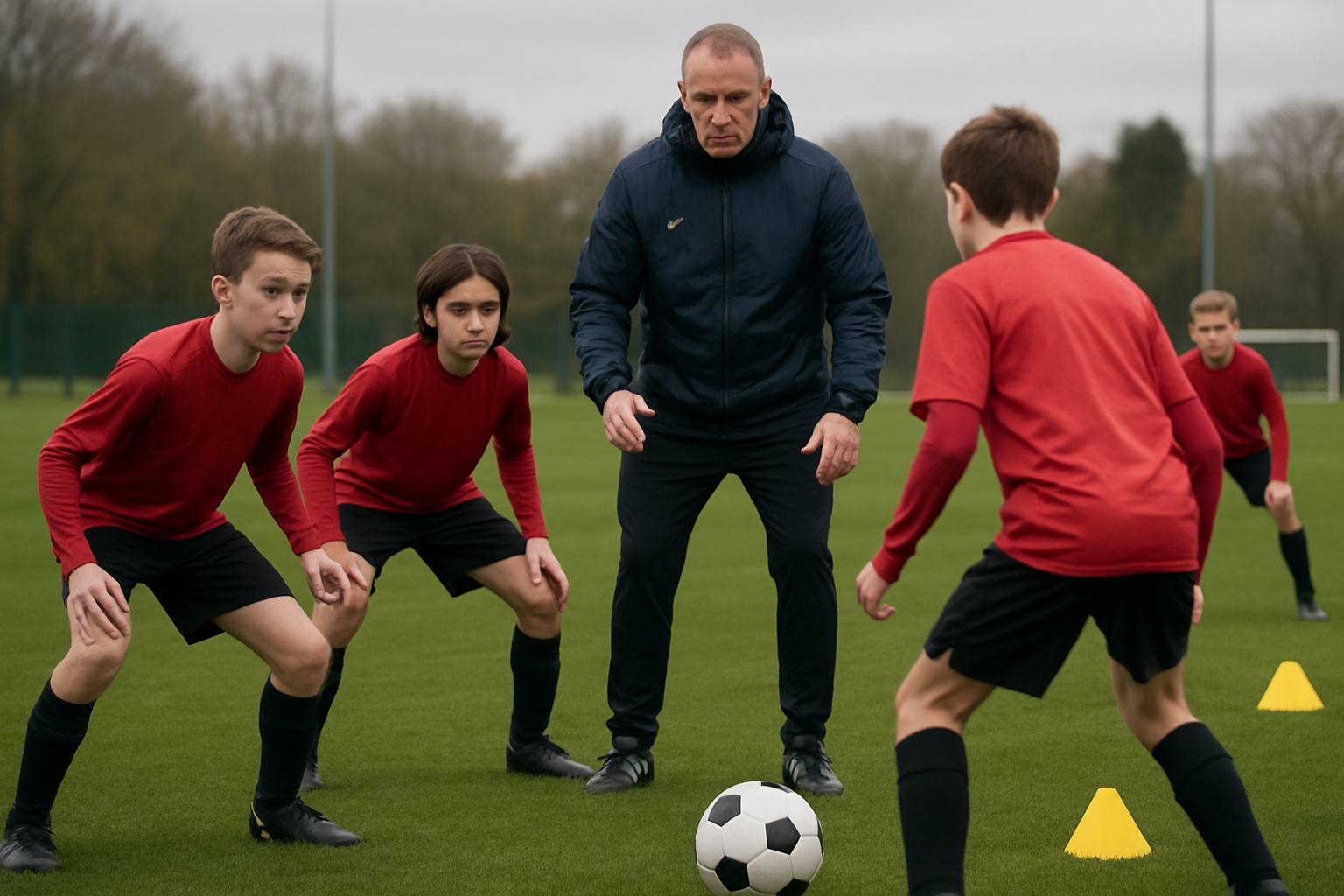
How to Improve Defensive Football Skills Effectively
Improving defensive football skills requires a blend of structured practice, reflection, and game experience. Coaches should emphasize simple, repeatable positioning strategies that teach young players how to read the game and close down passing lanes. Drills focusing on tackling technique without risking fouls or injury help develop confidence while reinforcing timing and body control.
Players and parents should encourage defensive awareness by reviewing game footage or discussing scenarios where decision-making was key to stopping attacks. Consistent feedback loops and tracking progress on these skills support steady growth aligned with the team’s training philosophy.
Practical Implementation for Grassroots Clubs
Grassroots clubs can embed defensive development within their sessions by introducing age-appropriate youth football defensive drills combining movement, positioning, and tackling. Structured training blocks should prioritize repetition and gradual complexity, allowing players to internalize defensive roles before applying them in match situations.
Using tools such as video reviews and player development tracking enhances understanding and motivation. Encouraging parents to support disciplined recovery routines and mental preparedness further sustains defensive progress within a well-rounded development approach.
Steady, structured practice builds stronger defenders more reliably than relying on natural instinct alone.
Common Development Mistakes in Defensive Skills
Overemphasis on aggressive tackling without positioning can leave young defenders exposed and lead to unnecessary fouls. Another common issue is neglecting defensive awareness; players may react slowly or position poorly due to limited understanding of game flow. Parents and coaches sometimes expect quick results rather than valuing steady, incremental improvement supported by structured training systems.
Avoiding these pitfalls requires patience, clear communication, and focusing on decision-making to complement physical skills. This approach shapes well-rounded defenders instead of relying on instinct alone.
Training Framework: Positioning → Tackling → Awareness → Feedback
A simple but effective training framework for improving defensive football skills involves four key stages:
- Positioning: Teach players to occupy optimal areas to reduce opponent options.
- Tackling: Practice safe timing and technique to regain possession.
- Awareness: Develop anticipation through scenario-based drills and video analysis.
- Feedback: Provide clear, constructive coaching feedback linked to tracked progress.
This cyclical process ensures players build confidence and improve steadily while coaches and parents create a supportive environment focused on learning and structured growth.
Positioning Strategies for Defenders
Positioning is the foundation of good defense. Young players should learn to maintain proper distance from attackers, use the sidelines or other defenders as reference points, and control angles to force opponents wide, reducing threats through the center. Simple drills emphasizing this spatial awareness improve tactical understanding without overwhelming young players.
For coaches, creating structured exercises that simulate realistic attacking scenarios helps players translate positioning principles from training to matches, supporting consistent decision-making and reducing risky tackles.
Tackling Skills for Young Footballers
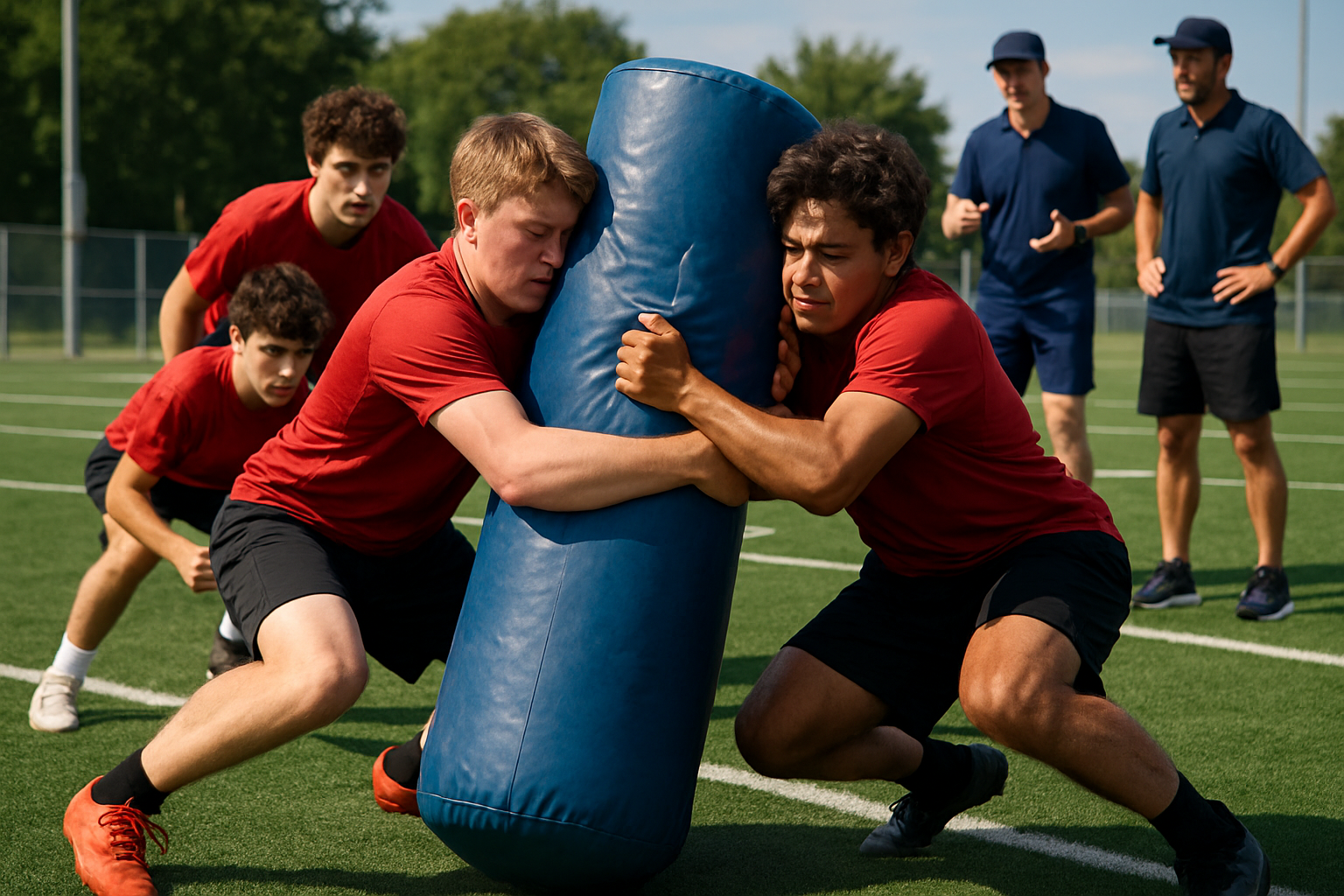
Effective tackling balances timing, technique, and restraint. Young players benefit from drills that teach how to approach the ball, use the body to shield, and avoid fouls. Tackling exercises should start slowly and emphasize control before increasing pace and complexity.
Parental support in reinforcing patience and safety in tackling builds confidence and prevents injuries, making this a vital aspect of youth defensive development.
Conclusion
Improving defensive football skills is a long-term process that blends physical technique with mental awareness and positioning insight. Grassroots players grow best when supported by structured training systems that include repetition, clear feedback, and realistic game scenarios. Coaches and parents play crucial roles by fostering disciplined practice and encouraging steady progress rather than short-term results. By using a focused framework—emphasizing positioning, tackling, awareness, and feedback—young defenders develop the confidence and reliability essential to their teams. This practical approach aligns with solid football principles and prepares players for future challenges while enhancing their enjoyment of the game. Consistent work on defense not only benefits individual players but strengthens the team’s overall balance and competitive potential in meaningful ways.
What is the best way to improve defensive football skills?
Focus on structured practice that combines positioning drills, tackling techniques, and awareness exercises to develop all-round defensive abilities.
How does positioning impact a defender’s effectiveness in football?
Good positioning limits the opponent’s options and forces errors, making it easier to anticipate and intercept attacks effectively.
How to improve tackling skills safely in youth football?
Practice tackling slowly with proper technique, focusing on timing and body control to avoid fouls and injuries.
Why am I not improving my defensive skills despite training?
Improvement may stall if training lacks structure, repetition, or clear feedback. Patience and consistent, focused practice are key.
Best age to start learning defensive football techniques?
Players can begin basic defensive positioning and awareness as early as under-10, with tackling introduced gradually as skills mature.
How long does it take to see progress in football defense techniques?
Progress depends on consistent, disciplined training but players typically notice meaningful improvement after several months of focused practice.
Related Articles
.png) Read More about How to Improve Speed and Acceleration in Football: Train Like an Athlete
Read More about How to Improve Speed and Acceleration in Football: Train Like an AthleteHow to Improve Speed and Acceleration in Football: Train Like an Athlete
 Read More about How to Become a Consistent Football Player: Train Like Top Performers
How to Become a Consistent Football Player: Train Like Top Performers
 Read More about Football Trial Tips for Players: How to Stand Out and Impress Coaches
Football Trial Tips for Players: How to Stand Out and Impress Coaches
Latest Articles
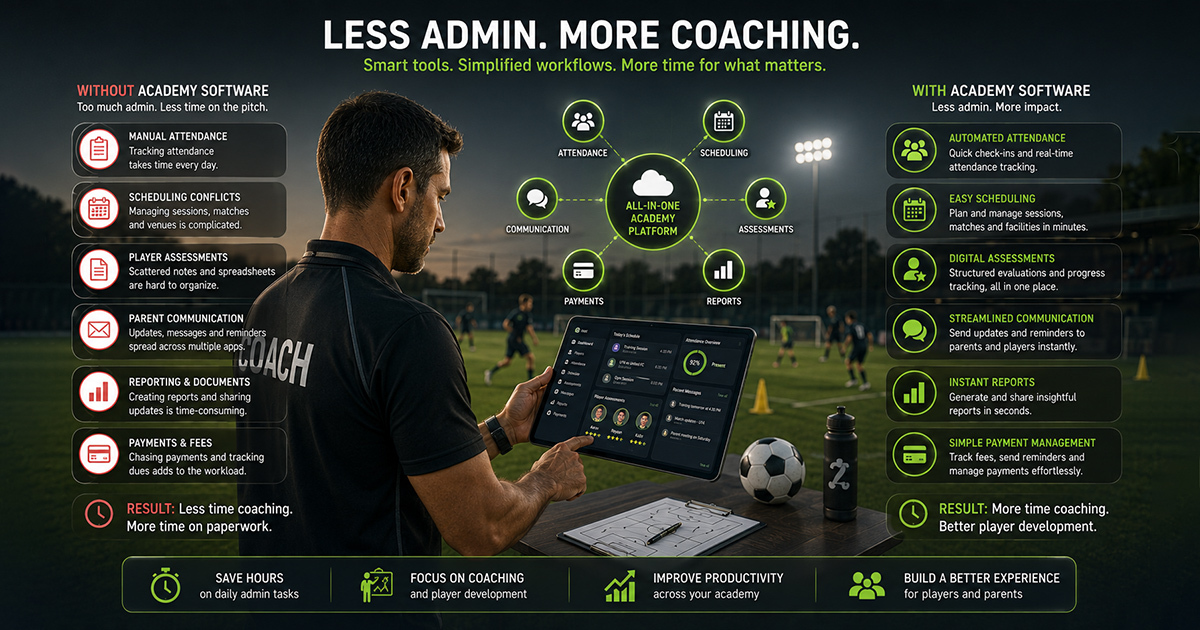 Read More about How Sports Academies Can Reduce Admin Work for Coaches
How Sports Academies Can Reduce Admin Work for Coaches
 Read More about How to Build Age-Wise Player Development Pathways in Football and Cricket
How to Build Age-Wise Player Development Pathways in Football and Cricket
 Read More about Tournament Management Software for Football and Cricket Organizers: A Practical Guide
Tournament Management Software for Football and Cricket Organizers: A Practical Guide
Ready to Bring Structure to Your Academy?
Let’s walk through your current setup and show you how 8lete can improve it.


